Duluth Spent 30 Years Reinventing Itself After the Steel Mills Left. Here’s What It Built
We may earn money or products from the companies mentioned in this post. This means if you click on the link and purchase the item, I will receive a small commission at no extra cost to you ... you're just helping re-supply our family's travel fund.
Duluth, Minnesota sits at the western tip of Lake Superior — the largest freshwater lake in the world by surface area — and spent decades reorienting itself after the steel industry that built it declined. The reinvention was genuine and specific: an outdoor recreation economy built around Lake Superior access, the Superior Hiking Trail, a mountain bike network, and a craft culture that attracts Minneapolis weekenders who make the 2.5-hour drive north specifically to be in Duluth.
What Duluth Built Around Its Waterfront
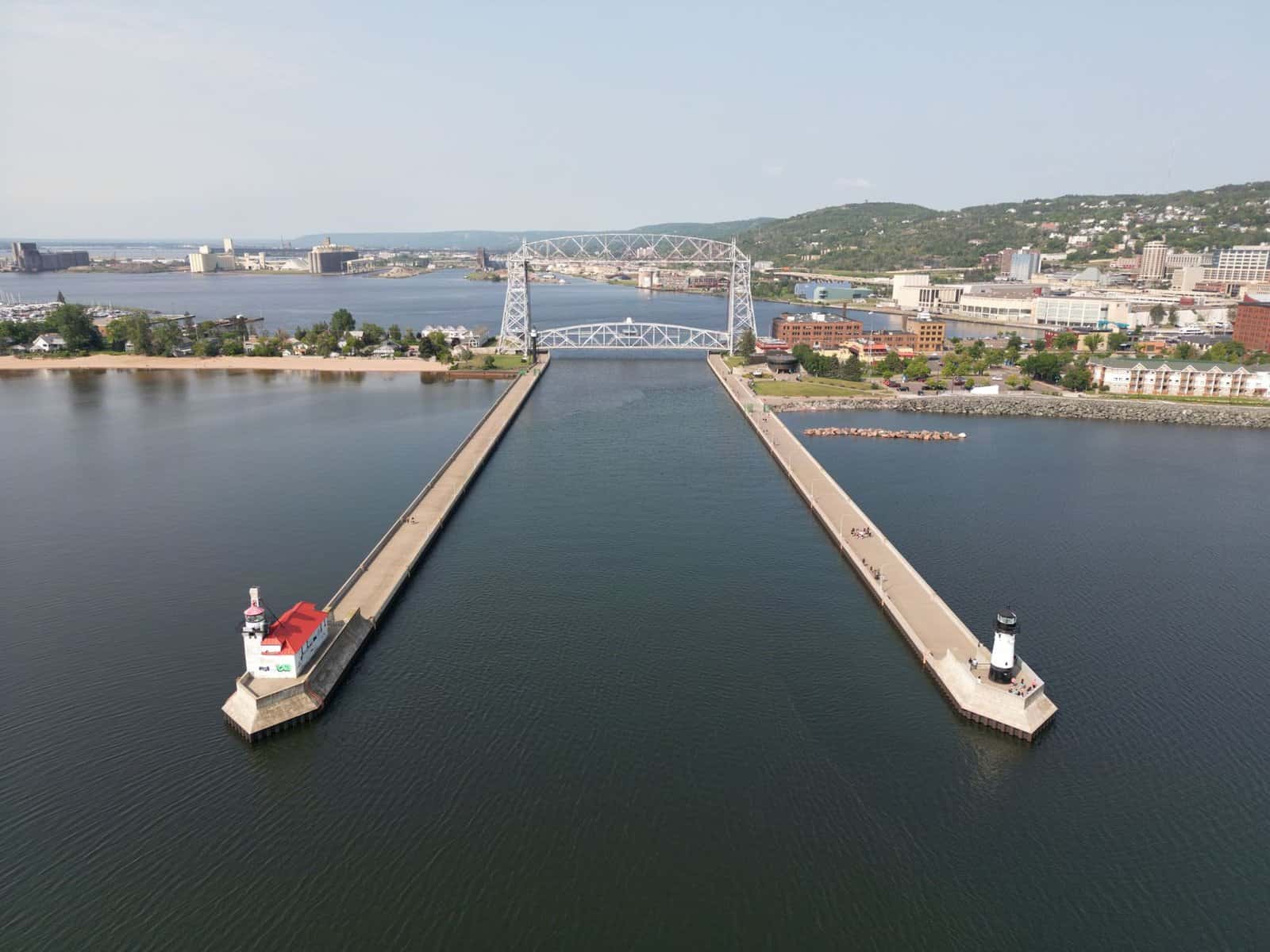
Canal Park is the Lake Superior waterfront district that anchors Duluth’s visitor economy — the Aerial Lift Bridge that rises to let ore ships pass is one of the most distinctive urban structures in the Midwest, and the lakewalk along the waterfront provides 4 miles of walking from Canal Park south through the redeveloped warehouse and arts district. The lake itself, with its cold blue water and dramatic cliff sections to the north, provides the visual identity that the outdoor economy built itself around.
The Superior Hiking Trail runs 310 miles along the ridgeline above Lake Superior from Duluth north through the North Shore to the Canadian border. The sections accessible as day hikes from the Duluth trailheads pass through old-growth birch and maple forest with overlooks of the lake at multiple points. The fall color along this corridor — peak typically mid-September to early October — is among the best accessible foliage in the Upper Midwest.
What It Costs to Visit
A Duluth weekend:
- Canal Park hotel: $140–$200/night in summer, $100–$150 in fall
- Duluth is a 2.5-hour drive from Minneapolis — a realistic day trip for serious hikers
- Great Lakes Aquarium (unique freshwater focus): $18/adult
- Breweries (Bent Paddle, Bent Paddle, Earth Rider): $8–$14 per pint, worth the evening
Duluth’s reinvention story took thirty years and isn’t finished. The housing stock from the industrial era is large and affordable — median home prices around $200,000 make it one of the most affordable cities in Minnesota. The combination of genuine outdoor access, Lake Superior’s scale and visual power, a craft culture that rewards exploration, and a growing arts scene makes Duluth one of the more complete small-city experiences in the Upper Midwest for travelers who make the drive specifically to be there.
The Fall Color Case for Duluth
The North Shore of Lake Superior from Duluth to Grand Marais — a 110-mile drive on US-61 along the lake’s western shore — is one of the best fall foliage drives in the United States. Peak color runs from late September in the northern sections to mid-October closer to Duluth, and the combination of sugar maple, birch, and aspen against the blue of Lake Superior on a clear day produces images that routinely appear in national fall foliage coverage. Gooseberry Falls State Park, 12 miles northeast of Duluth, has 134-foot falls accessible via a 0.8-mile trail and represents the gateway to the cascades, waterfalls, and cliff overlooks that define the North Shore corridor.
Grand Marais, 110 miles up the shore, is the northern endpoint of the US-61 drive and the gateway to the Boundary Waters Canoe Area Wilderness. The town of 1,300 people has an artists’ colony, a well-regarded local newspaper, an independent bookstore, and a harbor that serves as a visual reference for the whole Lake Superior North Shore. The drive from Duluth to Grand Marais in early October, stopping at Gooseberry, Split Rock Lighthouse, and Temperance River State Park along the way, is one of the most rewarding single-day drives in the Midwest.
Duluth’s housing market has experienced the same migration pressure as other mid-sized Midwest cities with outdoor recreation appeal, but at a more moderate pace than Bozeman or Bend. Median home prices around $220,000 in Duluth proper in 2026 reflect a city that has attracted remote workers and outdoor enthusiasts without yet crossing into the unaffordable range that its recreation profile might suggest. For the traveler who’s also evaluating relocation options in mid-sized outdoor-recreation cities, Duluth is the Lake Superior answer — colder than the alternatives, with the largest freshwater lake in the world as the anchor, and a city that has genuinely earned its outdoor recreation credentials through 30 years of deliberate reinvestment.