Napa Valley Is California’s Most Famous Wine Region. Here’s Whether It’s Still Worth What It Costs
We may earn money or products from the companies mentioned in this post. This means if you click on the link and purchase the item, I will receive a small commission at no extra cost to you ... you're just helping re-supply our family's travel fund.
Napa Valley wine tasting fees averaged $35–$50 per person in 2015. In 2026, the average fee at a mid-tier winery runs $55–$85 per person. Reservations are required at most wineries. A weekend hotel in Yountville or Calistoga runs $400–$700 per night during peak season. Napa has become one of the most expensive domestic weekend destinations in the United States, and whether the experience still justifies the cost depends on what specifically you’re going for.
The Cost Breakdown — What a Napa Weekend Actually Runs in 2026
2 people, 2 nights, mid-range Napa:
- Hotel (Yountville / St. Helena corridor): $700–$1,200 for 2 nights
- Winery tastings (3 visits × $65/person average): $390
- Dinner at a mid-range wine country restaurant: $200–$280 for two with wine
- Lunch at a winery or bistro: $80–$120 for two
- Total estimate: $1,500–$2,100 for two people, two nights
What Still Makes Napa Exceptional
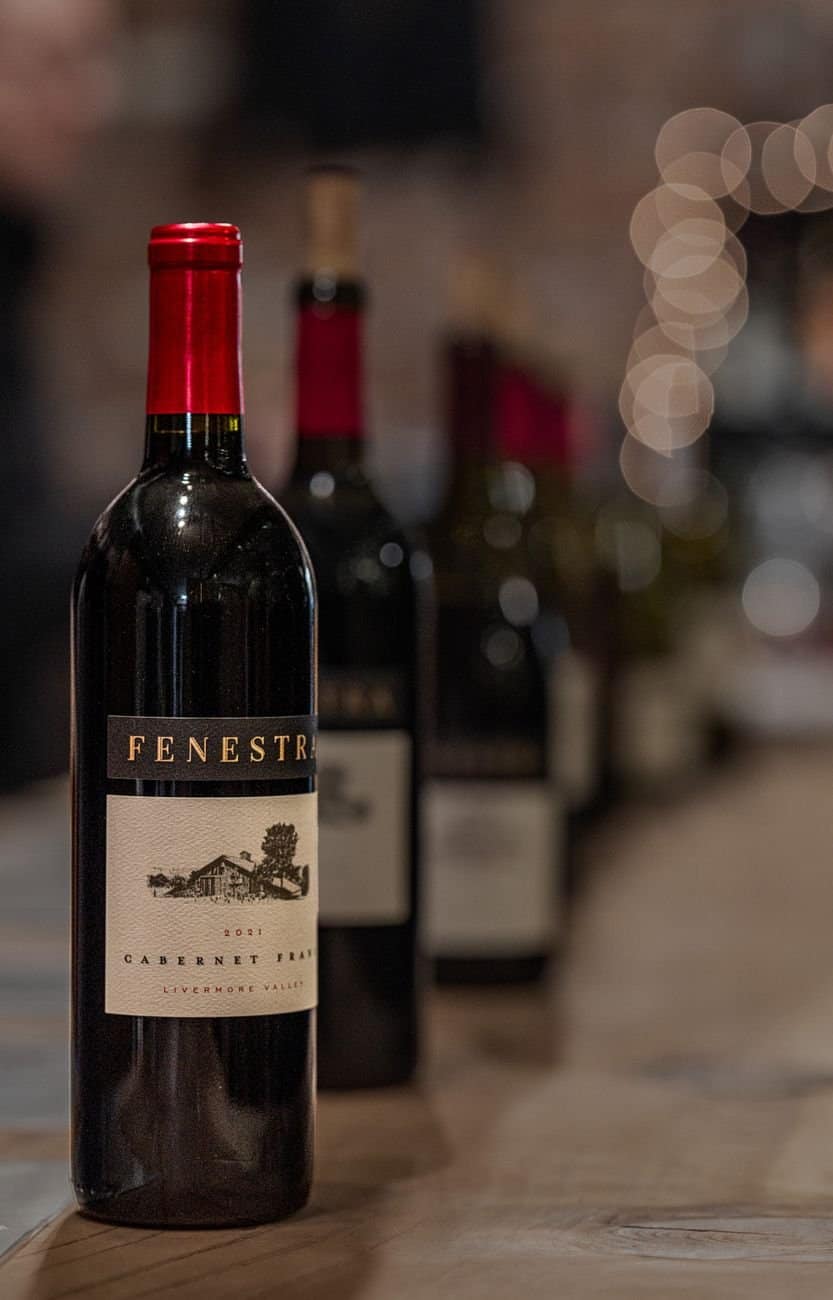
The Cabernet Sauvignon grown in Napa Valley’s specific soil and microclimate combination — particularly from Stags Leap, Oakville, and Rutherford appellations — produces wines that are genuinely among the best in the world. At the top estates, the tasting experience (the wine, the setting, the expertise of the staff) delivers at the level the price suggests. The valley itself, with the Vaca and Mayacamas mountain ranges on either side and the valley floor covered in vines, is beautiful in a way that photos don’t fully capture.
The French Laundry and The Restaurant at Meadowood represent the culinary ceiling — multi-hundred-dollar tasting menus that require months of advance reservation. These are unambiguously worth it for serious food travelers who’ve planned around them. The broader restaurant culture in Yountville, which Thomas Keller has anchored for decades, provides mid-tier options that are excellent without the price summit.
When Napa Is Not the Right Choice
For budget-conscious wine travel: Sonoma Valley immediately west has comparable quality at 30–40% lower tasting fees and significantly lower hotel prices. The Anderson Valley in Mendocino County, 90 minutes north, is the most interesting California wine region for under-the-radar quality at accessible prices. Texas Hill Country and the Willamette Valley in Oregon both offer serious wine experiences at a fraction of Napa’s cost per visit.
Napa earns its reputation and its price for the traveler who goes specifically for world-class Cabernet Sauvignon in its home environment, has booked the right wineries, and isn’t surprised by the cost. For the traveler looking for a relaxed wine country weekend without a significant financial commitment, the alternatives deliver the experience without the premium.
How to Get More Out of a Napa Trip
Booking winery visits the right way changes the Napa experience significantly. The standard tasting room visit — walk-in, $65 per person, 45 minutes, four pours — is the default and not the best the valley offers. Appointment-only cave tours at Schramsberg or Beringer’s Rhine House provide historical context and production education that the standard tasting lacks. Some estates offer vineyard walks paired with library tastings (older vintages) at prices that are higher per visit but significantly better as experiences. Researching specific wineries before arriving rather than driving the main Silverado Trail and stopping where there’s parking is the difference between a Napa trip that feels worth it and one that feels like $600 of wine samples.
Yountville’s restaurant concentration — Thomas Keller’s Bouchon Bistro alongside Bottega, Redd Wood, and R+D Kitchen — creates a walkable dining district where the mid-range option (Bouchon’s rotisserie chicken and steak frites, $45–$70 per person without wine) delivers at a level that warrants the cost without requiring the French Laundry’s $350 per person commitment. Building a Napa itinerary around Yountville as a pedestrian base, with morning winery visits and evenings in the village, is how the most satisfied visitors structure the trip.
The honest answer to whether Napa is worth what it costs is: yes, for the traveler who goes for world-class Cabernet Sauvignon, books at least one significant winery experience in advance, stays in or near Yountville, and has one memorable meal. No, for the traveler who arrives without reservations, ends up at three crowded tasting rooms along the main highway, and spends $400 on wines they could have ordered online. Napa rewards preparation in a way that most travel destinations don’t, and the gap between a well-planned Napa trip and an unplanned one is wider than almost anywhere else in American wine country.