Road Trip Playlists Are Dead — How Serious Road Trippers Actually Use Audio on Long Drives in 2026
We may earn money or products from the companies mentioned in this post. This means if you click on the link and purchase the item, I will receive a small commission at no extra cost to you ... you're just helping re-supply our family's travel fund.
Here’s a thing that happens on every serious road trip: about three hours in, the playlist you spent an hour building starts feeling wrong. A great song comes on at the exact moment you’re trying to navigate a merge. A slow song hits when you need to stay sharp through a mountain pass. You skip forward, then you skip again, and eventually you’re doing more interacting with your phone than driving.
The road trip playlist is a fundamentally limited format for long-haul driving. It was designed for the 2-hour trip, not the 8-hour haul. And the road trippers who do serious mileage — 800+ miles in a day, multiple multi-day drives a year, cross-country routes — have largely moved on to a more sophisticated system.
This is what that system actually looks like in 2026.
The Problem with Playlists on Serious Long Drives
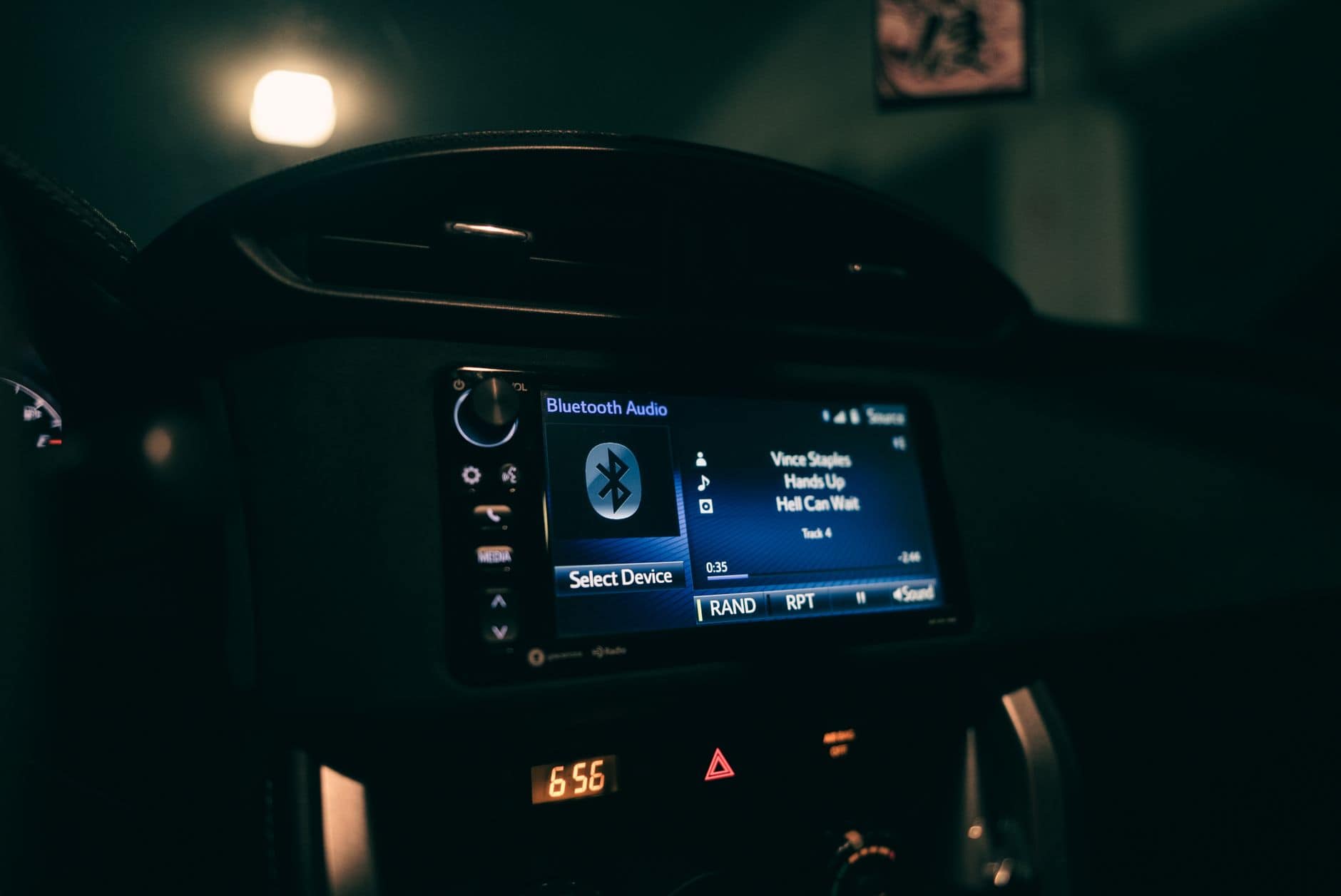
Music is not the right medium for long-distance driving for a few specific reasons:
- Attention fragmentation. Music requires periodic management — skipping, adjusting volume, reacting to a song you forgot was on the playlist. On a long drive, these micro-interactions add up to a surprising amount of distraction.
- No information value. Music is pleasurable but passive. A 10-hour drive is also 10 hours you could have spent getting through half of an audiobook or a month’s worth of podcast backlog.
- Attention-level mismatch. Driving attention varies dramatically — you’re more alert through urban traffic and mountain switchbacks, more cruise-control-brain through flat interstate stretches. Music doesn’t adapt to this. Podcasts and audiobooks can be paused without loss.
- The connectivity gap. Cell coverage across large parts of the interior US remains inconsistent. Rural Nevada, Montana, the Nebraska Sandhills, parts of New Mexico — streaming fails. Pre-downloaded audio is essential, and curating a playlist for offline use is far less convenient than downloading a podcast queue or audiobook.
The Podcast Tier: What Actually Works for 4–10 Hour Stretches

Not all podcasts are equally suited to driving. The format matters a lot.
What Works Well
- True Crime and Narrative Nonfiction Serial, Dr. Death, Over My Dead Body, Your Own Backyard — narrative podcasts with strong story arcs are ideal because they create momentum. You want to keep listening, which helps with long drives, and the episodic format gives natural pause points without losing narrative thread. The narrative drive compensates for attention dips on flat stretches.
- Conversational Interview Podcasts (Long-Form) The Lex Fridman Podcast, Huberman Lab, SmartLess — 2–3 hour episodes that essentially play like company in the car. The conversational rhythm requires less active attention than a narrative podcast, making it suitable for high-attention driving situations where you need audio that doesn’t demand engagement.
- Comedy Podcasts with Two-Person Dynamics My Favorite Murder, Conan O’Brien Needs a Friend, Scam Goddess — the banter format creates ambient social energy. These work best on medium-attention stretches because you can tune in and out without losing the thread.
What Doesn’t Work
- Highly technical or data-heavy podcasts (finance breakdowns, statistics-heavy analysis) — these require the same attention as reading, which you cannot do while driving.
- Very short episodes (under 20 minutes) — you end up managing episode transitions constantly, which recreates the playlist problem.
- Panel discussion podcasts with 4+ speakers — identifying voices and tracking who said what is cognitively taxing on a drive.
Audiobooks: The Underrated Road Trip Technology

Audiobooks are arguably the single best road trip audio format, and they remain underused compared to podcasts. Here’s why they work:
- You make actual progress. A 10-hour drive at 1.25x speed gets you through a 12-hour audiobook. That’s a 400-page novel, a full nonfiction book, or half of a long one. This is satisfying in a way that 10 hours of podcast episodes often isn’t.
- The commitment creates engagement. When you’ve decided to finish a book on this trip, you have a reason to drive that isn’t just “arriving.” The journey becomes the context for a reading experience.
- Narrator quality matters enormously. A great narrator transforms even good material. A bad narrator makes even great material hard to get through. Check narrator reviews before committing to a long audiobook for a long drive.
Apps
- Audible The standard. Large library, good app, reliable offline downloads. $15/month for one credit, which is usually enough if you’re not a regular listener. The Audible Premium Plus plan ($23/month) includes unlimited access to a curated library plus one credit.
- Libby (through your library card) Free. Uses your public library card to borrow audiobooks and ebooks at no cost. Wait times for popular titles can be long (days to weeks), but for anyone with an active library card, this is extraordinary value. Many audiobooks are available immediately. Download ahead of the trip.
- Libro.fm Audible alternative that directs revenue to independent bookstores. Same price, better values alignment for people who care about that. Library is slightly smaller but covers most major titles.
Ambient Audio and the Dead Zone Solution

This is the category that separates casual road trippers from experienced ones.
- Downloaded Spotify Playlists (Offline Mode) For the music moments — crossing a striking landscape, sunrise on a deserted highway — downloaded playlists eliminate the streaming dependency. Spotify Premium’s offline mode lets you download any playlist. Do this the night before departure. The 2026 cell dead zone map across the US still includes large swaths of Nevada, Wyoming, Montana, New Mexico, and rural Texas.
- Brain.fm or Endel (Focus/Drive Mode) AI-generated ambient audio designed for sustained attention. These apps produce continuous, non-distracting audio that road trippers use during the “I need to stay alert but I can’t take more dialogue” phase of long drives. Not music, not podcasts — just attentive ambient sound. Downloads available in both apps.
- Noisili Customizable ambient sound mixes (rain, coffee shop, white noise, thunder). Some road trippers use this specifically for passenger-sleep situations — driver needs audio, passengers need quiet — mixed at low volume through car speakers.
The Actual Setup: Apps, Offline Downloads, and the Switchover System
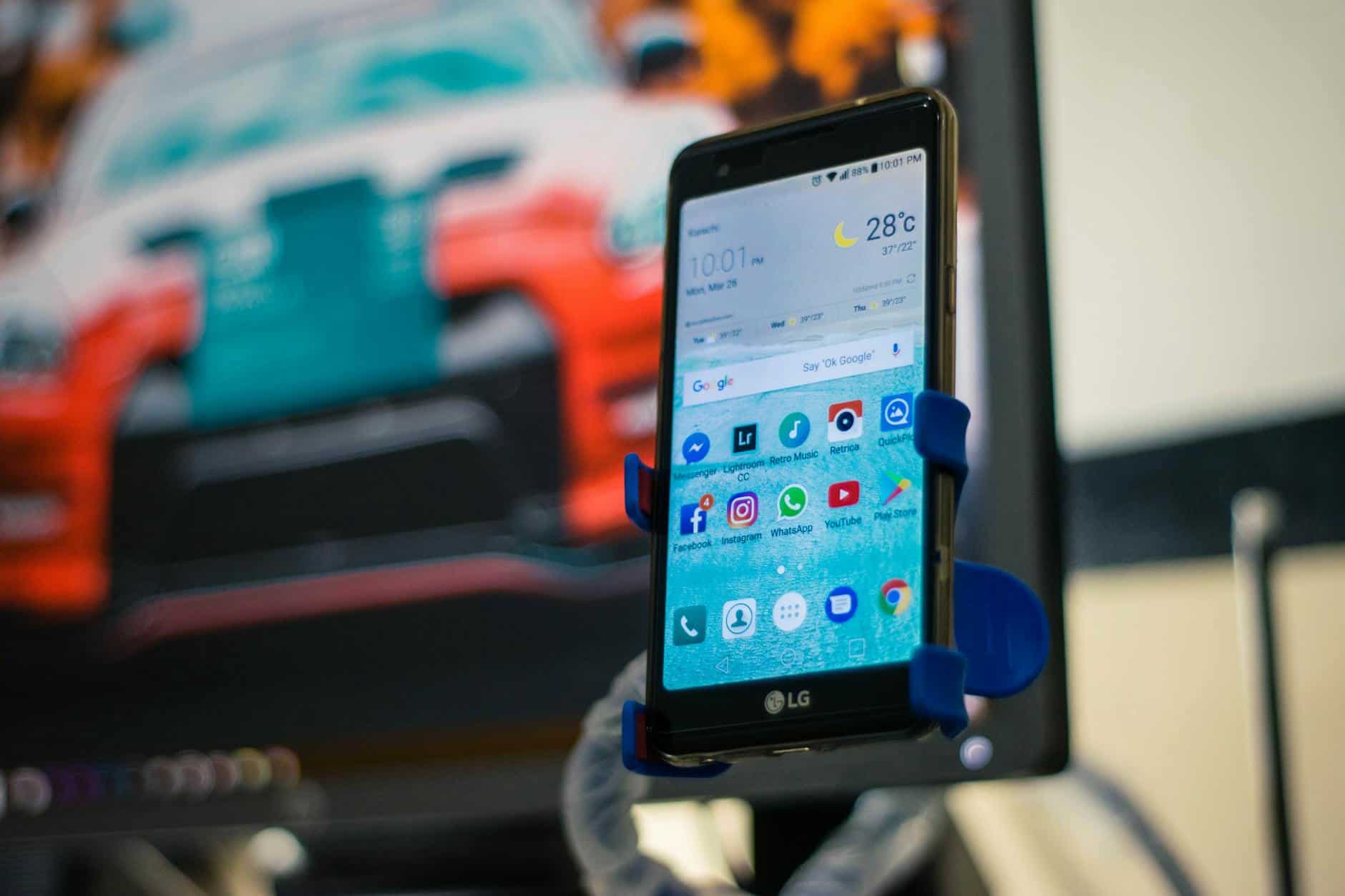
Here’s how experienced road trippers describe their pre-trip preparation:
- Night before departure: Download 12–15 hours of podcast episodes (mix of narrative and conversational). Download the audiobook for the trip. Download two Spotify playlists. Verify everything plays offline by turning on airplane mode and testing each app.
- Check offline cell coverage: Use a coverage app (Sensorly or OpenSignal) to identify the dead zones on your specific route. Know where you’ll lose signal so you’re not surprised and fumbling with apps on the road.
- Set playback speed: 1.25x–1.5x on podcasts and audiobooks is common among regular listeners. It takes 30–60 minutes to adjust but becomes natural quickly and significantly extends the content available per hour of driving.
- Plan the switchover schedule: Narrative podcast for the first 2 hours while still alert. Audiobook for the middle stretch. Ambient audio or music for the last hour when cognitive load is highest from fatigue. This is a rough guide that adapts to actual conditions.
What Road Trippers Recommend by Drive Type

- The Interstate Slog (I-80 across Nebraska, I-70 through Kansas) Long-form narrative audiobook. The flat monotony of these stretches is exactly where a compelling story pulls you through. True crime podcasts also work. Music feels too lightweight for 6 hours of identical scenery.
- Mountain Driving (Rocky Mountains, Cascades, Sierra Nevada) Conversational podcasts or music. Mountain driving requires more active attention and benefits from audio that can be completely ignored during a switchback sequence. Save the audiobook for the valley stretches.
- The All-Night Drive This is a special case. Most experienced all-night drivers use a mix of conversational podcasts (human voices keep you alert), downloaded comedy (laughing physically helps combat fatigue), and frequent stops more than any specific audio format. No audio replaces stopping when you’re genuinely tired.
- Solo vs. With Passengers Solo: full autonomy, optimize for your attention maintenance. With passengers: shared audio becomes a social experience — choose things everyone can engage with. True crime is a common consensus choice for mixed groups. Avoid comedy podcasts built on inside jokes or niche references that only one person gets.
The road trip playlist isn’t dead as a concept — music still belongs on drives. But the serious road tripper in 2026 treats audio as a managed resource, pre-downloaded against coverage gaps, layered by attention level, and purposefully structured to make 10 hours of driving feel like 10 hours of something worthwhile.