Your Hotel Room Is Quietly Making You Sick — Here’s the Filth They’re Hiding in Plain Sight
We may earn money or products from the companies mentioned in this post. This means if you click on the link and purchase the item, I will receive a small commission at no extra cost to you ... you're just helping re-supply our family's travel fund.
You’ve done everything right. You booked a well-reviewed hotel, paid a reasonable rate, slept eight hours, and came home with a sore throat that turned into a week-long upper respiratory infection. You blamed the airplane. You blamed your coworker. You blamed the weather.
You probably should have blamed the HVAC unit.
Hotels are not trying to make you sick. But between their actual cleaning protocols, the physical infrastructure of the buildings, and the sheer number of humans cycling through those rooms, there are specific vectors of illness hiding in plain sight — and most travelers have no idea they exist. Let’s go through them one by one.
The HVAC Unit Above Your Bed Is Basically a Petri Dish
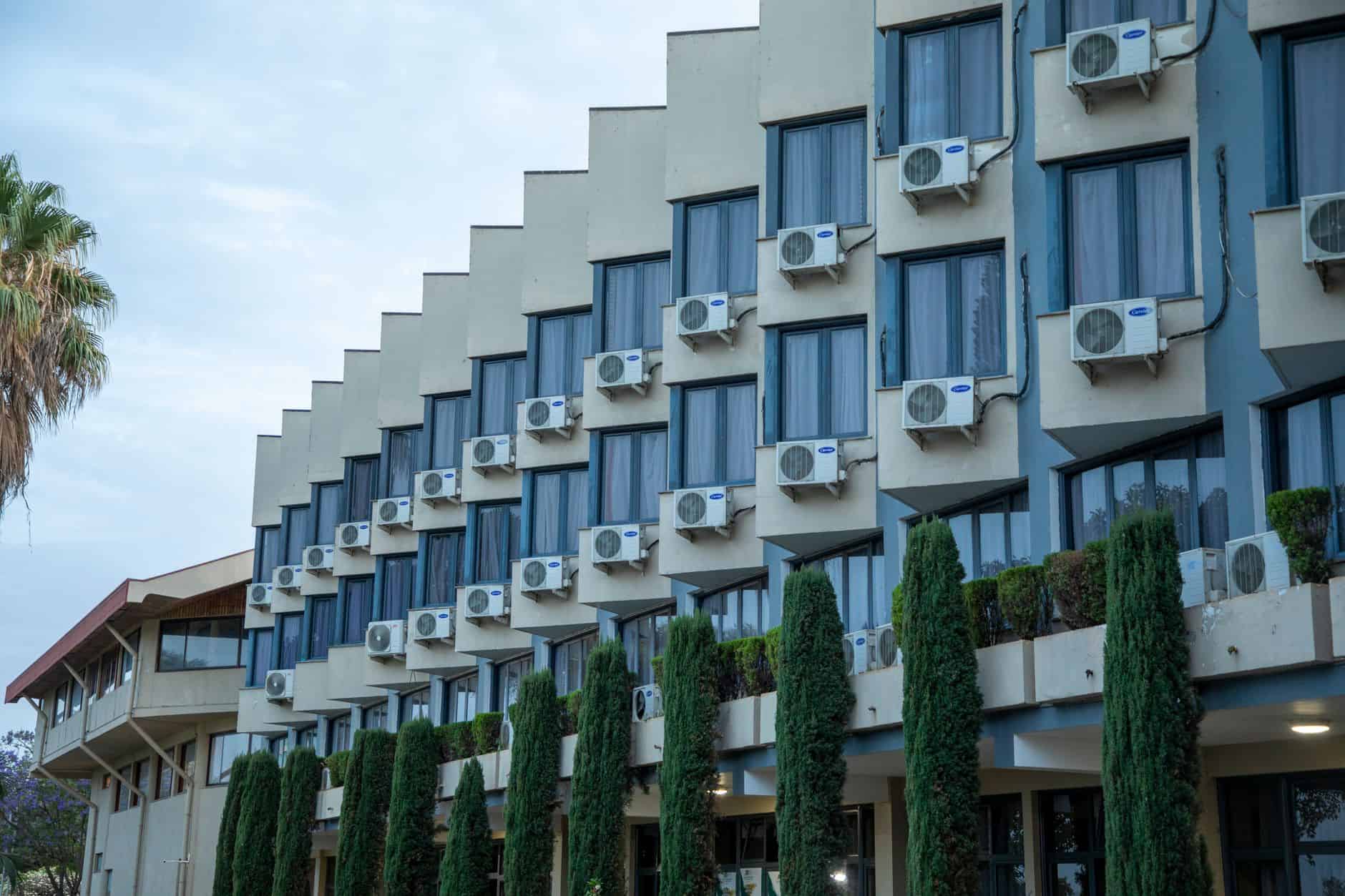
In most mid-range American hotels, your room’s climate is controlled by what’s called a PTAC unit — that boxy thing mounted under the window or on the wall near the ceiling. It’s a self-contained heating and cooling system that recirculates air from your room, not fresh air from outside.
Here’s the problem: that unit contains a filter, a coil, and a drain pan. All three collect moisture and debris. The filter catches dust, skin cells, pet dander carried in on luggage, and mold spores. The coil develops condensation that drips into the drain pan. If the drain pan doesn’t fully empty — and in high-humidity climates or older units, it often doesn’t — you get standing water.
Standing water in a warm, dark enclosed space is where Legionella bacteria thrives. Legionella is the organism that causes Legionnaires’ disease, a severe form of pneumonia. Outbreaks have been traced to hotel HVAC systems in multiple states. In 2019, a hotel in New York City was linked to a Legionella outbreak that infected 18 people. In 2022, a resort in Illinois reported cases linked to their water systems.
Beyond Legionella, the filters in PTAC units are often not changed between guest stays. Some hotels clean them monthly. Some clean them quarterly. Some clean them when someone complains.
What you can do:
- When you arrive, look at the PTAC unit. If there’s visible dust on the vents, that’s a sign the filter hasn’t been cleaned recently.
- Don’t point the airflow directly at your face while you sleep. Redirect the vents upward.
- If you’re immunocompromised or have respiratory issues, bring a small personal HEPA air purifier — the ones that fit in a carry-on bag have gotten genuinely good in the last few years.
- If the unit smells musty when you turn it on, call the front desk and ask for a room change or to have it serviced.
Ice Machines: The Hotel Amenity You Should Probably Never Use
The ice machine on your floor has been the subject of multiple health investigations, and the findings are not reassuring.
A 2019 investigation by the TV station KPRC2 in Houston tested ice from several Houston-area hotels and found coliform bacteria in samples from multiple properties. Similar investigations in other cities have found E. coli, mold, and yeast in hotel ice.
The issue is structural. Hotel ice machines are cleaned — but not often, and not always thoroughly. The typical recommended cleaning schedule is every six months. Many hotels follow it. Many don’t. The interior of an ice machine is wet, dark, and temperature-variable, which is exactly the environment where biofilm develops. Biofilm is a layer of microorganisms that adheres to surfaces and resists standard cleaning products.
Beyond the machine itself, the problem extends to the ice bucket in your room. That plastic bucket with the flimsy plastic liner sits in a cabinet or on a counter and is almost never washed between guests. Some hotels have switched to single-use plastic liners for the bucket. Many haven’t.
If you’re making cocktails in your room and you absolutely want ice:
- Ask the front desk if they have a restaurant or bar — their ice is held to health department standards because it goes into food service.
- Buy a bag of ice from a gas station or convenience store nearby — it sounds ridiculous but it’s a real option.
- Use the ice from the machine only with the included liner bag in the bucket, and don’t touch the ice directly with your hands.
The Remote Control Is the Single Dirtiest Object in Your Room
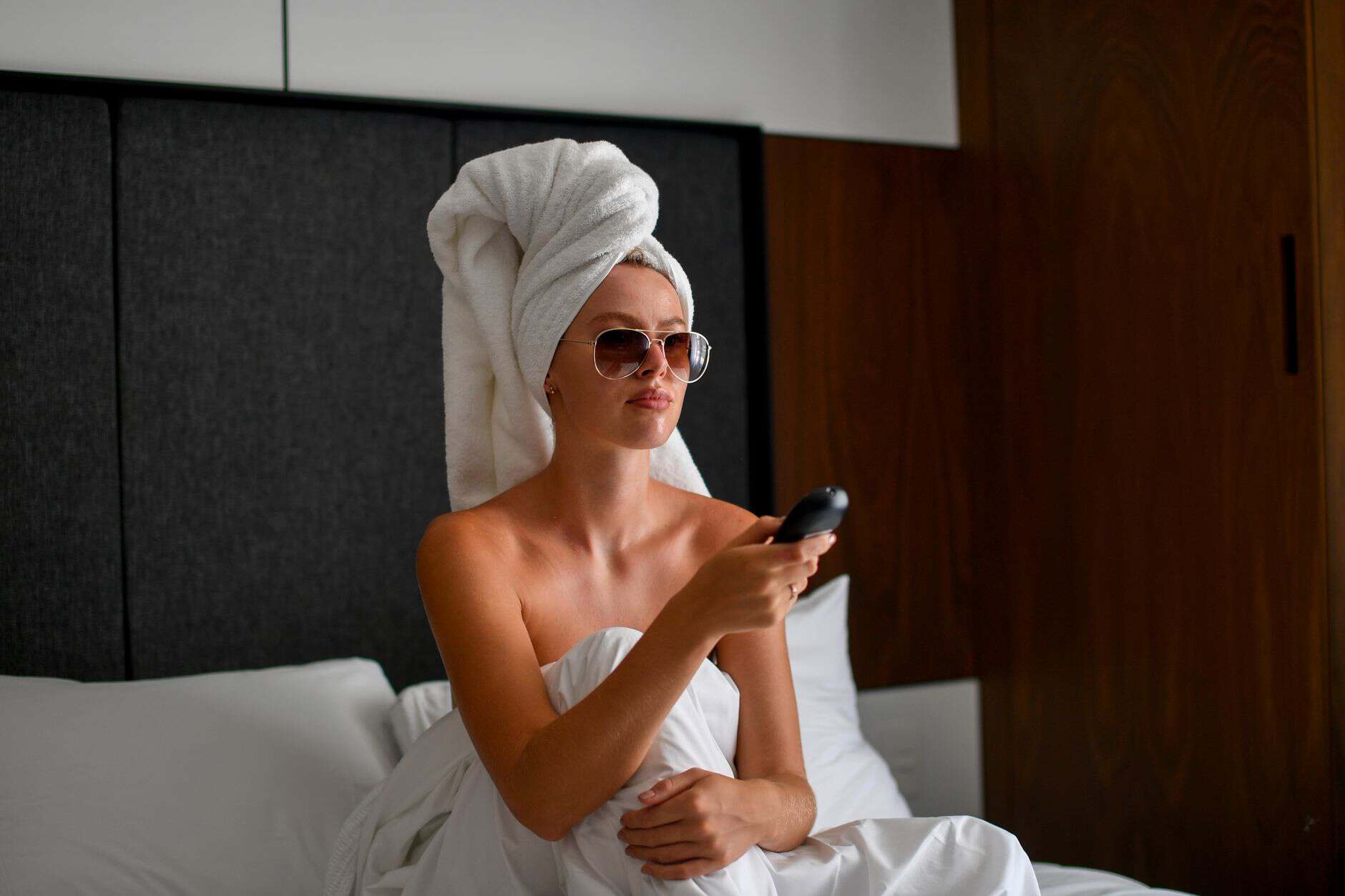
Multiple independent studies have confirmed what you already suspected: the TV remote control is the most contaminated surface in a hotel room.
A 2012 study published in the International Journal of Environmental Health Research swabbed surfaces in hotel rooms across multiple price categories and found that remote controls consistently had the highest bacterial counts — significantly higher than toilet seats, door handles, and light switches.
Why? Because everyone touches the remote, nobody washes their hands first, and the remote almost never gets disinfected during standard cleaning. The housekeeping protocol at most hotels involves wiping down the bathroom, making the bed, and vacuuming. The remote might get wiped with a cloth if the housekeeper is thorough. But cloth-wiping moves bacteria around more than it removes it.
The buttons on remotes are also a physical problem. The crevices between buttons trap organic material — skin cells, food residue — that a surface wipe can’t reach.
What to do:
- Wipe the remote with a disinfectant wipe when you arrive. This takes 10 seconds and genuinely helps.
- Bring a small pack of disinfectant wipes in your carry-on. Not for anxiety-driven compulsive cleaning, but for the remote, the faucet handles, and the light switches — the three highest-contact, lowest-cleaned surfaces in the room.
- Some travelers put the remote in a clear sandwich bag. This sounds neurotic but it works if you’re staying somewhere with a known cleanliness problem.
What Hotel Housekeeping Actually Does — vs. What You Imagine
Here is a realistic picture of what a hotel housekeeper does in a standard checkout room, based on industry training materials and former housekeeping staff accounts:
- Strip the bed and replace linens (this part is actually done thoroughly)
- Clean the toilet, sink, and shower or tub with disinfectant
- Wipe down the vanity counter
- Replace towels and toiletries
- Vacuum the floor
- Empty the trash
- Wipe the desk and nightstands (varies by property)
- Make the bed
Here is what is almost never done:
- Washing or sanitizing the bedspread or decorative throw pillows (these are often washed quarterly or less)
- Cleaning under the bed or behind the furniture
- Sanitizing the TV remote, telephone, or alarm clock
- Cleaning the HVAC unit
- Washing the ice bucket
- Wiping down the inside of closets, dresser drawers, or the safe
- Checking the mattress for bedbugs (this is not a housekeeper’s job in most properties)
This isn’t a condemnation of hotel housekeepers — they’re often given 20 to 30 minutes per room with a long list of tasks. The issue is systemic, not personal.
At higher-end hotels, the standard is somewhat better. But the fundamental protocol doesn’t change as much as the price would suggest.
The Surfaces That Never Get Cleaned (But Should)
Beyond the obvious remote and HVAC unit, there are specific hotel surfaces that are essentially never cleaned:
The Bedspread and Decorative Pillows
The duvet cover gets changed. The actual comforter underneath — if there is one — might be washed once a month or once a quarter at many properties. If you see decorative throw pillows on the bed, assume they have not been washed recently and remove them when you arrive.
The Shower Curtain
In budget and mid-range hotels with shower curtains rather than glass doors, those curtains accumulate mold and mildew around the bottom hem. The curtain might be replaced periodically, but “periodically” is doing a lot of work there.
The Carpet
Hotel carpets are vacuumed daily in many properties. They are deep-cleaned far less often. Don’t walk barefoot on hotel carpet — not because it’s dangerous, but because the accumulated debris from hundreds of shoes is genuinely unpleasant.
The Glasses and Mugs
This one was exposed in a famous 2007 undercover video that showed hotel staff wiping glasses with the same cloth used to clean the bathroom, then placing them back by the coffee maker. The industry has largely moved to individually wrapped plastic cups or paper cups for this reason, but some properties still use unprotected glassware. If the glass doesn’t have a paper or plastic seal on it, rinse it thoroughly before using it.
What You Can Actually Do About It Without Being Paranoid
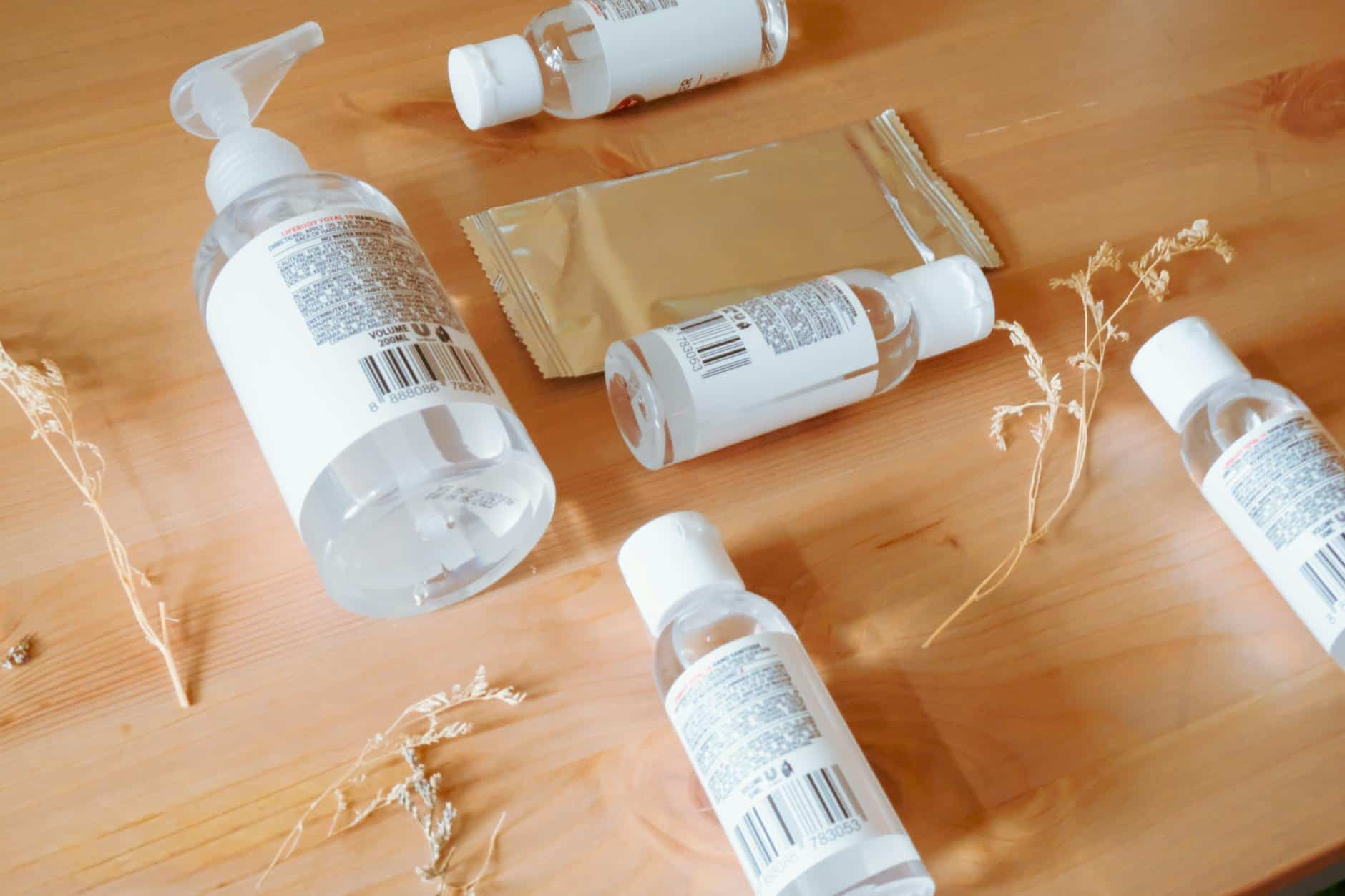
None of this means you need to arrive at your hotel in a hazmat suit. The vast majority of hotel stays don’t result in illness. But there are a few low-effort things that meaningfully reduce your risk:
- Pack disinfectant wipes — Wipe the remote, faucet handles, and light switches when you arrive. Five minutes of work.
- Pull back the bedspread — Sleep under the sheets, not under the decorative comforter. The sheets were laundered for you. The comforter probably wasn’t.
- Don’t use the ice machine — Or use it with awareness and the plastic liner bag.
- Look at the HVAC unit before you turn it on — If it’s visibly dirty, ask for a different room.
- Wash your hands more than usual — Especially before eating anything in the room. You’ve been touching surfaces that a lot of strangers have touched.
- Consider a personal HEPA purifier — If you travel frequently and often get sick after hotel stays, this is a worthwhile investment. Units small enough for carry-on luggage run $40–$80 and make a measurable difference in air quality in small rooms.
The hotel industry has made progress on cleanliness standards in recent years, partly driven by COVID-era scrutiny. Many brands now publish their cleaning protocols. If you’re curious about a specific property, you can ask the front desk what their PTAC cleaning schedule is. The answer — and how quickly they give it — will tell you something.