These Are the Completely Mundane Things That Land American Tourists in Foreign Jails Every Year
We may earn money or products from the companies mentioned in this post. This means if you click on the link and purchase the item, I will receive a small commission at no extra cost to you ... you're just helping re-supply our family's travel fund.
When Americans imagine getting arrested abroad, they picture something dramatic — drug smuggling, a bar fight, a political protest gone wrong. The reality is almost always more banal and more avoidable.
The US State Department handles thousands of American citizen arrest cases abroad every year. The causes are rarely dramatic. They’re prescription medications, photographs, open containers, and misunderstandings about what local law actually says. The scary part isn’t the crime. It’s that the tourist had absolutely no idea they were committing one.
Here’s a realistic tour of the actual, documented ways American travelers end up in foreign custody.
Prescription Drugs That Are Perfectly Legal Here and Felonies There

This is the big one, and it catches more Americans than any other category.
The US has some of the most permissive prescription drug laws for travelers in the world. You carry a pill bottle, you’re fine. That assumption does not travel with you.
Japan
Japan is the most commonly cited example because it’s a popular destination and the laws are genuinely strict. Several medications common in American medicine cabinets are controlled substances in Japan:
- Adderall and any amphetamine-based ADHD medication — Completely banned. Carrying it into Japan, regardless of your US prescription, is a criminal offense. This catches American college students and professionals with ADHD diagnoses regularly.
- Certain cold medications — Products containing pseudoephedrine (like some formulations of Sudafed) are controlled. Many Americans carry cold medicine in their toiletry bags without thinking about it.
- Some allergy medications — Certain antihistamine combinations are restricted.
The Japan Tourism Agency and the US Embassy in Tokyo both publish lists of prohibited medications, and American tourists are regularly detained at Tokyo’s Narita airport for these violations.
United Arab Emirates
Dubai and Abu Dhabi are hugely popular American destinations, and the UAE has strict drug laws that don’t align with US medical practice:
- Codeine, a common component of prescription cough syrup in the US, requires advance approval from UAE authorities to bring in.
- Tramadol, a mild opioid prescribed for pain management in the US, is controlled in the UAE.
- Even trace amounts of marijuana in your system — from legal use in your home state before you flew — can result in a positive drug test and criminal charges in some countries. The UAE is one of them.
What to actually do before you travel
- Look up your destination country’s prohibited drug list — the US Embassy website for each country usually has this, or the country’s official customs agency does.
- Carry your original prescription bottle, not a pill organizer.
- Bring a letter from your doctor on official letterhead for any controlled substance.
- For countries with strict controls, contact that country’s embassy in the US before your trip and ask explicitly about your medications. Get the response in writing.
Photography Laws That Are Aggressively Enforced
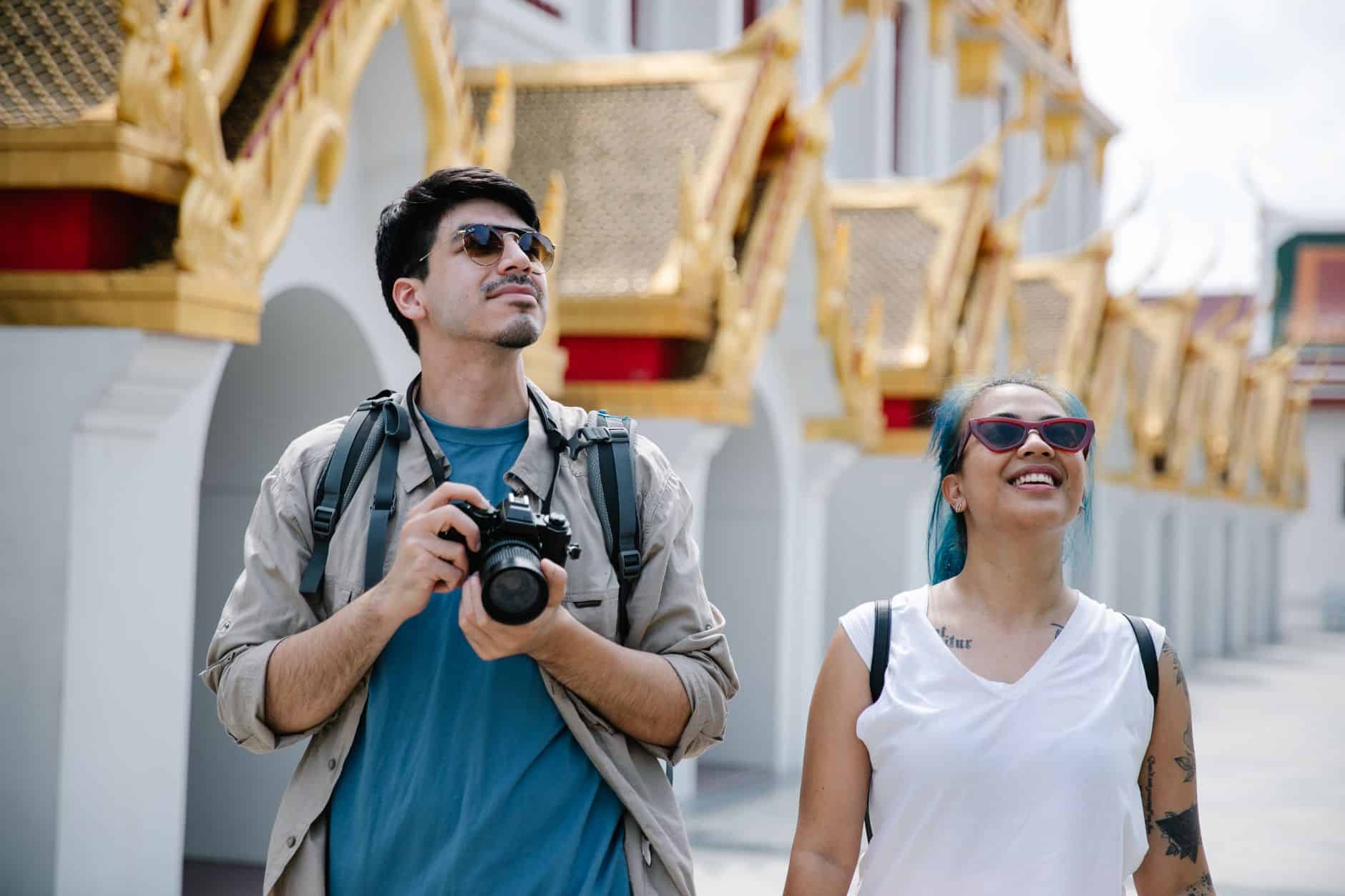
Americans photograph everything. It’s a cultural norm. In other countries, pointing a camera at the wrong thing can result in detention, confiscation of your equipment, or arrest.
Military and government infrastructure
In many countries, photographing military bases, government buildings, bridges, airports, train stations, or border areas is a criminal offense regardless of whether the building looks sensitive to you. This includes:
- Morocco — Photography of military or royal facilities is prohibited and enforced.
- Egypt — Photographing anything near a military installation is illegal. The definition of “near” is interpreted broadly by authorities. Tourists have been detained for photographing the Nile from certain vantage points because a military building was in the frame.
- Russia and China — Both countries prohibit photography of certain government buildings, military facilities, and infrastructure even from public streets.
- Saudi Arabia — Photography of government buildings, palaces, and military sites is prohibited.
Religious sites and people
In some countries, photographing certain religious sites, ceremonies, or individuals without permission carries criminal penalties:
- In parts of the Middle East and Southeast Asia, photographing someone without their consent — especially women — can result in confrontation with authorities.
- In Bhutan, photographing monks or religious ceremonies without permission from site authorities can result in a fine or removal from the country.
The practical reality
Before you photograph anything in a foreign country that isn’t obviously a tourist attraction, ask yourself if there’s a sign, if the location has a security presence, or if it might be infrastructure-related. When in doubt, don’t.
Public Intoxication and Open Container Laws That Are Not Like America’s
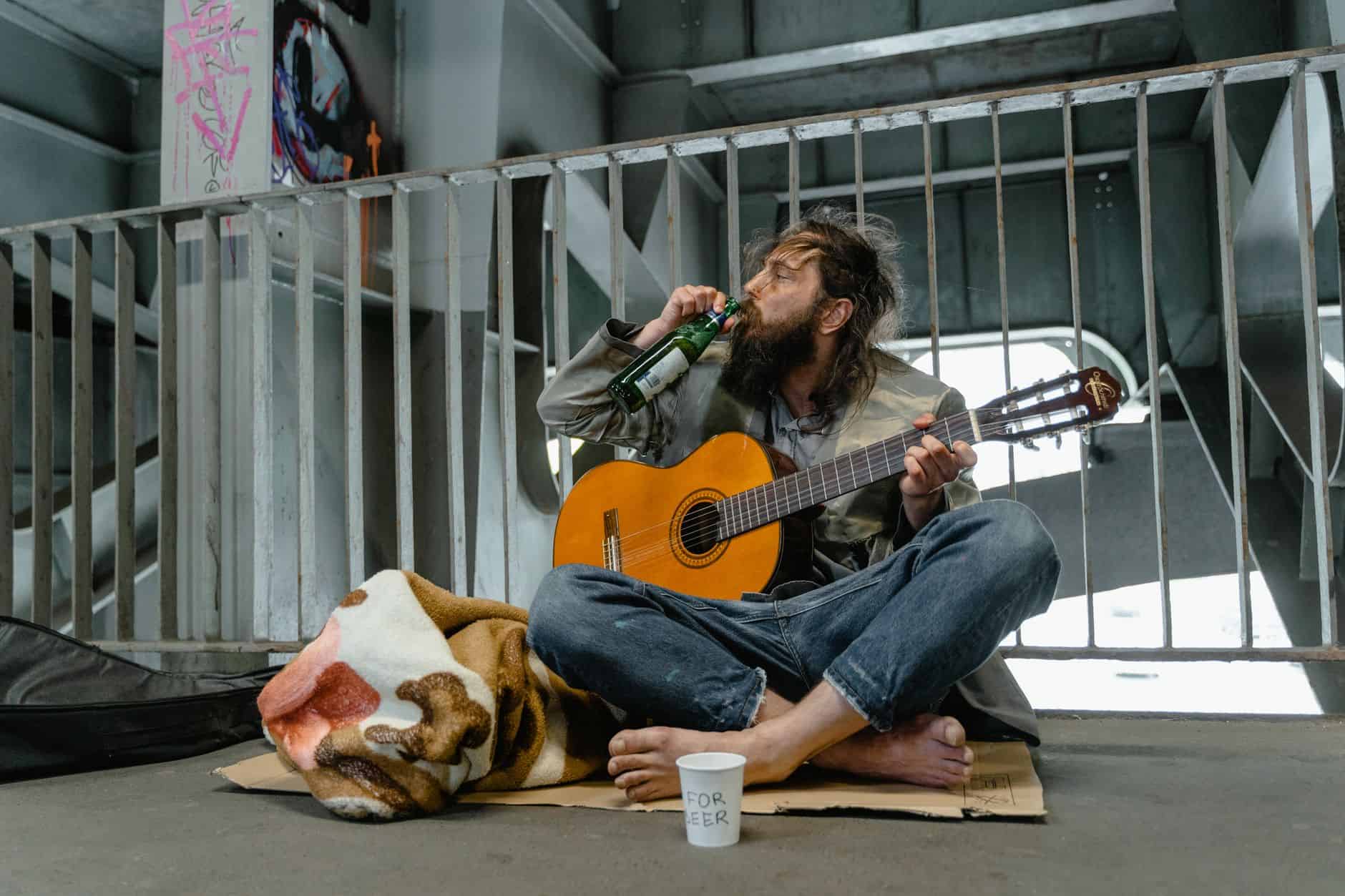
Americans are accustomed to a permissive approach to public drinking in some cities and a relatively light-touch approach in others. Much of the rest of the world does not share this approach.
Countries where public drinking is illegal
- United Arab Emirates — Drinking in public outside of licensed venues (bars and hotel restaurants) is illegal. Being visibly drunk in public is a separate criminal offense. Americans have been arrested at Dubai airports for being intoxicated after flights from connecting cities.
- Singapore — Drinking in public is banned between 10:30 PM and 7 AM. Violations carry fines and potential arrest.
- Indonesia (particularly Bali) — Bali’s legal drinking environment can feel deceptively permissive in tourist areas, but Indonesian law technically prohibits public intoxication and it is selectively enforced.
- Thailand — Alcohol consumption near temples and schools is prohibited. Being publicly intoxicated in or near a temple is taken seriously.
The bar-to-street problem
In the US, you know you can’t take your drink out of the bar. In many European cities, you can — it’s normal and accepted. In many other cities globally, you cannot, and the tourist assumption that it’s fine because you’ve seen locals doing it is wrong. Locals know which streets and situations to avoid.
Dress Code Violations That Carry Criminal Penalties
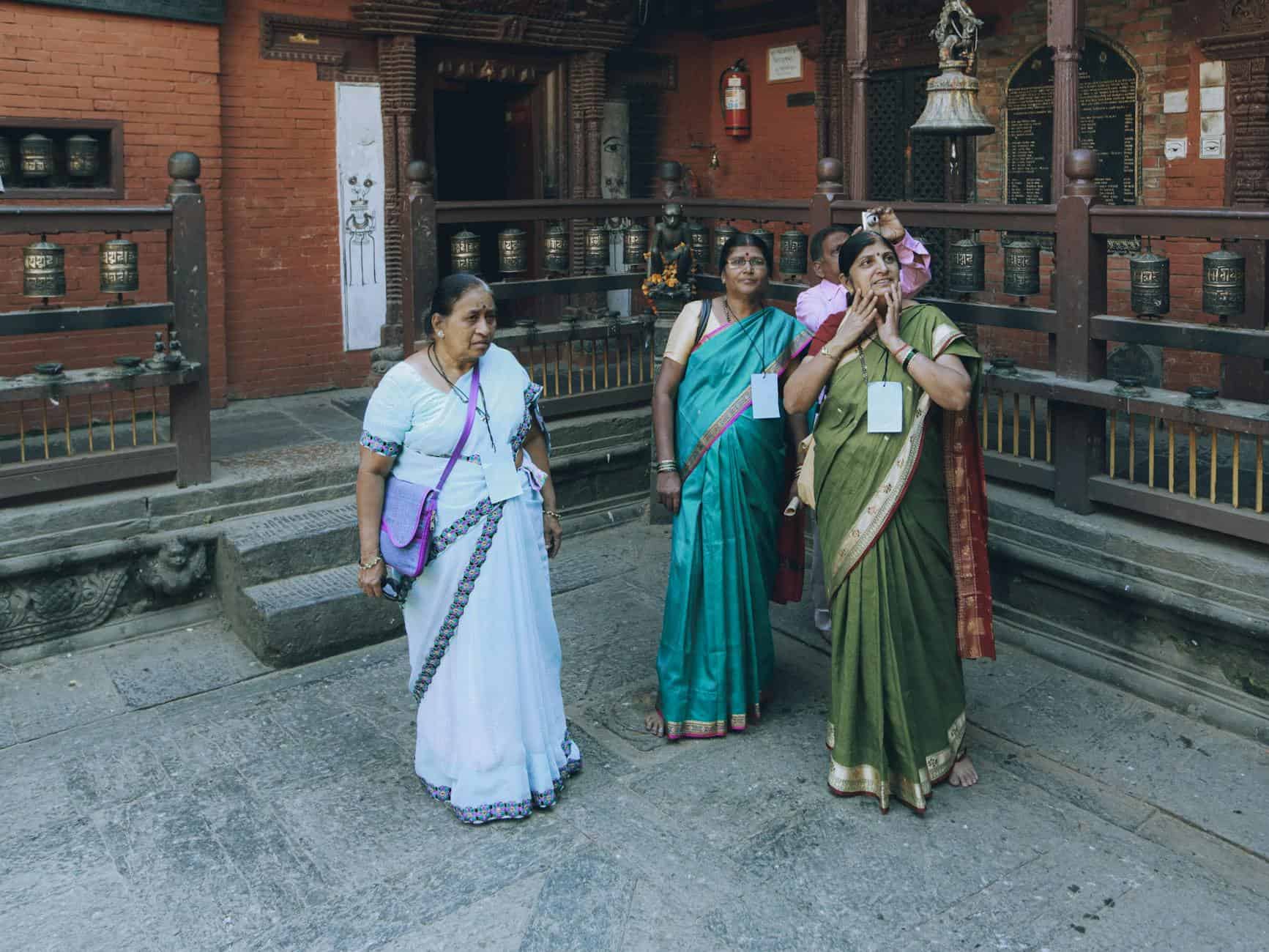
This is most relevant in Southeast Asia and the Middle East, but it applies globally:
- Indonesia — In 2024, a new criminal code passed in Indonesia that makes it illegal to have sex outside of marriage. American tourists in Bali were specifically mentioned in international coverage of the law. Enforcement against tourists remains unclear, but the law exists.
- Malaysia and Brunei — Entering a mosque or religious site improperly dressed is illegal, not just rude. Shorts, bare shoulders, and uncovered hair (for women) are enforced by site authorities and can result in police involvement.
- Saudi Arabia — Women are now permitted to dress without full coverage in tourist areas, but public behavior laws remain strict. Public displays of affection can result in arrest for both parties, regardless of marital status.
- Sri Lanka — Getting a tattoo of a Buddhist image or posing disrespectfully with a Buddha statue is illegal. A British tourist was deported in 2014 for a Buddha tattoo. This law is actively enforced.
The Electronic Devices Problem
This category is growing as countries become more aggressive about data privacy and espionage concerns:
- Satellite phones — Bringing a satellite phone into India, China, Russia, or several Middle Eastern countries without prior authorization is illegal.
- Encrypted devices — Some countries require travelers to provide device passwords to customs officials. Refusing can result in detention of the device and, in some cases, detention of the person.
- Drone laws — This is the fastest-growing source of tourist arrests in the photography/technology category. Countries including Morocco, Egypt, India, Bhutan, and Cuba require advance permits for drones. Showing up with a DJI Mini in your bag without a permit can result in the drone being confiscated and you being detained, fined, or arrested. The laws vary dramatically — in some countries it’s a fine, in others it’s a criminal charge.
What the US Embassy Can and Cannot Do for You
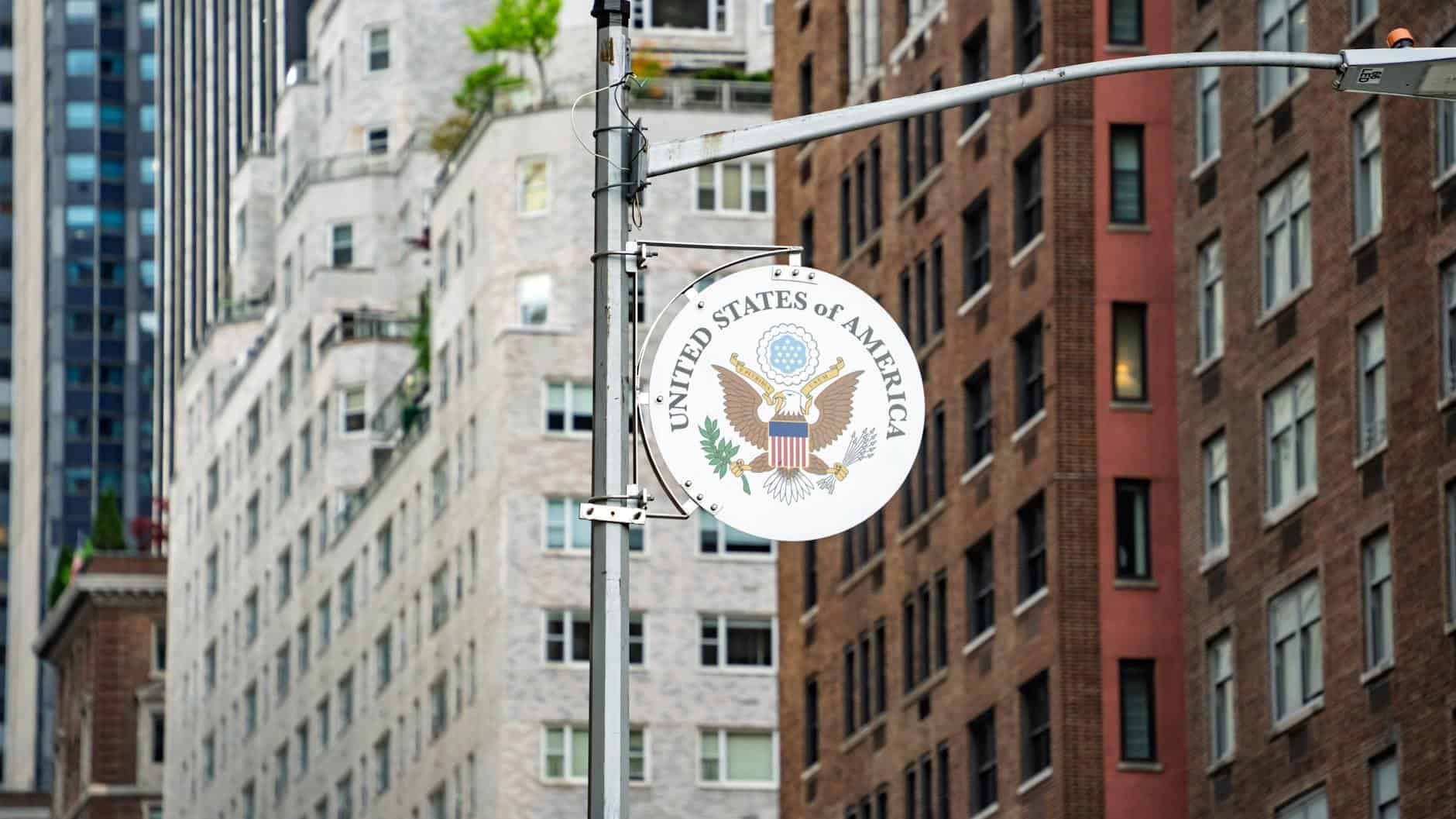
If you’re arrested abroad, the first thing you should do is ask to contact the nearest US Embassy or Consulate. This is your right under the Vienna Convention and most countries honor it.
Here’s what the embassy can do:
- Visit you in detention and confirm your well-being
- Provide a list of local attorneys
- Notify your family
- Help with emergency financial transfers if you have no access to funds
- Advocate for fair treatment under local law
Here’s what the embassy cannot do:
- Get you out of jail — they cannot override local law
- Pay for your legal fees
- Guarantee you a lawyer or translator at their expense
- Intervene in the legal proceedings against you
The embassy is not a get-out-of-jail-free card. It’s a consular support service. If you’re arrested in Japan for carrying Adderall, the embassy will be sympathetic and helpful. You will still face Japanese criminal proceedings.
The Insurance and Legal Coverage You Actually Need Before You Go
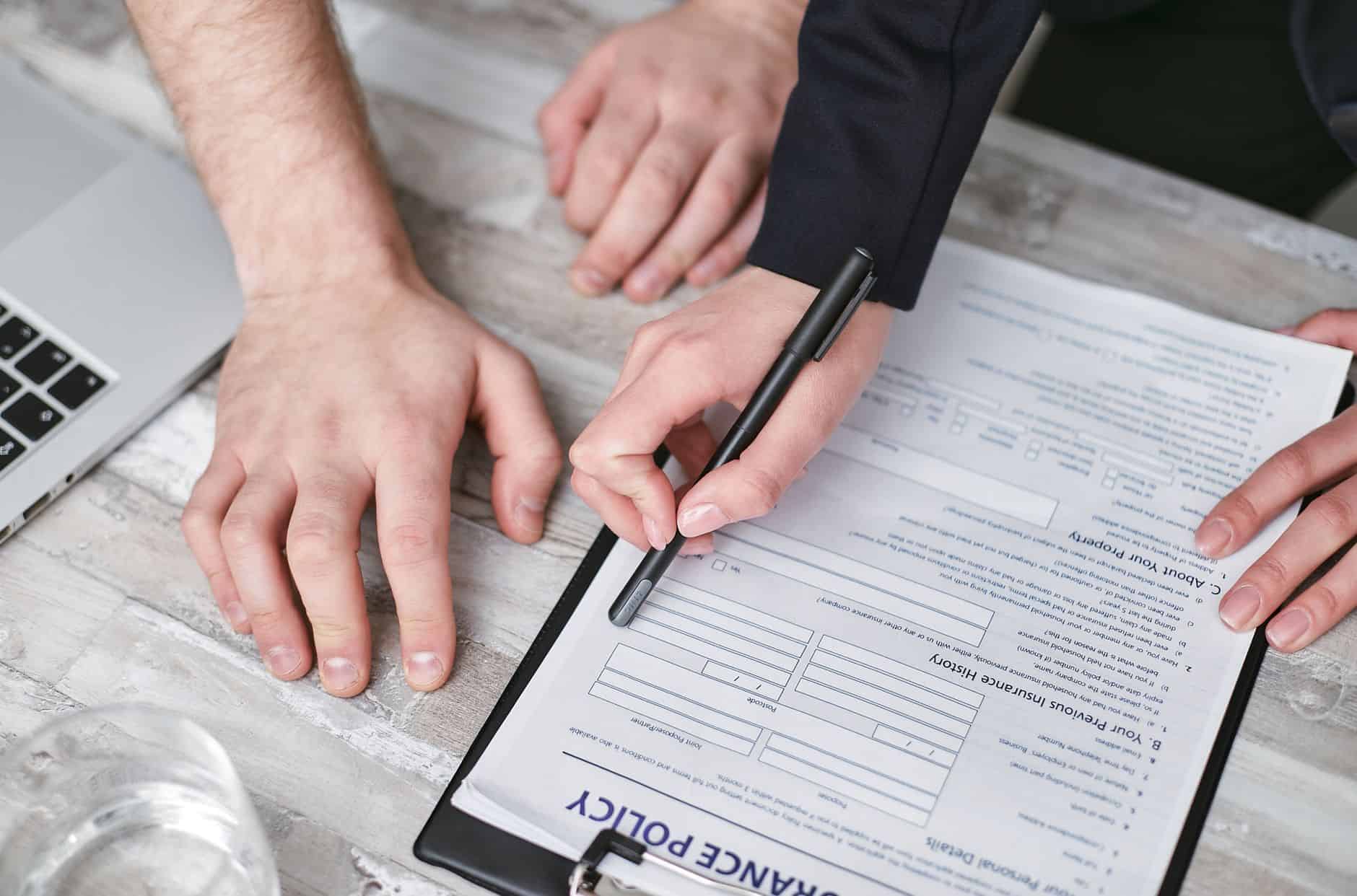
Standard travel insurance does not cover legal fees from arrest. This is a gap most travelers don’t know exists until they need it.
- Travel insurance with legal assistance riders — Some comprehensive travel insurance policies include access to legal referral services and emergency legal assistance. Read the policy carefully before assuming this is included.
- Credit card travel protections — Premium travel credit cards (Chase Sapphire Reserve, Amex Platinum) include some travel assistance services that can connect you with local attorneys. They don’t pay the attorney, but they can find one.
- State Department STEP program — Register your trip with the Smart Traveler Enrollment Program before you go. It’s free, takes five minutes, and means the embassy knows you’re there and can contact you or your family in an emergency.
The actual lesson here is simple: every country has its own laws, and your home country’s legal norms don’t follow you to the gate. Thirty minutes of research before a trip — specifically looking up drug laws for your medications, photography restrictions, and public behavior laws — is the difference between a trip and a crisis.