The 2025 Travel ‘Dream Destinations’ on Instagram vs. What You Actually Find When You Show Up
We may earn money or products from the companies mentioned in this post. This means if you click on the link and purchase the item, I will receive a small commission at no extra cost to you ... you're just helping re-supply our family's travel fund.
Instagram has created an interesting category of destination: the place that is genuinely beautiful and absolutely cannot absorb the volume of people it now attracts. The algorithm found the best photo, showed it to 40 million people, and now there’s a two-hour queue to stand in the exact spot where that photo was taken while 300 other people wait behind you.
This isn’t a rant about tourists — we’re all tourists. It’s a practical guide to what specific, heavily-promoted destinations actually look like when you arrive vs. what the curated feed shows you, so you can plan with accurate expectations.
Santorini, Greece: The Blue Dome Queue You Didn’t See Coming
The Instagram Version
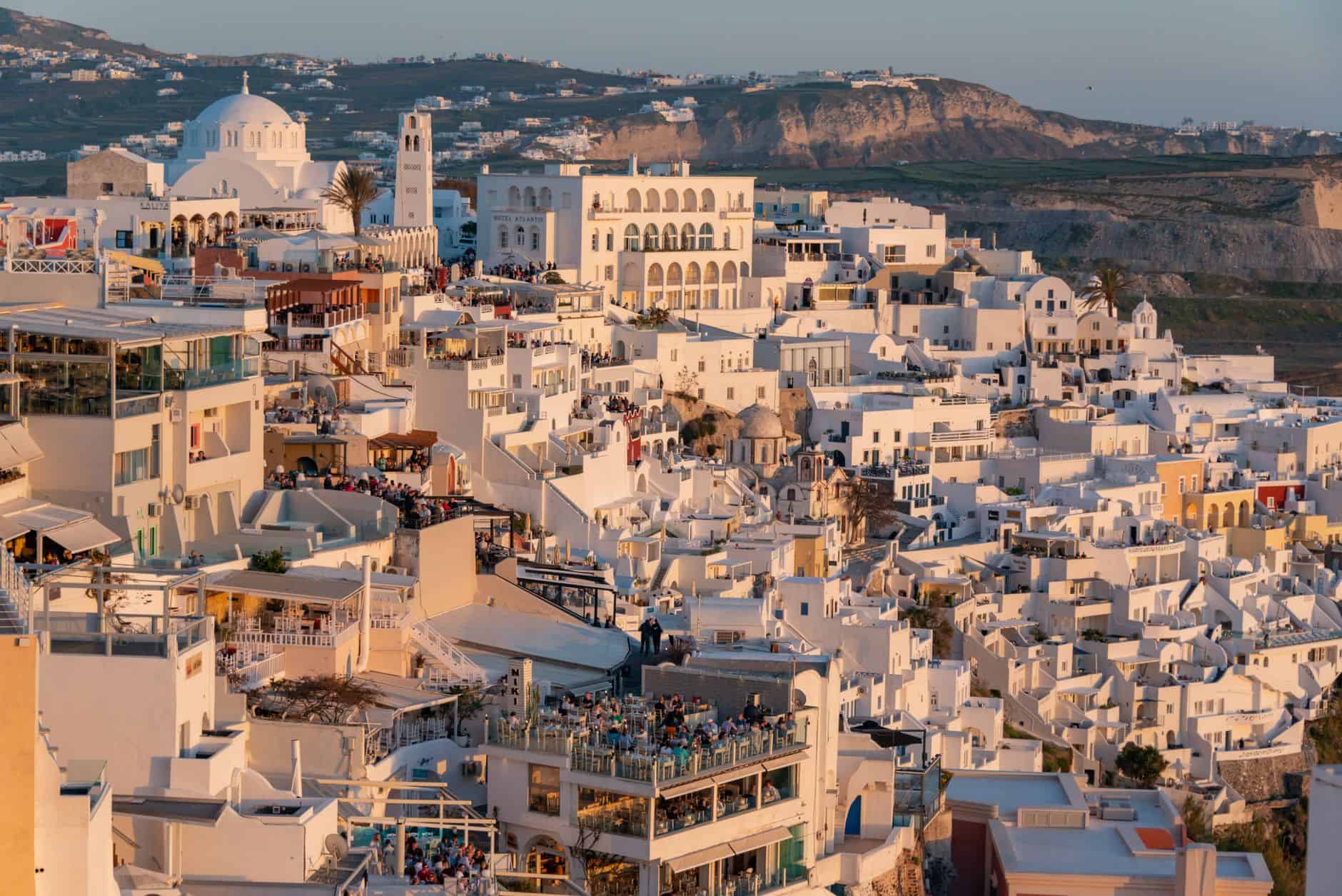
The iconic Oia photo: white buildings, blue domes, the caldera behind, nobody in the frame except possibly one model-beautiful person with their back to the camera in a flowy dress.
The Reality
Oia gets approximately 15,000 visitors per day in peak season (July–August). The specific alley with the three blue domes — Anastasis Church — has photographers lined up before dawn. By 9am, getting a clean shot without other people in frame requires either a $400+ drone permit or extensive cropping. The “sunset from Oia” experience, which every travel account promotes, involves approximately 3,000 people sitting on the same wall simultaneously, and cruise ship crowds that make movement through the narrow streets slow and uncomfortable.
What’s Still Worth It
Santorini is genuinely beautiful and worth visiting — the caldera views, the wine, the food. The experience just requires calibrating expectations. The blue dome photo requires an early-morning arrival before cruise ships disembark (typically before 8am). Fira and Imerovigli offer caldera views with fewer people. Perissa beach is excellent. The problem is specifically the density, not the destination.
Cinque Terre, Italy: Five Villages, Zero Parking, Infinite People
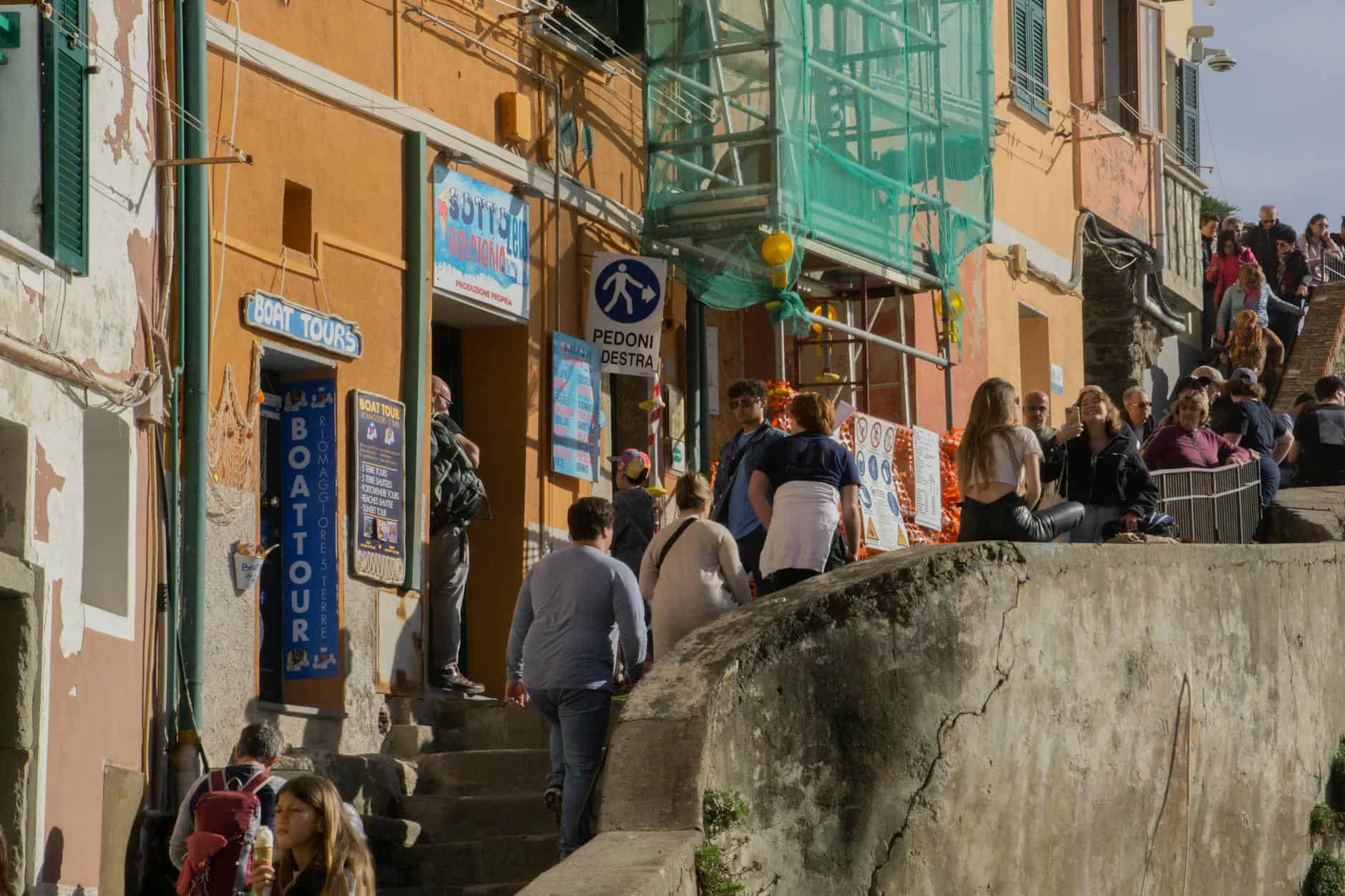
The Instagram Version
Colorful pastel buildings stacked vertically above turquoise Mediterranean water. Empty hiking trails between villages with epic views. A serene Italian coastal village experience.
The Reality
The famous Manarola cliff view — probably the most-photographed spot in all of Italy — has a dedicated viewing platform that is occupied wall-to-wall from approximately 10am to 6pm from May through October. The hiking trails between villages require reservations (introduced specifically because of overcrowding). The train between villages runs every 15–20 minutes and is often standing-room-only in summer. The villages themselves are beautiful but receive so many tourists that the actual local experience — seafood, wine, a quiet piazza — is hard to access without an early start or an off-season visit.
What’s Still Worth It
Cinque Terre in May (before Italian schools let out) or October (after they go back) is genuinely excellent. The coastal trail hike with morning light and fewer people is the version the photos show. Vernazza in the early evening after the day-trippers leave is one of the best small-town experiences in Europe. The food — pesto, fresh seafood, Sciacchetrà wine — is exceptional. The crowds are the variable.
Bali’s Rice Terraces: The Swing Has a 3-Hour Wait
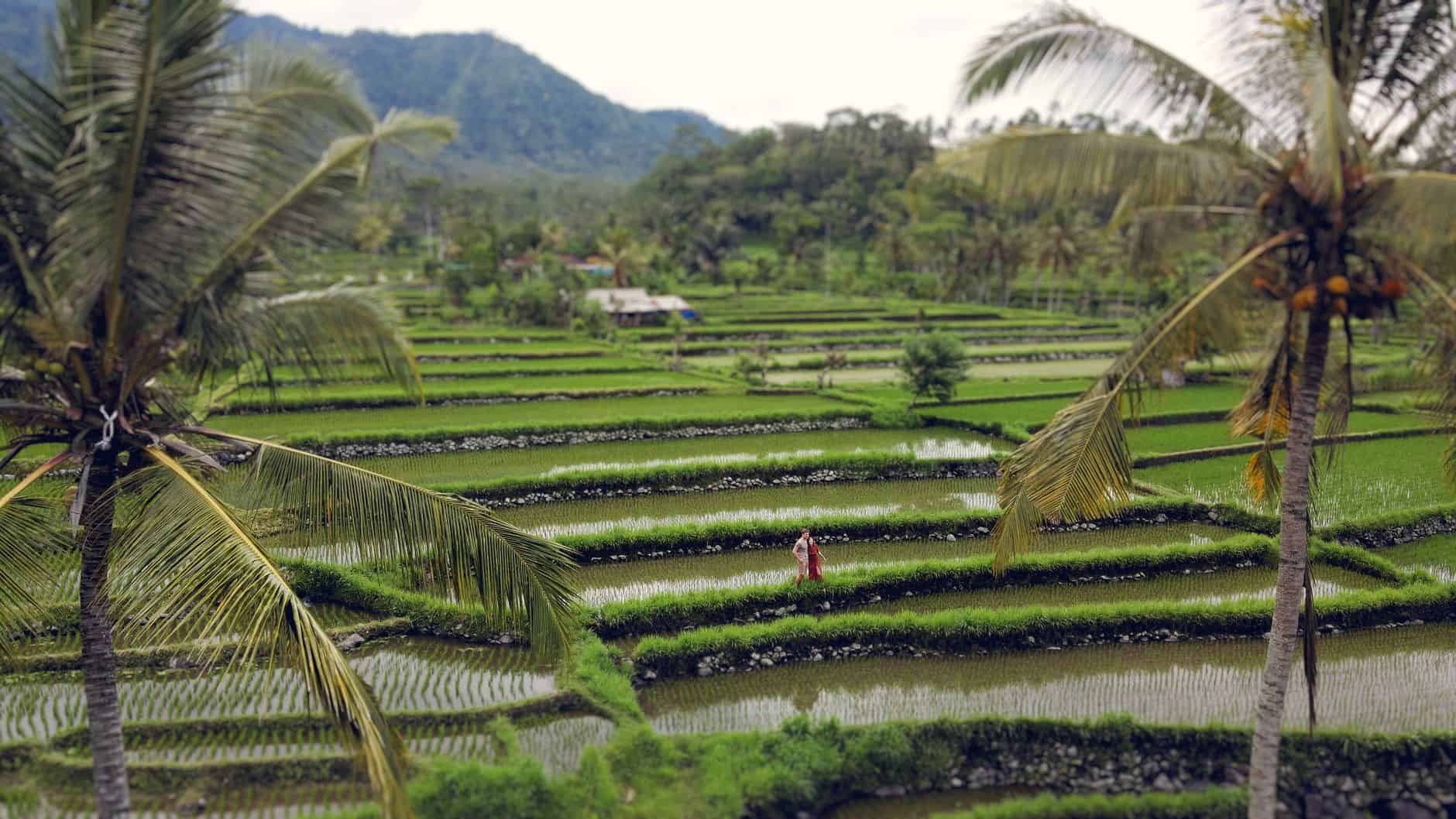
The Instagram Version
A person on a wooden swing hanging over impossibly green rice terraces, seemingly suspended in the sky, alone with nature.
The Reality
The Bali swing (and its many imitators near Ubud) is an Instagram prop you pay $35–$60 to use for 10 minutes. The line on weekends runs two to three hours. The rice terraces behind the swing — specifically Tegalalang — are surrounded by cafes and photo operations that charge an entrance fee and add increasing amounts of tourist infrastructure every year. The actual terraces are beautiful. The ecosystem built around photographing them is a fully developed commercial operation.
The Jatiluwih rice terraces, further from Ubud and less accessible, look considerably more like the Instagram photos — a UNESCO-listed working agricultural landscape with dramatically less commercial development. Most visitors skip it because it requires a longer drive.
What’s Still Worth It
Bali’s spiritual and cultural infrastructure — the temples, the ceremonies, the genuine hospitality — is everything the photos suggest. Ubud’s food scene is excellent. The beaches at Seminyak and Canggu are world-class. The specific “swing over rice terraces” experience is just a queue for a photo prop.
Iceland: Beautiful, Cold, and Thoroughly Organized for Visitors
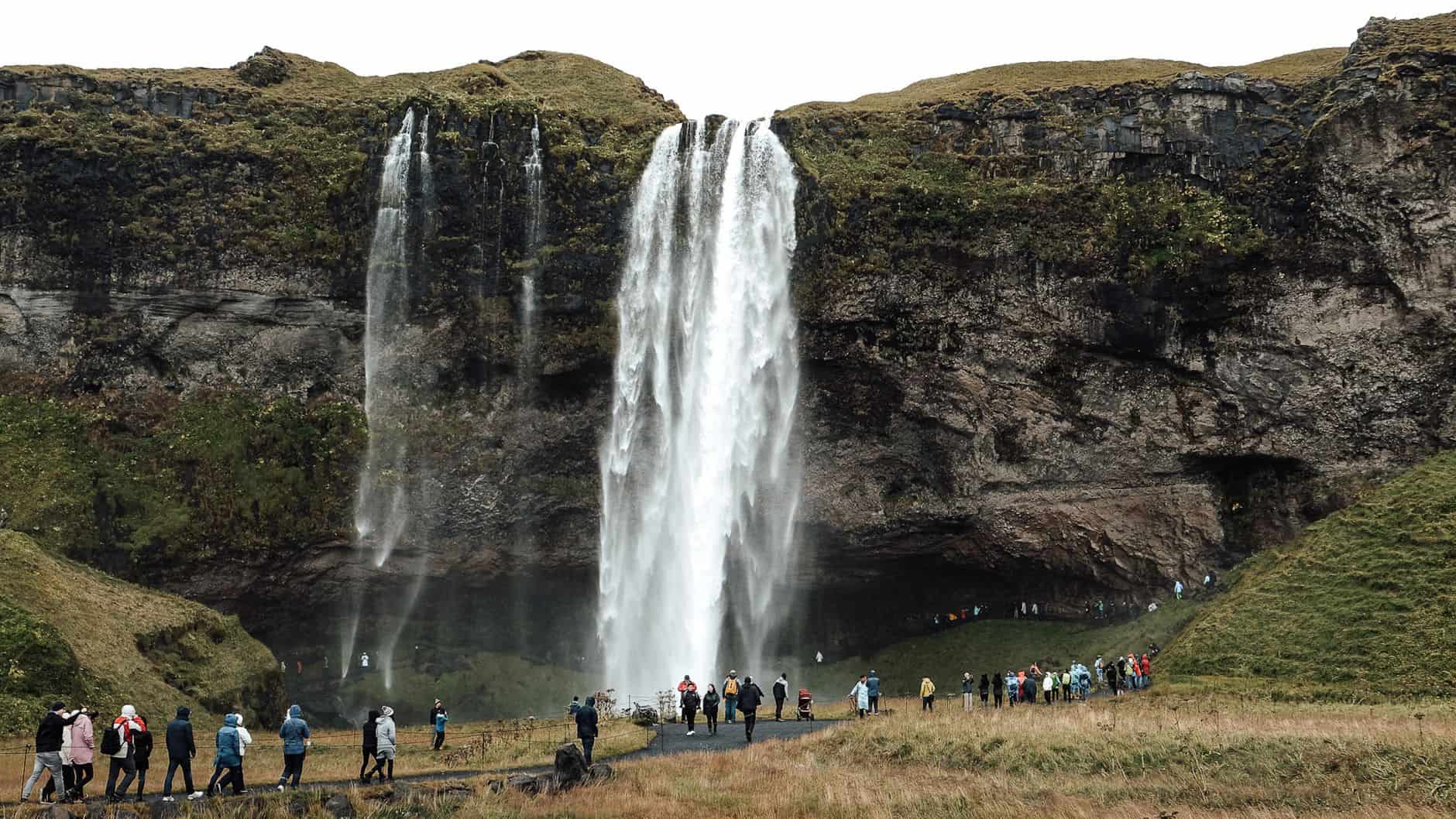
The Instagram Version
Absolutely otherworldly — black sand beaches, northern lights over isolated landscapes, geothermal pools in snowy wilderness.
The Reality
Iceland is genuinely as spectacular as the photos suggest — this is one of the few heavily-promoted destinations where the reality holds up. The caveats are organizational rather than aesthetic:
- The Blue Lagoon, Iceland’s most-Instagrammed attraction, requires advance booking (often weeks out) and costs $80–$165 per person. It’s a commercial development, not a wild geothermal pool, and it’s nearly always crowded.
- The black sand beach at Reynisfjara has warning signs about sneaker waves — waves that move significantly faster than they appear and have killed tourists who got too close. The dramatic photos of people standing close to the water are genuinely dangerous to replicate.
- Northern lights require dark skies, clear weather, and geomagnetic activity simultaneously. Average success rates for seeing them on a 4-day trip to Iceland are around 50–60%. Budget for the possibility of not seeing them.
- The Ring Road in summer is a caravan of rental campervans. It’s still beautiful, but the idea of driving it in isolation is not the current reality in July and August.
What’s Still Worth It
Almost everything. Iceland is one of the most spectacular destinations in the world. The Westfjords, visited by a fraction of Ring Road tourists, look exactly like the isolated Iceland photos. Winter visits (November–February) have fewer tourists and better northern lights odds. The Snæfellsnes Peninsula is genuinely undervisited relative to its quality.
The Places That Actually Look Like the Photos
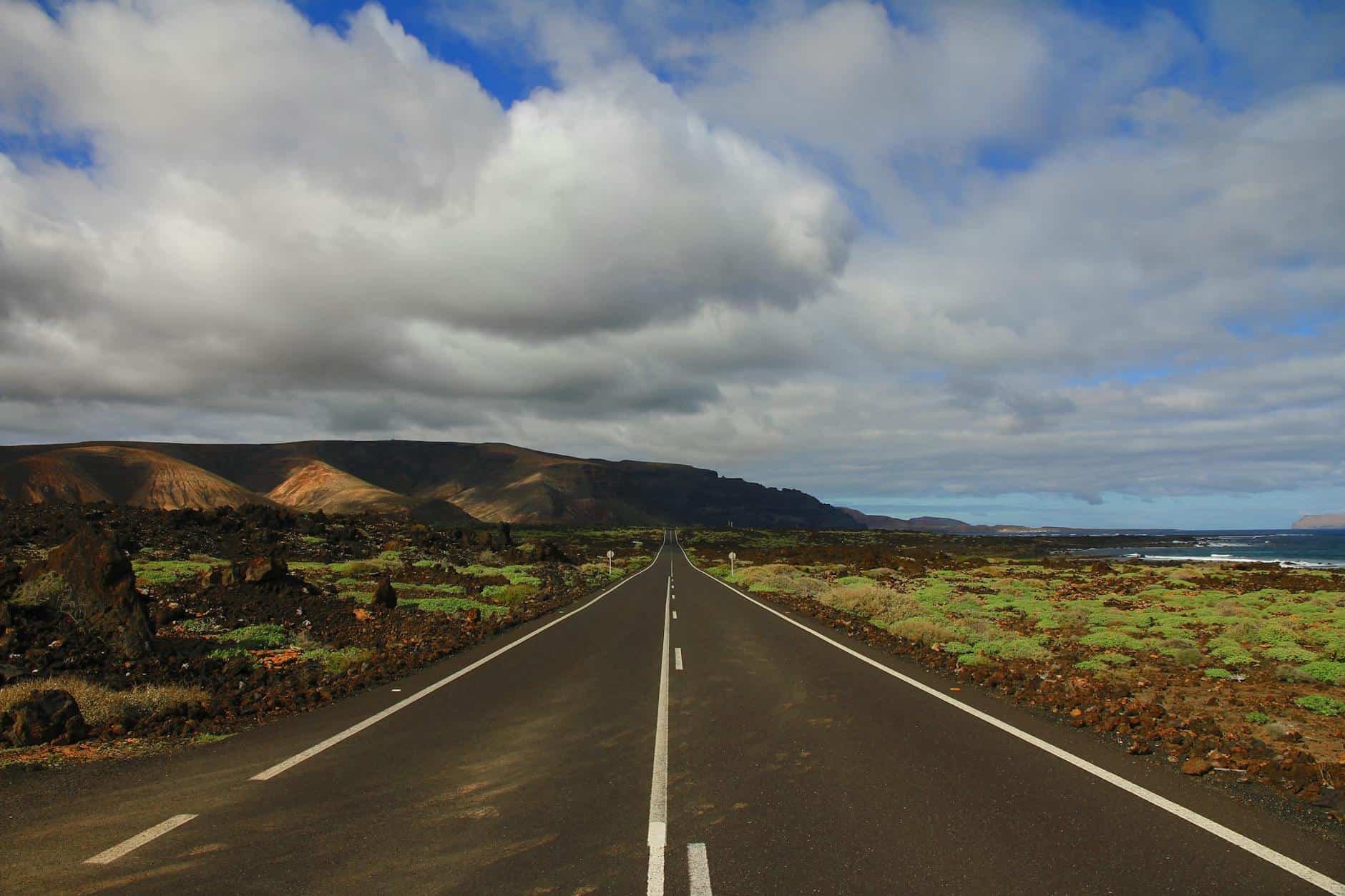
Some destinations that are actively promoted still deliver on the promise:
- Faroe Islands Between Iceland and Norway in the North Atlantic, the Faroes look exactly like the drone photos — dramatic sea cliffs, isolated villages, sheep on improbable cliffsides. Tourism exists but hasn’t yet hit the volume that crowds out the experience. Get there before Instagram finishes its work.
- Patagonia (Chile/Argentina) Torres del Paine and Los Glaciares are genuinely as spectacular as the photos, and while they require advance planning for permits and accommodation, the scale of the landscape absorbs visitors in a way that Santorini’s narrow streets cannot. The Ruta 40 in Argentina, the Carretera Austral in Chile — these deliver on every photo.
- Kyoto in November The fall foliage photos of Kyoto are real and accurate — you can get that shot, it does look like that. The challenge is purely scheduling: it requires being there in the third or fourth week of November during peak foliage. Outside of that window, it’s a beautiful city without the specific color. Within it, it genuinely looks like the feed.
- The American Desert Southwest in October Antelope Canyon, the Wave, Horseshoe Bend — these look exactly like the photos. The Wave requires a lottery permit. Horseshoe Bend now has a parking fee and trail, but the view is unchanged. Antelope Canyon requires a Navajo-guided tour. All three are worth the logistics.
The lesson from all of this isn’t “don’t go to popular places.” It’s: go in with accurate expectations about what the experience will be, go at the right time of year and right time of day, and be willing to walk past the photo queue to find the version of the destination that’s actually available to you.