The Hotel Minibar Is a $22 Pringles Scam — Here’s the Exact Psychology Trick That Gets You Every Time (And How to Beat It)
We may earn money or products from the companies mentioned in this post. This means if you click on the link and purchase the item, I will receive a small commission at no extra cost to you ... you're just helping re-supply our family's travel fund.
Let me tell you about the $22 Pringles.
I was in Chicago, dead-tired after a nine-hour travel day, flopped on a king bed in a downtown hotel I’d paid $289 a night for. The minibar gleamed at me from across the room. I wasn’t even hungry. But there they were — a small tube of Pringles, the kind that costs $1.79 at any gas station in America. I ate them. I paid $22 for them.
The bill showed up on checkout and I genuinely laughed. Then I got mad. Then I started researching exactly how hotels got away with this, and what I found was more infuriating than the Pringles.
The Actual Numbers: What a Minibar Item Costs vs. What You’re Charged
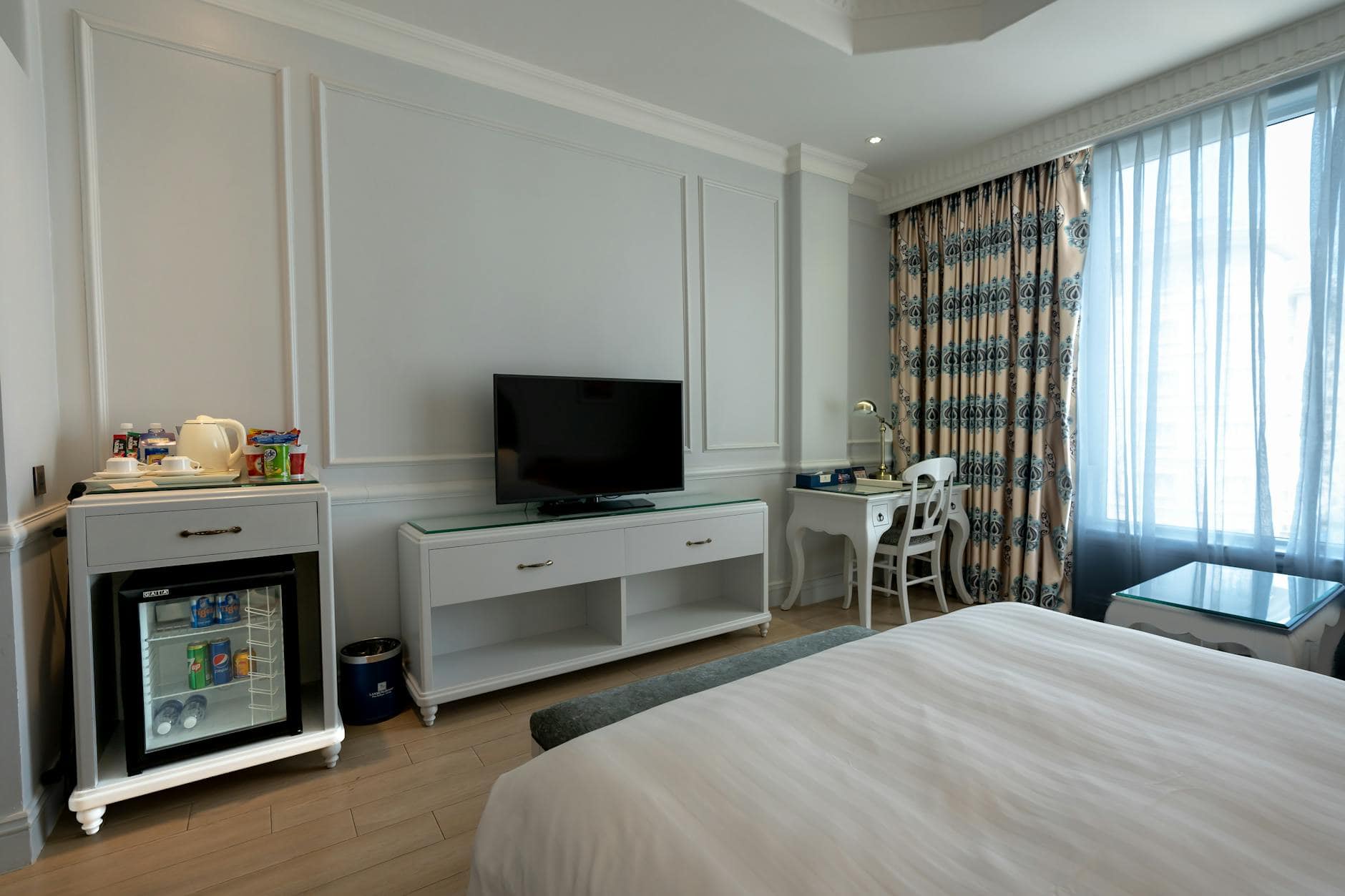
Let’s do the comparison honestly, side by side. The prices below reflect real documented minibar rates from major US hotel chains (Marriott, Hilton, Hyatt, and independents), compared to CVS or gas station retail:
- Water (500ml bottle) Minibar: $6–$9. Gas station: $1.50. Markup: 400–600%.
- Pringles (small tube) Minibar: $12–$22. Grocery store: $1.79. Markup: 670–1,200%.
- Kit Kat (standard bar) Minibar: $8–$14. CVS: $1.49. Markup: 537–939%.
- Beer (domestic, 12oz can) Minibar: $9–$16. Convenience store: $1.50–$2. Markup: 450–800%.
- Wine (small 187ml bottle) Minibar: $16–$28. Liquor store equivalent: $4–$6. Markup: 300–600%.
- Mixed nuts (small bag) Minibar: $11–$18. Grocery store: $2.50. Markup: 440–720%.
- Soft drink (can) Minibar: $5–$8. Vending machine in same hotel: $2.50. Markup: 100–220% above the already-overpriced option 40 feet away.
- Tylenol (2 tablets) Minibar: $6–$10. Walgreens: $0.30 equivalent. Markup: 2,000–3,300%.
That Tylenol markup is not a typo. Hotels have been charging $6 for two Tylenol for decades. The fact that this is legal and normalized tells you everything about the power dynamic in a hotel room.
The average minibar markup across all items is roughly 500–700%. A fully stocked minibar that costs the hotel $40–$60 in wholesale goods would run you $300–$400 if you cleaned it out.
The Psychology Trick That Makes You Open It Anyway
So why do people keep using minibars? The hotel industry has spent decades engineering exactly this outcome.
Here’s the mechanism, broken down:
- The Mental Accounting Collapse When you’ve already spent $289 on a room, your mental accounting framework is blown. The brain doesn’t process a $9 water as a standalone purchase anymore — it registers it as a rounding error on a large transaction you’ve already committed to. Behavioral economists call this “cost anchoring.” The hotel sets a high anchor (your room rate), and everything else seems proportionally smaller against it.
- The Convenience Tax You’re Willing to Pay Economists have studied how willingness to pay spikes dramatically when convenience is the variable. You know there’s a CVS two blocks away. But you’re in pajamas, it’s midnight, and you don’t want to put shoes on. Hotels bet on exactly this friction — and they win constantly.
- Decoupled Payment You don’t pay at the moment you consume. It goes on your room tab, presented on checkout as a single line item. Studies on consumer psychology consistently show that decoupled payment reduces pain-of-purchase by 30–40%. The Pringles don’t feel like $22 when you’re eating them — they feel like nothing, because no money has left your hand.
- The Scarcity of Alternatives When You’re Impaired Hunger and fatigue are both forms of cognitive impairment. A tired traveler at 11 PM makes measurably worse financial decisions than that same person at 10 AM. Hotels know check-in peaks between 4–9 PM, and minibar consumption spikes between 10 PM and 1 AM. This isn’t coincidence.
- The Sensory Setup Minibar placement isn’t random. Items are backlit, face-forward, and positioned at eye level. In many luxury hotels, the minibar is in a dedicated built-in cabinet designed to look like furniture — normalized, not obviously commercial. You don’t “go to the store,” you just… notice something appealing in your room.
How Hotels Evolved the Minibar to Be Even More Predatory
The classic minibar was a fridge you had to open manually. You could browse, put things back, and not get charged if you replaced items undisturbed.
Then came the sensor-triggered minibar.
These systems use weight sensors or infrared motion detection. Lift an item for more than a few seconds — even if you’re just reading the label — and you may be auto-charged. Several major Hilton and Starwood properties deployed these in the 2000s and 2010s, and the guest complaints were immediate and severe. Some hotels walked back the aggressive triggering, but the technology is still in use.
Now there’s another evolution: the curated minibar. Instead of a fridge with Snickers and Sprite, you get artisanal local goods, premium chocolates, branded spirits, CBD gummies, and $38 “local honey.” The markup is the same, but the framing is different. You’re not being gouged — you’re “experiencing local culture.” The guilt is replaced with aspiration.
Five-star hotels have leaned entirely into this model. At some Ritz-Carlton and Four Seasons properties, minibar items are presented in branded packaging, individually explained by the concierge at check-in, and framed as part of the “bespoke experience.” You pay $34 for a 2oz bottle of cold brew coffee from a local roaster — and you feel good about it.
The Real Reason You Crack It Open at 11 PM
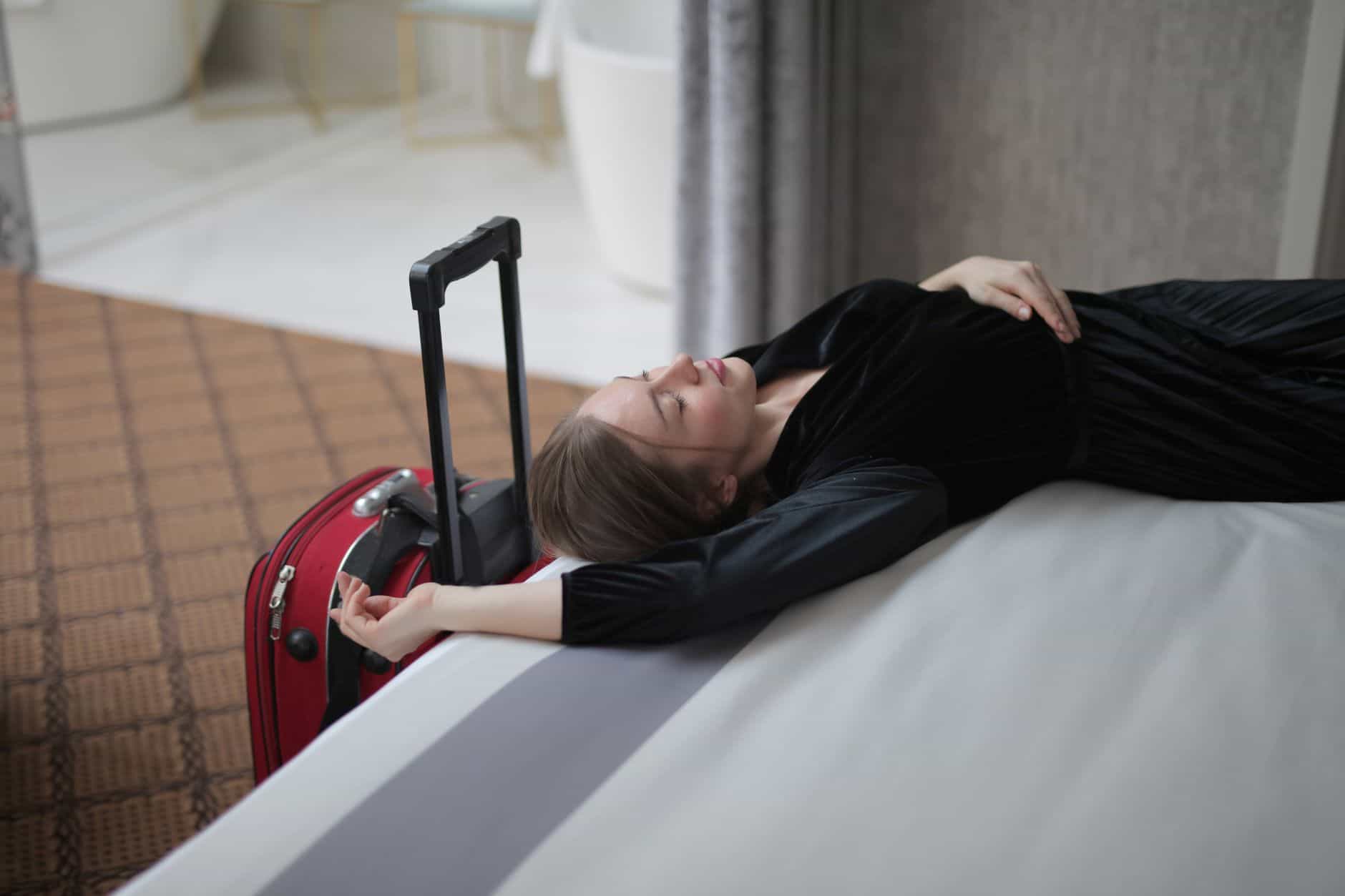
Here’s the honest truth most travel content won’t say: the minibar problem isn’t really about money. It’s about the specific vulnerability of travel.
When you travel, especially alone or after a hard day, you’re in an unfamiliar environment with no kitchen, no pantry, no routine. The small comforts you take for granted at home — grabbing a snack from the fridge, pouring a drink you already own — aren’t available. Hotels fill that gap with a fridge full of things that feel familiar and accessible.
The emotional need is real. The price is not.
Frequent travelers who’ve solved this don’t feel smug about it — they just figured out early that the minibar is a tax on being underprepared.
How to Beat the Minibar Every Single Time
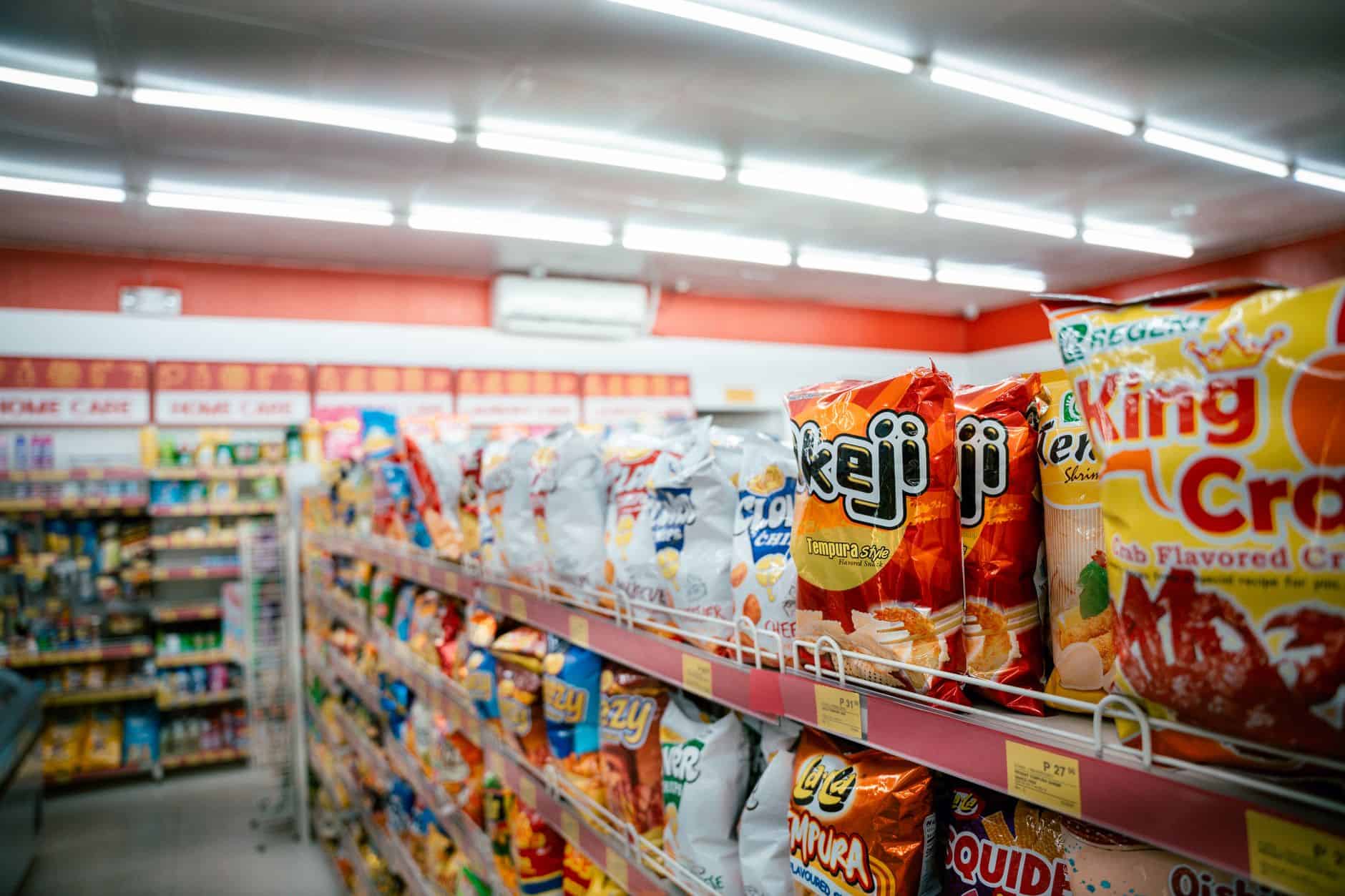
This isn’t complicated, but it does require intentionality:
- Stop at a grocery store or convenience store on your way from the airport This single habit eliminates the problem entirely. Spend $15–$20 at a Walgreens or local market: a bottle of water, snacks you actually want, maybe a beer. You’re not giving up convenience — you’re just buying convenience at a 90% discount.
- Empty the minibar fridge on arrival Many hotels will let you remove minibar items and store them elsewhere so you can use the fridge for your own groceries. Ask at check-in. Most front desks will accommodate this without question. Put the hotel items in a drawer or on the counter — out of the fridge, out of sight.
- Request a room without a minibar At many hotel chains, this is an actual option. It removes the temptation entirely. If you’re booking directly, ask. If you’re booking through an OTA, note it in special requests.
- Know the sensor rules If your hotel has a sensor-triggered minibar, do not pick items up to read them. Even if the hotel claims you won’t be charged for replacing items, disputes are a headache. Look, don’t touch.
- Use the in-room coffee maker It’s already there, it’s already paid for, and the packets are free. A cup of hotel room coffee at 10 PM costs you nothing and addresses 80% of the “I want something” feeling.
- Amazon Prime Now / Instacart delivery to your hotel In most major cities, you can have groceries or snacks delivered directly to your hotel. The hotel’s front desk will hold the package. You spend $12 on a six-pack of beer vs. $60 from the minibar.
What to Do If You’re Charged for Something You Didn’t Touch
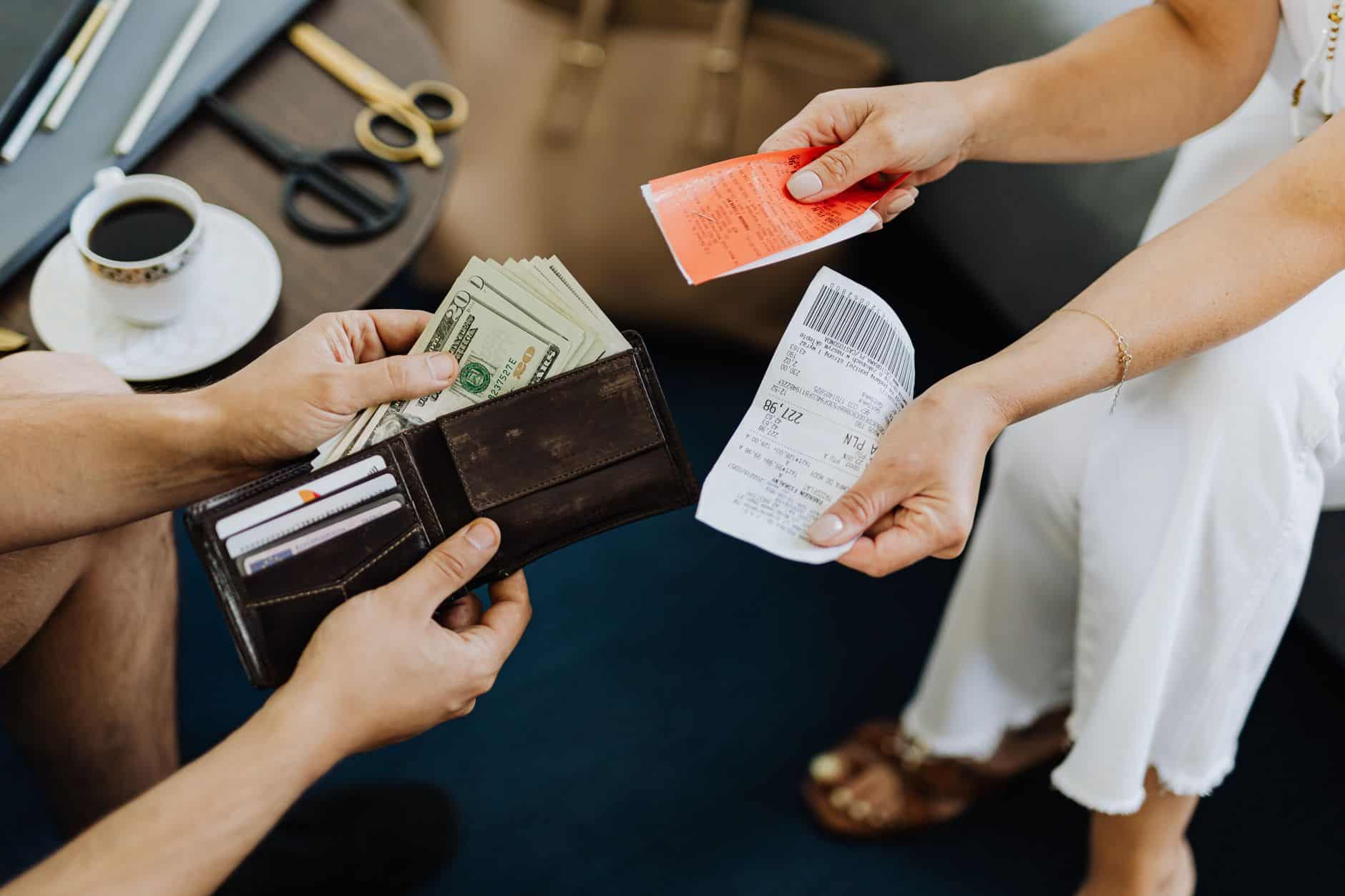
This happens more than hotels admit. Sensor errors, previous guests’ charges carried over, manual inventory errors — disputed minibar charges are one of the most common hotel billing complaints.
If you see a minibar charge on your bill you didn’t incur:
- Dispute it immediately at checkout — don’t wait and do it later.
- Be specific: “I did not consume any minibar items during my stay.” Don’t hedge.
- Front desk staff have authority to remove these charges on the spot and usually will without much pushback — they know the system generates errors.
- If disputed after checkout, a call or email to the hotel’s billing department with your checkout folio attached usually resolves it. Credit card chargebacks work too, but exhaust the hotel route first.
- Take a photo of the minibar on arrival. Thirty seconds of documentation eliminates the “your word against ours” problem entirely.
The minibar will be there every trip. The hotels will keep stocking it. The markup will not come down. But now you know exactly what game is being played — and you can stop letting the $22 Pringles win.