The European Cities Americans Are Flying to Instead of Paris and Rome — And Why the Math (and the Experience) Is Way Better
We may earn money or products from the companies mentioned in this post. This means if you click on the link and purchase the item, I will receive a small commission at no extra cost to you ... you're just helping re-supply our family's travel fund.
Here is something the European tourism industry does not advertise: many of the best experiences available in Paris are also available in Lyon, a 2-hour train ride south, for about half the price. Most of what makes Rome extraordinary is also present in Bologna and Naples. The Sagrada Família is worth seeing — but so is Valencia’s Ciudad de las Artes y las Ciencias, built by the same architect, which you can walk through with almost no other tourists.
The case for skipping the obvious European capitals is not about avoiding great places. It’s about getting more out of a trip by choosing cities where the experience is actually accessible — where the restaurant you want has a table tonight, where the neighborhood you want to walk through hasn’t been replaced by souvenir shops, and where your accommodation budget gets you somewhere decent instead of a converted closet at an exorbitant rate.
Here’s the alternative framework, city by city.
Why the Obvious European Capitals Have Reached Peak Tourist Saturation
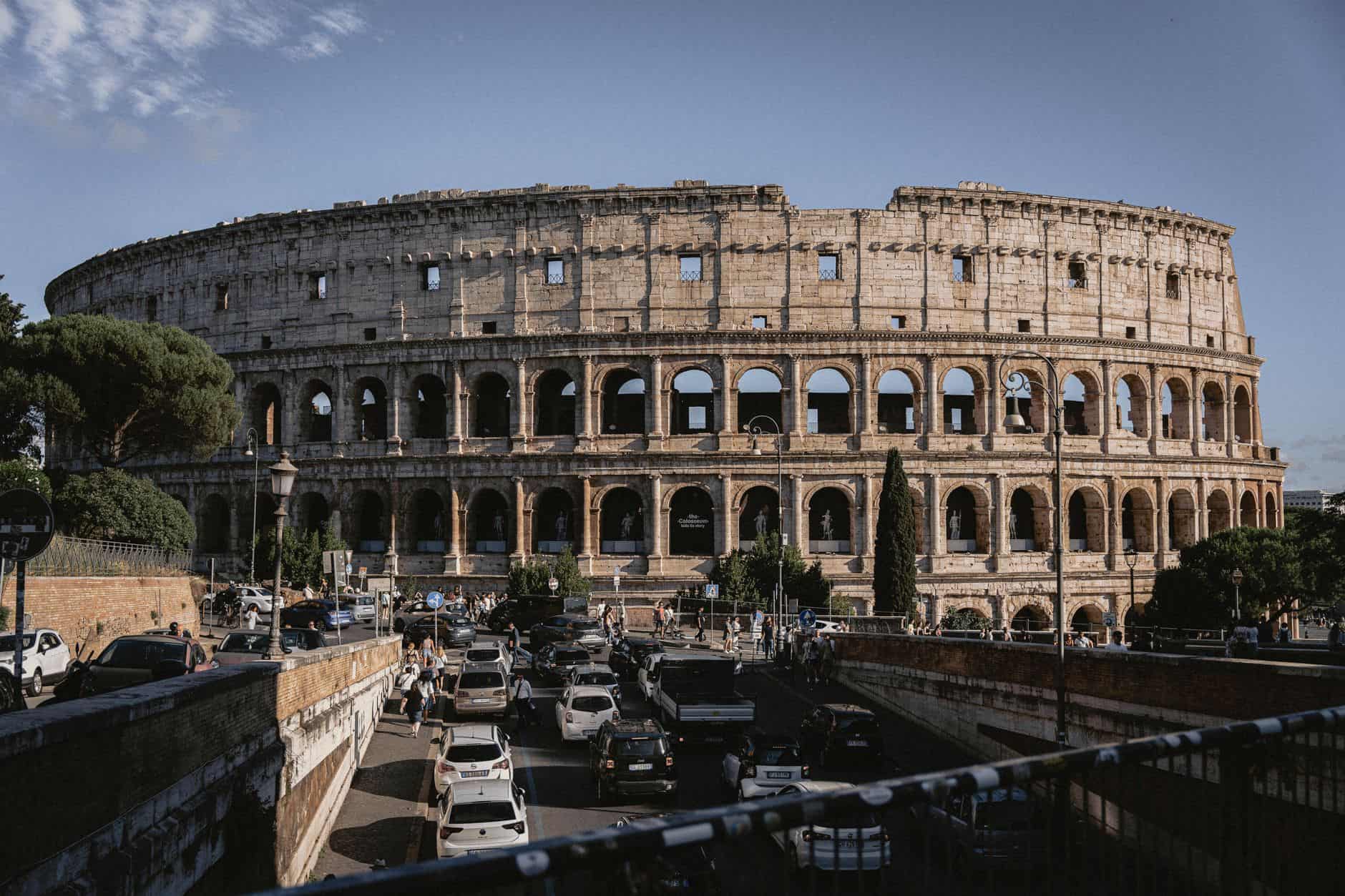
The data on European overtourism is striking:
- Paris receives approximately 44 million visitors annually — more than any city in the world
- Rome had to introduce a €2 entry fee for the Trevi Fountain area due to overcrowding
- Barcelona’s residents have staged formal protests against tourism; the city has limited new hotel permits
- Amsterdam has banned new tourist shops in the city center and caps Airbnb rentals
For the visitor, this means: reservation systems for free attractions, 60–90 minute queues for headline museums, hotel rates inflated by demand that vastly outpaces supply, and an experience that increasingly feels like being processed through a sightseeing factory rather than actually visiting a place.
The cities on this list have most of the same ingredients — great architecture, great food, real history, world-class culture — with a visitor count measured in hundreds of thousands rather than tens of millions.
Instead of Paris: Lyon and Bordeaux
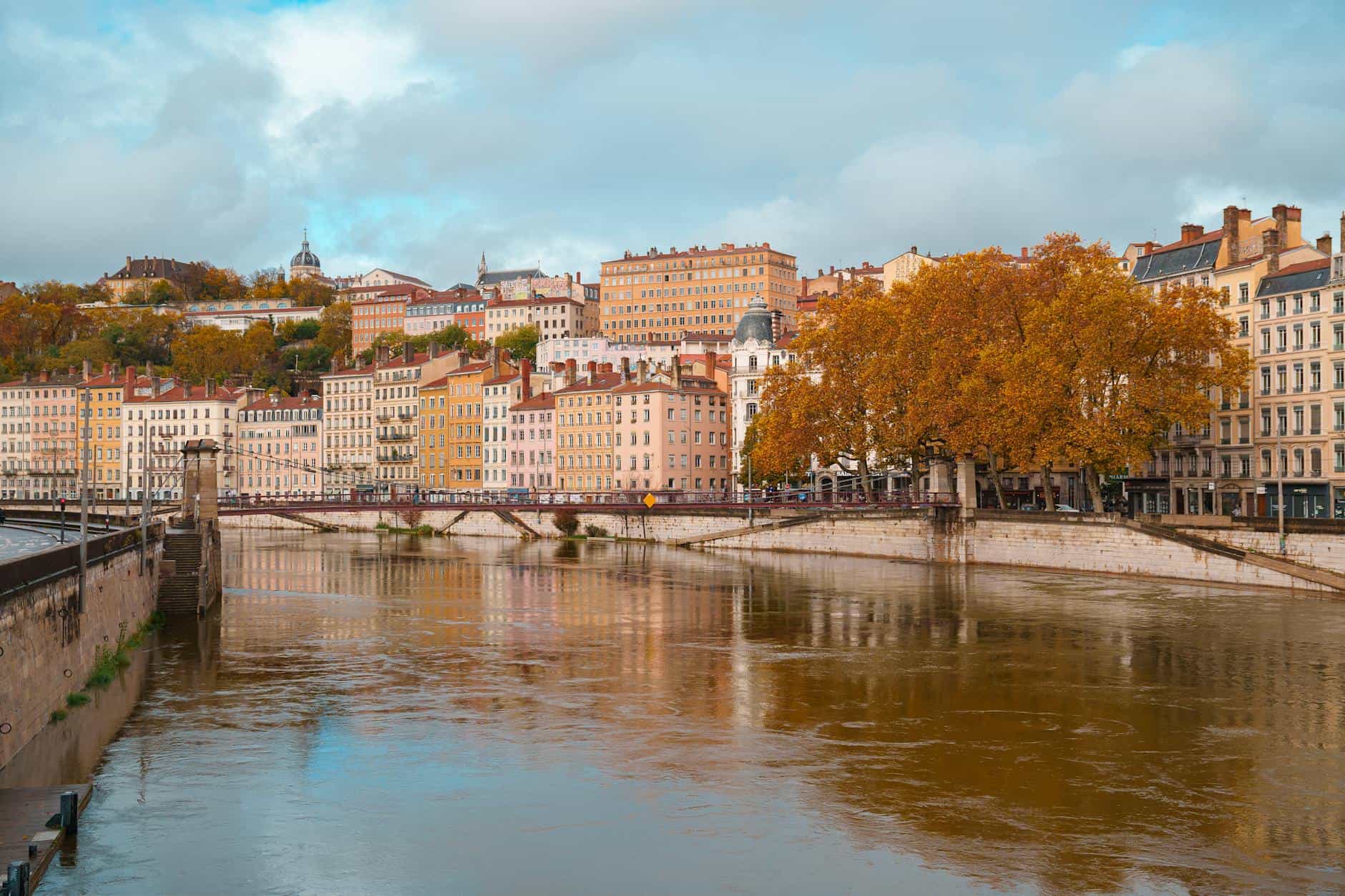
- Lyon — France’s actual culinary capital Paris is famous for food. Lyon is where the French go when they want to eat seriously. The bouchon (traditional Lyon bistro) culture is genuine, old, and still functioning — these are not tourist restaurants, they are neighborhood institutions. Paul Bocuse trained here. The Michelin guide has more three-star restaurants in Lyon per capita than anywhere else in France. The old town — Vieux-Lyon — is the largest Renaissance urban area in France. The traboules (hidden passageways through Renaissance buildings, used historically by silk workers and resistance fighters) are free to walk through and completely extraordinary. The Musée des Beaux-Arts rivals the Louvre in depth and has approximately 1% of the queue. Flight note: Nonstop flights from multiple US cities to Lyon exist, or connect through Paris or Amsterdam. The train from Paris to Lyon is 2 hours by TGV and costs €30–€80. Hotel rates in Lyon average $120–$180/night vs. $250–$400 in Paris for comparable quality.
- Bordeaux — redesigned, undervisited, genuinely stunning Bordeaux went through a 15-year urban regeneration project that ended around 2015 and produced one of the most beautiful waterfronts in Europe: the Place de la Bourse reflected in the Miroir d’Eau, the largest reflecting pool in the world. The wine is obviously the draw but the city itself — 18th-century neoclassical architecture, a tram system that runs on induction to preserve the historic streetscapes, the Cité du Vin wine museum — is extraordinary. Direct flights to Bordeaux from the US are limited but growing. Train from Paris: 2 hours, €35–€80. Hotels: $130–$220/night.
Instead of Rome: Bologna and Naples
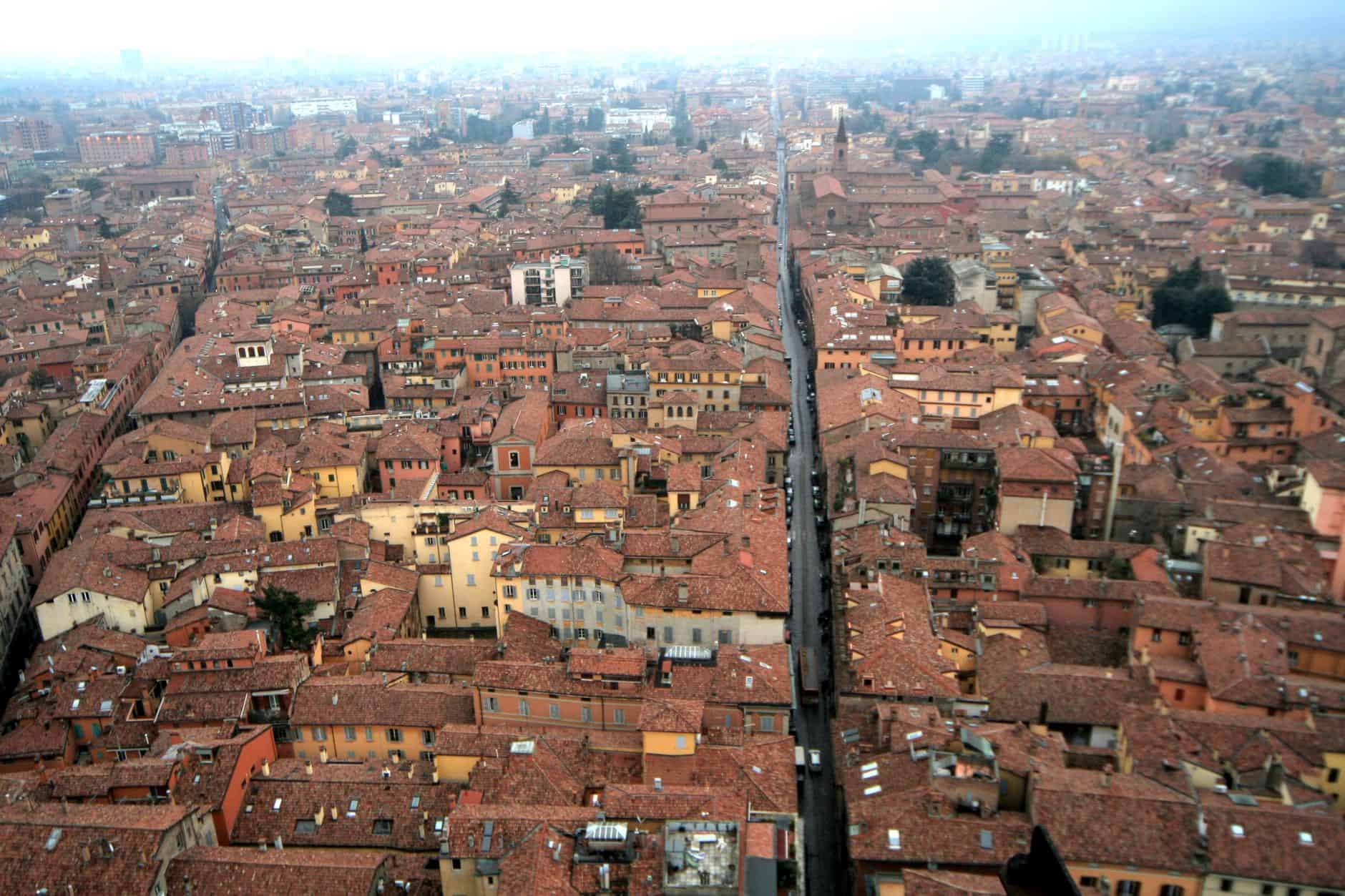
- Bologna — the secret of northern Italy Bologna is Italy’s best-kept secret and its residents would like to keep it that way. La Grassa (“the fat one” — its nickname) is the origin city of Bolognese sauce, mortadella, tortellini, and tagliatelle. The food here is the argument for Bologna. The arcaded porticoes — 40 kilometers of covered walkways running through the city center — are a UNESCO World Heritage Site and one of the great urban experiences in Italy. The two medieval towers at the center of the city are the most climbed structure in Bologna. The University of Bologna is the oldest university in the Western world, founded in 1088, and the student population gives the city an energy that Rome and Florence lack. Hotel rates: $90–$150/night.
- Naples — Italy’s most misunderstood city Every American who goes to Naples says the same thing afterward: why didn’t anyone tell me? The chaos reputation is real — Naples is loud, fast, and dense — but it is also the best pizza in the world (full stop, non-negotiable), an extraordinary archaeological museum that houses the contents of Pompeii and Herculaneum, a city center that is a UNESCO World Heritage Site, and the launching point for Pompeii, the Amalfi Coast, and the islands of Capri and Ischia. Hotel rates in Naples average $80–$130/night. The Circumvesuviana train to Pompeii costs €4 each way. You can day-trip the Amalfi Coast from Naples. No other single city in Italy offers this density of extraordinary things accessible from a single base.
Instead of Barcelona: Valencia and San Sebastián

- Valencia — where paella was invented and the architecture is extraordinary The City of Arts and Sciences was designed by Santiago Calatrava (yes, the same architect as the Sagrada Família). It’s a futurist complex of opera house, science museum, aquarium, and IMAX theater built on the old riverbed of the Turia — which Valencia converted into a 9-kilometer linear park after the river was redirected in the 1960s. The park, the Jardins del Turia, is one of the great urban spaces in Europe. The Valencian Community is where paella was invented, and the paella restaurants in the nearby town of El Palmar — serving traditional Valencian paella made with rabbit and green beans in rice cooked in a wood fire — are a genuinely unmissable food experience. Fewer than 30 minutes from the city. Hotel rates: $90–$160/night.
- San Sebastián — the pintxos capital and the most beautiful bay in Spain The Basque city of San Sebastián (Donostia in Basque) has more Michelin stars per capita than any city in the world except Kyoto. The pintxos culture — the Basque version of tapas, more elaborate, standing at a bar in the old town — is one of the great food experiences anywhere. The bay, La Concha, is shaped like a shell and consistently rated among the most beautiful urban beaches in Europe. San Sebastián is small (population 185,000), walkable, and genuinely manageable even in peak summer. Fly into Bilbao (1 hour by car or bus) and make both cities part of a Basque Country trip. Hotel rates: $150–$220/night in summer, $100–$160 in shoulder season.
Instead of Amsterdam: Ghent and Utrecht
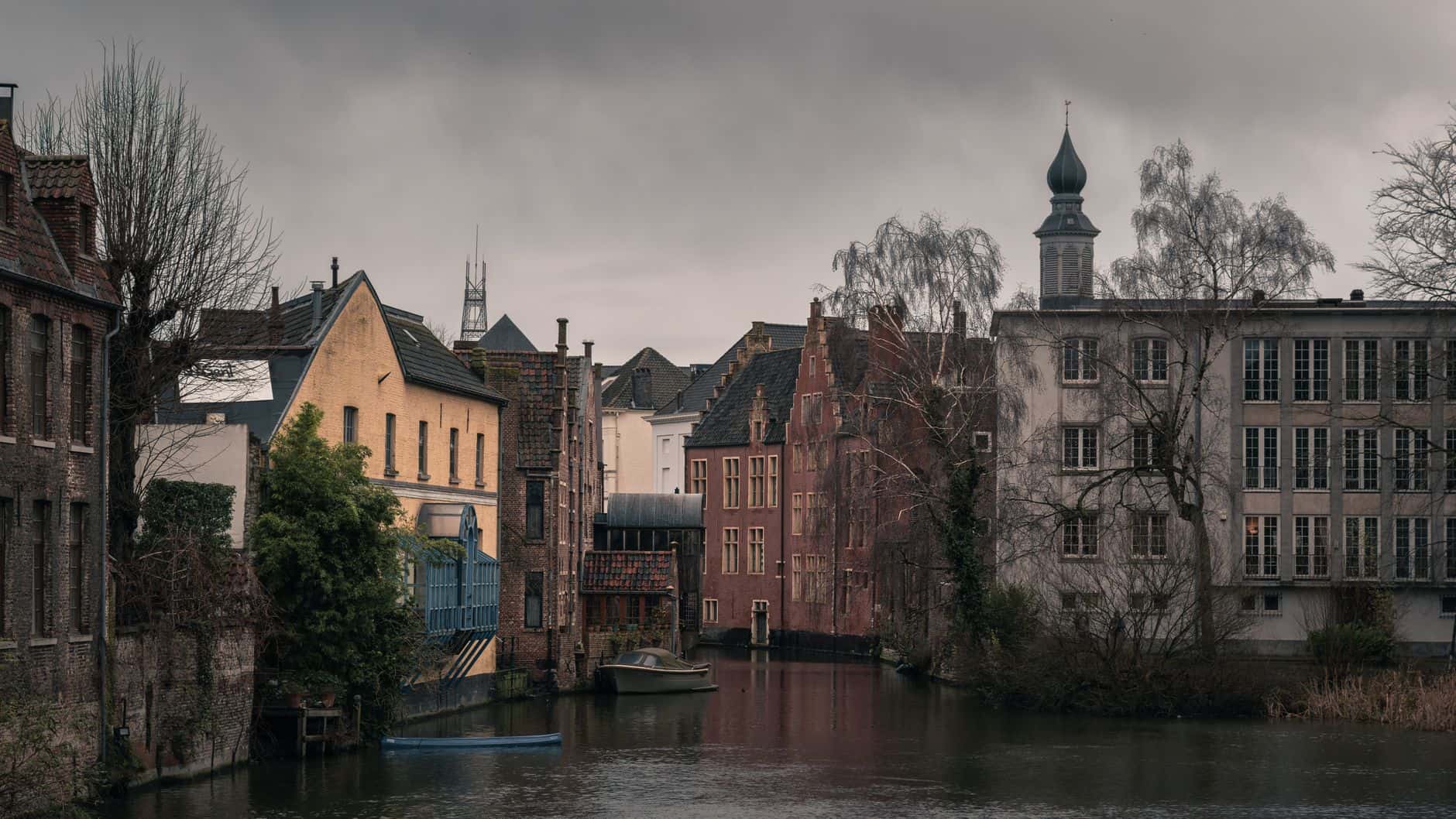
- Ghent — the medieval Flemish city that Amsterdam was before the tourists arrived Ghent has canals, medieval guild houses, a massive castle (Gravensteen, dating to 1180), world-class Flemish art (the Ghent Altarpiece by van Eyck is here), and a university population that keeps the city vibrant year-round. It receives approximately 3 million visitors annually vs. 20 million for Amsterdam. The streets are walkable, the cafes are not tourist-priced, and the architecture is extraordinary. Hotel rates: $100–$160/night.
- Utrecht — the Dutch city that Dutch people actually want to live in Utrecht is consistently rated the most desirable city to live in by Dutch residents. It has canals — including a unique two-level canal system where the lower level was used for goods and the upper for people — and a medieval city center that is more intact than Amsterdam’s because it wasn’t as heavily developed commercially in the 20th century. The Dom Tower, at 112 meters, is the tallest church tower in the Netherlands. Hotel rates: $120–$180/night; 30 minutes from Amsterdam Schiphol by train.
Instead of Prague: Kraków and Olomouc
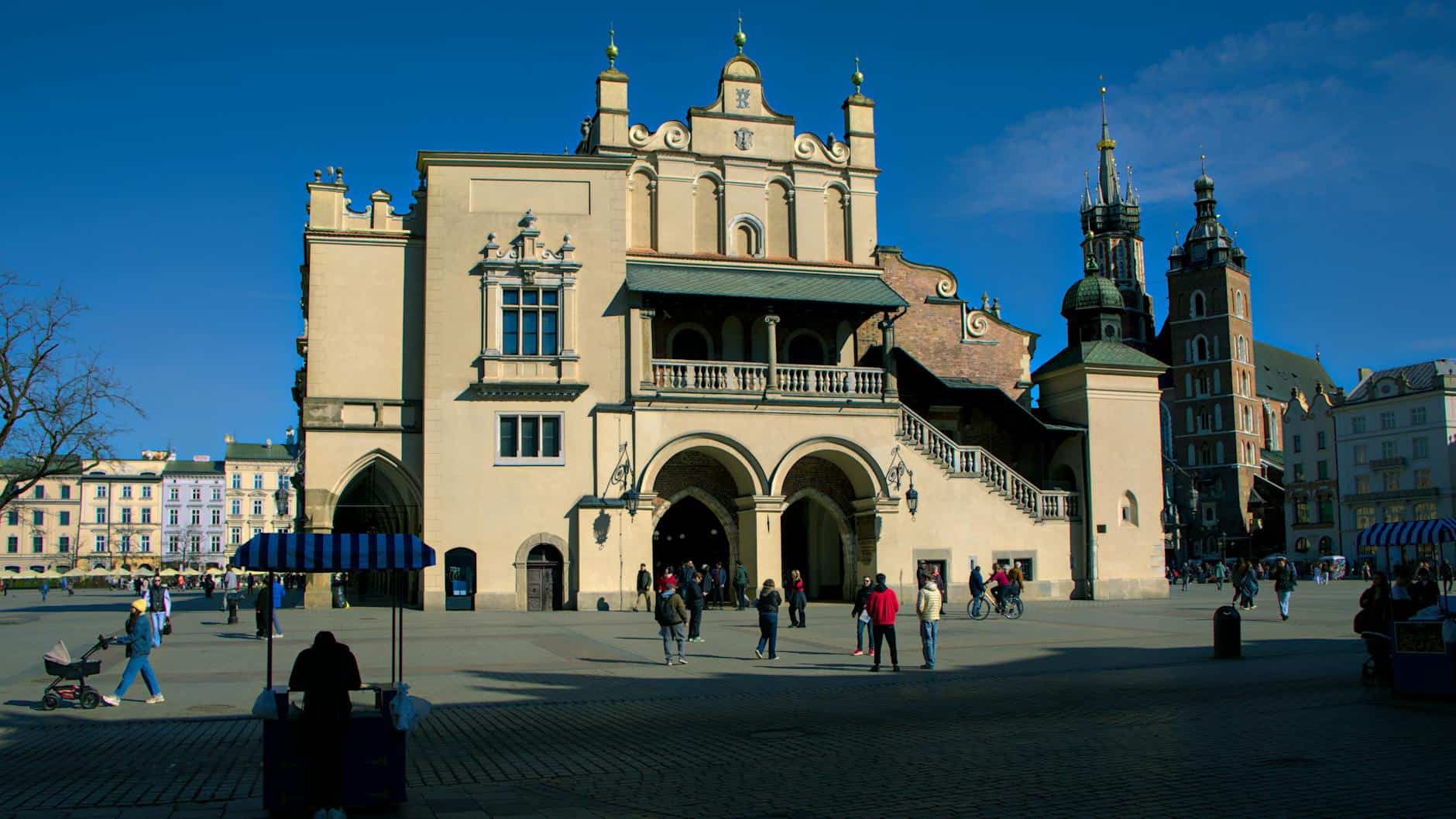
- Kraków — the best old town in Central Europe Prague is beautiful. Kraków is beautiful and carries a historical weight that makes it genuinely different. The Jewish Quarter (Kazimierz), Wawel Castle, the Main Market Square (the largest medieval market square in Europe), and the proximity to Auschwitz-Birkenau make Kraków a trip with real depth. Hotel rates: $60–$100/night. A full restaurant dinner with drinks: $15–$25 per person.
- Olomouc — the Czech city that doesn’t know it’s world-class yet Olomouc (pronounced OH-loh-moots) is the second most important historic city in the Czech Republic and has approximately 1/40th the tourist footprint of Prague. The baroque Holy Trinity Column in the main square is a UNESCO World Heritage Site. The city’s six baroque fountains are extraordinary. The university gives it intellectual energy. You can walk into almost any restaurant without a reservation and eat exceptionally well for €8–€12. Hotel rates: $50–$80/night.
The Flight Math That Makes These Cities Easy Choices
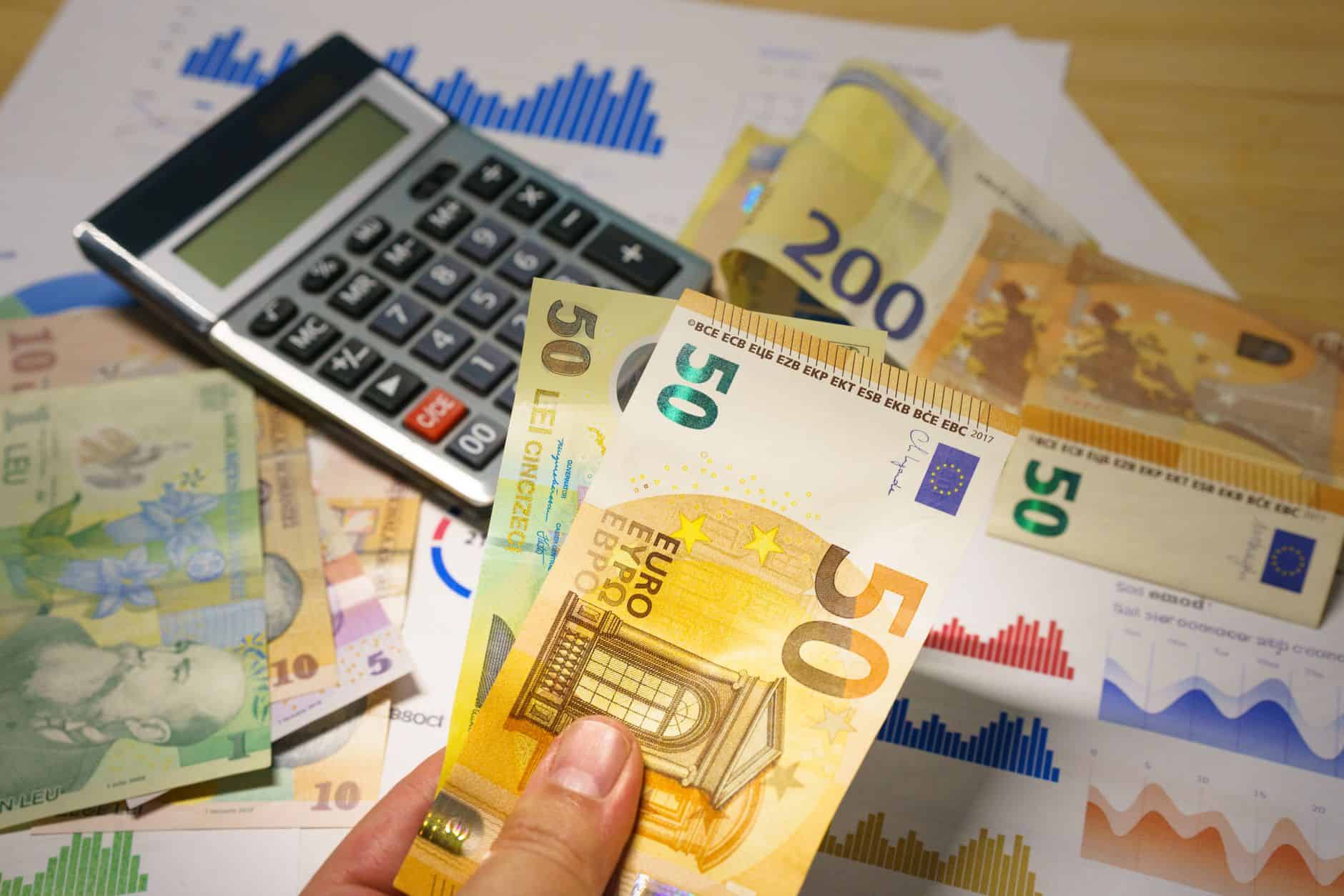
Direct flights from major US hubs to these secondary cities have expanded significantly with the growth of Norwegian, TAP, and Iberia’s transatlantic networks. But even connecting through a hub, the savings on accommodation and daily costs often more than offset any additional flight complexity.
A rough comparison for a week’s trip from New York:
- Paris — Flights: $600–$900 round trip. Hotel: $250/night x 7 = $1,750. Total base cost: $2,350–$2,650.
- Lyon — Flights via Paris or Amsterdam: $650–$950 (often within $50–$100 of Paris direct). Hotel: $150/night x 7 = $1,050. Total base cost: $1,700–$2,000. Savings: $400–$700.
- Naples — Flights via Rome or Frankfurt: $700–$1,000. Hotel: $120/night x 7 = $840. Total base cost: $1,540–$1,840. Savings vs. Rome: $500–$900.
The savings in daily costs — meals, attractions, transportation — add another $30–$60/day on top of the accommodation differential.
A week in Lyon, Bologna, Valencia, Ghent, or Kraków will cost 30–40% less than the equivalent trip to Paris, Rome, Barcelona, Amsterdam, or Prague. The experiences are different but not lesser — in some categories (food in Lyon and Bologna, pintxos in San Sebastián, medieval architecture in Ghent and Kraków) they are demonstrably better. The only thing you lose is the ability to say you went to Paris.
Which, at $400 in savings, is a trade worth making.