The Timeshare Presentation Trap: How a ‘Free Weekend’ Turns Into a $30,000 Mistake You Can’t Undo
We may earn money or products from the companies mentioned in this post. This means if you click on the link and purchase the item, I will receive a small commission at no extra cost to you ... you're just helping re-supply our family's travel fund.
Somewhere right now, a couple is sitting in a hotel conference room in Orlando, Vegas, or Cabo, drinking complimentary coffee and trying very hard not to make eye contact with a salesperson named Brad. They came for the free three-night stay. They told each other on the drive over: “We’re absolutely not buying anything.”
About one in five of them will leave with a timeshare contract.
The timeshare industry generates roughly $10 billion a year in the United States alone. That money doesn’t come from stupid people. It comes from regular, financially literate adults who sat down convinced they were immune to sales pressure and discovered — too late — that they weren’t.
This is how it actually works.
The ’90-Minute’ Presentation That Never Lasts 90 Minutes

The invite says 90 minutes. Block off your morning.
Former timeshare salespeople — and there’s an entire Reddit community of them who’ve gone public — are remarkably consistent about what actually happens. The presentation itself runs 90 minutes. Then there’s the “tour” of the property (another 45). Then the one-on-one with your personal sales rep (60–90 minutes). Then the manager who “just wants to say hello” and happens to have a better offer (30–45 minutes). Then the “last chance” desk near the exit where a third person tries one final time.
Five to six hours is common. Some people report being held past dinner.
This is not accidental. The longer you’re there, the more social pressure builds, the hungrier and more exhausted you get, and the more your brain starts wanting to resolve the situation rather than think clearly about it. Sales psychologists call this “decision fatigue.” Timeshare companies built their entire business model around it.
The “90 minutes” is a legally required disclosure in many states — not a promise.
The Free Gift Isn’t Free — Here’s What It Actually Costs You

Let’s talk about the gift, because this is where the math gets interesting.
The “free” vacation package typically costs you:
- A non-refundable booking fee of $99–$199 that they bury in the fine print
- Taxes and “resort fees” at checkout that weren’t mentioned upfront
- 5–6 hours of your actual vacation time at the presentation
- A psychological debt — having accepted hospitality from someone makes most people feel obligated to reciprocate
That last one is the real cost. Researchers who study persuasion call it the reciprocity principle — we’re hardwired to feel obligated to people who give us things. Timeshare companies understand this so well they build their entire entry strategy around it. They’ve given you a room, fed you breakfast, and had a friendly rep spend hours with you. By the time the offer comes, declining feels almost rude.
The “free gift” is not a marketing expense. It’s an investment in your psychological obligation.
The Psychology Behind Why Smart People Still Buy

Here’s what former salespeople consistently describe as their most effective closing techniques — and why they work on educated, skeptical buyers:
The Foot-in-the-Door
Before they ever show you a contract, they ask small questions you’ll obviously say yes to. “You like to travel, right?” “You want to make memories with your family?” “Wouldn’t it be nice to have guaranteed vacation time every year?” Each yes primes your brain to keep saying yes. By the time you’re nodding along to a $25,000 purchase, you’ve already agreed to 40 things.
The Fake Deadline
“This price is only available today.” It’s almost never true. Former reps have confirmed that the same pricing — or better — is often available the next day if you call back. But in the moment, scarcity triggers panic. You stop evaluating whether you want it and start worrying about missing it.
The Monthly Payment Reframe
The contract is $28,000. That sounds like a lot. But “it’s only $340 a month” — that sounds like a car payment. They will never show you the total cost with interest unless you ask directly. Some timeshare loans carry interest rates of 14–20%.
The Spouse Isolation
If one partner is more resistant, experienced reps will subtly separate them — physically moving chairs, directing questions to the more receptive partner, or framing the skeptic’s hesitation as them “not wanting the family to have nice things.” It’s brutal, and it works.
What You’re Actually Buying (and What You’re Not)

Most buyers leave the presentation thinking they’ve purchased real estate. They have not.
What you typically get:
- The right to use a unit at a specific resort for a specific week each year (or a points equivalent)
- A perpetual obligation to pay annual maintenance fees — currently averaging $1,200 to $1,400 per year, and increasing every year
- A contract that is extremely difficult to resell at any price
- In many cases, a deed that passes the obligation to your heirs
The resale market for timeshares is essentially zero. Not “difficult” — zero. There are listings on eBay for $1. There are websites where owners try to give them away for free and can’t find takers because the new owner would inherit the maintenance fees.
The American Resort Development Association (ARDA) reports average maintenance fees around $1,000 annually. Independent surveys of owners consistently find higher numbers — and more importantly, fees that have increased every single year with no cap.
Buy a $30,000 timeshare on a 15% interest loan and pay $1,200/year in maintenance fees for 20 years, and you’ve spent roughly $100,000 for access to a hotel room for one week a year. The math does not work.
The Exit Scam: How the Industry Profits Twice

Here’s the part that should genuinely make you angry.
When owners decide they want out — and most eventually do — they discover that the resort has no obligation to take the timeshare back. “Deed-back” programs exist at some companies but are discretionary, often require being current on all fees, and can take years.
Into this desperation stepped an entire secondary industry: timeshare exit companies.
The FTC has issued multiple warnings about these companies. Many charge $3,000 to $10,000 upfront — before doing anything — and then disappear, go bankrupt, or simply fail to deliver. Some are outright fraudulent. The American Resort Development Association (which, to be fair, represents the sellers) estimates that most exit companies are scams.
But here’s the darker irony: some of the timeshare developers themselves have created or quietly funded “exit” companies that charge desperate owners a second time for a process that often just involves the developer accepting the deed back for free — something they could have done directly.
The industry profits on the way in and, in many cases, profits again on the way out.
What Timeshare Attorneys Actually See

Legitimate timeshare attorneys — actual lawyers, not exit companies — describe a consistent set of client situations:
- Buyers who signed under duress after 5+ hours and didn’t read the contract
- Elderly clients who were specifically targeted because they’re more susceptible to high-pressure sales and often have retirement savings to spend
- Couples in financial crisis because they’ve missed maintenance fee payments and the developer has sent the balance to collections
- People who were told the timeshare was an “investment” that would appreciate — something no legitimate financial advisor would ever say about a timeshare
The rescission period — the window during which you can legally cancel — is typically 3–10 days depending on the state. Attorneys say most clients don’t know this exists. Some resorts have been found to use tactics that delay paperwork delivery to eat into that window.
If you’re in the rescission window right now: cancel in writing, send it certified mail, and do not call the resort to discuss it.
If You Already Own One, Here’s What Actually Works
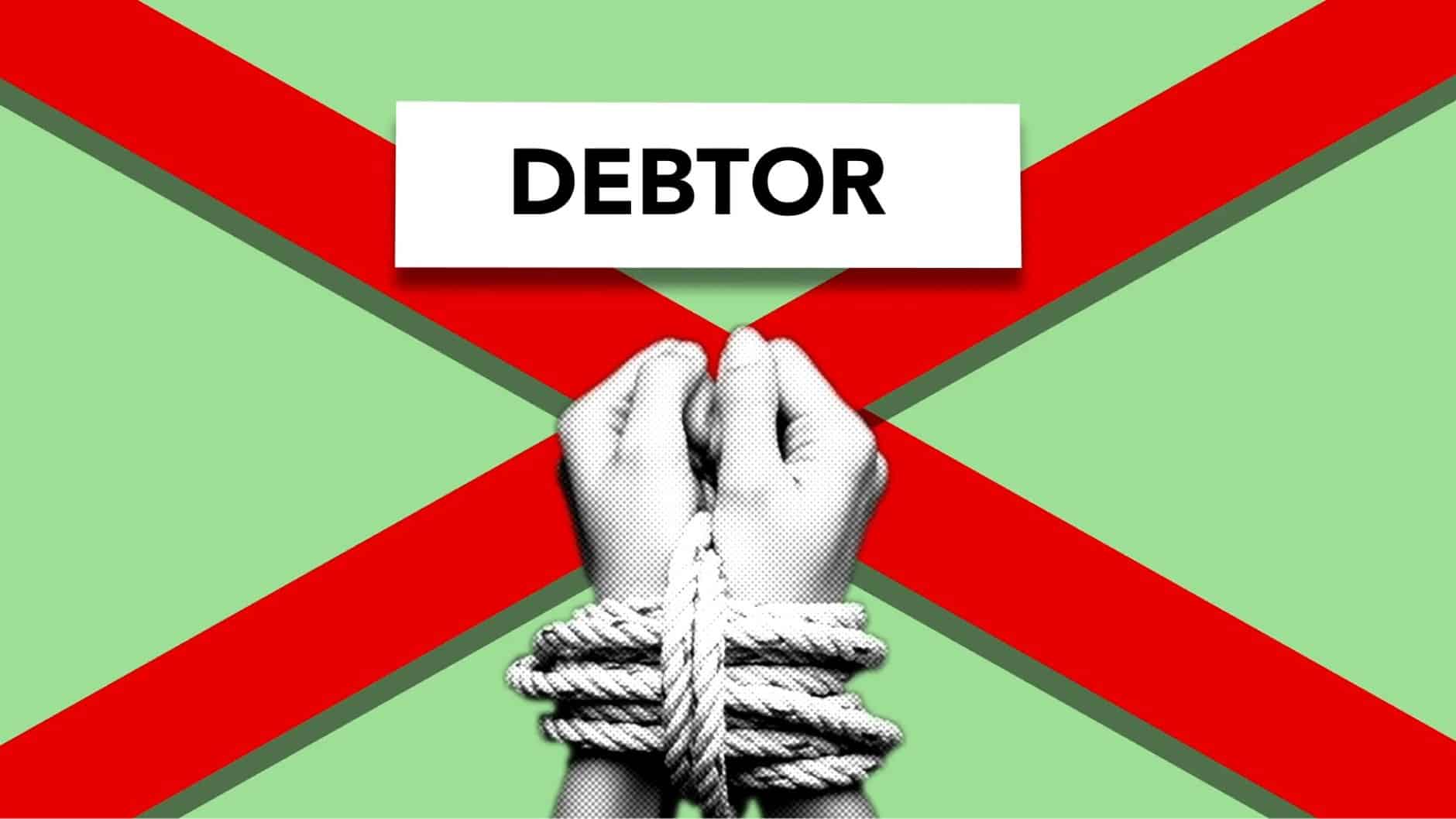
For people who already own a timeshare and want out, the options that have actually worked for real owners:
- Contact the developer directly about a deed-back. Many will do this if you’re current on fees, though they won’t advertise it. Call the owner services line, not sales.
- Hire a real attorney — not an exit company. Look for a licensed attorney in the state where the timeshare is located who specializes in contract rescission or consumer protection law. Expect to pay a flat fee of $1,500–$4,000. This is different from exit companies charging $5,000–$10,000 upfront with no attorney involvement.
- Stop paying (only as a last resort, with eyes open). Some owners deliberately default to force the developer to take the property back. This will destroy your credit and may result in a lawsuit or deficiency judgment. It can work, but you need to understand the full consequences first.
- Use the points/time, at minimum. If you’re stuck with it, use it aggressively. Renting out your weeks on platforms like RedWeek or Koala can offset maintenance costs — though rarely fully.
What won’t work: any company that contacts you out of the blue, asks for money upfront before any services are rendered, and promises to “cancel” your timeshare within a specific timeframe. These are almost universally scams, and owners who fall for them often end up having paid twice for nothing.
The most honest thing a timeshare attorney will tell you is this: the best time to walk away from a timeshare is before you sign. The second best time is immediately after, during rescission. After that, everything gets expensive and uncertain.
Brad at the resort conference room is very good at his job. He’s not your friend. The free breakfast is not free. And the 90-minute presentation will take your entire morning — possibly your entire afternoon.
You’ve been warned.