10 Essential Rules For Visiting The Galápagos Responsibly
We may earn money or products from the companies mentioned in this post. This means if you click on the link and purchase the item, I will receive a small commission at no extra cost to you ... you're just helping re-supply our family's travel fund.
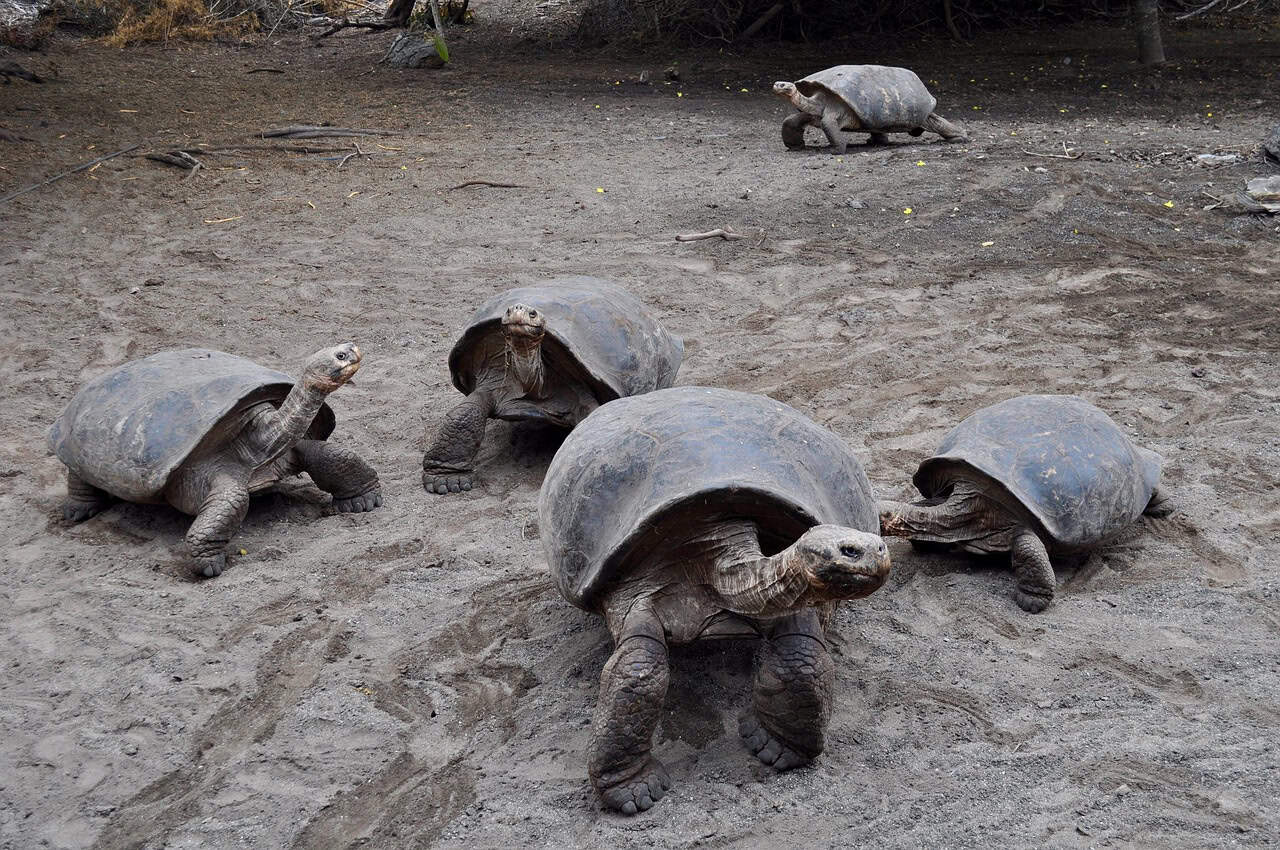
The Galápagos feel like a living classroom. Blue footed boobies court on bare lava, sea lions nap on benches, and marine iguanas warm on black rock. Wonder comes easy here, but care matters more. The park’s protections work when visitors move with intention, listen to guides, and keep hands off wildlife and reefs. Good choices begin before boarding a plane and continue on every trail and panga ride. What lasts is a trip that protects the place that made it unforgettable.
Keep A Generous Distance From Wildlife
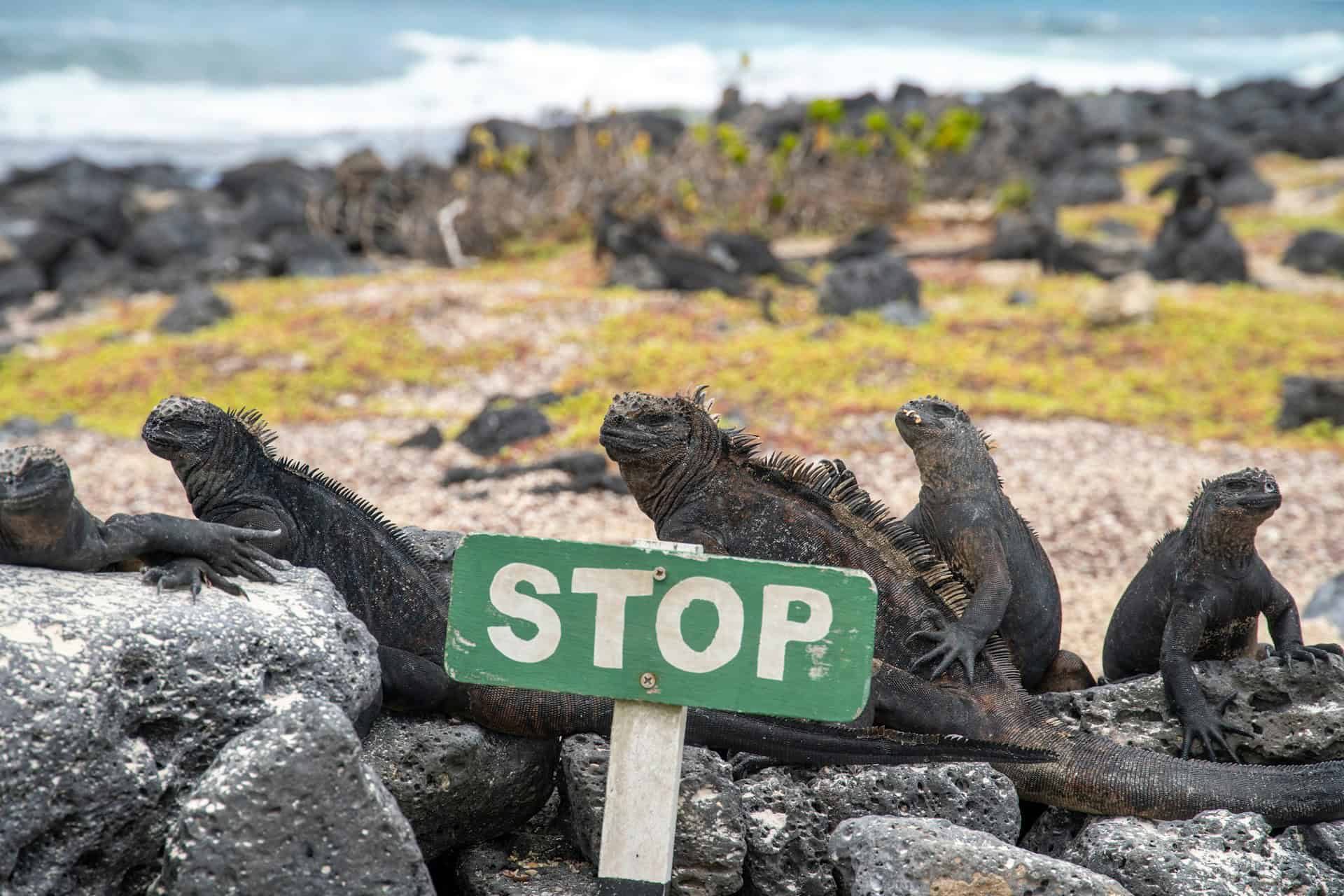
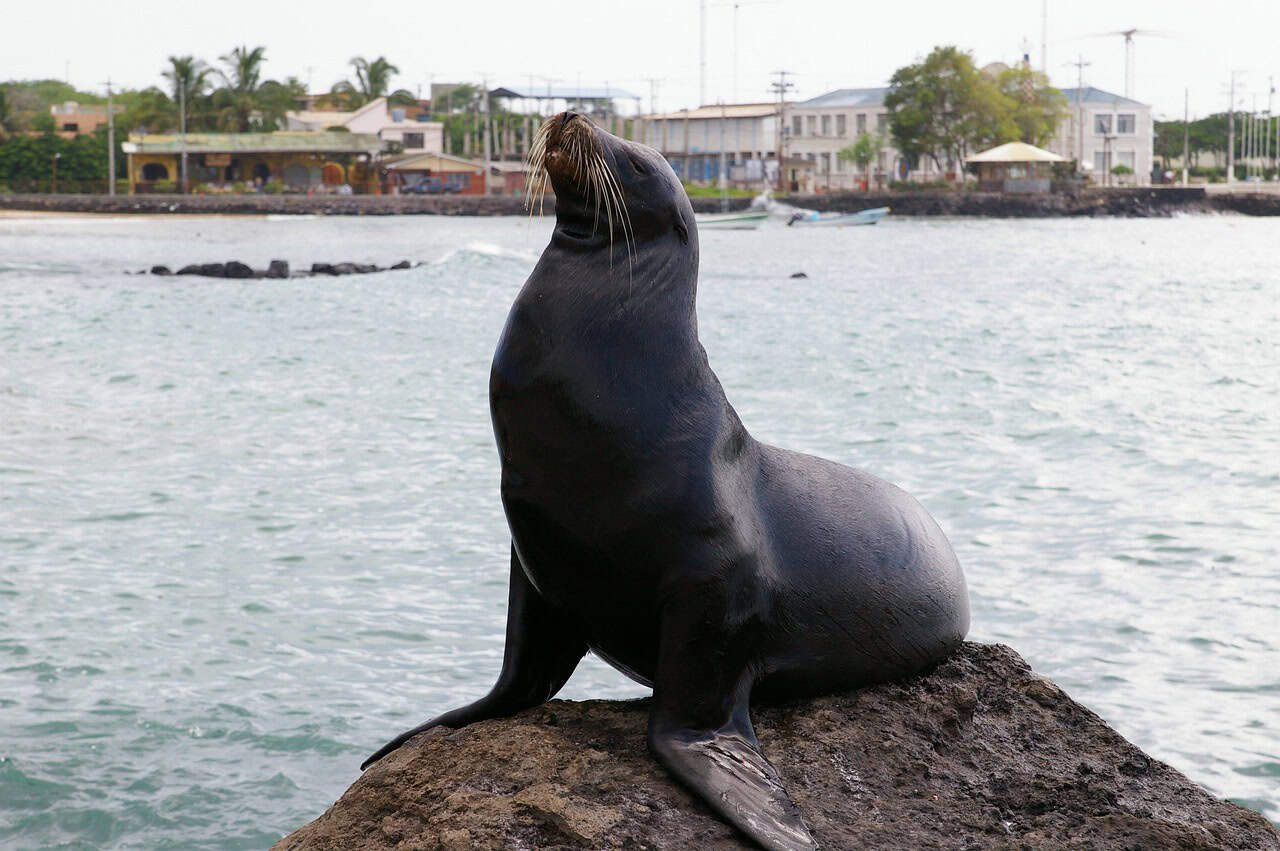
Close photos tempt, but proximity changes animal behavior long after a boat sails away. A generous buffer lets seabirds feed chicks and sea lions rest without lifting a head in alarm. If an animal reacts, the group is already too close. Yield the path, pause, and let turtles, iguanas, or birds pass first. No touching, no posing, no blocking routes to the sea. Respect builds trust at scale, and the colony keeps acting like a colony.
Stay On Marked Trails And Landing Sites
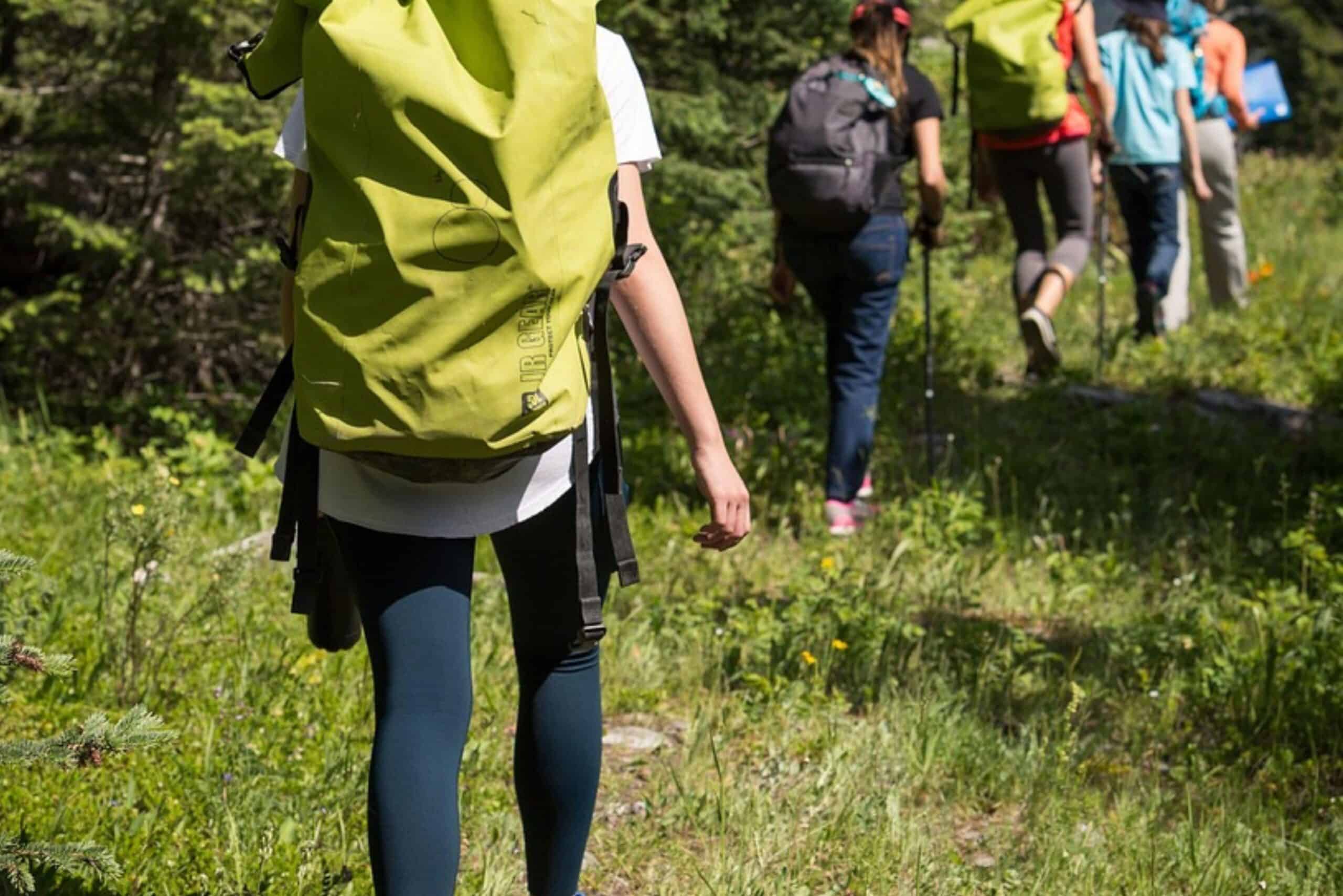
Trails and boardwalks exist to protect fragile soil crusts, burrows, and nesting grounds that look like open space to human eyes. Guides set a gentle pace, point out active sites, and keep groups tight on marked routes. Drift a few steps and footprints can collapse a shearwater burrow or crush seedlings on lava cinders. Land only where permitted, follow flags and stone lines, and reboard pangas where crews direct. Simple discipline preserves more than any sign ever could.
Practice Biosecurity Every Step Of The Way
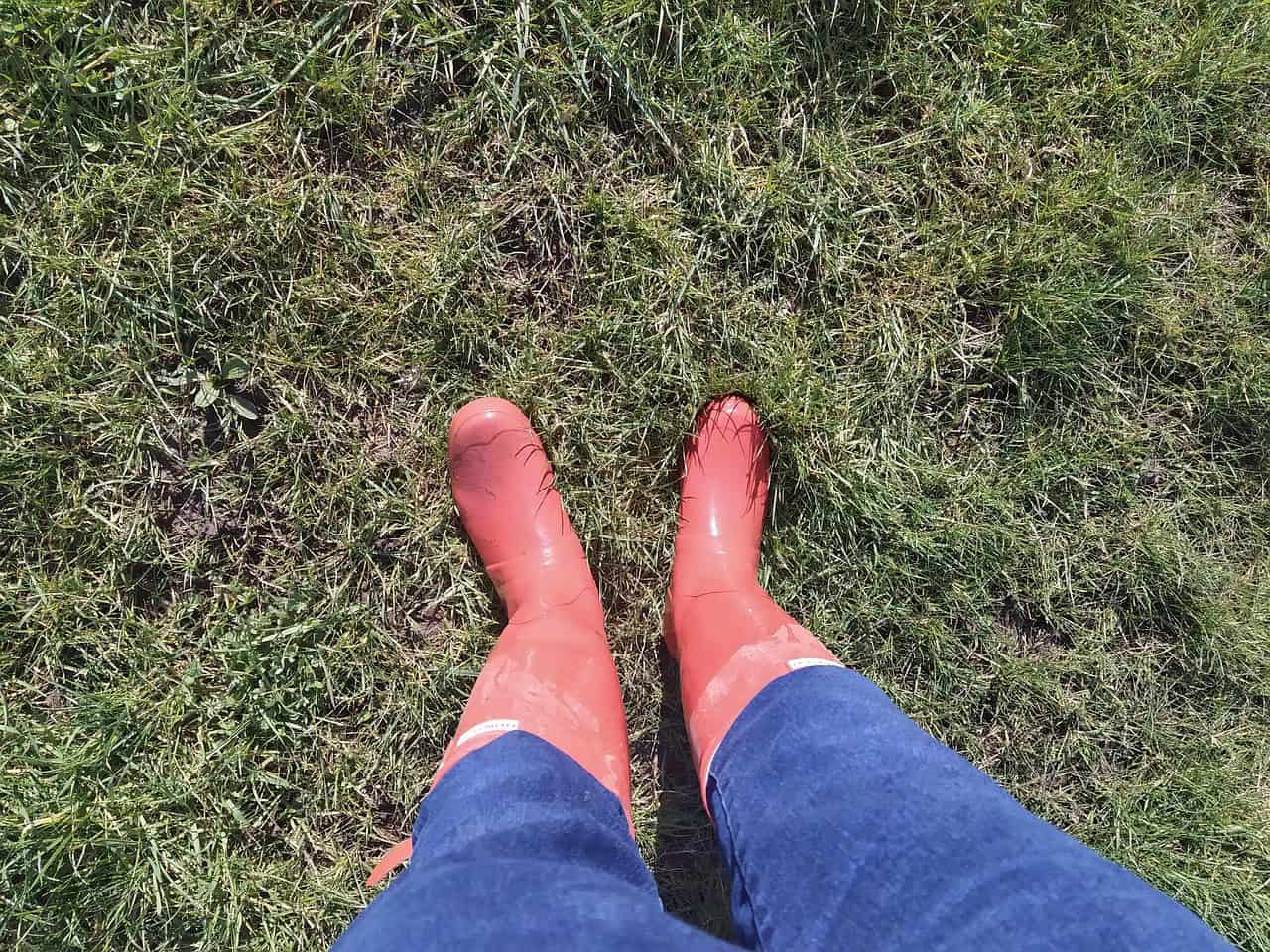
Island ecosystems fall to seeds and spores hitchhiking in cuffs and soles. Clean boots, rinse gear, and brush Velcro before flights and between islands. Declare fresh food, skip seeds and flowers, and pack dry snacks in sealed containers. Inspectors may spray or scan bags, and those minutes matter. Choose luggage without loose straps, and keep pockets free of plant bits and sand. Biosecurity feels small, yet it is the strongest fence these islands have.
Pack Reef Safe Sun And Non-Aerosol Sprays
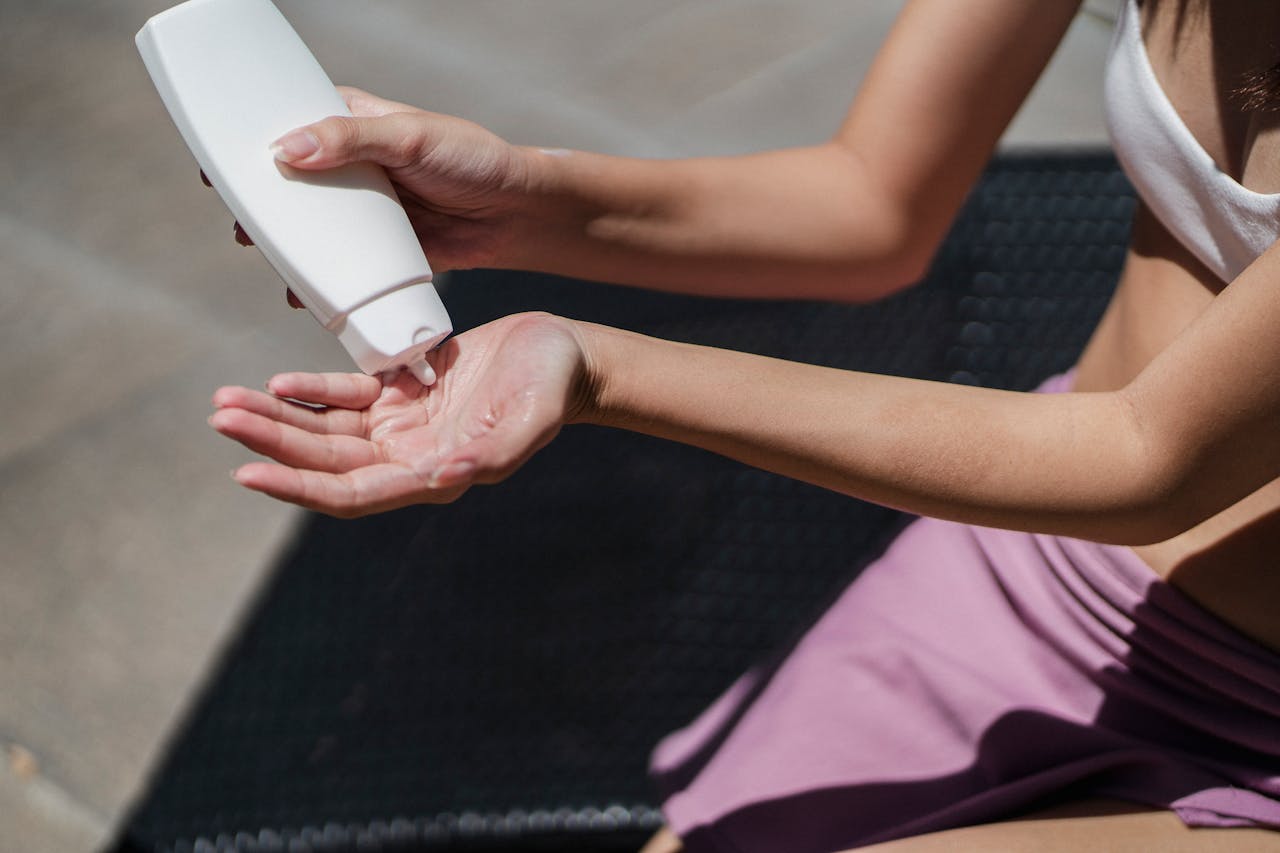
Strong sun meets sensitive seas here. Choose mineral sunscreens with zinc oxide or titanium dioxide and avoid oxybenzone and octinoxate that harm corals and fish. Non-aerosol formats reduce overspray that lands on sand and tide pools. Rash guards and wide brimmed hats cut lotion use altogether. Apply on the boat or at the hotel, let it set, then enter the water. The ocean does not need a slick of chemicals to remember a swim.
Skip Feeding And Never Handle Animals

Food changes behavior fast. A tossed crumb can teach a finch to beg and a sea lion to approach propellers. Human snacks carry salts and fats that wild diets do not. Hands carry oils and microbes that harm feathers and skin, and fear responses linger even when a touch seems brief. The rule is easy. Observe, photograph, and admire, then let natural foraging and resting continue without interference. Wild stays wild when people act like guests.
Leave No Trace, Including Microtrash
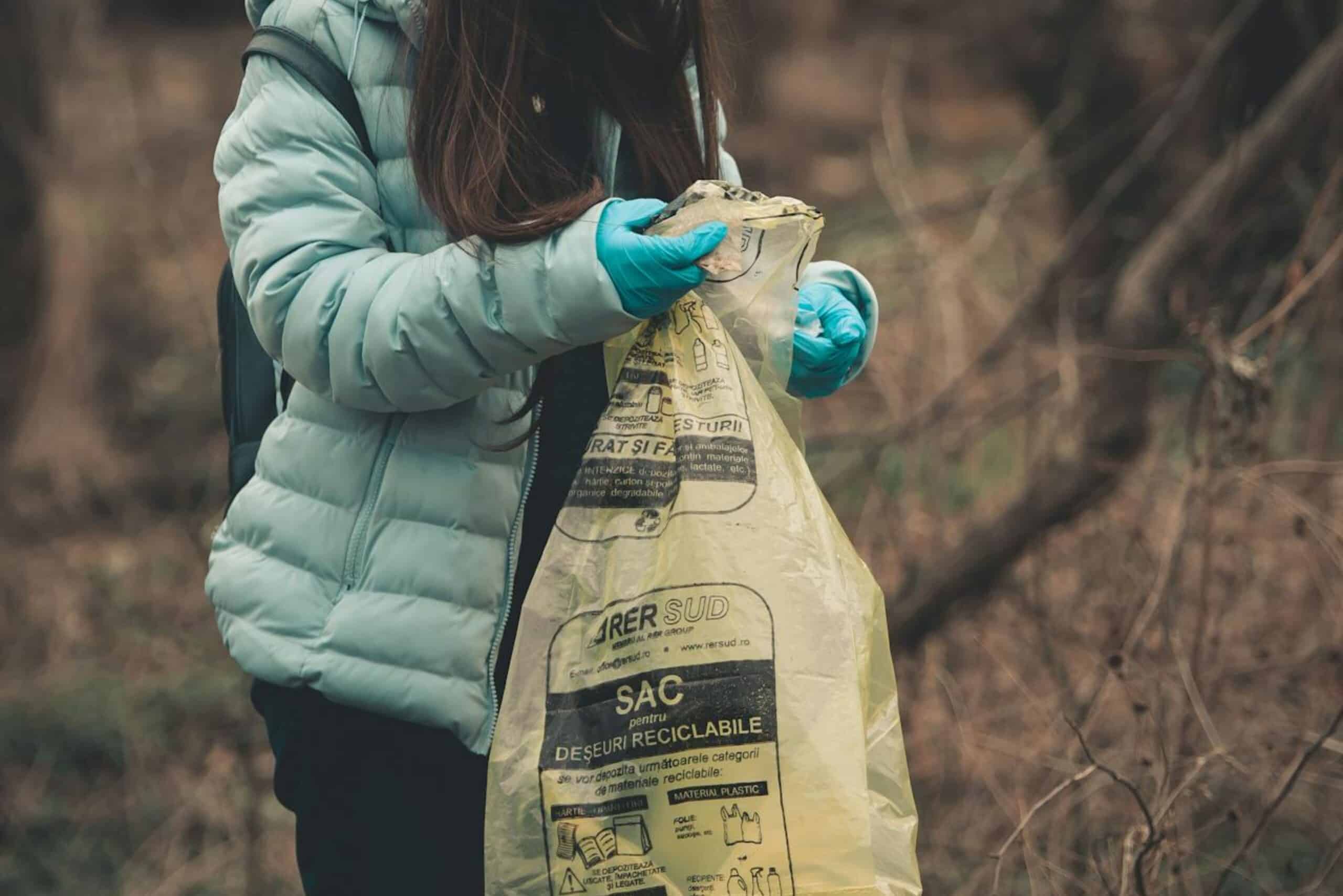
Winds lift wrappers, lens wipes, and corner bits that escape even careful hands. Pack a small zip bag for daily trash and check pockets and panga seats before moving on. Refill bottles and use a filter rather than buying new plastic. Cigarettes, gum, and shells do not belong on trails or in pockets after a walk. Back on board, follow crew sorting rules so waste goes where it should. The lightest footprint is the one that never lands.
Protect Reefs When Snorkeling Or Diving
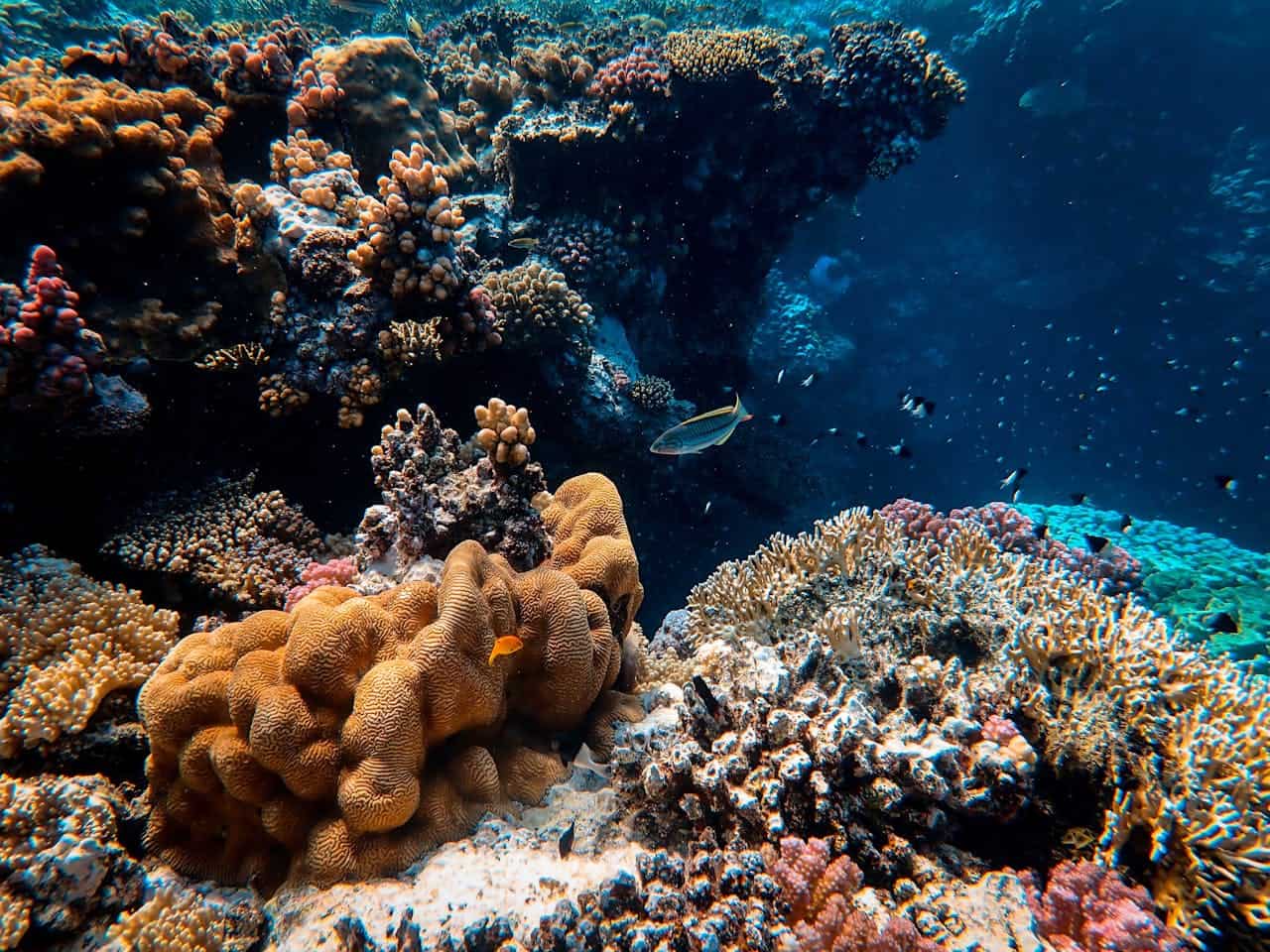
Fins and hands break decades of growth in a second. Float above reef tops, kick gently, and keep distance from walls where black coral and sponges live. Never stand on rock that looks bare. It often is not. Secure gauges and cameras so gear does not drag. Watch currents, keep a tight group, and follow the guide’s line to avoid drift into resting turtles or hunting sea lions. Underwater etiquette turns a good swim into a responsible one.
Respect Camera Etiquette And Light
Flash startles wildlife and washes out the subtle colors in feathers and scales. Turn it off, use natural light, and accept noise over stress. Long lenses make respectful distance possible, and patience beats chasing angles. Drones require explicit park permits and are usually prohibited. On trails, step aside for others and keep tripods compact. The best images come from time and care, not from a few feet gained at the colony’s expense.
Choose Low-Impact Boats And Stays
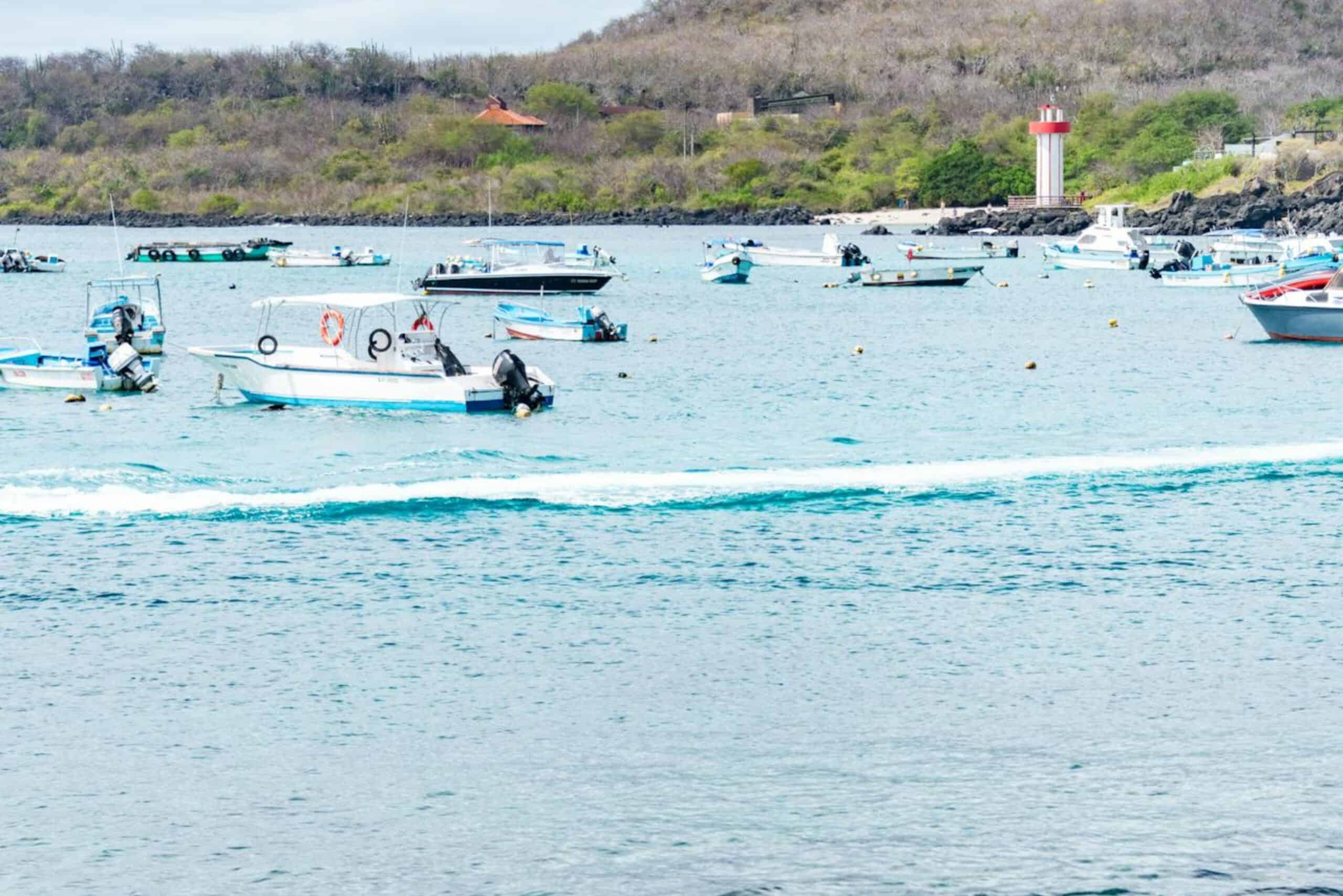
Operators can prove how they handle fuel, wastewater, and recycling. Ask about water makers, gray water treatment, and anchor policy, then reward good practice with bookings and tips. Smaller groups reduce pressure at landing sites, while efficient hulls and newer engines cut emissions. On land, pick stays that limit single use plastics, source food locally, and employ islanders in year round roles. Money is a conservation tool when it favors clean operations.
Move Quietly And Keep Groups Tight
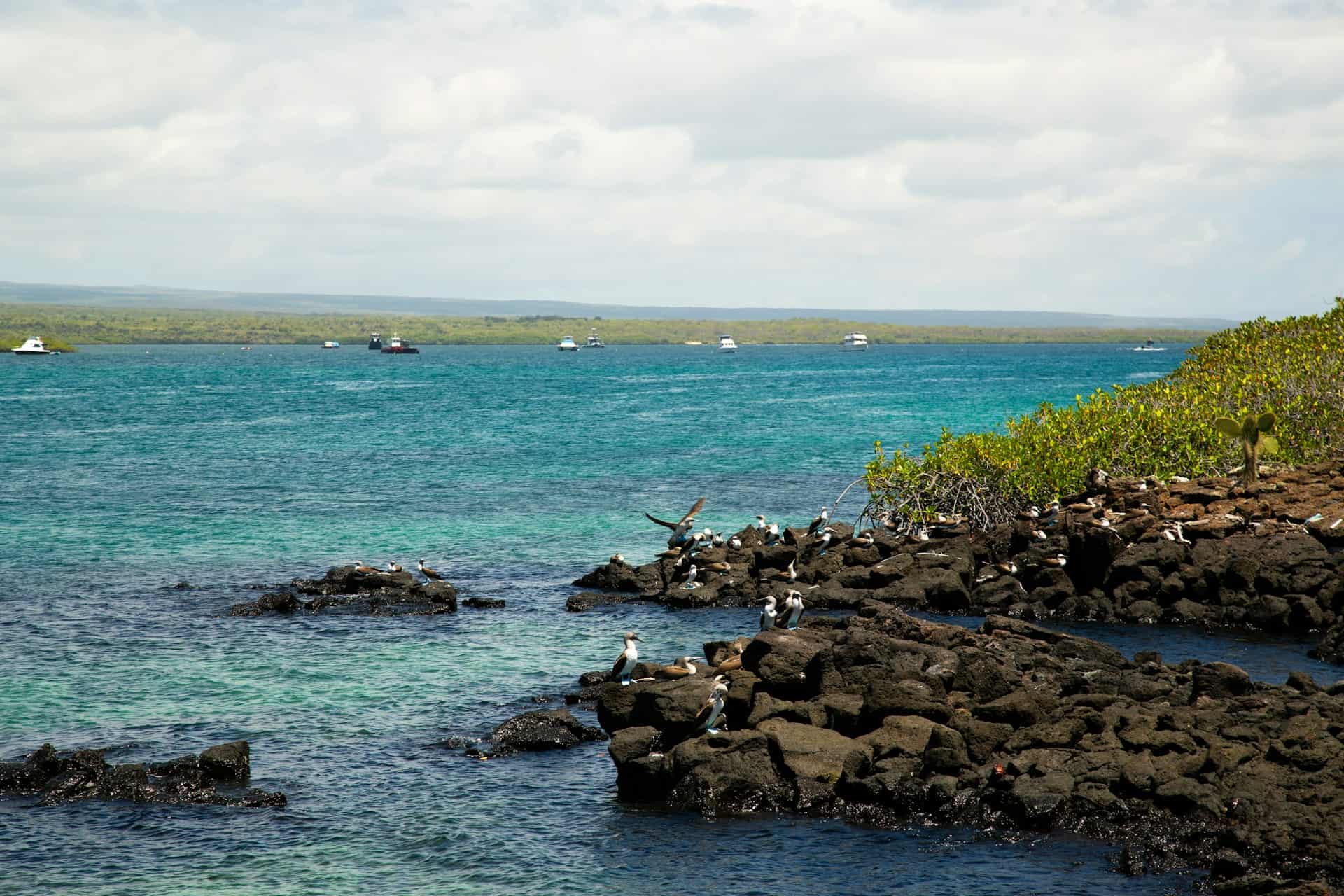
Sound carries across lava fields and calm bays. Quiet voices let breeding birds settle and marine iguanas feed without spooking into surf. Stay close to the guide so others can pass, and pause together when wildlife crosses a path. On boats, lights and noise drop at night to keep anchorages calm. Courtesy to animals and to other travelers adds up. The islands feel larger, and moments last longer when the soundscape stays natural.