Stop Packing for an “Average Trip”—These Are the Details That Actually Tell You What You’ll Need
We may earn money or products from the companies mentioned in this post. This means if you click on the link and purchase the item, I will receive a small commission at no extra cost to you ... you're just helping re-supply our family's travel fund.
Generic travel packing lists circulating widely online consistently fail to serve individual travelers well, according to both travel psychology research and the informal experience of frequent travelers, because these lists are designed around an abstracted average trip that doesn’t correspond closely to any specific traveler’s actual destination, activities, climate, or personal habits, producing lists that simultaneously include unnecessary items and omit genuinely important ones specific to a given trip.
Frequent travelers who report high satisfaction with their own packing process consistently describe a different approach entirely, one built around a small set of trip-specific variables, planned activities, destination climate and culture, and trip length, rather than a generic checklist template that assumes all trips share similar basic requirements regardless of actual destination or purpose.
Why the Generic List Approach Fails So Consistently
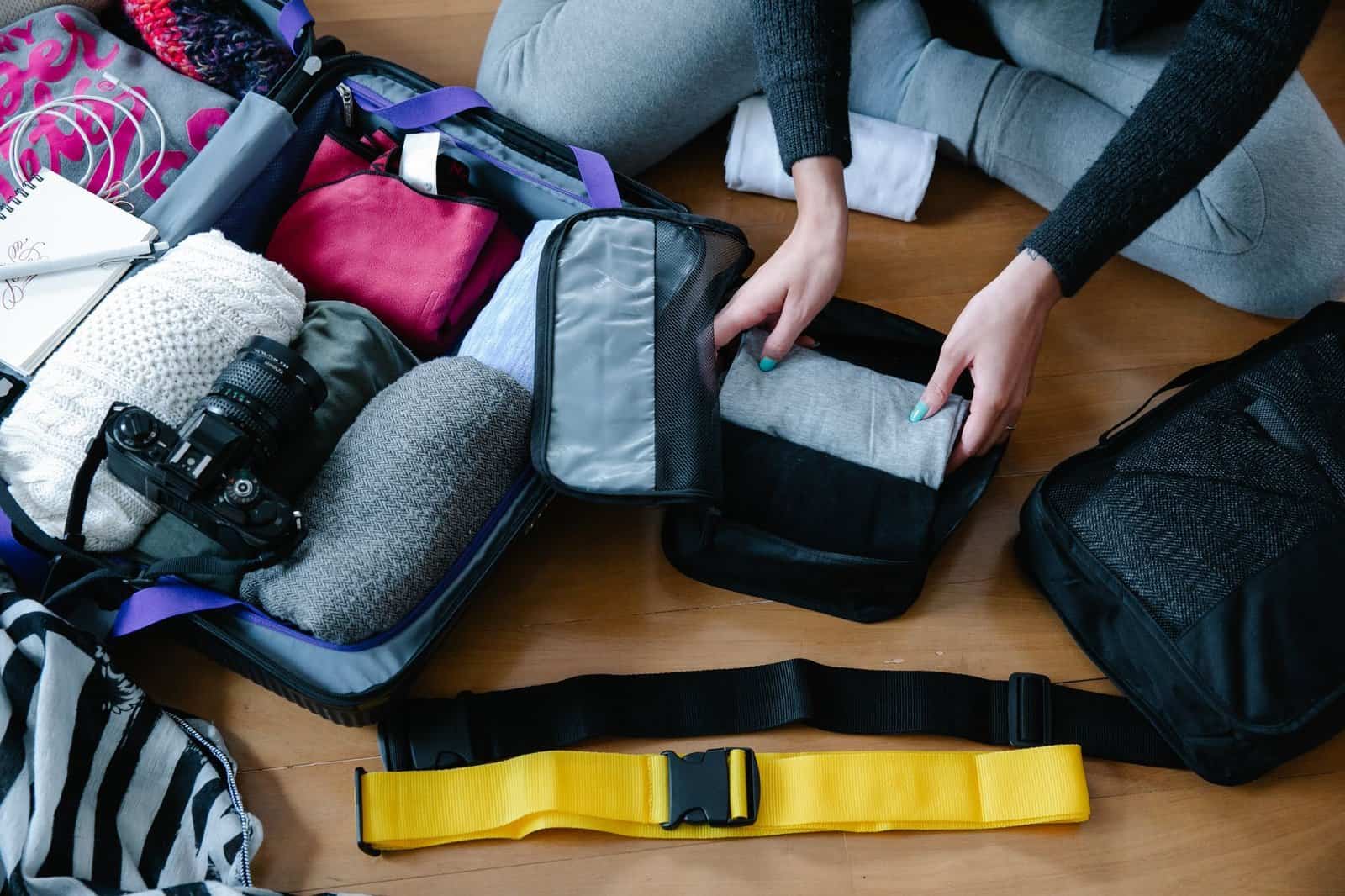
Generic packing lists necessarily generalize across an enormous range of possible destinations and trip types, producing recommendations that read as reasonable in the abstract but frequently miss specific requirements unique to a given destination’s climate, cultural norms, or planned activities, a gap that becomes obvious only once a traveler is already at their destination discovering what the generic list failed to anticipate.
This mismatch is compounded by the fact that most generic packing lists are written for a hypothetical average traveler with average preferences, meaning they frequently include items a specific traveler would never actually use, extra formal wear for a trip involving no formal occasions, for instance, while omitting specialized items that traveler’s specific planned activities would clearly require.
What Actually Predicts Successful Packing
Frequent travelers who report consistently successful packing outcomes generally describe building their list around a specific sequence of questions, what activities are actually planned, what the destination’s specific climate and cultural dress norms require, and how the trip’s length and lodging type affect laundry access and quantity needs, rather than starting from a generic template and modifying it.
- Trip-specific activity planning, rather than generic category checklists, tends to produce more accurate packing decisions according to frequent traveler surveys
- Researching a destination’s specific climate patterns for the actual travel dates, rather than assuming based on general regional reputation, prevents common under- or over-packing mistakes
- Understanding laundry access at the destination changes clothing quantity needs substantially compared to assuming a fixed number of outfits per day
- Reviewing photos or footage from other travelers who visited the same destination during a similar season can reveal specific packing needs a generic list would miss
How Experienced Travelers Actually Build Their Lists
Travelers with extensive trip experience frequently describe maintaining a personal base list refined over many trips, reflecting their own specific habits and preferences, that they then adjust for each new trip’s specific destination and activity requirements, a hybrid approach that captures some efficiency benefit from a starting template while still accounting for trip-specific variation that a purely generic list cannot.
This personalized approach also tends to improve over time as travelers learn from their own past packing mistakes, gradually refining their personal system based on actual experience rather than continuing to rely on generic advice that hasn’t been tested against their own specific travel patterns and preferences.
What This Means for Planning Your Next Trip
Rather than searching for a generic packing list online and following it closely, travelers are generally better served by starting with their trip’s specific activities and destination research, then building a list from those specifics, using a generic list only as a basic reminder checklist for commonly forgotten categories rather than as the primary source of what to actually pack.
This shift in approach requires slightly more upfront research and thought than simply copying a generic list, but frequent travelers consistently report it produces meaningfully better outcomes, fewer items brought that never get used and fewer gaps discovered only after arrival at the destination.
What This Means Looking Ahead
The trends described here are likely to continue evolving over the coming years, and the specific dynamics at play, economic, demographic, or environmental, will keep shaping how why generic packing lists fail travelers develops going forward, making it worth continued attention from anyone with a genuine interest in the place or subject rather than a one-time curiosity.
For now, understanding the fuller context behind why generic packing lists fail travelers gives a more accurate picture than the surface-level version most casual observers encounter, and that accuracy matters increasingly as more people make real decisions, about where to live, where to visit, or how to spend their money, based on incomplete or outdated impressions.
What Locals Say Compared to What Visitors Assume
Longtime residents familiar with why generic packing lists fail travelers often describe a considerably more nuanced picture than outside visitors or casual observers typically assume, with the day-to-day reality involving tradeoffs and complications that don’t fit neatly into either an overly romanticized or overly dismissive narrative about the place.
That gap between local knowledge and outside perception shows up repeatedly across similar cases nationally, and it’s a useful reminder that why generic packing lists fail travelers rewards a closer, more careful look rather than the quick surface judgment that most passing visitors or online commentary tend to settle for.
The Practical Takeaway for Anyone Paying Attention
Anyone planning to engage more seriously with why generic packing lists fail travelers, whether as a visitor, a potential resident, or simply someone trying to understand the underlying dynamics accurately, benefits from looking past the most commonly repeated version of the story and toward the specific data and history that actually explain how things got this way.
That extra bit of research rarely takes long, and it consistently produces a more useful and more accurate understanding than relying on secondhand impressions, making it worth the modest additional effort for anyone whose decisions actually depend on getting why generic packing lists fail travelers right.