Why Airlines Show Some Seats as “Unavailable” — and What It Can Mean for Your Booking
We may earn money or products from the companies mentioned in this post. This means if you click on the link and purchase the item, I will receive a small commission at no extra cost to you ... you're just helping re-supply our family's travel fund.
Airline booking systems frequently display certain seats as unavailable, blocked, or requiring an upgrade fee even when those seats are, in fact, physically empty on the aircraft, a practice that airline revenue management specialists confirm is a deliberate strategy rather than a booking system error, designed specifically to extract additional revenue from passengers willing to pay extra for seats the airline has determined carry a premium perceived value, extra legroom, aisle access, or proximity to the front of the cabin.
This practice, sometimes called seat map manipulation by aviation industry analysts, has drawn increasing consumer criticism as more passengers have become aware of the strategy, particularly after some airlines have been documented blocking seats from free selection even on flights with substantial empty seat capacity, a pattern that has occasionally prompted regulatory scrutiny in international markets with stronger consumer protection frameworks than the United States.
How the Seat Map Manipulation Actually Works
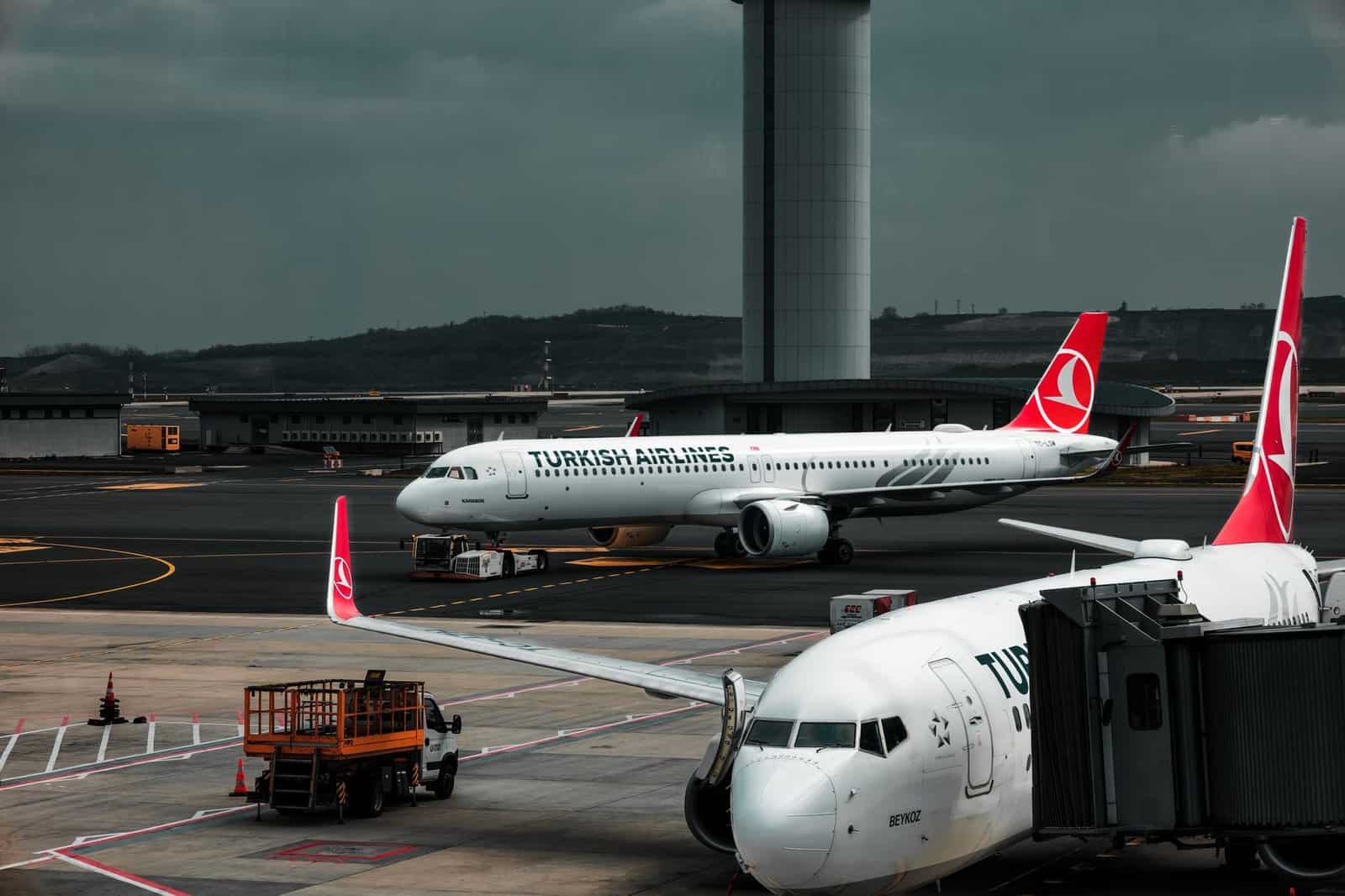
Airline revenue management systems categorize aircraft seats into multiple tiers based on factors like legroom, proximity to the front of the cabin, aisle or window positioning, and even distance from the lavatory, then price and restrict access to each tier separately, allowing airlines to charge a premium for seats passengers would otherwise select for free if given unrestricted seat map access during standard booking.
Airlines have refined this practice considerably over the past decade as ancillary revenue, income from sources beyond the base ticket price, including seat selection fees, has grown into an increasingly significant share of total airline revenue, incentivizing continued investment in more sophisticated seat categorization and pricing strategies that maximize the revenue extracted from passengers’ seating preferences.
Why This Practice Has Drawn Regulatory Attention
Consumer advocacy groups and, in some cases, government regulators have scrutinized the practice of blocking seats from free selection even when flights have substantial unsold capacity, arguing that displaying seats as unavailable or premium-priced when they will likely go unsold anyway misleads passengers about their actual options and unfairly pressures them into paying extra fees to avoid a randomly assigned seat.
- Ancillary revenue from seat selection fees and similar add-ons has grown into a significant percentage of total revenue for many major airlines
- Some airlines have faced consumer complaints specifically alleging that seats shown as unavailable during booking later appeared empty on the actual flight
- European Union consumer protection regulators have shown more willingness to scrutinize airline ancillary fee practices than U.S. regulators historically have
- Frequent flyer forums and consumer advocacy websites have documented specific strategies for identifying which blocked seats are likely to open up closer to departure
How Frequent Flyers Have Adapted to This System
Experienced frequent flyers have developed specific strategies for working around seat map manipulation, including waiting until closer to departure when airlines sometimes release previously blocked seats for free selection as the flight’s actual booking picture becomes clearer, or using airline status and loyalty program benefits that often include complimentary seat selection upgrades unavailable to passengers without elite status.
Some travelers have also reported success simply asking airline gate agents directly about seat changes shortly before boarding, since gate agents often have more real-time visibility into actual seat availability than the online booking system displayed during initial ticket purchase, sometimes resulting in a free upgrade to a previously blocked seat that showed as unavailable online.
What This Means for How You Book Your Next Flight
Understanding that seat map displays reflect a deliberate revenue strategy rather than simply showing true seat availability can help travelers make more informed decisions about when to pay for seat selection versus when to wait and see if a seat becomes available closer to departure, a strategy that requires more flexibility and risk tolerance but can meaningfully reduce the ancillary fees a budget-conscious traveler pays over the course of a year of travel.
Airlines are unlikely to abandon this revenue strategy given how significant ancillary fee revenue has become to overall airline profitability, meaning travelers are likely to continue encountering seat map manipulation for the foreseeable future, making informed awareness of the practice one of the more practical tools available for managing its financial impact.
What This Means Looking Ahead
The trends described here are likely to continue evolving over the coming years, and the specific dynamics at play, economic, demographic, or environmental, will keep shaping how airline seat map revenue strategies develops going forward, making it worth continued attention from anyone with a genuine interest in the place or subject rather than a one-time curiosity.
For now, understanding the fuller context behind airline seat map revenue strategies gives a more accurate picture than the surface-level version most casual observers encounter, and that accuracy matters increasingly as more people make real decisions, about where to live, where to visit, or how to spend their money, based on incomplete or outdated impressions.
What Locals Say Compared to What Visitors Assume
Longtime residents familiar with airline seat map revenue strategies often describe a considerably more nuanced picture than outside visitors or casual observers typically assume, with the day-to-day reality involving tradeoffs and complications that don’t fit neatly into either an overly romanticized or overly dismissive narrative about the place.
That gap between local knowledge and outside perception shows up repeatedly across similar cases nationally, and it’s a useful reminder that airline seat map revenue strategies rewards a closer, more careful look rather than the quick surface judgment that most passing visitors or online commentary tend to settle for.
The Practical Takeaway for Anyone Paying Attention
Anyone planning to engage more seriously with airline seat map revenue strategies, whether as a visitor, a potential resident, or simply someone trying to understand the underlying dynamics accurately, benefits from looking past the most commonly repeated version of the story and toward the specific data and history that actually explain how things got this way.
That extra bit of research rarely takes long, and it consistently produces a more useful and more accurate understanding than relying on secondhand impressions, making it worth the modest additional effort for anyone whose decisions actually depend on getting airline seat map revenue strategies right.