A House Near UVA in Charlottesville Now Costs What a House on the Actual Blue Ridge Parkway Costs. That’s Backwards.
We may earn money or products from the companies mentioned in this post. This means if you click on the link and purchase the item, I will receive a small commission at no extra cost to you ... you're just helping re-supply our family's travel fund.
Charlottesville, Virginia has become one of the more expensive small cities in the mid-Atlantic, with median home prices near the University of Virginia now regularly exceeding $550,000, a figure that has climbed so steeply over the past decade that homes close to campus now cost roughly the same, or more, than comparable rural properties directly along the Blue Ridge Parkway an hour southwest, an inversion that longtime residents find genuinely strange given that the parkway properties offer more land, more privacy, and arguably better views.
The explanation lies almost entirely in UVA’s gravitational pull on the local economy and the steady stream of visitors, prospective students, and transplants who fall for Charlottesville’s specific combination of college-town energy and Blue Ridge Mountain scenery, then discover what actually living there costs once they try to buy.
Why UVA Drives the Premium So Directly
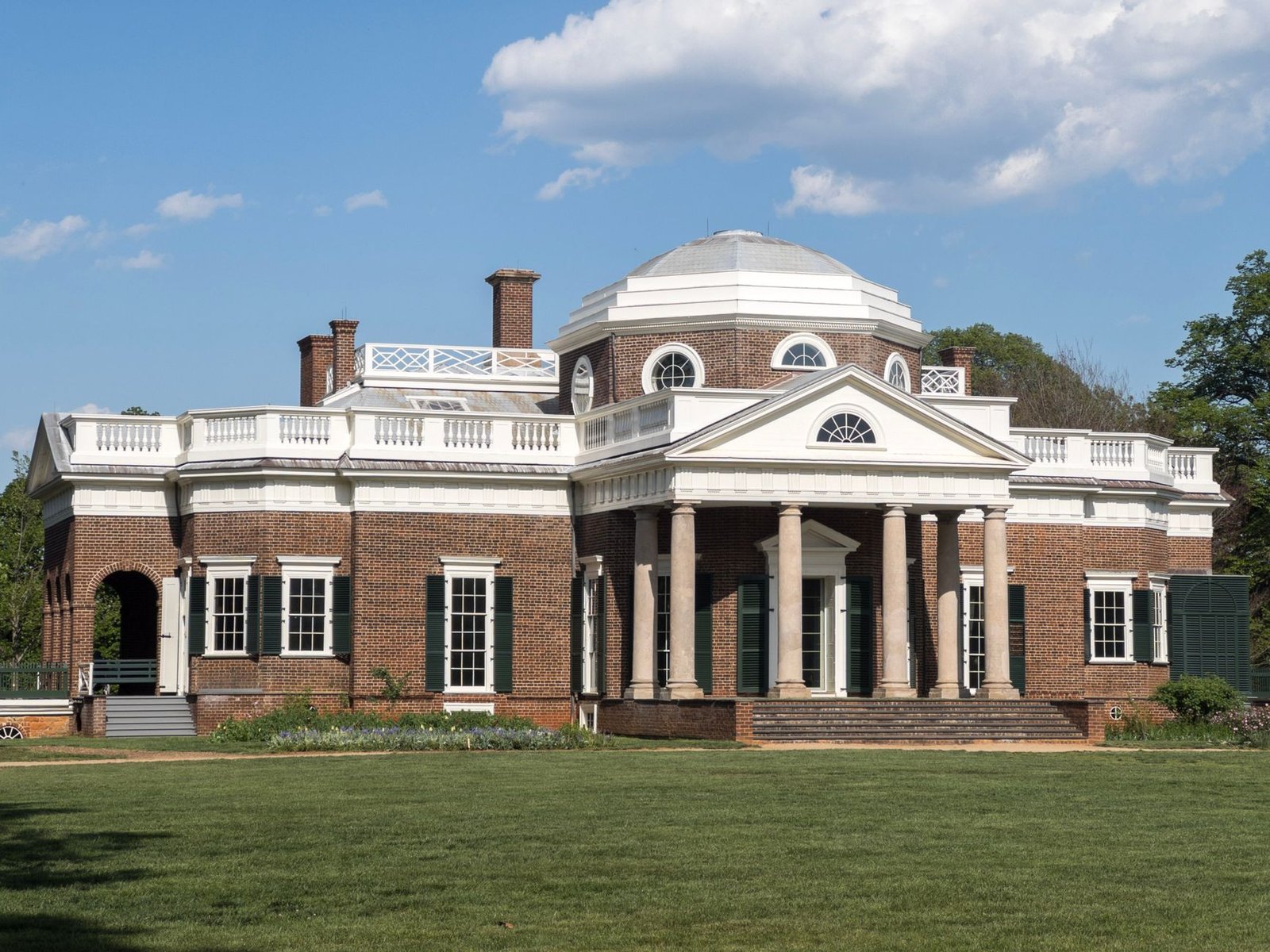
The University of Virginia, founded by Thomas Jefferson and still centered on his architecturally significant Academical Village, functions as Charlottesville’s dominant economic and cultural institution, drawing faculty, staff, students, and a substantial number of wealthy alumni who maintain or eventually purchase property in the area specifically to stay connected to the university community they experienced as students.
UVA’s Darden School of Business and its broader reputation as one of the country’s top public universities draws a wealthier applicant and family pool than many public flagship universities, and that wealth translates directly into local real estate demand as parents purchase investment properties near campus for their children to live in during school, then often keep or rent out the properties after graduation rather than sell.
UVA Health System, the university’s hospital and medical school, adds another major employment and demand driver independent of undergraduate enrollment, drawing physicians and medical staff who compete for housing in the same close-to-campus neighborhoods that student-oriented rental demand has already pushed toward premium pricing.
What Visitors Actually Want to See
Tourists visiting Charlottesville typically split their time between UVA’s historic Academical Village, downtown’s pedestrian mall, and day trips to Thomas Jefferson’s Monticello and James Madison’s Montpelier, both a short drive away, giving the city a historical tourism draw that operates largely independent of, but adjacent to, the university’s own gravitational pull on visitors and prospective residents.
- Monticello draws several hundred thousand visitors annually and remains one of the most visited presidential homes in the country
- UVA’s Rotunda and Academical Village were designated a UNESCO World Heritage Site alongside Monticello in 1987
- Charlottesville’s downtown pedestrian mall has operated as a car-free shopping and dining corridor since 1976, among the longest-running of its kind nationally
- The Blue Ridge Parkway’s nearest access points sit less than an hour southwest of downtown Charlottesville
The Blue Ridge Property Paradox
Properties directly along or near the Blue Ridge Parkway, despite offering more acreage, mountain views, and genuine rural privacy, have not appreciated at anywhere near the rate of Charlottesville’s UVA-adjacent neighborhoods, largely because rural mountain property lacks the employment access, school quality, and walkable amenities that drive most home-buying decisions even among buyers who claim to prioritize scenery and space.
This gap has created a real arbitrage opportunity that some remote workers have started to exploit, purchasing Blue Ridge-adjacent property at a fraction of Charlottesville’s in-town pricing while accepting a commute or occasional drive into the city for amenities, a tradeoff that a growing number of buyers have decided is worth making as Charlottesville’s own pricing has climbed further out of reach.
Why People Who Visit Always Want to Move There
Charlottesville’s specific combination, walkable historic downtown, elite university energy, wineries and orchards in the surrounding countryside, and genuine mountain access within a short drive, creates an unusually complete lifestyle pitch that consistently ranks the city near the top of best-places-to-live surveys and generates a steady stream of visitors who leave a weekend trip seriously considering relocation.
That consistent demand, sustained over decades rather than driven by any single recent trend, is precisely why Charlottesville’s housing costs have climbed so much faster than comparable-sized Virginia cities without a similarly potent combination of institutional anchor and scenic draw working together simultaneously.
What It Actually Costs to Live There Now
Beyond the home price premium, Charlottesville’s overall cost of living has risen to reflect its desirability, with restaurant and grocery pricing running noticeably above the Virginia state average and rental costs for anyone not affiliated with the university facing real competition from the steady student and staff demand that keeps vacancy rates low throughout the year.
For anyone visiting Charlottesville and imagining a future there, talking to residents about the actual cost of buying or renting near campus, rather than comparing it mentally to the visibly modest homes along the surrounding rural roads, tends to produce a far more accurate picture of what the city actually requires financially.
How the 2017 Rally Changed the City’s Reputation
Charlottesville’s national image shifted abruptly in August 2017 when white nationalist groups organized the Unite the Right rally over the planned removal of a Confederate statue, an event that turned violent and resulted in the death of counter-protester Heather Heyer, thrusting a college town previously known mainly for Jefferson and UVA into a very different kind of national headline for months afterward.
The city has spent years since working through the rally’s aftermath, including the eventual removal of Confederate monuments and ongoing community conversations about race and memory that continue to shape local politics, and while the tourism and real estate market recovered relatively quickly, the event remains a significant part of how many Americans first became aware of Charlottesville at all, a very different introduction than the university and wine country branding the city otherwise cultivates.
The Wine Country Economy Just Outside Town
Albemarle County surrounding Charlottesville has developed into a genuine Virginia wine region over the past two decades, with dozens of wineries now operating within a short drive of downtown, drawing weekend tourism that overlaps with but operates somewhat independently from the university-driven visitor economy, giving the broader area yet another draw that adds to sustained housing demand across the county, not just within city limits.
Jefferson Vineyards and other wineries have leaned into the Jefferson historical connection explicitly in their marketing, tying the wine country experience back to the same founding-era history that draws visitors to Monticello, creating a fairly seamless combined tourism pitch that keeps visitors, and eventually buyers, circulating between the university, the historical sites, and the vineyards without ever needing to leave the immediate region.