Leavenworth, Washington Rebuilt Itself as a Bavarian Village in 1962 After the Railroad Left. It Still Works.
We may earn money or products from the companies mentioned in this post. This means if you click on the link and purchase the item, I will receive a small commission at no extra cost to you ... you're just helping re-supply our family's travel fund.
Leavenworth, Washington faced economic collapse in the 1960s after the Great Northern Railway rerouted its line away from the town and a regional sawmill closure eliminated most remaining local employment, leaving a small Cascade Mountains town with no obvious economic future. In response, town leaders and business owners made a deliberate, almost improbable bet: rebuild Leavenworth’s entire downtown architecture and civic identity around a Bavarian alpine village theme, betting that the town’s genuine mountain scenery could support a manufactured cultural tourism draw even though the area had no actual German settlement history to justify the theme.
More than sixty years later, that bet has paid off decisively, with Leavenworth now drawing over two million visitors annually to a town of roughly 2,200 permanent residents, making it one of the most successful examples of intentional theme-town reinvention in American history and a case study regularly cited in tourism and economic development literature.
How the Bavarian Theme Was Chosen and Built
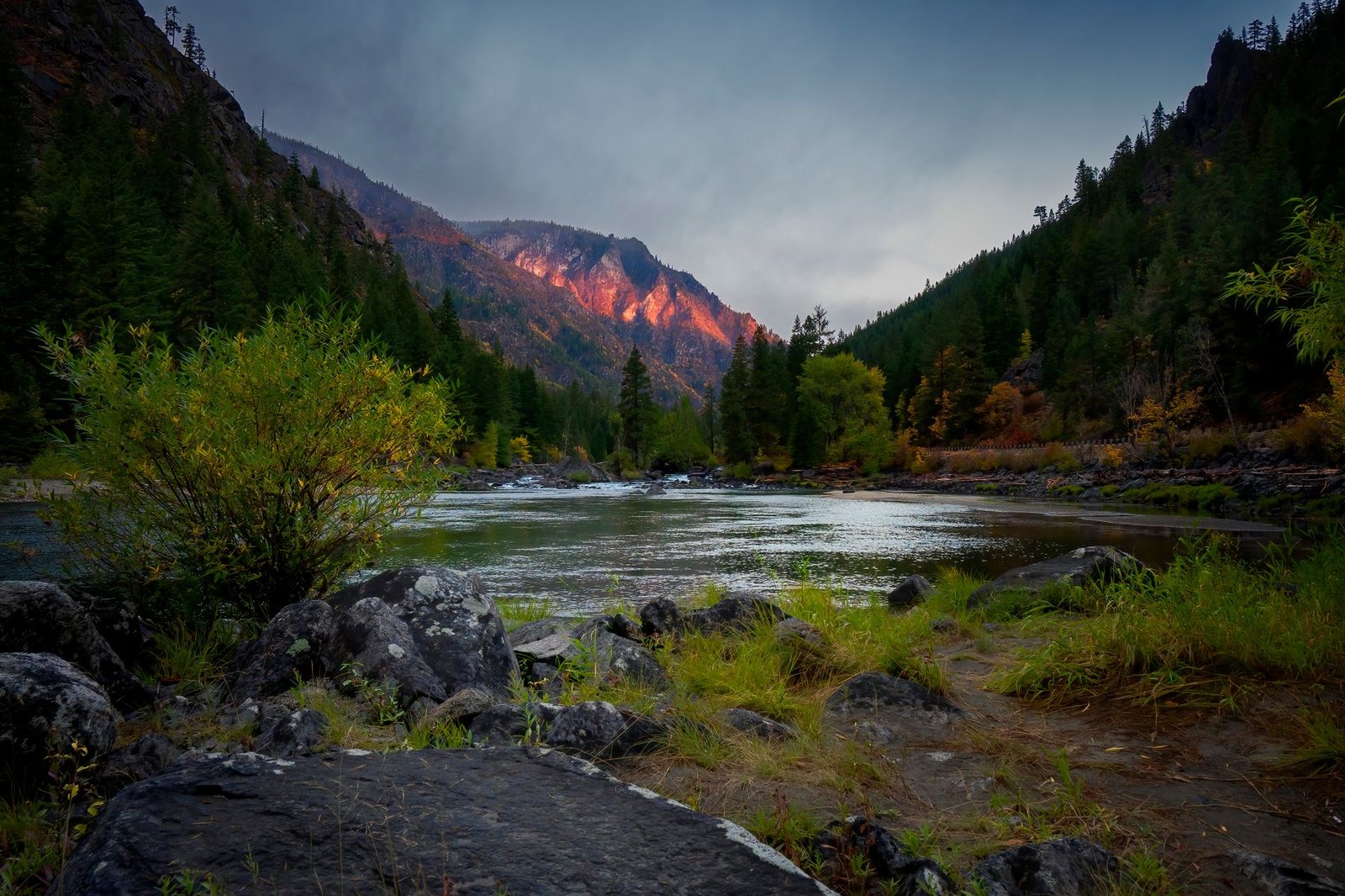
The transformation began in 1965 when local business owner Ted Price, after visiting Solvang, California’s successful Danish-themed village, proposed a similar reinvention for Leavenworth, arguing that the town’s genuine alpine mountain setting in the Cascades gave it a natural foundation for a European village theme that a flatter, less scenic town couldn’t credibly pull off. The Chamber of Commerce and local business community, facing genuine economic desperation, embraced the plan and began systematically renovating downtown storefronts into half-timbered, Bavarian-style facades over the following years.
City ordinances eventually codified the aesthetic requirement, mandating that new commercial construction and renovation in the downtown core follow the Bavarian architectural theme, a regulatory commitment that has kept the town’s look consistent for decades rather than allowing it to drift back toward generic American small-town commercial architecture as ownership changed over the years.
The theme extended beyond architecture into programming: Leavenworth developed an Oktoberfest celebration, a Christmas lighting festival, and other seasonal events explicitly modeled on German and Austrian alpine village traditions, giving the town a full calendar of theme-reinforcing events rather than relying on the architecture alone to sustain visitor interest year-round.
The Tourism Economy the Bet Actually Built
Leavenworth’s tourism economy today supports dozens of themed restaurants, breweries, and shops that would not exist in a generic small mountain town of the same size, and the town’s hotel and short-term rental capacity has expanded significantly to meet demand, particularly during peak seasons like the fall Oktoberfest celebration and the winter holiday lighting festival.
- Leavenworth draws an estimated two million or more visitors annually despite a permanent population of roughly 2,200
- The town’s Oktoberfest celebration, held over multiple weekends each fall, has become one of the largest in the Pacific Northwest
- Winter holiday lighting displays draw substantial visitor traffic even during the coldest months, smoothing out what would otherwise be a steep seasonal dropoff
- Local ordinances still require Bavarian-style architecture for new commercial construction in the downtown core, maintaining the theme’s consistency
What Locals Actually Think of the Theme
Longtime residents largely credit the Bavarian reinvention with saving the town from the fate of other former timber and railroad communities in the Cascades that never recovered from mid-century economic disruption, and the theme has become genuinely embedded in local identity rather than feeling like an imposed marketing gimmick to most residents who grew up with it as simply how Leavenworth looks and operates.
Some younger residents and newer arrivals have voiced occasional frustration with the rigidity of the architectural requirements when they conflict with modern building needs or personal taste, but there has been no serious organized movement to abandon the theme, largely because its economic success remains too obviously tied to the town’s continued viability for most residents to seriously consider reversing course.
The Cost of Visiting Leavenworth Now
Leavenworth’s popularity has driven lodging and dining prices well above what a town of its size and remote Cascades location would otherwise command, with peak-season hotel rates often exceeding $250 to $350 a night and restaurant prices reflecting the premium tourist positioning the town has cultivated deliberately over decades.
Parking and crowd congestion during peak events like Oktoberfest and the December lighting festival have become significant enough that the town has implemented shuttle systems and satellite parking to manage visitor flow, logistics that a town of 2,200 residents would never otherwise need but that Leavenworth’s tourism volume makes necessary every year.
Why the Model Is Hard to Replicate Elsewhere
Leavenworth’s success is frequently cited by other struggling small towns considering a similar theme-based reinvention, but tourism economists caution that the model depends heavily on factors difficult to replicate: genuine scenic mountain surroundings that make the theme visually credible, sustained multi-decade commitment from the local business community and government, and, critically, being an early mover before market saturation made theme-town tourism a more crowded, less novel proposition.
Towns that have attempted similar pivots in the decades since Leavenworth’s transformation have had far more mixed results, suggesting the specific timing and geographic conditions that made Leavenworth’s bet pay off may not transfer as cleanly as the frequently cited case study implies.
Solvang, California as the Original Template
Leavenworth’s founders were explicit that Solvang, California’s Danish-village reinvention, itself dating back to the 1940s and 1950s, served as the direct model for what they hoped to accomplish, and the two towns have maintained a kind of informal rivalry and mutual reference point ever since, each frequently cited alongside the other in tourism industry discussions of successful theme-town economic development. Solvang had the advantage of an actual, if modest, historical Danish settlement to build its theme around, since Danish immigrants founded the town in 1911, giving it a stronger historical justification than Leavenworth’s more purely invented Bavarian identity, which had essentially no connection to actual German or Austrian settlement in the area.
That distinction, an invented theme versus a historically grounded one, hasn’t seemed to matter much for either town’s tourism success, suggesting that visitors respond more to the aesthetic experience and consistency of execution than to the historical authenticity underlying it, a finding that has shaped how tourism consultants advise other towns considering similar reinventions in the decades since both towns established their respective models.