Tennessee’s Fifth-Largest City Has More Than 160,000 Residents—Here’s Why Travelers Keep Overlooking Clarksville
We may earn money or products from the companies mentioned in this post. This means if you click on the link and purchase the item, I will receive a small commission at no extra cost to you ... you're just helping re-supply our family's travel fund.
Quick quiz: which Tennessee city is fifth-largest? Most people guess Murfreesboro or Franklin. The answer is Clarksville, with more than 160,000 residents according to the 2020 census, behind only Memphis, Nashville, Knoxville, and Chattanooga. Yet it rarely appears on a travel list, and that is the story. Clarksville Tennessee is big enough to have a real downtown, a river, a university, and a major military neighbor, but it lacks a famous brand, so travelers on I-24 drive straight past.
Here is why that happens, and what you would see if you pulled off the interstate for a weekend.
Why Travelers Overlook Clarksville Tennessee
There are four reasons, and none of them say much about the city itself.
First, location. Clarksville sits about 45 miles northwest of Nashville on I-24, on the way to Paducah, St. Louis, and Chicago. For most drivers it is a mile marker between Nashville and Kentucky. Travelers who are already headed to Nashville tend to base themselves there, and those headed north are usually trying to make time.
Second, identity. Many Tennessee cities are known for one thing: Memphis has barbecue and the blues, Nashville has music, Knoxville has the Smokies and the Vols, Chattanooga has the outdoors. Clarksville has Fort Campbell, the Army post on the Tennessee-Kentucky line that is home to the 101st Airborne Division, and Austin Peay State University. Both shape the city, but neither is a tourism brand.
Third, marketing. The city has a smaller tourism budget than the large metro areas, so it does not show up in national campaigns.
Fourth, expectations. Many travelers assume a military-adjacent city is a collection of strip malls and housing developments. The truth is more interesting, though it takes some digging.
The Fort Campbell Effect
Fort Campbell sits just north of Clarksville and spills into Kentucky. It is one of the largest military installations in the country, and its soldiers, families, and civilian employees make up a large share of the local economy. That has several effects on a visit.
The population is younger and more transient than in many Tennessee cities. People arrive on assignment, stay for a few years, and move on. That keeps the restaurant scene varied, with food that reflects the places soldiers have lived. It also means the city has a lot of services, from hotels to repair shops, and a steady stream of visitors who come to see graduates, deployed family, or ceremonies.
If you want to see something related to the base, the Fort Campbell Historical Museum, located on post, covers the 101st Airborne and other units. Access to the base requires identification and may change, so check the base’s visitor information before you go. Closer to town, the Customs House Museum and Cultural Center in downtown Clarksville is one of the better regional museums, with exhibits on local history, art, and a model railroad.
What to Do Downtown
Clarksville’s downtown sits on a bluff above the Cumberland River, near where the Red River meets it. The riverfront has been redeveloped in recent years, with a greenway, a pedestrian bridge, and a park area. The Cumberland Riverwalk is a pleasant place for an evening stroll, and the city hosts events along the water through spring and summer.
Food is a major reason to stop. You will find a mix of barbecue, Southern cooking, Mexican restaurants, and craft breweries and distilleries. Tennessee’s whiskey tradition is strong, and Clarksville has several small producers and tasting rooms. A short list of types of stops to look for:
- A downtown lunch counter or diner serving a meat-and-three plate.
- A craft brewery or distillery with a tasting flight.
- A coffee shop near the Customs House Museum.
- A barbecue place with ribs, pulled pork, and sides, often priced around $12 to $18 for a plate.
Austin Peay State University’s campus has a lively calendar of sports, music, and theater. The Governors compete in NCAA Division I, and a basketball or football game is an easy and inexpensive night out.
Outdoor Options Beyond the Interstate
Clarksville is a better outdoor base than many people expect. The Cumberland and Red Rivers offer fishing and paddling. Dunbar Cave State Park, on the north side of town, features a cave system with a rich history, including use by Native Americans and later as a resort and music venue. The park has a lake, walking trails, and cave tours on selected dates. Check the state park website for the tour schedule and any fees.
Nearby, Land Between the Lakes National Recreation Area lies about 45 minutes west. It is a 170,000-acre peninsula between Kentucky Lake and Lake Barkley, with hiking, camping, wildlife viewing, and a herd of bison. Many travelers drive past it on the way to somewhere else, but it is one of the best day trips in the region and an easy add-on.
A Little History Worth Knowing
Clarksville was founded in the late 1700s and grew as a river port and a center for dark-fired tobacco, which was shipped down the Cumberland. That trade shaped the downtown’s brick warehouses and the old Montgomery County courthouse square. Austin Peay State University grew out of a local school that opened in 1927 and has since become the largest institution in the city after Fort Campbell. Knowing this helps the place make sense: it was a working river town long before it became a military and college city, and some of that practicality still shows in the food, the architecture, and the people.
A Simple Weekend Plan
Start Friday evening at the riverfront with a walk and dinner downtown. On Saturday, visit the Customs House Museum in the morning, then drive to Dunbar Cave State Park for a hike or a cave tour. Eat lunch at a barbecue or meat-and-three spot, then head west to Land Between the Lakes for the afternoon, where you can see the bison herd, walk the shoreline, and stop at the Elk and Bison Prairie. Return for a craft beer or a tasting at a local distillery, and finish with a ballgame or live music if one is on. On Sunday, linger over a long breakfast before the drive home, and you will have seen more of the area than most travelers who have passed it a dozen times.
Why Staying Here Makes Sense
If you are traveling the Nashville corridor, Clarksville offers a few practical advantages. Hotel rates are often lower than in Nashville, particularly on weekends when Nashville prices spike. The drive to downtown Nashville takes around 45 to 60 minutes outside rush hour, depending on traffic. You can enjoy music and big-city events and still return to a quieter, cheaper base.
For visitors headed north, Clarksville is a good overnight stop. It has plenty of hotels along the interstate, a wide range of restaurants, and easy access to the highway the next morning.
Families visiting soldiers at Fort Campbell often need lodging and meals and tend to look for places with extended-stay features, such as kitchens and laundry. That has created a hotel market with a range of options at moderate prices.
What a Meal Costs and Where to Stay
Clarksville is affordable by Tennessee standards. A casual breakfast usually runs $8 to $14, a sit-down dinner often lands between $15 and $30 per person, and craft cocktails or tastings add a bit more. Hotels cluster along Wilma Rudolph Boulevard and near the I-24 exits, with typical rates of roughly $90 to $160 a night outside peak events. Wilma Rudolph, the Olympic sprinter who won three gold medals in 1960, grew up in Clarksville, and the city honors her with a statue and a boulevard that carries her name. That is one more reason the town deserves a second look.
Who Should Skip It
Clarksville is not for everyone. If you want a dense, historic downtown with nonstop nightlife, Nashville and Chattanooga do that better. If you want mountains and waterfalls, head east. Clarksville is a place for travelers who like regional food, river views, easy parking, and a city where the main attractions are modest but real. It also rewards people who like a connection to American military history.
Practical Tips
- Check event calendars. The city hosts festivals, parades, and a sizable farmers market, and hotel demand spikes around military graduations and university events.
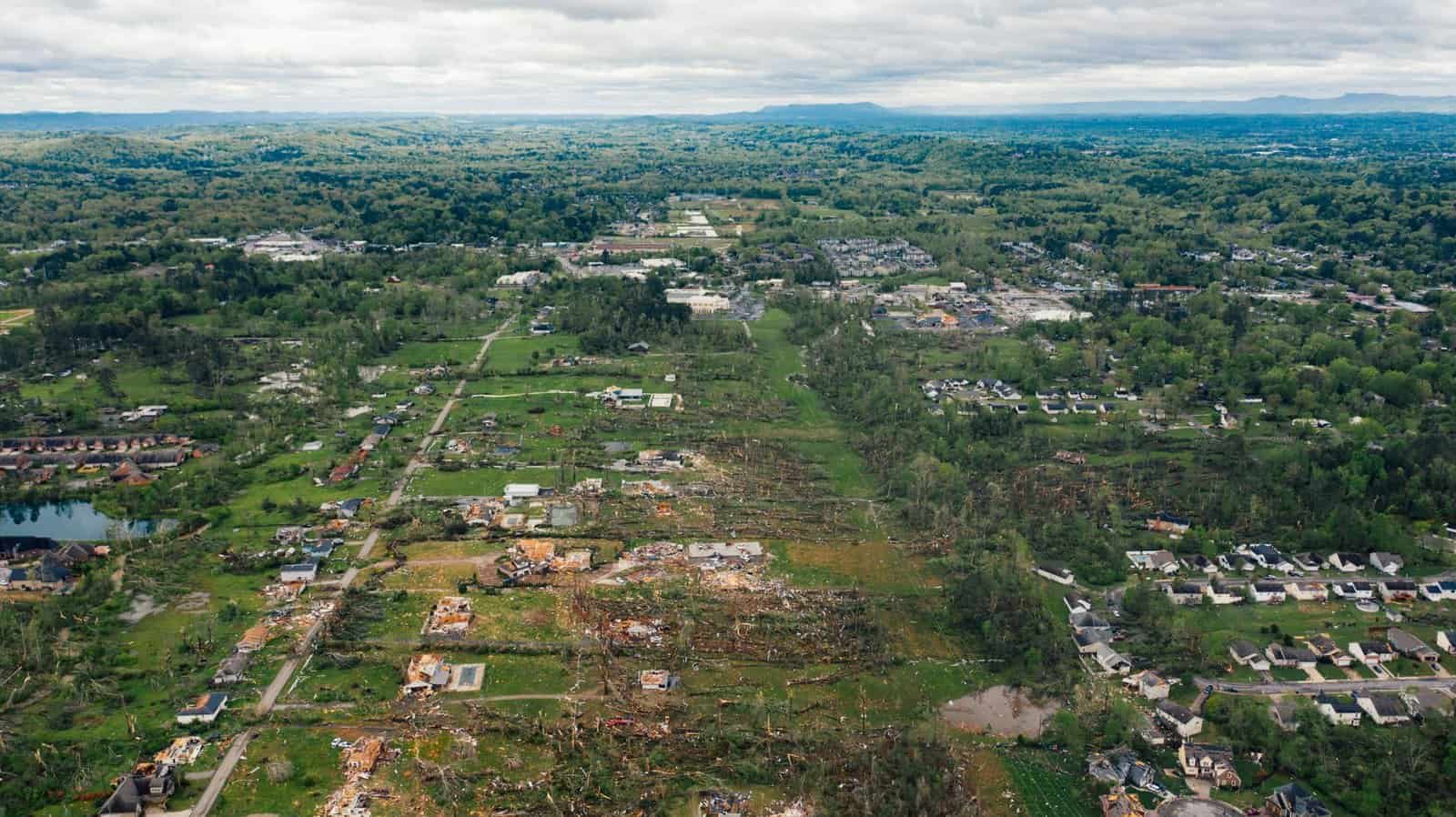
- Plan around the weather. Summers are hot and humid, and spring can bring severe storms. Fall is pleasant.
- Allow time for traffic near the gates of Fort Campbell, especially in the morning and late afternoon.
- If you need a rental car, book ahead, as the city has limited public transit and ride-share can be unreliable late at night.
- Confirm hours for museums and parks, which may change seasonally.
The Takeaway
Clarksville Tennessee gets overlooked because it is in the wrong place on the map and has the wrong kind of reputation for travel lists. It is the fifth-largest city in the state, with more than 160,000 residents, a river downtown, a major university, and one of the country’s largest Army posts next door. That combination makes it a practical and surprisingly pleasant place to stop, whether you are on a Nashville trip, driving north, or visiting family on post.