Volkswagen Opened a Plant in Chattanooga in 2011. Here’s What That Did to the Surrounding 100 Miles
We may earn money or products from the companies mentioned in this post. This means if you click on the link and purchase the item, I will receive a small commission at no extra cost to you ... you're just helping re-supply our family's travel fund.
Volkswagen opened its Chattanooga assembly plant in 2011, the company’s first American factory in decades and a signature bet for a mid-sized Southern city that had spent years reinventing itself after its smokestack past. Fifteen years later, the Volkswagen Chattanooga plant is still the biggest single manufacturing employer in the metro area, and its effects stretch well beyond the gates of Enterprise South Industrial Park. Suppliers set up shop across southeast Tennessee and north Georgia, new residents moved to the region, and the factory became the center of a nationally watched union drive.
Here is what that did to the roughly 100 miles around it, in the order people tend to notice: jobs, suppliers, housing and growth, and the larger economic and labor shifts that followed.
What the Volkswagen Chattanooga Plant Did to the Region
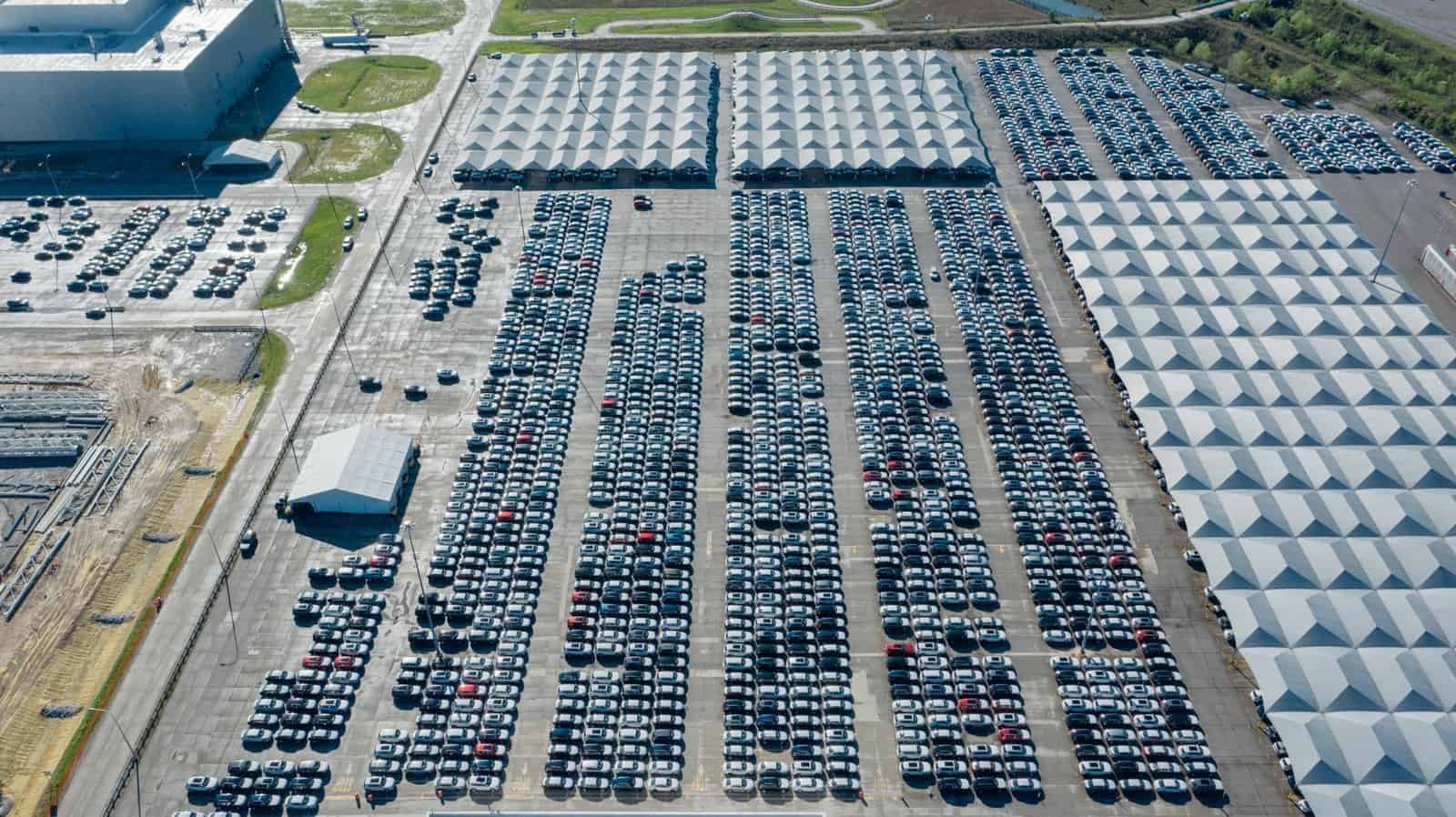
The plant was announced in 2008 as a roughly $1 billion project, with a promise of around 2,000 direct jobs. Production of the Passat began in 2011, and over the following years the company added the Atlas SUV and later electric vehicles, the ID.4, as it expanded the site. Today the plant employs several thousand hourly and salaried workers, and the facility has grown to include a battery pack assembly operation and a training academy. The exact numbers change as production shifts, so check current company reports for up-to-date counts.
Three effects stand out. First, the plant anchored a manufacturing cluster. Second, it gave the region a reputation that attracted other investment. Third, it created social and economic pressures that are still being worked through, from housing costs to labor relations.
Jobs and wages
Direct jobs at an assembly plant typically pay well compared with other local options, and many are accessible without a four-year degree. Workers who would have earned retail or warehouse wages can earn considerably more on an assembly line, with benefits. That lifts local spending and supports restaurants, repair shops, daycare centers, and car dealers. It also changes expectations: other employers in the region have had to raise pay to compete for workers.
The indirect effect is larger than the direct one. Each assembly job is usually matched by more jobs at suppliers, logistics firms, and service providers, though the exact multiplier is debated by economists and depends on the study. In the Chattanooga region, that meant new openings in truck driving, tool-and-die work, plastics, metal stamping, and maintenance.
The Supplier Web Across State Lines
An assembly plant draws suppliers because carmakers prefer to buy parts nearby. The region’s location helped. Chattanooga sits on the Georgia line, close to I-75, I-24, and I-59, which connect to Atlanta, Nashville, Birmingham, and the Southeast’s other auto plants. Supplier facilities appeared in the Chattanooga area, the Cleveland area to the northeast, and the Dalton and Rossville areas in Georgia. Some are large operations employing hundreds, and some are small machine shops that added a line of work for the plant.
This pattern of suppliers within a few hours’ drive is why people talk about the effect across 100 miles rather than just the city limits. A worker might live in Cleveland, Tennessee, commute 35 minutes to Chattanooga, and have a spouse employed at a supplier in Georgia. The factory becomes a regional anchor, not a local one.
The region already had a manufacturing base in carpets, chemicals, and metal products, so the plant built on that expertise. It also gave local community colleges, including Chattanooga State, a reason to expand training in mechatronics and industrial maintenance. Programs that fit a specific employer’s needs tend to produce graduates with clearer paths to jobs.
Growth, Housing, and the Feel of the City
Chattanooga was already in the middle of a revival. The riverfront, the Tennessee Aquarium, the Walnut Street Bridge, and the city’s high-speed fiber network, which launched in 2010, gave it a reputation as a place to watch. The plant added to that story, and it coincided with a wave of newcomers drawn by outdoor recreation and lower costs than in larger cities.
The effects on housing are visible. Home prices in Hamilton County and surrounding areas rose significantly over the past decade, as they did in much of the Southeast, and new subdivisions spread into places like Ooltewah, Apison, and across the state line in Georgia. Rents rose too. Not all of that is due to Volkswagen, because national housing trends, remote work, and migration all played a part, but a large employer with well-paid workers does create demand.
Traffic is another change. Highway 153 and the I-75 corridor near the plant see commuter traffic, and local governments have invested in road upgrades. A growing region also raises questions about water, schools, and open space, which local officials debate regularly.
The Union Story That Put the Region in the News
Chattanooga became a national labor story because of the plant’s unusual history with unions. The United Auto Workers attempted to organize the plant in 2014 and 2019 and lost both votes narrowly. In April 2024, after a campaign that drew national attention, workers voted overwhelmingly in favor of joining the UAW, becoming the first foreign-owned auto plant in the South to vote to unionize. The vote was widely covered, and it made the plant a symbol for efforts to organize Southern auto factories.
What that does to the region is still unfolding. Supporters argue that a union contract raises wages and standards across local manufacturing, while critics worry about costs and competitiveness. Negotiations and later developments continue to shape the story, so look to current reporting for updates. For the region, the key fact is that the plant is now a testing ground for how Southern manufacturing and organized labor interact.
How Far the Ripple Reaches
Think of the effect as rings. In the inner ring, within about 15 miles, you find the workers, the plant’s neighbors, and the fastest-growing subdivisions. In the middle ring, 15 to 50 miles out, are the commuter towns and supplier sites, including parts of Bradley and Bledsoe counties in Tennessee and Catoosa and Whitfield counties in Georgia. These are the places where a factory shift change can be felt on the road and where small businesses report steady demand. In the outer ring, around 100 miles away, the effect is thinner but real: trucking firms, parts shops, and recruitment from towns on the Cumberland Plateau and in the northern edge of Alabama. Communities in that outer ring sometimes lose workers to higher wages in Chattanooga, a mixed blessing when local employers are short-staffed.
Economic Development Lessons
The Volkswagen plant also shaped how the region approaches economic development. The state and local governments offered an incentive package to win the project, which critics at the time said was expensive. Supporters argue that the payroll, supplier activity, and tax revenue justify the cost. The honest answer is that it is hard to know what would have happened without the plant, but few people in the region would call it a failure.
The experience taught local leaders a few lessons:
- Training matters. Investment in community college programs paid off when employers needed skilled workers.
- Diversification helps. A region with one anchor employer is vulnerable to shifts in the auto industry, so leaders have pursued other sectors, including logistics, health care, tech, and tourism.
- Infrastructure is a constraint. Roads, water, and housing must keep pace with growth.
- Quality of life attracts talent. The riverfront, parks, and trails helped recruit engineers and managers from elsewhere.
What the Plant Did Not Fix
It is worth being clear about the limits. A large factory does not by itself solve poverty, housing shortages, or school gaps, and parts of Chattanooga’s urban core still struggle with the same inequality that many American cities face. Wages at an assembly plant are good, but they do not reach everyone, and the pace of price increases has outstripped some paychecks. Automation and the shift to electric vehicles also change how many workers a plant needs, which is why training and diversification remain priorities.
What It Means If You Visit or Move
For visitors, the plant is not a tourist attraction, although the company has offered tours and the city has a strong sense of its manufacturing history. What you will notice is the growth. Downtown Chattanooga has more restaurants, hotels, and apartments than a decade ago, and the surrounding towns have more chain stores and subdivisions. Hotel rates are often higher during weekdays when business travelers fill rooms, and weekends can be busy with outdoor events and conferences.
For people thinking about moving, the region offers a mix of urban amenities and nature, with the Cumberland Plateau, Lookout Mountain, and the Tennessee River all close at hand. Housing is still cheaper than in Atlanta or Nashville, but the gap has narrowed. Workers in manufacturing find a strong job market, and those in other fields benefit from a growing economy. Newcomers should compare commute times, school options, and flood or hillside conditions when they choose where to live.
The Takeaway
When Volkswagen opened its Chattanooga plant in 2011, it did more than add a factory. It created thousands of jobs, built a supplier network that crosses the Georgia line, accelerated growth and housing demand, and eventually became the focus of a historic union vote. The region within 100 miles is richer, busier, and more expensive than it was, and it faces the same questions as any place that relies heavily on one industry. The plant is a reminder that a single employer can reshape a region, for better and for worse.