Vietnam, Thailand, and Indonesia Get Bundled Into One ‘Southeast Asia Trip’ Constantly. Planning Them the Same Way Is a Mistake
We may earn money or products from the companies mentioned in this post. This means if you click on the link and purchase the item, I will receive a small commission at no extra cost to you ... you're just helping re-supply our family's travel fund.
A huge share of first-time Southeast Asia travelers build a single itinerary that jumps between Thailand, Vietnam, and Indonesia as though they’re variations on the same trip. In practice, the three countries differ enough in transportation infrastructure, cost, and pacing that treating them identically leads to a rushed, frustrating trip rather than the relaxed backpacker loop the region’s reputation promises.
Thailand Is Built for Tourists in a Way Its Neighbors Aren’t
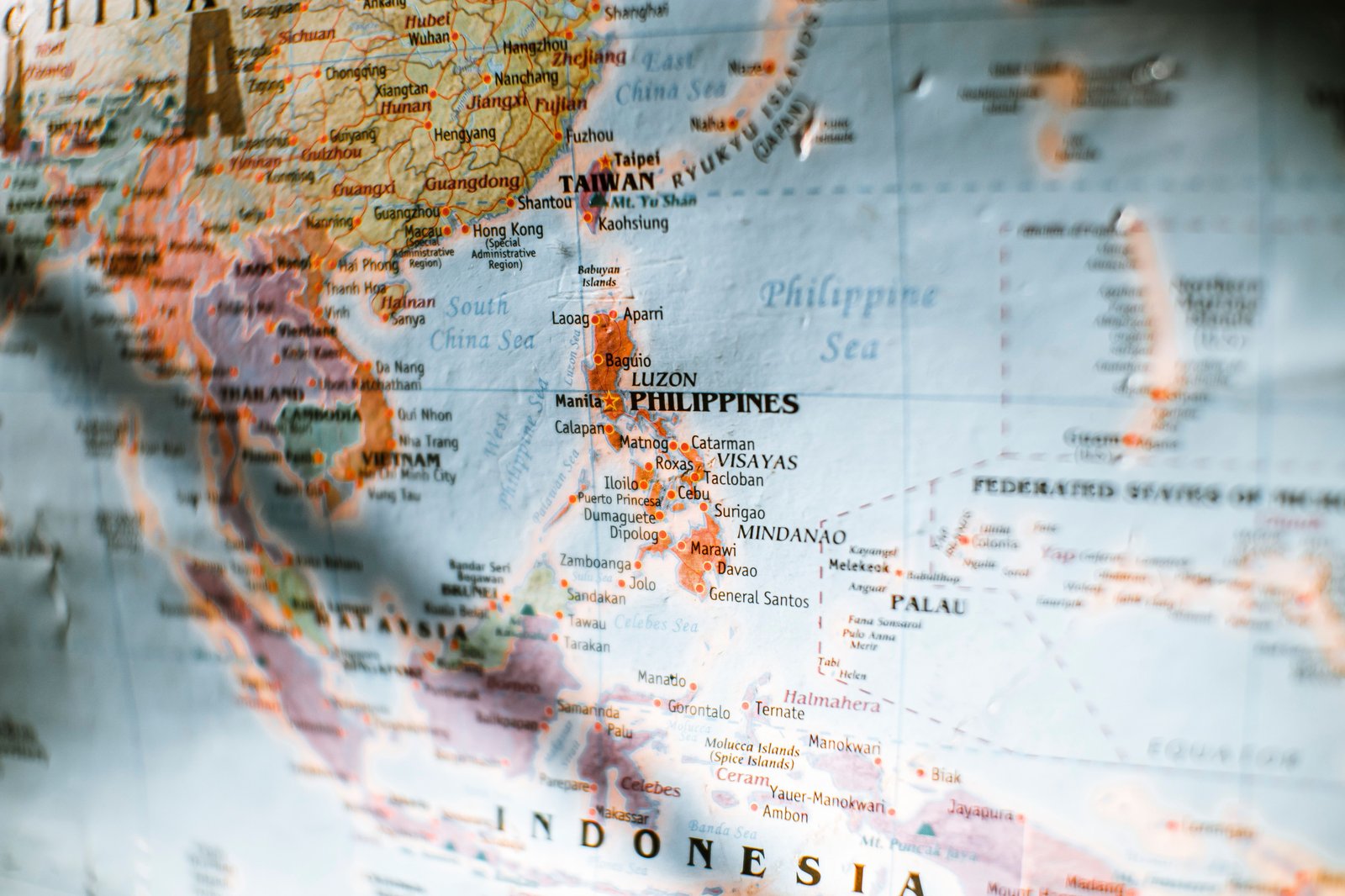
Thailand has the region’s most mature tourism infrastructure by a wide margin, extensive budget airline networks, well-developed overnight train and bus routes, and a decades-old backpacker circuit running from Bangkok through Chiang Mai down to the southern islands. That maturity shows up directly in cost and visa terms: Thailand offers visa-free entry for many nationalities with a 30-day validity window, one of the most permissive arrangements in the region, according to a detailed cost and visa breakdown from a long-term Southeast Asia traveler published on [Be My Travel Muse](https://www.bemytravelmuse.com/southeast-asia-on-a-budget/).
That same infrastructure maturity is exactly why Thailand can feel more crowded and commercialized in its most popular stops, Phuket, Koh Phi Phi, central Bangkok, than travelers expect from marketing built around untouched beaches. The country rewards travelers who plan around its efficient transport network to reach quieter regions rather than staying clustered in the most Instagrammed spots.
Vietnam and Indonesia Demand a Different Pace
Vietnam’s geography, a long, narrow country stretching more than 1,000 miles from Hanoi to Ho Chi Minh City, means overland travel eats far more time than a map suggests, and travelers who try to hit the north, central coast, and south in a single short trip usually end up spending more time in transit than at any destination. Vietnam also charges a visa fee, roughly $25 for a 30-day entry according to the same cost breakdown, a small but real difference from Thailand’s visa-free arrangement that adds friction first-time visitors don’t always plan for.
Indonesia presents an entirely different planning problem: it’s not one landmass but an archipelago of thousands of islands, meaning inter-island travel almost always requires a flight or a lengthy ferry rather than a bus or train. Bali’s tourism infrastructure is genuinely comparable to Thailand’s most developed areas, but travelers who assume the rest of Indonesia matches Bali’s ease of movement often find destinations like Flores, Sumatra, or Sulawesi require far more logistical planning, patience, and budget for internal flights.
What Actually Changes Trip Planning Country to Country
- Thailand’s rail and bus networks make overland multi-city trips genuinely efficient; Vietnam’s length makes the same approach far slower than it looks on a map
- Indonesia’s island geography means budgeting for domestic flights or ferries between regions rather than assuming bus-and-train logistics will work throughout the country
- Visa costs and validity windows differ enough between countries, visa-free in Thailand and Malaysia versus paid entry in Vietnam and Cambodia, that a multi-country loop needs its own separate visa budget line
Why Malaysia and the Philippines Complicate the Picture Further
Malaysia sits closer to Thailand’s infrastructure model, with a well-developed highway and rail network connecting Kuala Lumpur to Penang and the southern peninsula, plus visa-free entry for many nationalities with a generous 90-day window, according to the cost and visa comparison cited earlier. The Philippines, by contrast, shares Indonesia’s archipelago problem, more than 7,000 islands, meaning a Philippines trip that tries to cover both Luzon and the popular southern islands like Palawan or Siargao requires the same kind of flight-dependent planning that catches Indonesia-bound travelers off guard.
Cambodia and Laos round out the region with the least-developed tourism infrastructure of the group, slower overland travel, less consistent English proficiency outside major tourist hubs, and visa fees on the higher end of the region’s range. That’s not a reason to skip them, both offer some of the region’s most rewarding, least commercialized travel experiences, but it does mean they require a slower, more flexible itinerary than a traveler coming from a Thailand-only trip might expect to need.
Currency and payment infrastructure differ enough across the region to matter for trip planning too, Singapore and Malaysia have widely available card payment and ATM access comparable to Western countries, while more rural stretches of Vietnam, Cambodia, and Indonesia still function primarily on cash, meaning travelers moving between countries need to plan currency exchange and cash reserves differently depending on exactly where the itinerary goes next.
Language and English proficiency also vary enough to affect trip planning meaningfully: Singapore and Malaysia offer widespread English fluency given their colonial-era history and multilingual education systems, while rural Vietnam, Laos, and Cambodia require more reliance on translation apps or a phrasebook, a practical difference that shapes how much a traveler should budget for guided tours versus independent exploration in each country.
Food safety and water quality standards also shift noticeably across the region, a factor that rarely appears in glossy travel marketing but matters directly to trip planning: Singapore and Malaysia maintain food safety standards close to Western norms, while travelers in more rural parts of Vietnam, Cambodia, and Indonesia typically need to plan around bottled water and more selective street food choices, a practical consideration that shapes how adventurous a first-time regional visitor should be with each country’s food scene.
Building in that flexibility from the start, rather than assuming every country in the region behaves like whichever one a traveler has visited before, is what separates a smooth multi-country Southeast Asia trip from a frustrating one.
Travelers who’ve done a single-country trip to each nation individually before attempting a multi-country loop consistently report a smoother experience, since they arrive at the combined trip already calibrated to each country’s specific pace rather than trying to learn three systems simultaneously under time pressure.
None of this means a multi-country Southeast Asia trip is a bad idea, it remains one of the most rewarding regions in the world for slower, longer travel, but the planning has to account for real structural differences between countries rather than treating the region as a single interchangeable itinerary. Travelers who budget extra transit time for Vietnam’s length and extra flight costs for Indonesia’s island geography consistently report smoother trips than those who try to apply Thailand’s efficient infrastructure assumptions across all three countries.