Americans Are Moving Abroad in Record Numbers. Here’s What Nobody Tells You Before You Go
We may earn money or products from the companies mentioned in this post. This means if you click on the link and purchase the item, I will receive a small commission at no extra cost to you ... you're just helping re-supply our family's travel fund.
Why Americans Are Moving Abroad in Record Numbers
The drivers are a mix of pull factors (abroad is appealing) and push factors (America feels harder).
- Remote work has decoupled income from location for an estimated 15–20% of the American workforce
- Healthcare costs: an American in a country with national healthcare often pays a fraction of U.S. premiums for comparable or better care
- Housing costs: a $2,500/month U.S. salary buys a very different life in Medellín ($1,500/month apartment with a view and a housekeeper) than in Austin (a studio with no parking)
- Quality of life: slower pace, better food, less commuting, more human-scale cities
- A political and cultural environment that many Americans are consciously seeking distance from — in both directions on the political spectrum
Mexico: The Most Popular Choice — And the Most Misunderstood
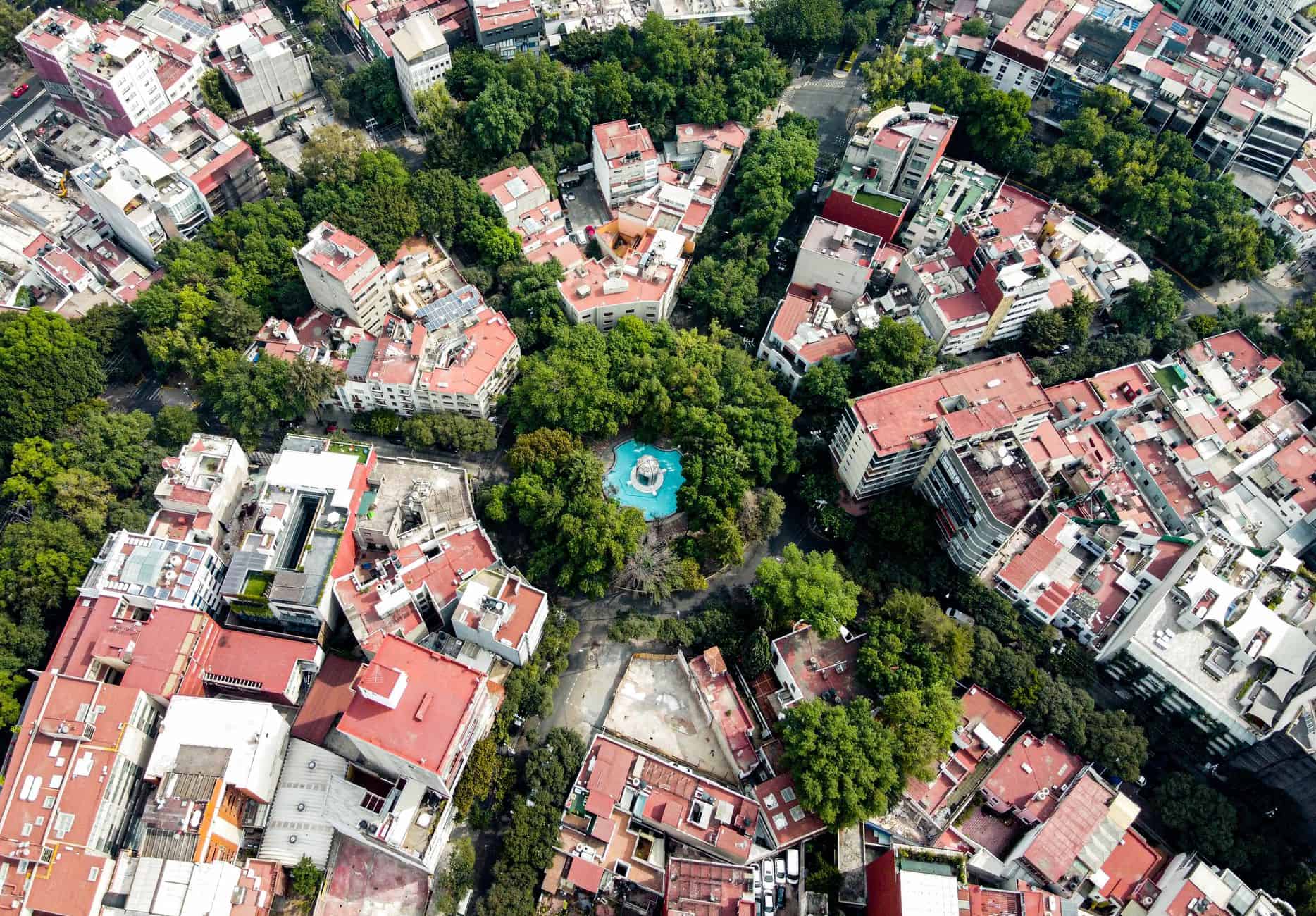
Mexico is by far the most common destination for American expats, with an estimated 1.5–2 million Americans living there. The experience varies enormously by location.
Popular expat hubs:
- San Miguel de Allende — A Colonial-era city in Guanajuato state, designated a UNESCO World Heritage Site. Long-established English-speaking expat community. Excellent healthcare, art scene, and temperate climate year-round. The catch: it’s become so popular with Americans that it now functions partly as an American colony with Mexican architecture. Rents have risen sharply.
- Oaxaca City — A cultural capital with extraordinary food, indigenous textile traditions, and a smaller expat community than San Miguel. Slower to gentrify. More authentic daily life engagement. Higher requirement for Spanish ability.
- Mérida, Yucatán — Safe, affordable, walkable, and less trafficked by tourists than the Riviera Maya coast. The city’s historic centro has been restored beautifully. Summer heat is brutal (40°C+) and non-negotiable.
- Mexico City (Roma Norte, Condesa) — A genuine global city with all the infrastructure and none of the cost. A 2-bedroom apartment in Roma Norte runs $1,200–$1,800 per month. The restaurant scene is legitimately world-class. The air quality and traffic are the consistent downsides.
What Americans in Mexico consistently say:
- Spanish is more important than most Americans budget for. Conversational Spanish in 6 months is achievable; it makes the difference between living in Mexico and living in an American bubble in Mexico.
- The safety picture is more nuanced than both the fearful American and the dismissive expat portray. Specific neighborhoods in specific cities are genuinely safe; parts of others are not. Research at the neighborhood level, not the national level.
- Bureaucracy — visas, banking, importing possessions — is harder than expected and often requires a local specialist to navigate
Portugal: The Dream Destination That’s Changing Fast

Portugal was the expat destination story of 2021–2024. It is still excellent but the economics have shifted.
- Lisbon rents have risen 40–60% since the expat boom began — a 1-bedroom in Alfama that cost €800 in 2020 now costs €1,400
- The NHR (non-habitual resident) tax regime that attracted wealthy expats has been discontinued for new applicants
- The Golden Visa program that attracted real estate investors has been significantly restricted
- Porto remains better value than Lisbon and arguably more livable for long-term residents
- The interior of Portugal — Alentejo, Beiras, Trás-os-Montes — remains dramatically affordable and almost completely undiscovered by foreign residents
What Americans in Portugal say:
- Portuguese bureaucracy is legendarily slow. Banking, residency applications, and healthcare registration can each take months. “Despachante” services (bureaucracy navigators) are worth every euro.
- The Portuguese are welcoming but not effusive — the relationship deepens slowly. Don’t expect American-style warmth in initial interactions.
- The food, wine, weather, and pace of life consistently exceed expectations. Almost no American expat in Portugal regrets the move on a day-to-day quality-of-life basis.
Thailand: The Classic Expat Experience

Thailand has hosted a significant American and European expat community for decades. It remains one of the best-value quality-of-life propositions on earth.
- Chiang Mai: the cultural capital and digital nomad hub of the country. Excellent healthcare (Chiang Mai Ram Hospital is internationally accredited), $400–$800/month for a comfortable apartment, a food scene that people compare favorably to anywhere in Asia.
- Bangkok: a global city with infrastructure that exceeds most American cities in specific ways — the BTS Skytrain and MRT subway are excellent, the healthcare system at hospitals like Bumrungrad International rivals any in the world at 20–30% of U.S. costs.
- Visa situation: Thailand has struggled to create a straightforward long-term visa for non-investors and non-retirees. The LTR (Long Term Resident) visa, introduced in 2022, helps but has income requirements ($80,000/year or $1M in assets). Visa runs used to be the workaround — the Thai government has tightened this.
What Americans in Thailand say:
- The food is as good as everyone says. Possibly better.
- The heat and humidity in Bangkok and the south are a genuine adjustment that never fully disappears
- Thai language is difficult enough that most expats remain in an English-language bubble, which limits depth of cultural integration
- The cost-of-living advantage has narrowed slightly as expat-heavy areas gentrify, but remains substantial vs. any U.S. metro
Italy: The One That Requires the Most Commitment
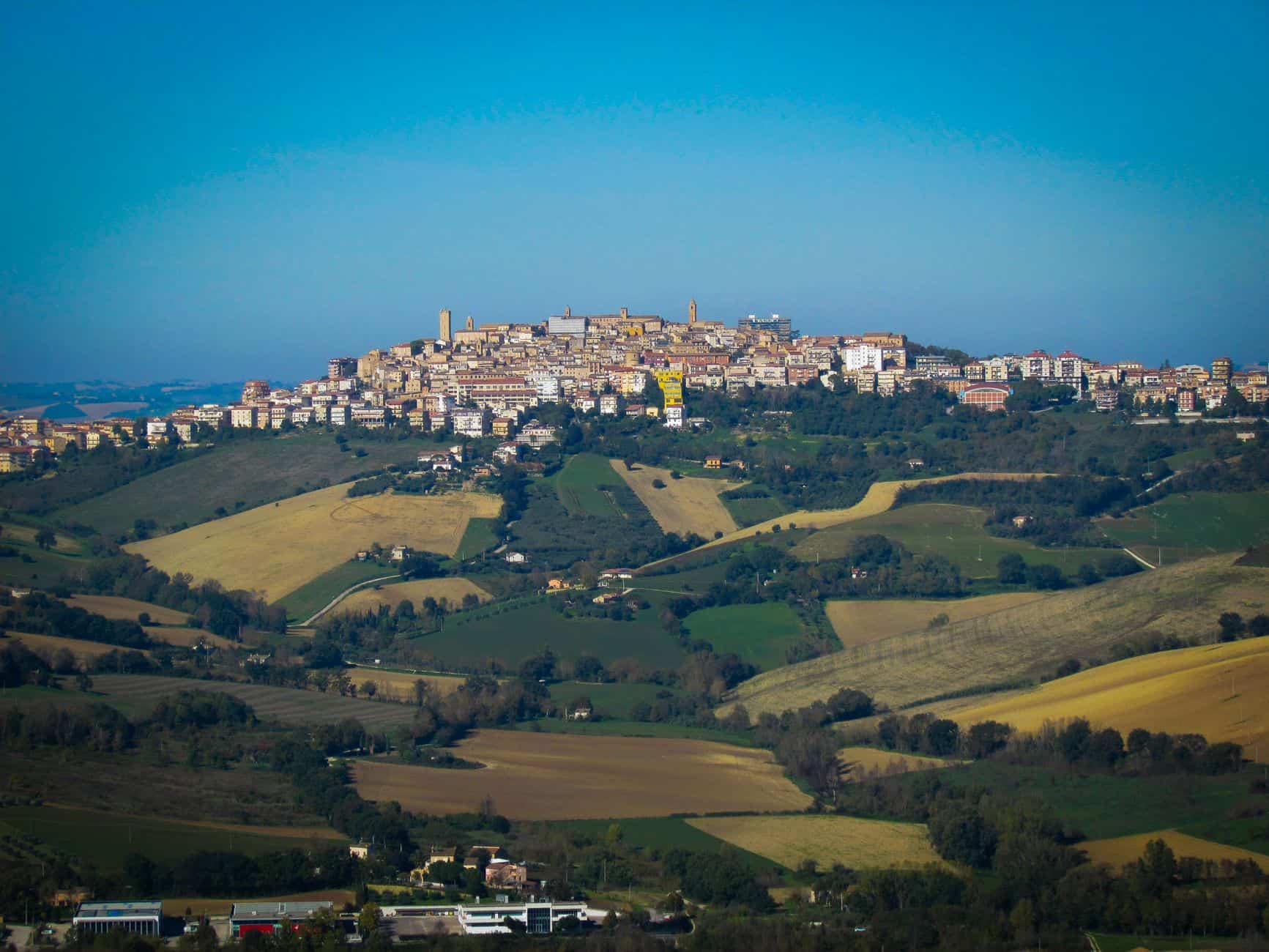
Italy is the dream destination for a significant portion of American expatriate fantasists — and the one where the gap between fantasy and reality is the largest.
- Italian bureaucracy is among the most complex in Europe. Establishing residency, opening a bank account, and obtaining a codice fiscale (tax number) can take months of in-person appointments conducted entirely in Italian.
- The €1 home program — municipal programs selling abandoned houses for symbolic prices in depopulating Southern Italian towns — has attracted significant American attention. The reality: the homes require substantial renovation investment (often €50,000–€150,000) and are in remote locations with limited employment and services.
- The Italian economy has structural challenges — employment is difficult for non-citizens and the digital nomad visa, while available, is relatively new and inconsistently administered
- The quality of life for those who successfully establish themselves: many Americans describe it as the best of their lives. The food, the human pace, the beauty, the social fabric of Italian community life are exactly what the dream promised.
Who succeeds in Italy:
- Retirees with pension income who have time to navigate the bureaucracy
- People with existing Italian heritage and family connection
- Remote workers with significant income who can hire professionals to handle legal and bureaucratic requirements
- People who commit to learning Italian before they arrive — this is non-negotiable for real integration
Colombia: The Underdog That Keeps Winning

Colombia is the most interesting expat destination story right now.
- Medellín has transformed from the world’s most dangerous city to a World Bank-awarded urban innovation model. The expat community is growing rapidly — and still feels like a community rather than a colony.
- Cost of living: genuinely transformative for most Americans. A comfortable apartment in El Poblado: $700–$1,200/month. A housekeeper who comes twice a week: $150–$200/month. A meal at an excellent restaurant: $10–$15.
- Healthcare: Colombia’s healthcare system is genuinely good at a fraction of U.S. cost. Private health insurance for a healthy American runs $50–$100/month for comprehensive coverage.
- The practical challenges: internet infrastructure in Medellín is excellent; in smaller cities it varies. The visa path for long-term residents has become more structured with the digital nomad visa (V Nómada Digital) — valid for 2 years and renewable.
What Americans in Colombia say:
- Spanish proficiency matters even more than in Mexico because the expat infrastructure is less developed — you’ll need Spanish to navigate daily life outside El Poblado
- The Colombian people are among the warmest and most genuinely welcoming in Latin America
- The coffee is as good as the reputation. The fruit is better.
The Things Nobody Tells You Before You Move

Every expat I’ve spoken with offers variations on the same list of surprises.
- Loneliness is real and underestimated — The first 3–6 months abroad are frequently the hardest. Building a social network takes time. The Instagram version of expat life shows the restaurants and sunsets; it doesn’t show the Tuesday evenings when you don’t know anyone to call.
- Banking is a genuine problem — Many countries make it difficult or impossible for non-residents to open local bank accounts. Charles Schwab’s international debit account (reimburses all ATM fees worldwide) and Wise (for international transfers) are near-universal among long-term travelers and expats.
- U.S. tax obligations follow you — Americans are taxed on worldwide income regardless of residence. The Foreign Earned Income Exclusion helps (excludes up to ~$126,000 in foreign earned income from U.S. taxes) but expats still file U.S. tax returns annually. A tax professional who specializes in expat returns (Taxes for Expats, Bright!Tax) is worth every dollar.
- Reverse culture shock is real — Americans who return after significant time abroad often find the U.S. harder to readjust to than the country they left. The pace, the scale, the food portions, and the cultural volume all feel different after extended time elsewhere.
How to Test It Before You Commit

The best approach to living abroad is almost always: test first, commit second.
- A 3-month stay (the typical visa-free period in most countries) gives you enough time to experience a destination in non-vacation mode
- Rent an apartment, not a hotel or Airbnb — living in a residential building reveals the daily reality of a city in ways that tourist accommodation doesn’t
- Attend expat meetups — every destination on this list has organized communities of foreign residents who are generally happy to answer specific questions from people considering the move
- Run a genuine financial comparison: current U.S. cost of living vs. projected destination cost of living. Include healthcare, visa fees, language learning costs, and one annual flight home.
- Identify the specific dealbreakers before you go — for some people it’s reliable fast internet, for others it’s access to specific healthcare, for others it’s a minimum cultural and entertainment threshold. Knowing your dealbreakers before you arrive prevents the wrong move.
Nine million Americans have made it work. Most of them describe the decision as one of the best they’ve made. The ones who struggled usually didn’t do enough homework first — or went for the dream version without accounting for the actual one.