The Voluntarily Bumped Airline Trick That Gets You Cash — Not the Voucher They Want You to Take
We may earn money or products from the companies mentioned in this post. This means if you click on the link and purchase the item, I will receive a small commission at no extra cost to you ... you're just helping re-supply our family's travel fund.
On overbooked flights — which is most domestic flights, most days of the week — airlines need passengers to voluntarily give up their seats. They’ll offer compensation to do it. Most passengers accept the first offer without negotiating. Many accept a travel voucher when they could have gotten cash. Some don’t even know they could volunteer at all.
This is a well-documented opportunity for anyone with schedule flexibility, and the people who use it deliberately treat it as a repeatable travel strategy rather than a lucky accident.
Here’s exactly how it works and how to do it correctly.
How Airline Overbooking Works and Why It Creates Opportunity
Airlines routinely sell more tickets than there are seats on the plane. This is not a secret — it’s a documented practice based on the statistical reality that some percentage of ticketed passengers will not show up. Airlines have decades of no-show data and their overbooking models are sophisticated.
When more passengers show up than there are seats, the airline has a problem it needs to solve. Their preferred solution is to find volunteers willing to take a later flight in exchange for compensation — this is much cheaper for the airline than the involuntary bumping process, which triggers regulatory compensation requirements.
The financial math favors the passenger who knows what they’re doing. An airline that needs one volunteer seat might be willing to spend $800-$1,500 in compensation. A passenger who gives up a seat on a two-hour flight and rebooks three hours later for $1,000 in cash has been paid extremely well for their flexibility.
Volunteer vs. Involuntary: The Crucial Difference in Compensation

This distinction matters enormously.
Involuntary bumping — when the airline removes you from a flight without your consent — triggers DOT-regulated compensation:
- If the airline gets you to your destination within 1 hour of original arrival: no compensation required
- 1-2 hours late (domestic) or 1-4 hours late (international): 200% of one-way fare, up to $775
- More than 2 hours late (domestic) or more than 4 hours late (international): 400% of one-way fare, up to $1,550
Voluntary bumping — when you agree to give up your seat — is a negotiated agreement. There are no regulatory minimums. The airline will typically start lower than they would have to pay for an involuntary bump, but the amount is negotiable and can exceed involuntary compensation when airlines are desperate.
This means voluntary bumping is not a guaranteed windfall — it requires knowing what to ask for and being willing to walk away from bad offers.
When to Volunteer (and When to Stay Put)
The conditions that make voluntary bumping worth pursuing:
- You have real schedule flexibility — the next flight to your destination within a few hours works for you
- You’re not checking a bag with anything time-sensitive or irreplaceable in it
- You don’t have a tight connection at your destination airport
- You’re not traveling to a destination with infrequent service — if flights only go twice a day, a bump could strand you until the next day
- It’s a high-demand route and time — holiday weekends, Monday mornings, Friday afternoons — these are the overbooking conditions most likely to generate good offers
Conditions that should make you stay put:
- You need to be at the destination for time-specific events (weddings, meetings, cruises)
- You’re traveling with children who can’t handle additional airport time
- The next available flight isn’t until the next day
- You have checked bags that can’t be pulled from the aircraft and rebooking them is complicated
The Negotiation Most Passengers Don’t Know They Can Have
Airlines will announce gate calls for volunteers and state an offer — “We’re looking for four passengers willing to take a later flight in exchange for a $300 voucher.” Most people hear this as a fixed offer. It’s not.
The gate agent has latitude to negotiate, especially when they need more volunteers than they’re getting at the initial offer price. Here’s what experienced voluntary bumpers do:
- Don’t rush to the desk first: Let the initial wave respond. If the gate agent still needs volunteers after the first few people, your negotiating position is stronger.
- Ask what the current offer is: Sometimes it’s already been raised from the initial announcement without a re-announcement.
- State your terms clearly: “I’m willing to volunteer if you can do $800 in cash and a confirmed seat on the 6 PM flight” is a negotiating position. State it. Don’t ask if it’s possible — say what you want.
- Get confirmation of the next flight before signing anything: A volunteer agreement on the promise of “the next available flight” is vague. Get the specific flight number, departure time, and your seat assignment confirmed before you agree.
Cash vs. Voucher: How to Get the One You Actually Want
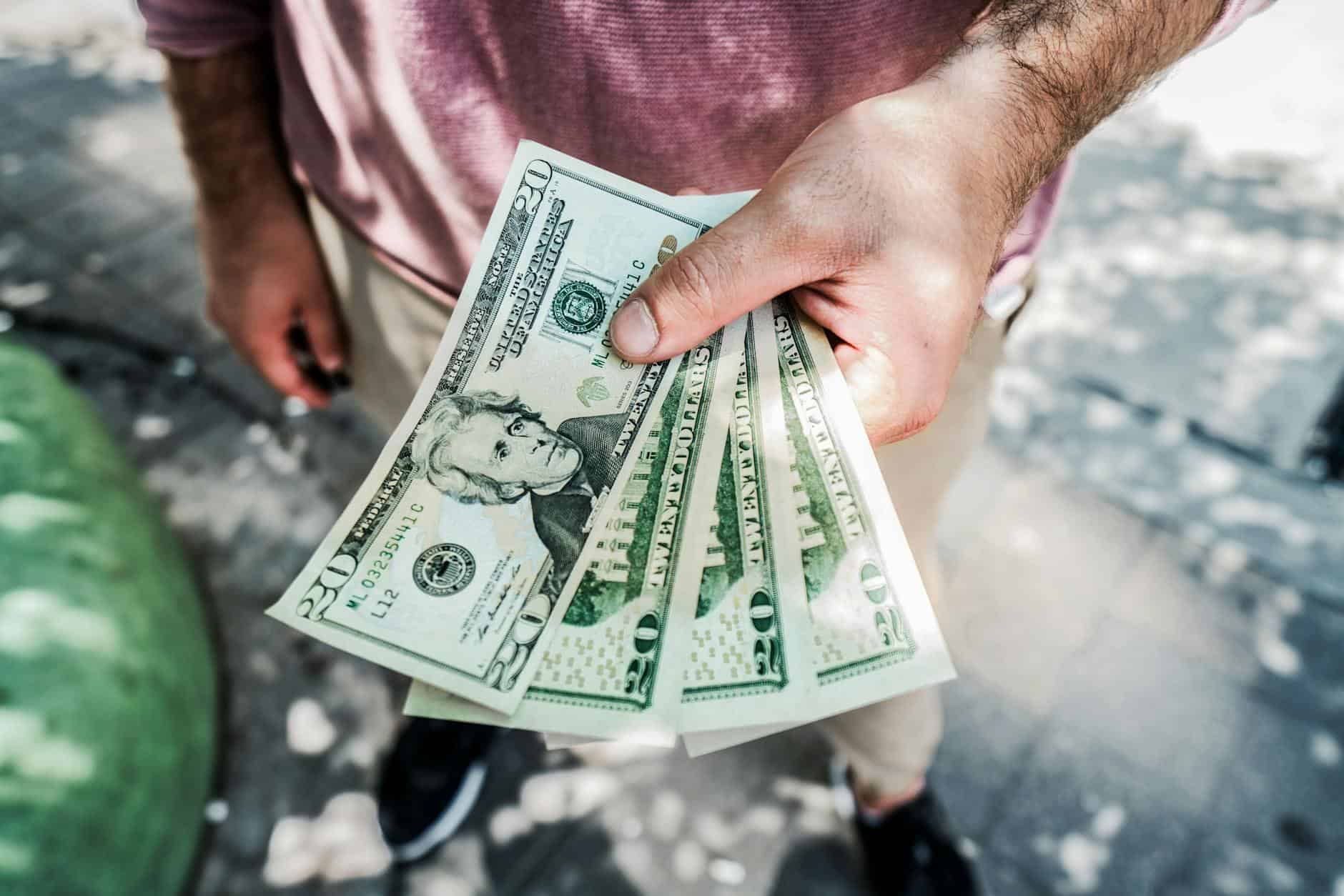
Airlines strongly prefer to pay voluntary bumpers in flight vouchers. Vouchers keep your money in the airline’s ecosystem, expire after a defined period (often 12-18 months), and may have blackout dates or restrictions that reduce their practical value.
Cash — or more precisely, prepaid Visa/Mastercard debit cards or check payment — is genuinely worth more and requires you to explicitly ask for it.
The Ask
“I’d prefer the compensation in the form of cash or a prepaid debit card rather than a flight voucher. Is that possible?”
Some airlines are more willing to do this than others. Delta and American have historically been more willing to negotiate cash compensation for volunteers. Southwest uses a voucher/travel funds system that has no cash equivalent. United has varied.
If the agent says cash isn’t possible, the negotiation shifts to: what’s the actual usability of the voucher? Does it expire? Are there blackout dates? Can it be used for bag fees and upgrades, or only base fare? Is it transferable? Understanding these terms makes the voucher offer more legible — a no-blackout, 24-month voucher with no restrictions is worth more than a 12-month voucher with restrictions.
Protecting Your Checked Bags and Connections
Two logistical things that must be confirmed before you finalize a voluntary bump:
Checked bags: If your bags are already checked, they’re on the plane you’re not boarding. Ask the gate agent what happens to them. In most cases, they’ll be pulled from the aircraft — but this takes time and isn’t always possible if the plane is close to departure. Know the answer before you commit.
Connections: If your final destination requires a connection and you’re bumping a leg, you need to know that your rebooking covers the full itinerary to your final destination. Don’t accept a rebooking that gets you to your connection city without confirming the connecting flight is also protected.
The Same-Day Rebooking Rules That Make This Work
The compensation is only as good as the rebooking. Before accepting any voluntary bump agreement, confirm in writing (or screenshot the gate agent’s screen showing it):
- The specific flight number you’re confirmed on
- Your seat assignment on that flight
- That your bags will be transferred to the new flight
- That your checked bag fees (if you paid them) aren’t being recharged for the new flight
A standby rebooking — where you’re put on a list for the next available flight without a confirmed seat — is less valuable than a confirmed seat, especially on busy routes. Push for confirmation, not standby.
Which Airlines Are Most Likely to Offer the Best Deals
Not all airlines approach voluntary bumping the same way:
- Delta is frequently cited by frequent flyers as the most willing to negotiate and reach elevated compensation for volunteers on routes where they’re chronically overbooked
- American has been known to offer meal vouchers and lounge access in addition to compensation on longer delays
- United has become more conservative with voluntary bump offers post-2017 PR incident, but still offers them regularly on overbooked routes
- Alaska Airlines often has strong loyalty program bonuses for volunteers (miles in addition to compensation), which can be valuable for frequent flyers
Routes to monitor for high volunteer opportunity:
- Business-heavy routes on Monday mornings and Friday afternoons (lots of passengers with flexibility to rebook)
- Holiday weekend travel days — the day before Thanksgiving, the day after Christmas
- Hub-to-hub routes where flights are frequent enough that a 3-hour bump is genuinely minor
The travelers who do this regularly report it’s not a reliable income stream — it’s an opportunistic one. But the traveler who checks the gate situation on every domestic flight, identifies the opportunities when they exist, and knows exactly how to navigate the negotiation can turn flexibility into hundreds or thousands of dollars in travel value every year.