Texas Hill Country in August Is a Different Trip Than the One in the Photos. The Wildflowers Are Gone and the Rivers Are Slammed
We may earn money or products from the companies mentioned in this post. This means if you click on the link and purchase the item, I will receive a small commission at no extra cost to you ... you're just helping re-supply our family's travel fund.
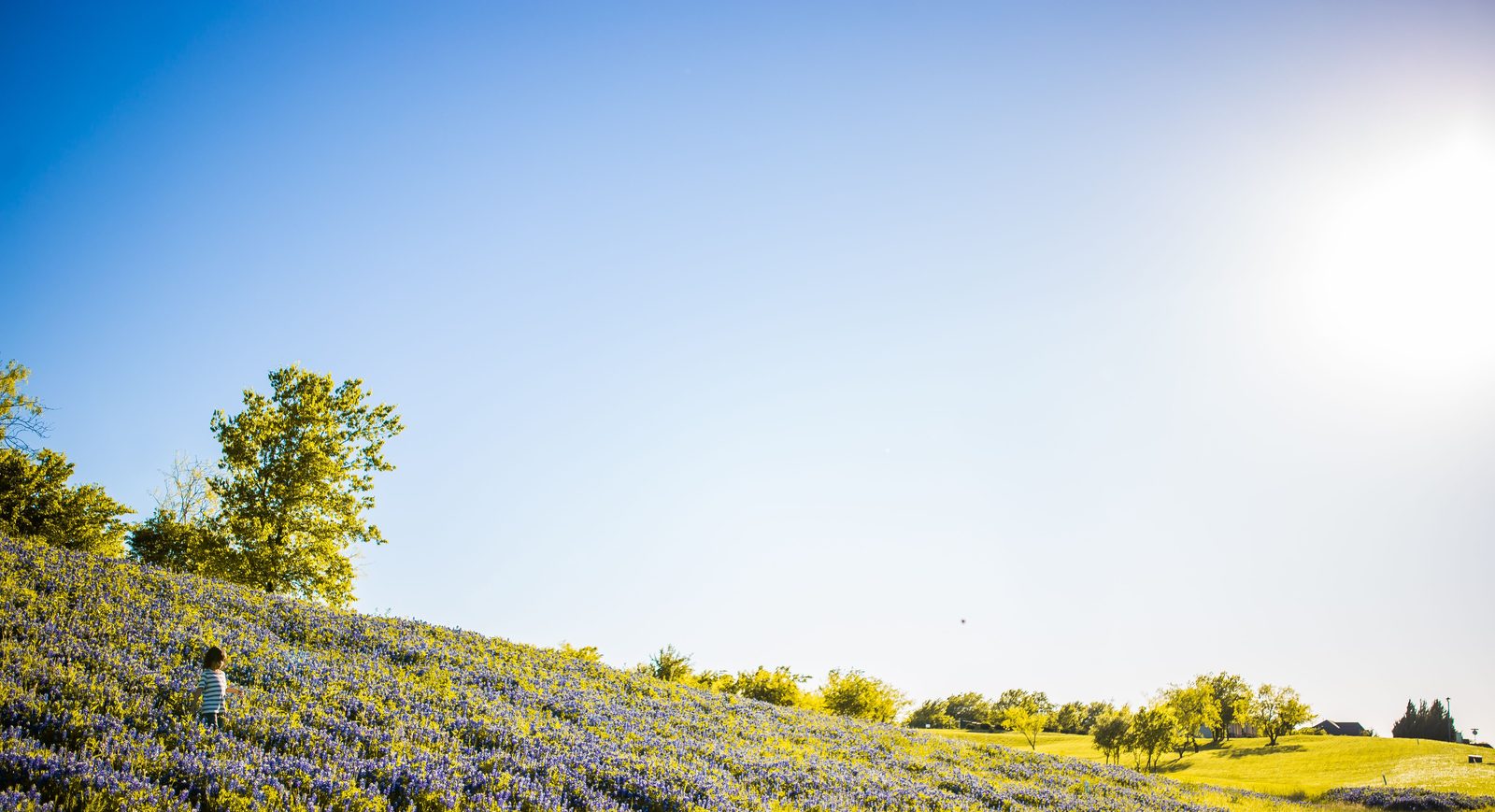
Every photo of Texas Hill Country that circulates online was taken in April: bluebonnets carpeting the fields around Fredericksburg and Marble Falls, mild temperatures, green hills. That version of the Hill Country exists for about six weeks a year. August is a completely different place, and visitors who show up expecting the spring postcard version are consistently caught off guard by both the heat and the crowds concentrated in an entirely different set of activities.
The Heat Is Not Exaggerated
Daytime highs across the Hill Country — Fredericksburg, Kerrville, New Braunfels, Wimberley — routinely reach the high 90s to over 100 degrees in August, and the region’s limestone terrain and lack of significant tree cover in open areas make it feel hotter than the number suggests. Wineries and outdoor attractions that are pleasant to walk between in April become a genuine test of endurance in August, and most vineyard visits in peak summer shift toward air-conditioned tasting rooms rather than the vineyard walks marketed in spring photography.
The Rivers Become the Entire Point
What August in the Hill Country actually revolves around is tubing and river recreation, concentrated on the Guadalupe, Comal, and Frio Rivers. New Braunfels’ stretch of the Comal and Guadalupe rivers becomes intensely crowded on summer weekends, with outfitters renting tubes by the thousands and river-front bars like the Rockin’ R and Tube Haus doing the bulk of their annual business in a roughly ten-week window. Schlitterbahn, the water park that put New Braunfels on the national tourism map, runs at capacity through the summer, and hotel prices in the town spike accordingly, often doubling from off-season rates.
Further west, the Frio River near Garner State Park and Concan draws a similar crowd with a quieter, more family-oriented reputation, though summer weekends there fill campsites and cabins months in advance.
What’s Actually Gone by August
- Bluebonnets and other wildflowers: peak season is late March through mid-April, entirely finished by summer
- Comfortable outdoor walking weather: mornings before 9am are the only realistic window
- Vineyard picnic weather: most Hill Country wineries shift visitors indoors
What’s Actually There Instead
Fredericksburg’s Main Street, lined with German-heritage bakeries, wineries, and shops, is genuinely more manageable in August than in the packed spring wildflower weekends, since a large share of spring visitors come specifically for the flowers and skip summer entirely. Peach season, which runs primarily through the summer months around Stonewall and Fredericksburg, is one of the region’s genuine August draws — roadside stands sell fresh Hill Country peaches that locals consider a point of real pride, distinct from the wildflower tourism entirely.
The honest advice for an August Hill Country trip is to reorganize the entire itinerary around water and early mornings rather than trying to replicate a spring trip in summer conditions. Visitors who plan a walking-and-wine-tasting day exactly like they would in April end up exhausted and frustrated by early afternoon. Visitors who plan around river tubing, air-conditioned tasting rooms, and peach stands tend to leave satisfied, just with a completely different set of photos than the ones that got them interested in the region in the first place.
Fredericksburg’s Peach Stands Are the Real August Attraction
The stretch of Highway 290 between Stonewall and Fredericksburg is lined with peach orchards and roadside stands that locals consider a genuine point of regional pride, distinct from the wine industry that draws most of the spring and fall tourism. Vogel Orchard and Jenschke Orchards, among others, sell fruit picked that morning, and the peach season stretches through most of the summer, giving August visitors a specific, tangible reason to stop that has nothing to do with wildflowers or wine tastings. Fredericksburg’s German heritage bakeries, including the well-known Fischer & Wieser and various Main Street bakeries selling kolaches and strudel, also stay busy through summer regardless of the wildflower calendar, since the food traditions that built the town’s identity don’t have a season.
Enchanted Rock State Natural Area, the massive pink granite dome outside Fredericksburg, remains open through summer but requires an entirely different approach in August than in spring: hiking the main dome is genuinely dangerous in full afternoon heat, and rangers routinely close the summit trail or issue heat warnings during the hottest stretches. Visitors who want to climb it in August need to start at or before sunrise, when temperatures are still tolerable, a scheduling requirement that simply doesn’t exist during the mild spring season.
The Honest Summer Itinerary
A realistic August Hill Country trip front-loads outdoor activity into the early morning, reserves the middle of the day for air-conditioned wineries, breweries, or museums, and saves river time for the hottest part of the afternoon, when floating the Guadalupe or Comal actually becomes the most comfortable activity available rather than an optional add-on. Locals who live in the region year-round organize their entire summer around this rhythm, and visitors who adopt the same pattern rather than fighting it tend to have a far better trip than those who try to force an April itinerary onto an August calendar.
Hotel and short-term rental prices around Fredericksburg spike sharply for spring wildflower weekends but flatten out considerably by August, making it one of the few times of year when lodging in the Hill Country’s most popular towns is genuinely reasonable. Visitors willing to trade peak scenery for lower prices and thinner crowds at the wineries themselves, even if the tasting rooms shift indoors, often come away feeling like they got a more relaxed, more personal version of a trip that gets frantic and transactional during the packed spring weekends. The trade-off, most who make the drive agree, is worth it for anyone who prioritizes a genuine outdoor experience over a curated Instagram backdrop. Urban planners increasingly cite tree canopy investment alongside block redesign as a two-pronged approach, treating shade as infrastructure on par with sidewalks and crosswalks rather than a decorative afterthought, a shift that reflects growing recognition that walkability standards developed in temperate cities don’t automatically translate to the Sun Belt.