They Sold Everything, Pulled the Kids Out of School, and Moved Abroad. Here’s What Actually Happened.
We may earn money or products from the companies mentioned in this post. This means if you click on the link and purchase the item, I will receive a small commission at no extra cost to you ... you're just helping re-supply our family's travel fund.
The blog post always looks the same. A smiling family of four on a cobblestone street somewhere in Europe or Southeast Asia. “We sold everything and moved to [country]! Here’s what we learned!” The comments fill up with heart emojis and “goals” and “so brave.”
Then you scroll down and notice the post is three years old and the blog hasn’t been updated since.
That’s not a coincidence. The full story — the school withdrawals, the homesick teenagers, the visa complications, the marriage strain, the moment someone got really sick in a country with an unfamiliar healthcare system — those stories are harder to package into shareable content.
But they’re the stories worth telling. So here’s what actually happened to a cross-section of American families who made the leap, years after the leap.
Why They Leave (and Why the Reasons Are Never Quite What They Say)

The stated reasons are usually some version of: we want to give our kids a global perspective, we want to slow down, we want to live more intentionally, the cost of living is lower.
The real reasons, when families talk honestly a few years out, are often more specific:
- A job loss or burnout that made the “someday” conversation suddenly urgent
- A marriage that needed a reset — a new environment as a substitute for addressing actual problems
- A genuine disillusionment with American healthcare costs, school culture, or the housing market
- One parent’s remote work income making the math suddenly possible
- A death in the family that forced a “what are we actually doing with our lives” reckoning
None of those reasons are wrong. But the families who do best abroad are the ones who were honest with themselves about which reason was actually driving the decision — because each comes with its own set of challenges that a change of country either helps or doesn’t.
Moving abroad doesn’t fix a marriage. It doesn’t cure burnout if you bring your laptop and your same work habits. It does, genuinely, reduce cost of living in many locations — but usually by less than the Instagram math suggests once you factor in expat housing, international school fees, and the periodic flights home.
The School Question: What Actually Happens to American Kids in Foreign Schools
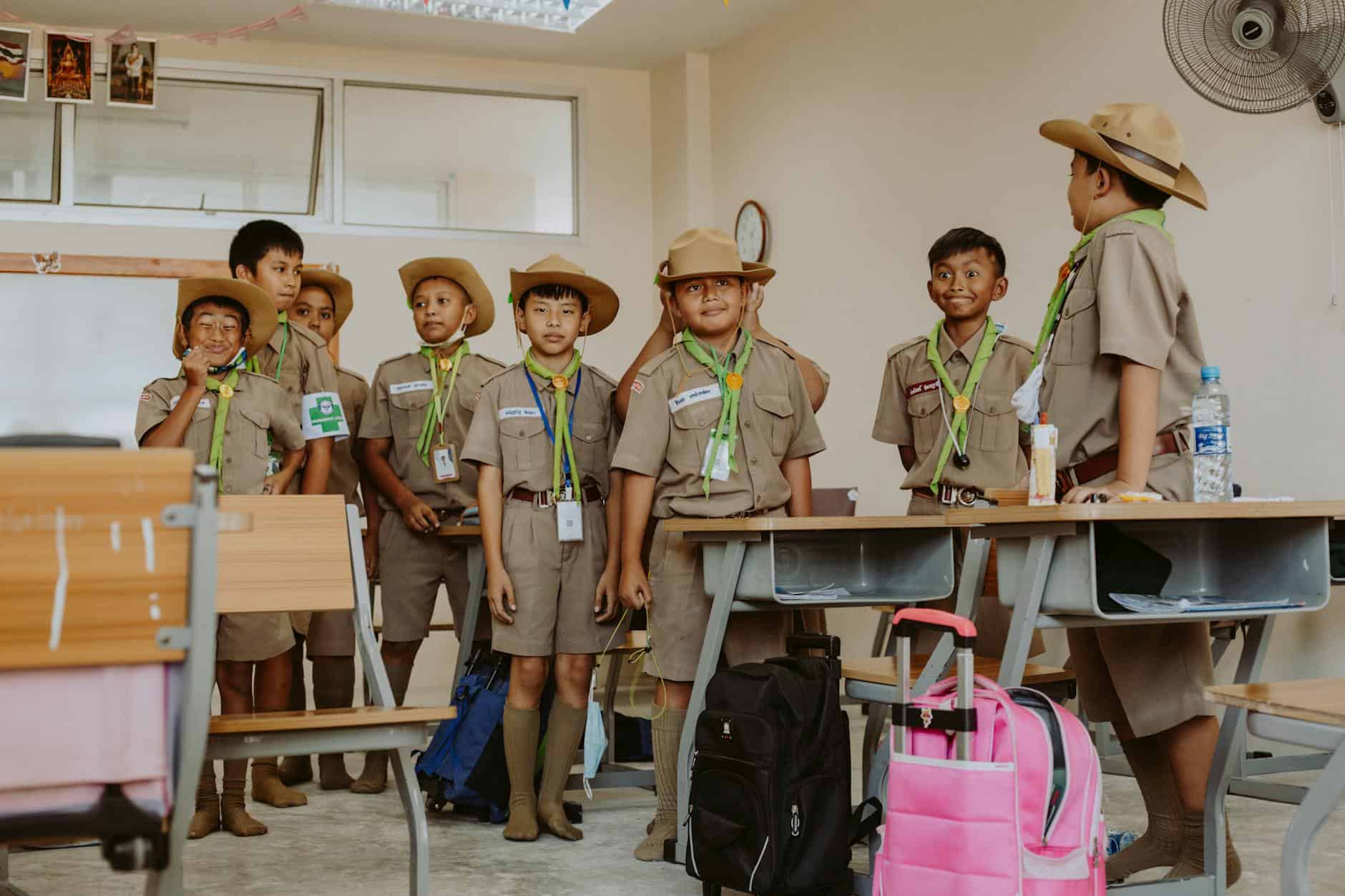
This is the question families think the most about and are most surprised by in practice.
The options are roughly:
- International schools — English-language, often teaching an American or IB curriculum. Cost: $8,000–$30,000+ per child per year depending on country and school. Quality is generally excellent. Social circle becomes predominantly other expat kids.
- Local public school — free or nearly free, full immersion in the local language and culture. For kids under 10, language acquisition is often faster than parents expect. For teenagers, it’s harder. Social integration depends heavily on the country’s openness to foreigners.
- Homeschooling / online school — used by many digital nomad families. Works well for academically motivated kids with self-disciplined parents. Becomes a significant burden if neither of those conditions applies.
The families who report the best outcomes for kids in local schools tend to be the ones who moved to countries with strong public school systems (Portugal, Germany, the Netherlands, New Zealand) where the language barrier is the main obstacle rather than the quality of instruction.
The families who report the most regret are typically the ones who didn’t research the school situation thoroughly enough in advance — who assumed international schools would be more affordable than they were, or who put teenagers into local schools mid-high school without a realistic plan for getting those credits recognized back in the US for college applications.
For young children — genuinely, ages 4–10 — immersion in a local school in a welcoming country is one of the great gifts a parent can give. Kids in that age range absorb language in a way adults simply cannot. The adults who grew up in this situation tend to be unanimously grateful.
Healthcare Abroad: The Reality When Your Kid Actually Gets Sick

The healthcare conversation usually goes one of two ways.
The first: families in countries with universal healthcare systems (Portugal, Costa Rica, Mexico for those enrolled in IMSS, most of Western Europe) discover that routine care is genuinely excellent and dramatically cheaper than US equivalents. A visit to a pediatrician costs $30–$60 out of pocket in many places where the public system is slower. A prescription antibiotic costs $8. The shock isn’t that it’s bad — it’s that it’s so much better than expected.
The second: a family member has a genuine medical emergency. A broken bone, an appendicitis, a serious infection. And suddenly they’re navigating a foreign healthcare system in a foreign language, trying to figure out whether their travel insurance covers this, whether they should evacuate to a better-equipped facility, and how to reach someone who speaks enough English to explain the treatment plan.
Most expat families settle on a hybrid: private health insurance that covers them internationally, with a meaningful deductible, alongside the local public system for routine care. Companies like SafetyWing, Cigna Global, and Aetna International all serve the expat market. Costs vary enormously but roughly $200–$500/month for a family of four covers most scenarios.
The families who got into real trouble were almost exclusively the ones who let their US health insurance lapse, bought a cheap travel policy with low coverage limits, and then encountered something serious. The evacuation coverage in particular — the provision that flies you to an appropriate medical facility — matters more than most people realize until they’re staring at a hospital in a rural province wondering if this is the right place to be.
The Money Math Nobody Posts on Instagram

The “we cut our expenses in half” posts are real — but they come with context that’s usually missing.
The families who genuinely reduce costs significantly tend to have:
- At least one spouse with location-independent income earning in USD, GBP, or EUR
- Kids in local schools, not international schools
- Chosen a country with a genuinely favorable cost structure (Mexico, Colombia, Portugal’s interior, Southeast Asia) rather than an expensive expat hub like Amsterdam or Singapore
- No mortgage or major debt back in the US still being serviced
The families who discover the math is harder than expected are usually dealing with international school fees that run $15,000–$50,000/year for two kids, flights home for the holidays (four round-trip tickets from Europe or Asia add up fast), and the tax situation — Americans owe US taxes on worldwide income regardless of where they live, which means ongoing accounting costs and complexity that nobody mentions in the initial “we moved abroad” post.
The Foreign Earned Income Exclusion lets Americans living abroad exclude roughly $126,000 per person in earned income from US taxes (2024 figure), which is significant. But setting it up properly requires understanding the physical presence or bona fide residence tests, filing Form 2555, and in many cases paying a CPA who specializes in expat taxes. That specialist typically runs $300–$800/year. Still worth it — but it’s a cost and a complexity that surprises people.
What the Kids Said — Years Later

This is the part parents most want to know, and the research — plus hundreds of adult “third culture kids” sharing their experiences — gives a fairly consistent picture:
- Children who moved before age 12 are almost uniformly positive about the experience in retrospect
- The language fluency they acquired is a permanent asset they cite as one of the best things that happened to them
- The friendships are complicated — expat social circles turn over as other families come and go, which creates a specific kind of relational impermanence that some TCKs find hard to shake into adulthood
- Teenagers who moved mid-high school have a more mixed record — some thrived, many found the disruption to social development genuinely difficult and would have preferred to stay
- The identity question — “where are you from?” — is genuinely complicated for kids who spent formative years in multiple countries, and some find it disorienting well into adulthood
The research on Third Culture Kids is substantial at this point. David Pollock and Ruth Van Reken’s book “Third Culture Kids” is the foundational text and still worth reading before you make this move with teenagers.
The Families Who Went Back
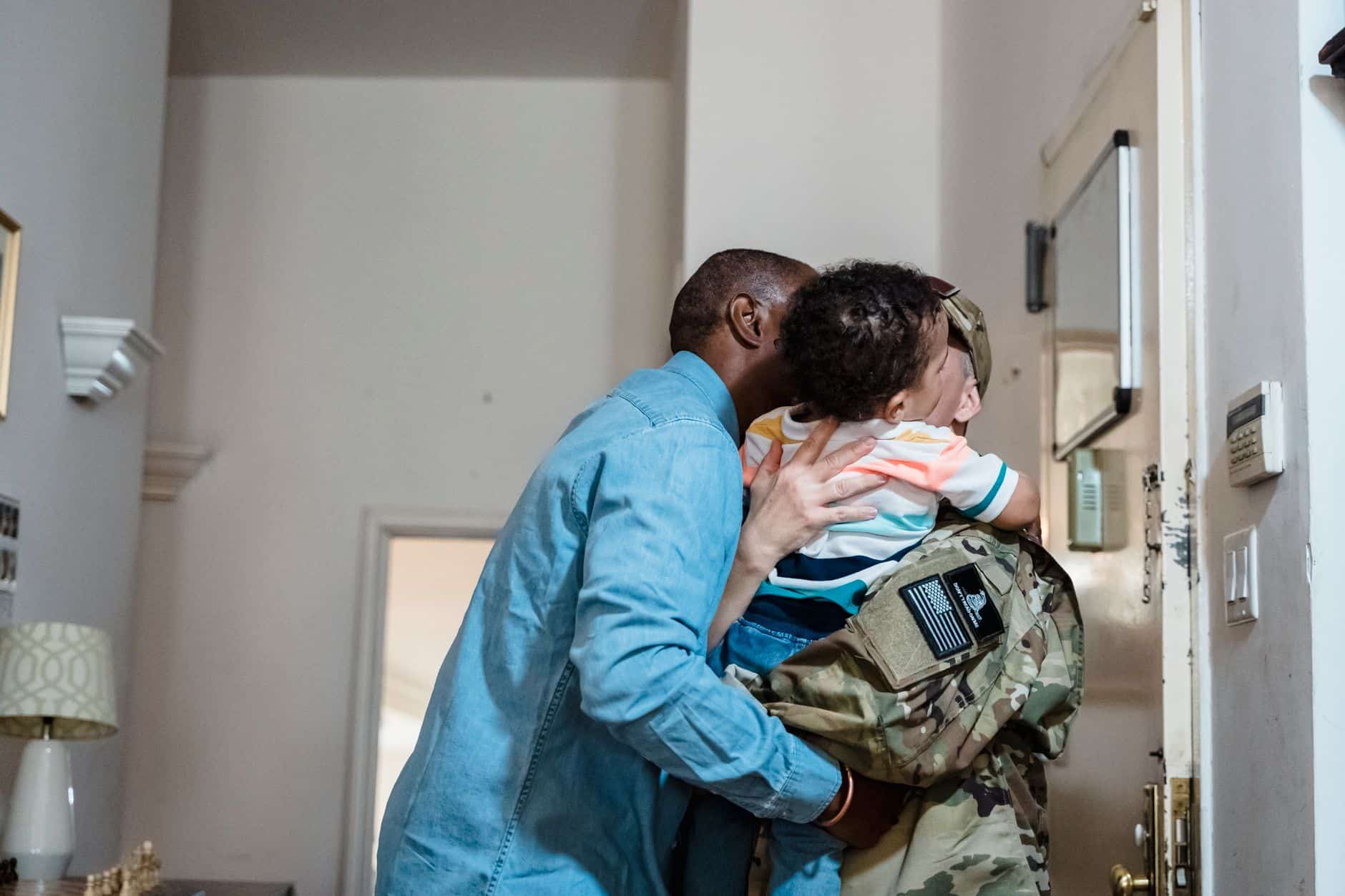
A significant percentage of families who move abroad return to the US within two to four years. The most common reasons:
- A parent’s aging health crisis requiring proximity to family
- A teenage child’s strong desire to go to a US high school or college and the realization that the current path was complicating that
- The remote work situation changed — a job ended, a new job required presence in an office
- The marriage didn’t get better; it got worse with the added stressors, and one partner needed to be closer to their support network
- Genuine homesickness — not for a place, but for the ease of a context where everything is familiar, where you understand the bureaucracy, where your credit history works
The families who returned are not failures. Most describe the experience as one of the most valuable of their lives, even when it ended earlier than planned. What they consistently say is that they wish someone had told them the real timeline: it usually takes 12–18 months for the family to feel settled, and if you leave before that, you’ll never know what it would have become.
The Families Who Never Did

Some families are still there, five, eight, ten years later. They’re not hard to find if you look past the lifestyle bloggers.
They tend to share a few characteristics: they found deep community (not just other expats, but real friendships with locals), their kids were young enough to fully integrate, at least one spouse speaks the local language with genuine fluency, and they have a clear-eyed financial picture that isn’t dependent on the dream staying cheap forever.
Many of them hold citizenship or permanent residency in their adopted country by now. Their kids are applying to universities in both countries. They celebrate both Thanksgiving (with other Americans) and whatever the local harvest festival is. They are genuinely bicultural, and they would tell you it’s worth every hard part.
Would They Do It Again

The honest answer from most families, regardless of how long they stayed: yes, but differently.
- They’d research the school situation more thoroughly before committing to a country
- They’d get the tax and insurance infrastructure set up before leaving, not after arriving
- They’d pick a country with a path to long-term residency rather than visa-hopping on tourist status
- They’d be more honest with themselves about which problems they were hoping a change of scenery would solve
- They’d build in a real budget buffer — most underestimate first-year costs by 30–40%
The move abroad with kids is not for everyone. It’s not automatically brave or automatically reckless. It’s a significant life decision that goes well when it’s made deliberately and goes badly when it’s made impulsively. The families who did it thoughtfully are, almost to a person, glad they did.