Miami Condo Prices Fell 3% Last Year. Two Hours North, Prices Rose 9%. Florida Real Estate Is Not One Market.
We may earn money or products from the companies mentioned in this post. This means if you click on the link and purchase the item, I will receive a small commission at no extra cost to you ... you're just helping re-supply our family's travel fund.
Florida gets discussed in national media as a single overheated real estate market, but that framing collapses the moment you compare an oceanfront Miami condo to a three-bedroom house in Ocala. Miami-Dade County condo prices actually softened in parts of 2024 and into 2025 as insurance costs and post-Surfside safety inspections piled new expenses onto older buildings, while inland cities like Ocala and Lakeland kept posting price gains driven by retirees and remote workers who never intended to live near the coast at all.
The state’s 22 million residents are spread across housing markets that behave almost nothing alike, and conflating them is the single biggest reason outsiders misjudge Florida real estate. A buyer using a Miami headline to make a decision about a Panhandle property, or vice versa, is working from data that has almost no relevance to the transaction in front of them.
Why Miami and the Rest of Florida Diverged
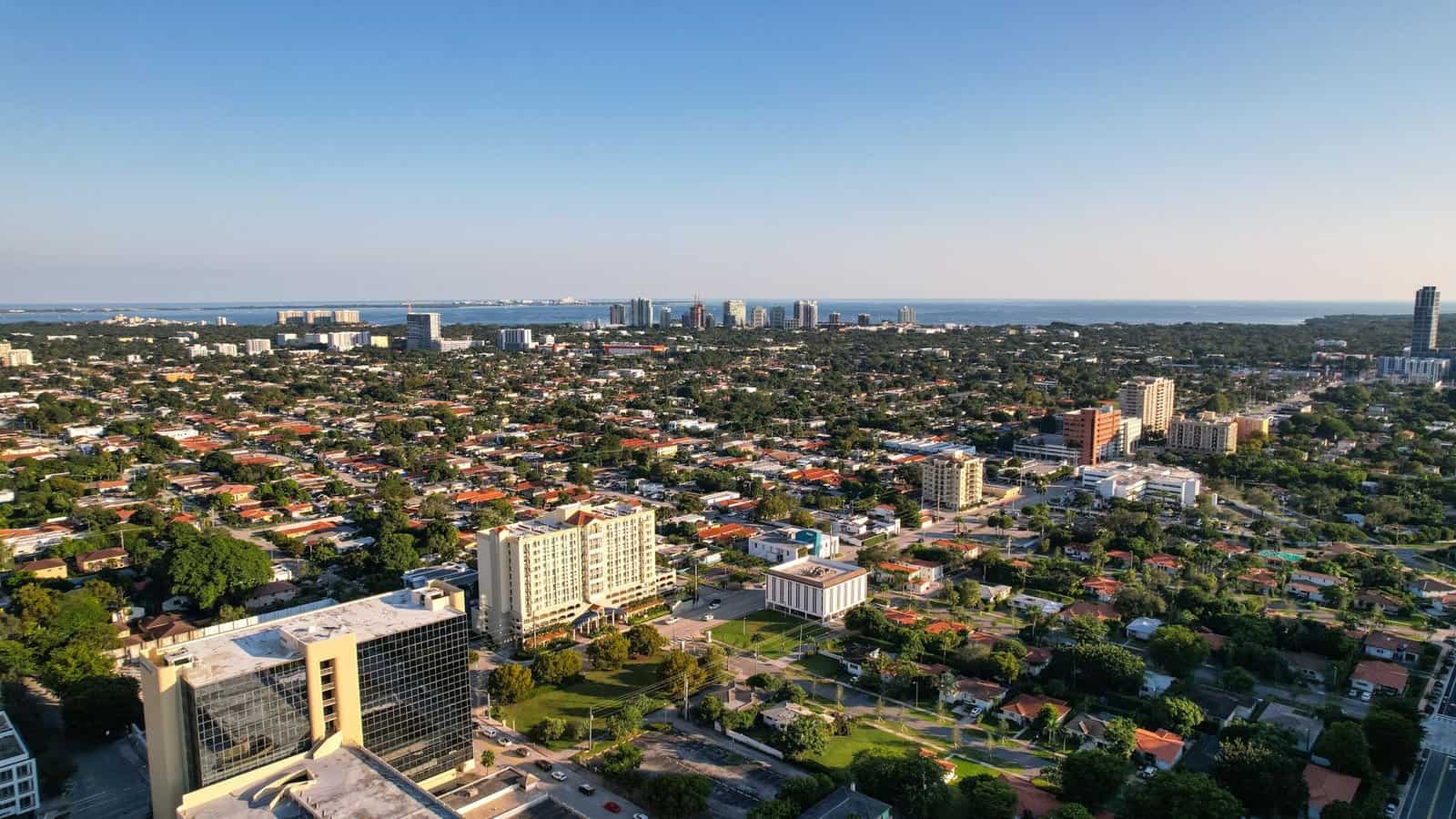
Miami’s condo market carries a structural burden that inland Florida does not: aging coastal buildings now facing mandatory structural inspections and reserve funding requirements passed after the 2021 Surfside collapse killed 98 people. Those rules forced condo associations to raise fees dramatically, and in some buildings special assessments ran into the tens of thousands of dollars per unit, which cooled buyer demand for older stock even as new luxury towers kept selling to a different class of buyer entirely.
Property insurance premiums in coastal Florida counties have also risen faster than almost anywhere else in the country, with some homeowners now paying $8,000 to $12,000 a year for coverage that cost a third of that a decade ago. Inland counties face lower wind and flood exposure, so insurance costs less, which directly widens the affordability gap between coastal and inland Florida and shows up in every purchase decision buyers make once they get a quote.
Several major insurers, including Farmers and AAA, either pulled back from writing new policies in Florida or scaled back coverage in high-risk coastal zones over the past few years, leaving many coastal owners dependent on Citizens, the state-backed insurer of last resort, which itself has raised rates repeatedly to stay solvent.
The Inland Markets Nobody Profiles
Ocala, in Marion County, has become one of the fastest-appreciating markets in the state, driven by retirees drawn to horse country, lower property taxes relative to coastal counties, and a cost of living that still undercuts most of the Northeast and Midwest. Lakeland, roughly halfway between Tampa and Orlando, has absorbed overflow from both metro areas as remote workers realized they could buy a house for half what a comparable property costs near the coast.
- Ocala median home price climbed into the $280,000 to $300,000 range by 2025, still well below the statewide coastal average
- Lakeland benefited from Amazon and other logistics investment along the I-4 corridor, adding blue-collar job growth that coastal Florida’s tourism economy doesn’t replicate
- The Villages, the massive retirement community near Ocala, continues to expand and functions almost like its own real estate ecosystem, insulated from coastal price swings
- Insurance costs in inland counties can run 40 to 60 percent lower than comparable coastal properties
What Outsiders Keep Getting Wrong
National coverage of Florida real estate tends to default to Miami and treat the rest of the state as an afterthought, which inverts the actual population distribution. Most Floridians do not live within sight of the ocean. They live in sprawling inland metro areas and small cities where the economics of buying a home look completely different from the postcard version of the state that appears in most coverage.
The practical result is that a headline about Florida real estate cooling or overheating is almost never true statewide. It is true for a specific county, sometimes for a specific zip code, and treating it as a monolith is how buyers get blindsided by insurance quotes or condo assessments that never applied to the market they thought they understood when they started house hunting.
The Panhandle Adds a Third Story Entirely
The Florida Panhandle, running from Pensacola to Tallahassee, behaves like neither Miami nor Ocala. Coastal towns like Destin and 30A have seen explosive vacation-home demand and price growth over the past five years, driven by buyers who could work remotely and wanted beach access without Miami’s density or cost, while inland Panhandle cities remain some of the most affordable in the state, with median prices well under $250,000.
This third pattern, a coastal tourism boom sitting next to genuinely affordable inland markets within the same region, adds yet another layer that a single statewide narrative simply cannot capture, and it is a big part of why relocation guides that treat Florida as one market keep sending buyers to the wrong county entirely.
What This Means for Anyone Actually Moving There
Anyone relocating to Florida in 2025 needs a county-by-county insurance quote before making any purchase decision, because the gap between coastal and inland premiums can single-handedly change the monthly cost of ownership by hundreds of dollars. It also means that comparing a Fort Myers price trend to a Jacksonville price trend, let alone a Miami price trend, tells a buyer almost nothing useful about their own transaction.
First-time Florida buyers also underestimate flood zone remapping. FEMA has redrawn flood maps across several Florida counties in recent years, and a property that didn’t require flood insurance a decade ago may now sit inside a mapped zone that mandates it, adding another cost variable that varies wildly by neighborhood rather than by any statewide pattern.
Florida’s sheer size, roughly 450 miles from Pensacola to Key West, guarantees this fragmentation will keep confusing outsiders who assume a state can have one real estate story. It has at least half a dozen, running on different insurance risk, different buyer demographics, and different local economies that rarely make the same headlines but shape everyday life for the people living in them.