People Who Move to Tucson Either Stay for Life or Leave Within Two Years. Almost Nobody Is in Between
We may earn money or products from the companies mentioned in this post. This means if you click on the link and purchase the item, I will receive a small commission at no extra cost to you ... you're just helping re-supply our family's travel fund.
Ask around in Tucson, Arizona long enough and a consistent pattern emerges among transplants: people who move there either commit fully within the first year or two and stay indefinitely, or they leave within roughly the same window, frustrated by something specific about the city that never resolves. Unlike Phoenix, its larger neighbor 100 miles north, Tucson doesn’t seem to produce many residents who feel lukewarm and stick around anyway out of inertia.
Why People Stay Forever
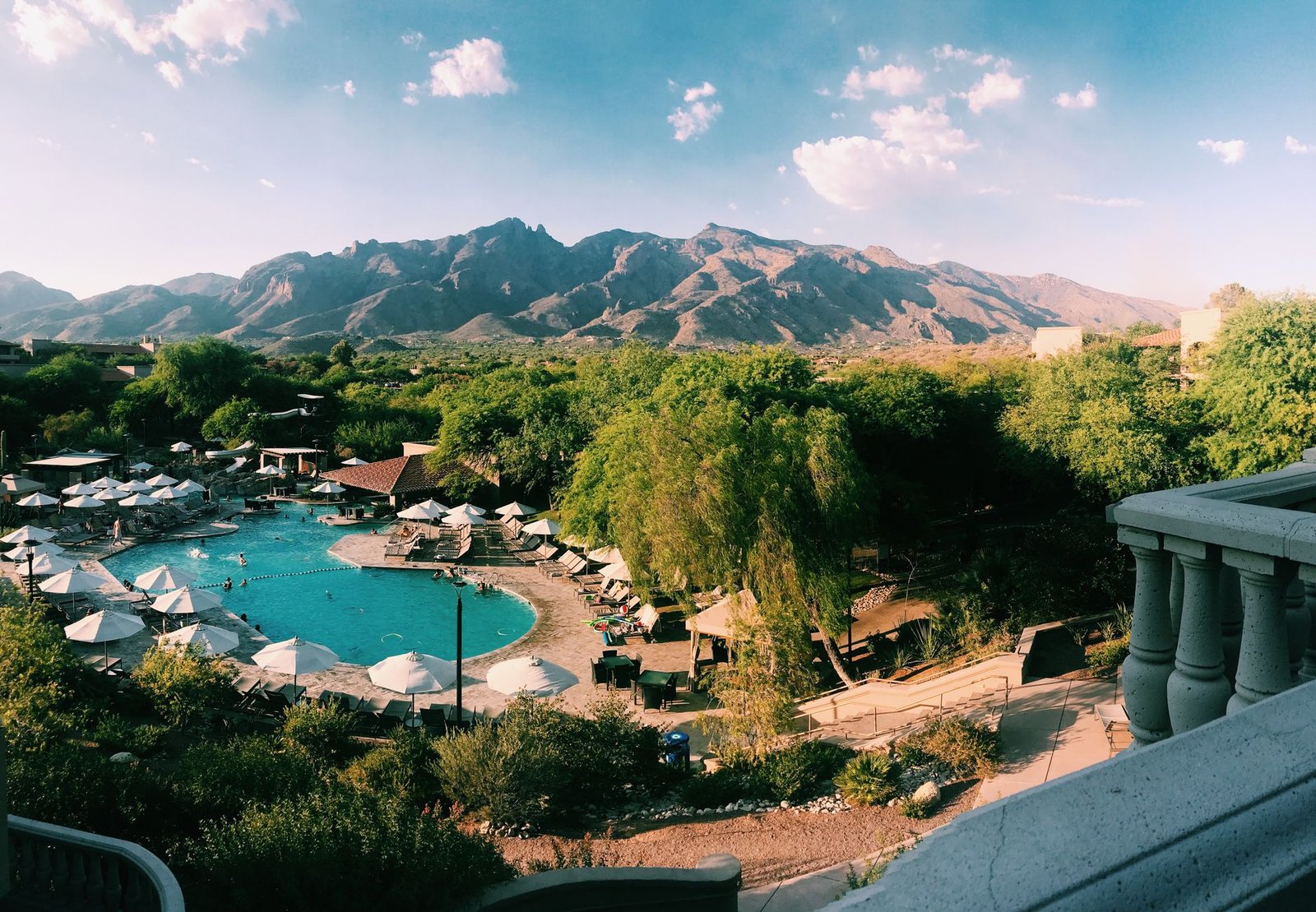
Tucson’s defenders describe a city that deliberately avoided the aggressive, sprawling growth pattern that transformed Phoenix, keeping a lower-key, more bohemian identity anchored by the University of Arizona, a genuinely strong independent food scene that earned Tucson UNESCO recognition as a City of Gastronomy in 2015, and closer, more dramatic access to the Sonoran Desert’s saguaro forests and the Santa Catalina Mountains, which rise more than 9,000 feet directly at the city’s edge. People who love Tucson often cite the specific combination of affordability relative to Phoenix, a slower pace of life, and a landscape that feels genuinely wild rather than paved over, as reasons they never seriously consider leaving once they’ve settled in.
The city’s food scene deserves specific attention: Tucson’s UNESCO designation recognized a culinary heritage stretching back over 4,000 years of continuous agriculture in the region, and the city’s Sonoran hot dog, its distinct Mexican food tradition shaped by proximity to the border, and a growing James Beard-recognized fine dining scene give it a depth that surprises visitors who arrive expecting a generic desert city.
Why People Leave Within Two Years
The people who leave tend to cite a consistent, overlapping set of frustrations: summer heat that stretches longer and more intensely than newcomers anticipate, with daytime highs regularly exceeding 100 degrees from May through September; a job market that, outside of the university, healthcare, and a modest tech sector, feels thin compared to Phoenix’s much larger and more diversified economy; and a sense of civic underinvestment, with infrastructure and public services that some transplants feel lag behind what a city of Tucson’s size should offer. Newcomers who arrive expecting resort-town polish, the kind found in Scottsdale or Sedona, are often the ones who leave fastest, disappointed by a city that has always prioritized authenticity and affordability over aesthetic polish.
The Split, Summarized
- Stay forever: drawn by affordability, food culture, university energy, and dramatic desert access
- Leave within two years: driven out by extreme summer heat, a thinner job market outside specific sectors, or unmet expectations of resort-style polish
Why the Middle Ground Barely Exists
Part of why Tucson produces such a binary outcome, rather than the more typical spectrum of mild satisfaction most cities generate among transplants, is that the things that define the city — its heat, its slower economic pace, its deliberately unpolished character — are also the things that are hardest to become gradually indifferent to. A resident who’s mildly annoyed by Phoenix traffic can simply adjust their commute and move on with life. A resident who’s fundamentally uncomfortable with five months of extreme heat, or who needs the kind of job market only a bigger, more corporate city provides, can’t really compromise their way into liking Tucson better. The city asks for a fairly specific kind of buy-in, and that specificity is exactly why it produces such polarized outcomes rather than the broad middle ground most American cities settle their transplants into.
The University of Arizona’s Outsized Role
The University of Arizona, with an enrollment of more than 45,000 students, functions as Tucson’s single largest economic anchor, providing stable employment, a substantial student population that supports local businesses, and a research infrastructure that has helped diversify the local economy beyond tourism and retirement migration alone. The university’s optical sciences and astronomy programs, tied to Tucson’s status as a global hub for telescope manufacturing thanks to the region’s unusually clear, dark skies, give the city a specialized high-tech employment sector that many transplants don’t expect to find in a desert city primarily known for cacti and resorts.
Retirees Follow a Different Pattern Than Younger Transplants
Tucson’s retiree population, drawn heavily by the area’s affordability relative to Scottsdale and Phoenix’s northern suburbs, tends to show far less of the two-year binary pattern seen among younger working transplants, since retirees are less exposed to the local job market frustrations that drive many working-age newcomers to leave. Younger transplants moving for work, by contrast, are the group most likely to hit the wall of Tucson’s thinner professional job market outside healthcare, education, and government, and are disproportionately represented among the population that leaves within the first two years, a pattern local economic development officials have specifically tried to address by courting more diverse employers to the region.
Anyone considering a move to Tucson would do well to talk honestly with both camps before deciding — the people who never left and the people who left within two years are both telling the truth about the same city, just from opposite sides of a divide that has almost nothing to do with the desert itself.
Tucson’s city government has made some effort to court exactly the kind of employer diversity that might reduce the two-year exodus rate among younger transplants, including tax incentives aimed at technology and aerospace companies, building on the presence of firms like Raytheon Missiles and Defense already anchored in the region. Whether those efforts meaningfully shift the underlying pattern remains an open question that will likely take another full economic cycle to answer with any confidence.
Local real estate agents in Tucson report a noticeable subset of buyers who visited first as tourists, fell for the city during a mild winter escape from colder climates, and moved permanently within a year, without ever experiencing a full Tucson summer before signing a lease or mortgage, a pattern agents say correlates strongly with the two-year-exit group precisely because the decision to move skipped the one experience that determines whether someone can tolerate living there long-term.
Pima County health officials have also noted a modest seasonal outmigration pattern among older transplants during the hottest summer weeks, some snowbirds and recent retirees choosing to spend July and August elsewhere entirely, a workaround longtime desert residents have long practiced for generations and newer arrivals are only gradually discovering for themselves.