A Few Bad Headlines Can Damage a Destination Overnight — Winning Back Trust Can Take Years
We may earn money or products from the companies mentioned in this post. This means if you click on the link and purchase the item, I will receive a small commission at no extra cost to you ... you're just helping re-supply our family's travel fund.
Bad headlines damage a destination faster than most people expect. A story about a crime wave, a disease outbreak, a natural disaster, or a political crisis can reach millions of people within hours, and many travelers will change plans before anyone checks whether the story applies to the neighborhood they wanted to visit. Rebuilding trust is slower. It often takes sustained effort over years, and some places never fully return to earlier visitor numbers.
Examples below are drawn from widely reported events, and numbers are described in general terms. Check current conditions and official advisories before you go anywhere.
How Bad Headlines Damage a Destination Overnight
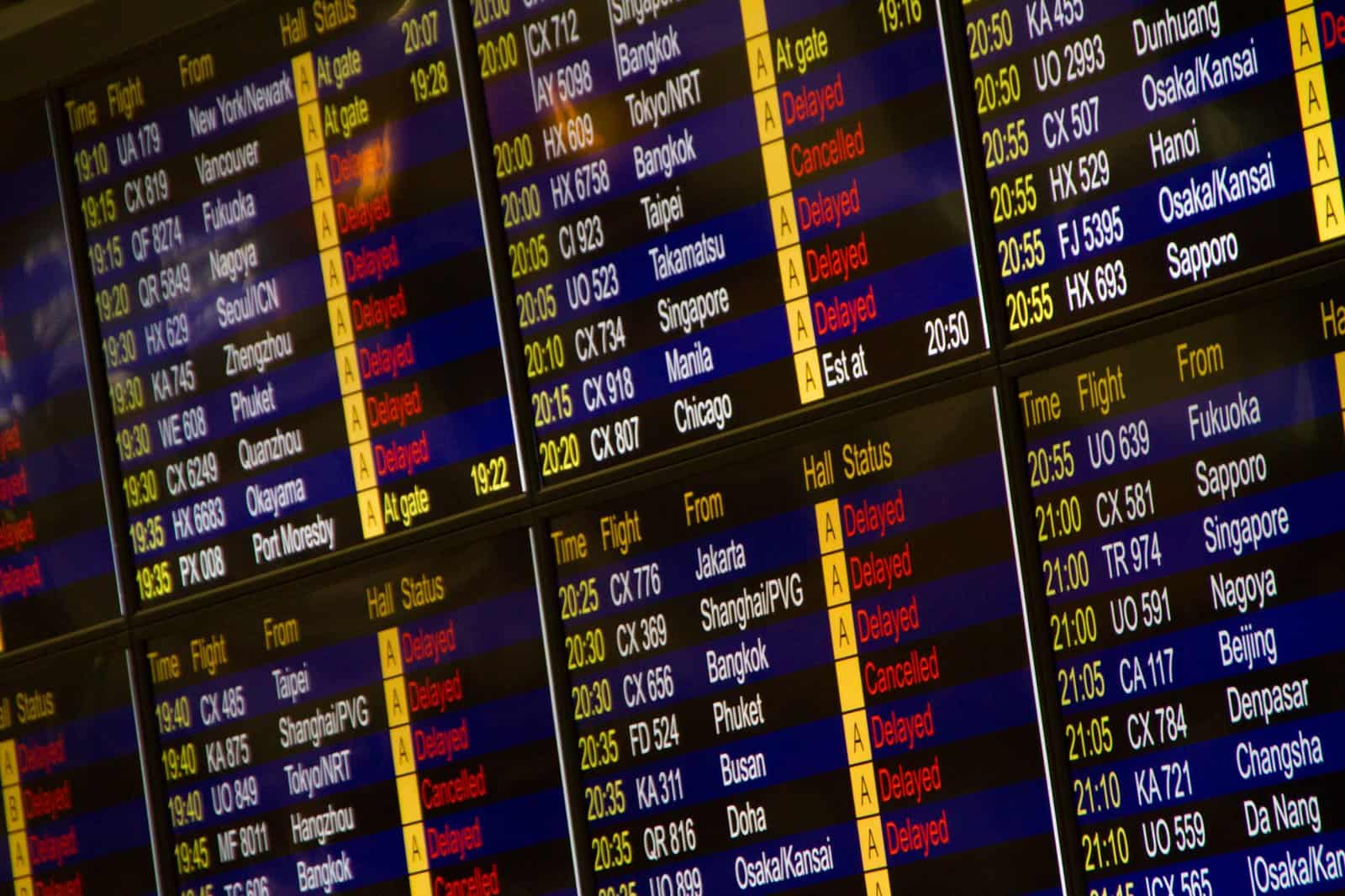
Tourism depends on perception. Visitors choose destinations months in advance, spend money on flights and lodging, and want to feel confident. When a headline challenges that confidence, they have an easy option: choose somewhere else. Alternatives are plentiful, and switching costs are low.
Headlines Travel Faster Than Context
A short, alarming story spreads easily on social media and news sites. The context that would help travelers judge the risk, such as the size of the affected area or the number of incidents compared with visitors, takes longer to explain and gets shared less. A fire in one part of a country, a protest in one city, or a storm that hit one island can lead travelers to avoid the whole region.
Cancellations Come First
After a major negative event, hotels and tour operators commonly report cancellations within days. Travel insurance rules, government advisories, and airline policies can make cancellation easy or hard, and advisories from governments often influence insurance coverage and traveler decisions. The loss of bookings can hit small businesses first, such as guides, restaurants, and family-run guesthouses, which have little cash reserve.
Images Linger
Photographs and videos stay in people’s minds. A burning forest, a flooded street, or an empty beach can become the default image of a place, and it can remain long after the situation changes. Search results and social media archives keep old stories visible, so a destination can face the same old headline for years.
Examples of Fast Damage and Slow Recovery
Several well-documented cases show the pattern, though each had its own causes and timeline.
- Natural disasters: after major hurricanes, earthquakes, and wildfires, destinations have faced both physical rebuilding and a perception problem. In some cases, areas that were largely undamaged lost bookings simply because they were in the same region as the affected area.
- Health scares: outbreaks of disease have prompted travel advisories and sharp declines in visits to affected regions. The Zika virus concerns of 2016 and the global COVID-19 pandemic starting in 2020 showed how health news can alter travel across continents. Recovery depended on public health measures and reopening policies.
- Security incidents: terrorist attacks, civil unrest, and crime stories have hurt tourism in cities and countries, sometimes for years. Governments and tourism boards often respond with security measures and reassurance campaigns.
- Overtourism and local backlash: negative coverage about crowding, protests, or visitor behavior can also change how a place is seen, even when the issue is not safety.
- Political and diplomatic events: sudden changes in travel rules, visa policies, or international relations can reduce visits, particularly from specific markets.
Recovery times vary widely. Some destinations bounced back within a season. Others took several years to regain earlier levels, and some changed their visitor mix permanently.
Why Winning Back Trust Takes Years
Rebuilding is difficult because trust is asymmetric. It takes one story to lose it and a long record to restore it.
People Remember Risk
Humans give extra weight to negative information, a pattern researchers often call negativity bias. A traveler who read a frightening story is likely to remember it when making plans, and the memory may stay even after reassuring news appears. Positive coverage rarely has the same emotional force.
Planning Cycles Are Long
Tourism decisions happen far ahead. Group tours, conferences, cruises, and weddings are booked months or years in advance. Event planners often avoid destinations with recent problems, because they carry reputational and financial risk. Even when the situation improves, the booking pipeline takes time to refill.
Advisories Change Slowly
Government travel advisories can remain in place for long periods and are reviewed periodically. Insurers and corporate travel departments often follow them. Until advisories are lowered, some travelers and businesses cannot or will not visit.
Industry Memory Matters
Airlines, tour operators, and cruise lines may reduce capacity after a crisis and be slow to restore it. Fewer flights mean higher fares and fewer visitors, which extends the recovery. Investors and lenders also take time to regain confidence.
What Helps a Destination Recover
There is no formula, but several steps recur in successful cases.
- Honest communication: acknowledging problems and explaining what is being done tends to work better than denial.
- Visible safety and quality improvements: measures that visitors can see and verify, such as improved infrastructure, emergency systems, and clean-up.
- Local voices: residents, business owners, and visitors sharing real experiences can counter stereotypes.
- Targeted marketing: campaigns that focus on current conditions and show the destination as it is now, rather than ignoring the event.
- Partnerships: working with airlines, tour operators, and media to restore routes, offer incentives, and host journalists.
- Patience: sustained effort over several seasons, because quick fixes rarely change perceptions.
- Support for workers: helping tourism workers through the downturn keeps skills and capacity in place for the recovery.
What Travelers Can Do
Travelers hold some power in this cycle. Before you cancel or avoid a destination based on a headline, ask a few questions.
- How large is the affected area, and is it near where you plan to go?
- What do official advisories say, and when were they updated?
- What do local tourism offices, hotels, and recent visitors report?
- Does your travel insurance cover the situation, and what are the cancellation terms?
- Can you adjust rather than cancel, for example by choosing different dates or areas?
Visiting a recovering destination responsibly can also help local workers. Spend at local businesses, follow local guidance, and be flexible. Do not take risks that put yourself or others in danger, and respect closures and warnings.
The Media’s Role
Journalists face pressure to report quickly, and a sensational story attracts attention. Responsible coverage includes context and follow-up. Follow-up stories about recovery often receive less attention than the original event, which is part of why perceptions linger. Readers can help by seeking multiple sources and checking dates, since old stories sometimes resurface and appear current.
Anatomy of a Reputation Hit
It helps to walk through how a reputation hit usually unfolds, using a composite of patterns seen in many destinations rather than any single place.
In the first hours, a story breaks. Local outlets report it, then national and international outlets pick it up, often with a dramatic photo. Social media amplifies the most striking clips. Tourism boards and hotels are caught off guard, and officials may be slow to give clear information, which leaves a gap that rumors fill.
In the first days, travelers with upcoming trips check their bookings. Some cancel, some call airlines or hotels, and some ask friends. Online forums fill with questions. Tour operators receive messages from clients, and travel agents may steer people elsewhere. Government advisories may be updated, which affects insurance and corporate travel rules.
In the first weeks, the story fades from the headlines, but bookings for the next season often start lower. Hotels discount rooms to fill them, which can cut revenue even if guests return. Airlines may trim flights. Small businesses lay off staff or close for the low season earlier.
In the following months and years, the destination works on recovery. Early visitors tend to be repeat travelers who know the place, locals, and adventurous travelers. First-time visitors and large groups return more slowly. Media coverage eventually shifts to recovery stories, though it is usually less prominent than the original news.
Who Feels It Most
Tourism income is spread unevenly, and a downturn lands hardest on the people with the least cushion.
- Guides, drivers, and boat operators who are paid by the trip, not by salary.
- Market vendors and craftspeople who rely on visitor spending.
- Seasonal hotel and restaurant staff, who may not be rehired.
- Family-run guesthouses with limited reserves and loans to repay.
- Communities where tourism is the main employer and there is little alternative work.
Larger operators can often absorb a slow season, but smaller businesses may close permanently, and that changes what the destination offers when visitors do return.
Misleading Headlines and Fair Ones
Not every bad headline is exaggerated. Some stories report real risks, and travelers are right to take them seriously. The challenge is to tell the difference between a story that affects your trip and one that does not. A few practical checks help.
- Look at the date. Old stories sometimes circulate as if they were new.
- Look at the location. Does the story name a city, a district, or a whole country? A country can be larger than many continents’ worth of regions.
- Look at the source. Official advisories, local news, and reputable international outlets generally provide more reliable detail than anonymous posts.
- Look for updates. Follow-up reports often clarify what happened and what has changed.
- Compare with official data on safety and conditions, where available, and with advice from people on the ground.
If a situation is truly dangerous, follow official guidance and postpone. If it is localized or temporary, you may be able to proceed with adjustments, such as avoiding certain areas or traveling in a different month.
What Destinations Can Do Before a Crisis
The best time to prepare for a reputation hit is before it happens. Destinations that recover faster often have crisis communication plans, trusted spokespeople, and relationships with journalists and travel trade partners. They keep reserves or insurance programs, monitor online sentiment, and train staff in emergency response. They also build a diverse visitor base, so one source market’s decline does not sink the economy. Transparency matters too: sharing safety data, closing unsafe areas, and admitting mistakes build credibility that pays off when trouble comes.
The Takeaway
A few bad headlines can damage a destination overnight because tourism runs on confidence, and confidence can vanish faster than facts can catch up. Winning it back takes honesty, visible improvements, and years of steady work. As a traveler, read beyond the headline, check official guidance, and think about the people whose livelihoods depend on visitors. Check conditions before you go, and stay flexible.