Elko, Nevada Has More Gold Mines Than Casinos That Matter. Las Vegas Is 450 Miles Away and a Different Planet
We may earn money or products from the companies mentioned in this post. This means if you click on the link and purchase the item, I will receive a small commission at no extra cost to you ... you're just helping re-supply our family's travel fund.
Say “Nevada” to most Americans and they picture the Las Vegas Strip or, at a stretch, Reno’s smaller version of the same idea. Almost nobody pictures Elko, Winnemucca, or Ely, three towns spread across the state’s vast northern and central stretches that have essentially nothing to do with either casino economy. These towns exist because of gold, cattle, and the interstate, and the people who live there have a relationship to “visiting Nevada” that has nothing in common with a bachelor party.
Elko Runs on Gold, Not Slots
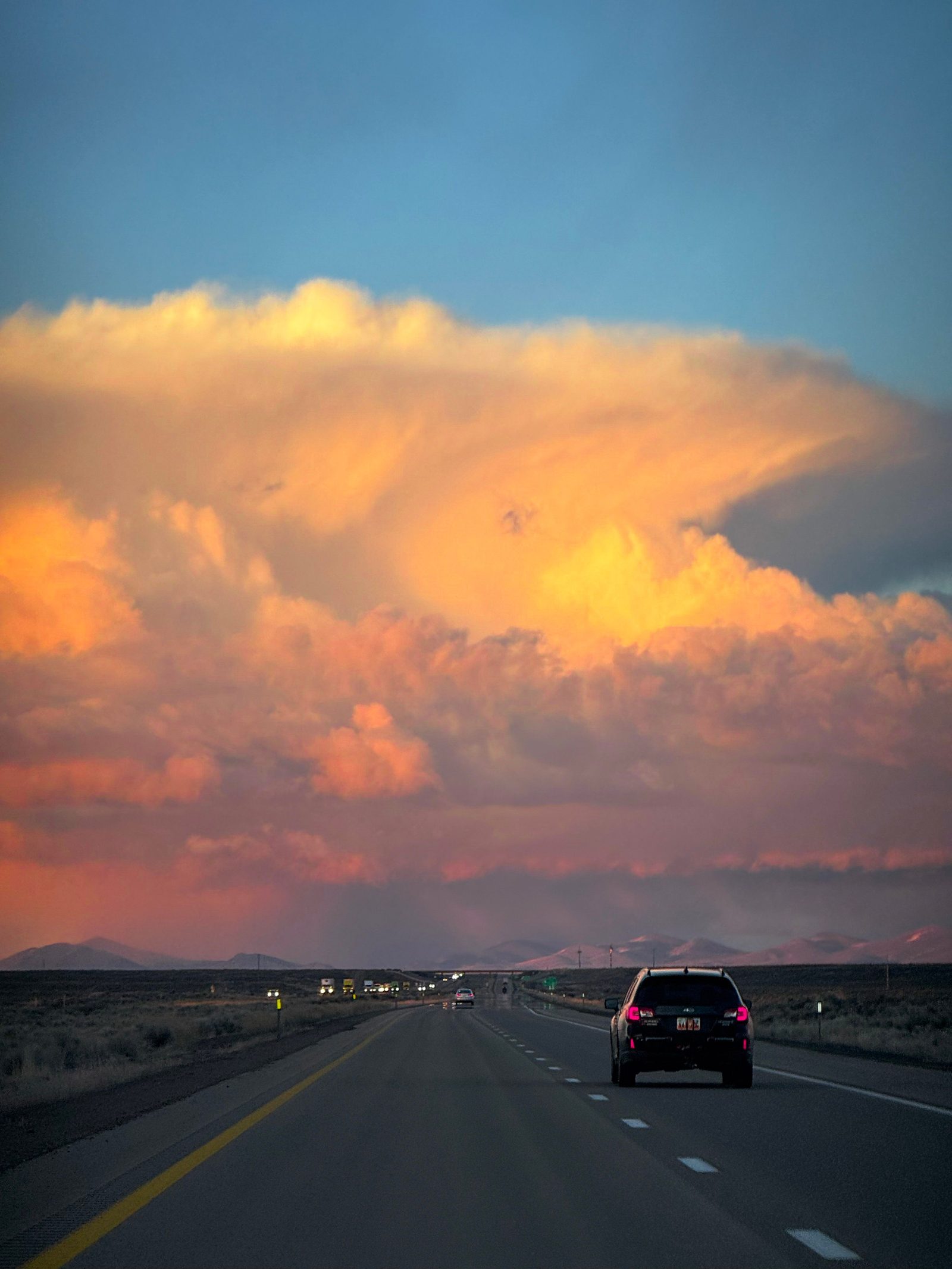
Elko sits along the Carlin Trend, one of the most productive gold-mining districts in the world, and the town’s economy is built almost entirely around mining employment rather than tourism. Companies operating in the region employ thousands of workers directly and indirectly, and the town’s housing market, restaurant scene, and even its casinos exist primarily to serve mine workers on rotating shifts rather than travelers passing through on I-80. Elko does host the National Cowboy Poetry Gathering each winter, a genuinely unusual cultural event that draws ranching and cowboy culture enthusiasts from across the country, but it is a footnote compared to the mining economy that actually sustains the town.
Winnemucca Is a Waypoint, and It Knows It
Winnemucca sits almost exactly halfway between Reno and Elko on I-80, and its economy is built around exactly that geography: travelers, truckers, and mine workers passing through need gas, food, and a place to sleep, and Winnemucca provides all three at a scale calibrated for a stopping point rather than a destination. The town has a handful of small casinos that function more like truck-stop amenities than Vegas-style attractions — places to grab a meal and play a few hands while waiting out a long drive, not a nightlife scene anyone plans a trip around.
Ely Is the Remote One
Ely, further south and east, is genuinely isolated even by rural Nevada standards, sitting near the junction of US 6, 50, and 93 in a stretch of the state so empty that Highway 50 through this section has been marketed as “The Loneliest Road in America.” Ely’s economy historically depended on copper mining, and the town retains a strong Basque immigrant heritage from sheepherders who settled the area generations ago, visible in restaurants that still serve Basque-style family meals. Ely also serves as the gateway to Great Basin National Park, one of the least-visited national parks in the country, which suits both the park and the town fine.
- Elko: mining-driven economy, home to the National Cowboy Poetry Gathering each January
- Winnemucca: a highway waypoint economy built around I-80 traffic between Reno and Elko
- Ely: isolated, Basque heritage, gateway to Great Basin National Park
Who Actually Lives There
The populations of these towns are shaped almost entirely by whatever industry anchors them. Elko’s population skews toward mining families, often with workers cycling through weeks-long shifts followed by time off, a schedule that shapes everything from school calendars to when local restaurants are busiest. Winnemucca’s population is smaller and more transient, with truckers and travelers as much a part of daily commerce as residents. Ely, the smallest and most remote of the three, has an aging population and a level of isolation that means a serious medical emergency can mean a flight or a long ambulance ride to Reno or Salt Lake City.
None of these towns market themselves as Nevada destinations in the way Las Vegas or even Reno do, and that is by design as much as by circumstance. A visitor who drives I-80 or Highway 50 through northern Nevada sees a state built on mining, ranching, and the sheer logistics of moving people and freight across enormous distances — a version of Nevada that existed before the casino economy and will likely outlast any particular tourism trend, simply because the gold, the cattle, and the highways aren’t going anywhere.
The Highways That Define These Towns’ Existence
Interstate 80 runs directly through both Elko and Winnemucca, and the highway is not incidental to either town’s economy — it is close to foundational. Long-haul trucking traffic moving freight between the Midwest and California passes through this corridor constantly, and both towns have built substantial portions of their commercial districts, from truck stops to budget motels, around servicing that traffic rather than around any tourism draw of their own. Ely sits further from any interstate, along the two-lane Highway 50 and 93 corridor, which is precisely why it developed a reputation for extreme isolation even relative to its northern Nevada neighbors — there is simply less through-traffic to sustain a larger commercial base.
This highway dependency also means these towns are unusually exposed to shifts in trucking patterns, fuel prices, and mining commodity cycles in ways that a tourism-dependent town like Las Vegas or a diversified city like Reno simply isn’t. When gold prices dip or a major mining operation scales back, Elko feels it directly and immediately, in a way that has no real analog in Nevada’s casino economy, which draws from a national and international customer base largely insulated from any single local economic shock.
Why These Towns Rarely Show Up in Travel Content
Part of why Elko, Winnemucca, and Ely stay so far outside typical Nevada travel coverage is that they don’t fit neatly into either of the two Nevada narratives most content is built around: the neon excess of Las Vegas or the outdoor-recreation rebrand Reno and Lake Tahoe have pursued. These northern Nevada towns don’t have a marketing angle beyond “this is where the actual industries that keep the state’s rural economy running are located,” which is accurate and important but rarely generates the kind of content that drives casual tourism. The people who do end up spending time there are almost always there for work, for a specific event like the Cowboy Poetry Gathering, or because they’re passing through on a genuinely long drive across one of the emptiest stretches of interstate in the country. Locals who work in Fredericksburg tourism describe the shift candidly: August requires different marketing, different staffing, and a different sales pitch than the wildflower season that built the town its initial reputation.