Vacation Rental Scams Are Getting Smarter — Here’s How to Spot Them Before You Wire $2,400 to Someone Who Doesn’t Own the Property
We may earn money or products from the companies mentioned in this post. This means if you click on the link and purchase the item, I will receive a small commission at no extra cost to you ... you're just helping re-supply our family's travel fund.
In March of last year, a family from Ohio drove to the Florida Gulf Coast for spring break, kids in the back seat, beach bags in the trunk. They’d booked a beachfront condo through what appeared to be a legitimate rental site. They had a confirmation email. They had a key code. They had a 4.8-star review page with 47 reviews.
When they arrived, the code didn’t work. The actual owner of the condo — who had listed it nowhere and definitely not with this company — came to the door confused. The family had paid $2,400 for a rental that had never been available to them.
This is not a rare story. The FBI’s IC3 (Internet Crime Complaint Center) received more than 11,000 vacation rental fraud complaints in 2023 alone. The scams have gotten dramatically more sophisticated, and the people running them are using tools — AI-generated reviews, scraped property photos, spoofed websites — that make them genuinely hard to distinguish from legitimate listings.
Here’s how they work, how to spot them, and how to protect yourself.
How the Modern Rental Scam Actually Works
The evolution of vacation rental scams over the past five years has been significant. Early versions were obvious: blurry photos, strange grammar, requests to wire money to a foreign bank account. The current versions are much harder to detect.
The most common current models:
- The hijacked listing — A scammer finds a real Airbnb or VRBO listing for a legitimate property and copies all the photos, descriptions, and amenity lists. They create a fake version of the listing on a different site — sometimes a convincingly designed clone of a major platform — and attract bookings by listing the property 20–30% below market rate. When guests arrive, the real owner is there and knows nothing about the booking.
- The off-platform redirect — This one starts on a legitimate platform. A scammer creates an account, lists a property (sometimes a real one they have brief access to, sometimes fabricated), and then in the messaging thread asks guests to book “directly” for a discount. They direct guests to a fake payment portal. The platform’s buyer protection doesn’t apply because the transaction happened off-platform.
- The fake property management company — A website is built that appears to represent a vacation rental management company in a desirable destination. It has professional photos (often scraped from Zillow or real estate listings), made-up reviews, and a working inquiry form. Guests book directly, pay by wire or Zelle or Venmo, and discover on arrival that the company doesn’t exist or doesn’t have the listed properties.
- The review-farmed listing — Using a combination of fake accounts, paid review services, and sometimes small legitimate rentals to build initial review scores, scammers create high-rated listings on legitimate platforms before pivoting to fraudulent bookings. The reviews look real because some of them are.
The Red Flags That Should Stop You Cold
- Any request to pay via wire transfer, Zelle, Venmo, or cryptocurrency — Legitimate vacation rental platforms do not accept these payment methods for bookings. Any host or property manager who insists on these payment methods is either a scammer or someone you should not do business with regardless, because you have zero recourse if something goes wrong.
- A price that’s 25% or more below similar listings — Scammers attract victims by offering prices that are too good. If a comparable rental in the same area is consistently listed at $300/night and this one is $200/night, that gap is the red flag.
- Host who asks you to contact them off-platform — Airbnb, VRBO, and Booking.com have explicit policies prohibiting this specifically because it removes buyer protection. A host who asks for your personal email or phone number before booking is violating platform terms.
- No verifiable property address until after booking — Scammers avoid providing the address because you might cross-reference it. Legitimate platforms now provide the address within a certain search radius before booking and exact address upon booking.
- Reviews that are all five-star and all generic — “Great place, highly recommend!” times 40. Legitimate review profiles for active rentals include some variation, some specifics, and some range of ratings. A perfect five-star score with 40 identical reviews is a manufactured profile.
- The site URL is slightly off — “vrbo-vacation-rentals.com” or “airbnb-homes.net” instead of vrbo.com or airbnb.com. Scam sites mimic real platforms. Check the URL in your browser bar every time you’re on a booking platform.
How to Verify a Rental Is Legitimate
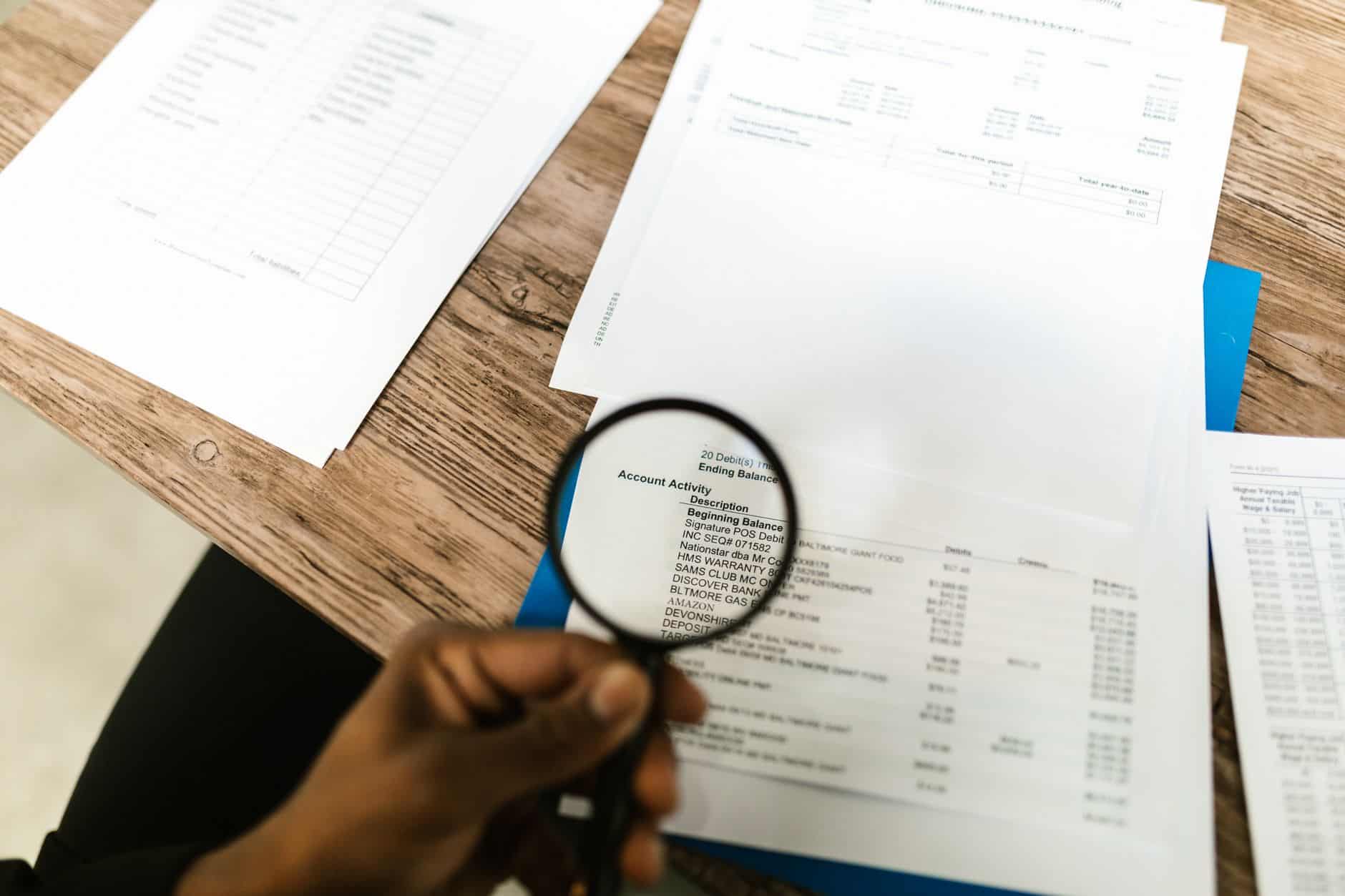
Before you send any payment, run through this checklist:
- Reverse image search the listing photos — Right-click any photo and choose “Search image” in Google, or upload to TinEye. If the photos appear on a different listing under a different name, or on a real estate site as a current or past sale, you’re looking at a stolen listing.
- Look up the property address in the county tax assessor records — Every county in the US has public property records accessible online. The name on the tax record should match or be plausibly connected to the person or company renting it. This takes 3 minutes and eliminates a large percentage of scams.
- Search the address on Google Maps Street View — Does the property look like the photos? Is the address in a residential area? Does it match the environment described in the listing?
- Call the property manager or host directly — Not the phone number listed on the suspect website, but a number you find independently by searching the property management company name. If the company can’t be found independently, that’s a major red flag.
- Book only through platforms with buyer protection — VRBO’s Book with Confidence Guarantee, Airbnb’s AirCover, and Booking.com’s Price Guarantee all provide recourse if the listing is fraudulent. These only apply if you booked through the platform and paid through the platform.
- Pay by credit card whenever possible — Credit cards have chargeback protections under the Fair Credit Billing Act. If you pay by credit card and are defrauded, your card issuer has tools to recover the payment that bank transfers, Venmo, and wire transfers do not have.
What to Do If You’ve Already Been Scammed
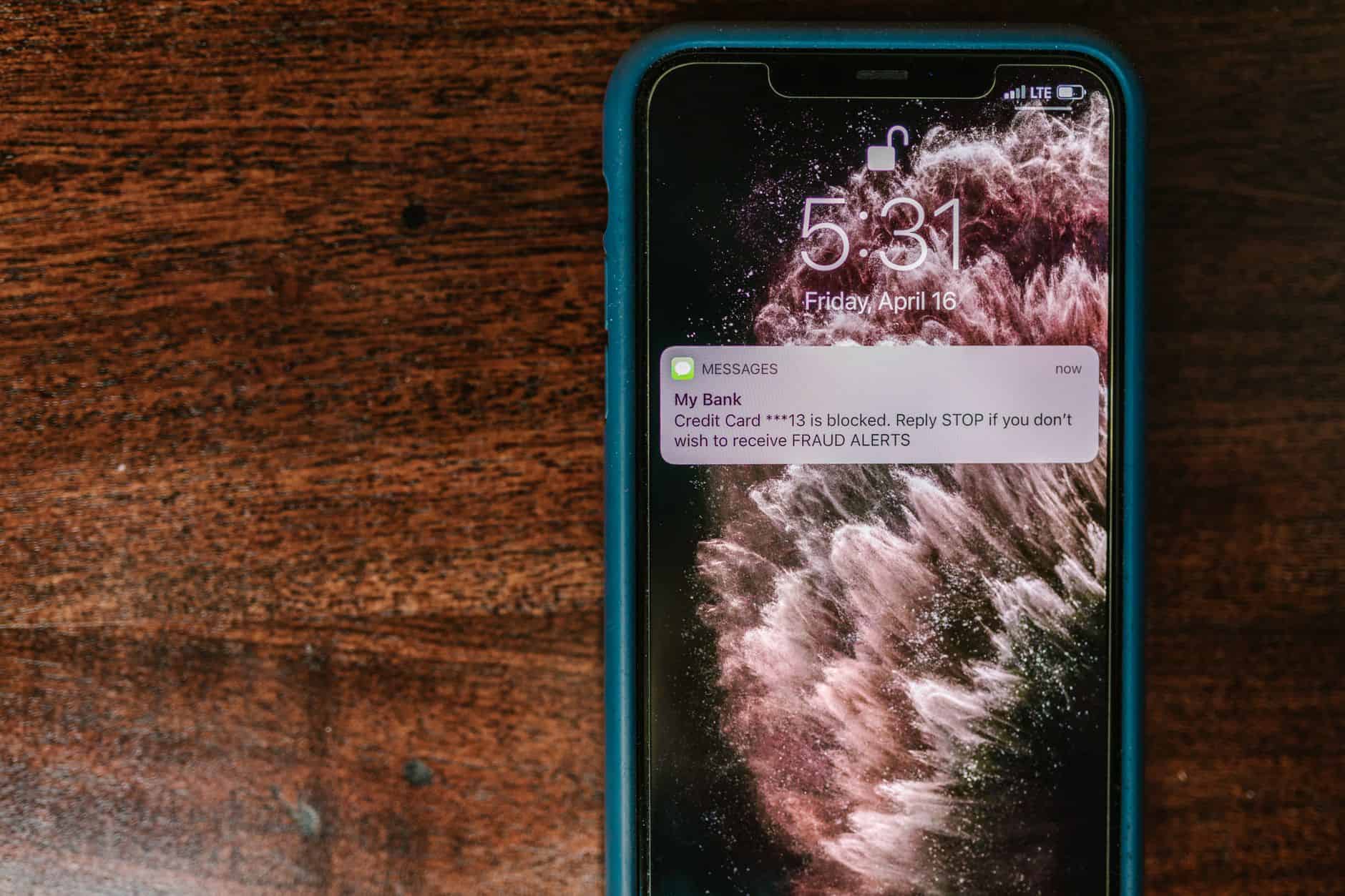
If you’ve paid for a rental and arrived to find it was fraudulent:
- Call your credit card immediately — File a dispute for services not rendered. Do this within 60 days of the charge. Provide the documentation: booking confirmation, emails, evidence the property was not available.
- File a complaint with the FTC at ReportFraud.ftc.gov — This creates a federal record and contributes to investigations of fraud rings. It won’t immediately recover your money but it matters.
- File a complaint with IC3.gov — The FBI’s Internet Crime Complaint Center specifically tracks vacation rental fraud. Multiple complaints about the same operation trigger investigations.
- Contact the platform if the scam originated there — Airbnb and VRBO both have fraud response teams. Document everything and escalate through their official channels. Both platforms have paid out to fraud victims in documented cases.
- File a local police report in both your location and the property location — Police reports are required for most insurance claims and sometimes for bank fraud recovery processes.
The Platforms Where You’re Actually Protected

To be clear: you can be scammed on any platform if you ignore the red flags above. But these platforms have meaningful buyer protection built in:
- Airbnb AirCover — Covers you if the listing is significantly misrepresented, if the host cancels within 30 days, or if you’re denied access to the property. Claims must be filed within 24 hours of discovering the issue. Read the terms before you need them.
- VRBO Book with Confidence — Provides a payment guarantee for fraud and significant misrepresentation. Requires that you booked and paid through VRBO’s platform — not through a link the host sent you directly.
- Booking.com Genius program properties — The higher the Genius tier of a property, the more review history and owner verification Booking has done. Not a guarantee, but a higher baseline.
The platforms are not perfect protection. The protections are contingent on your following the platform’s rules — booking through the platform, paying through the platform, communicating through the platform. The moment you go off-platform because a host offered a “better deal” directly, your protection evaporates. That is, of course, exactly what the scam depends on.