The Best Fall Road Trip in Every Region — Specific Routes, Peak Foliage Windows, and Where to Actually Stay
We may earn money or products from the companies mentioned in this post. This means if you click on the link and purchase the item, I will receive a small commission at no extra cost to you ... you're just helping re-supply our family's travel fund.
The single biggest mistake people make with fall foliage road trips is trusting general advice. “Go to Vermont in October” is technically correct and practically useless — because “October in Vermont” spans three completely different foliage experiences depending on whether you’re there the first week, the third week, or the last week, and whether you’re at 2,000 feet elevation or 400 feet elevation.
Fall color is a moving target driven by temperature, elevation, and latitude. Understanding the basics means you can actually time your trip right instead of arriving at a sea of bare trees because you were one week late.
Here’s how to read the timing, and here are the specific routes worth driving, by region.
How Fall Foliage Actually Works (So You Can Plan)
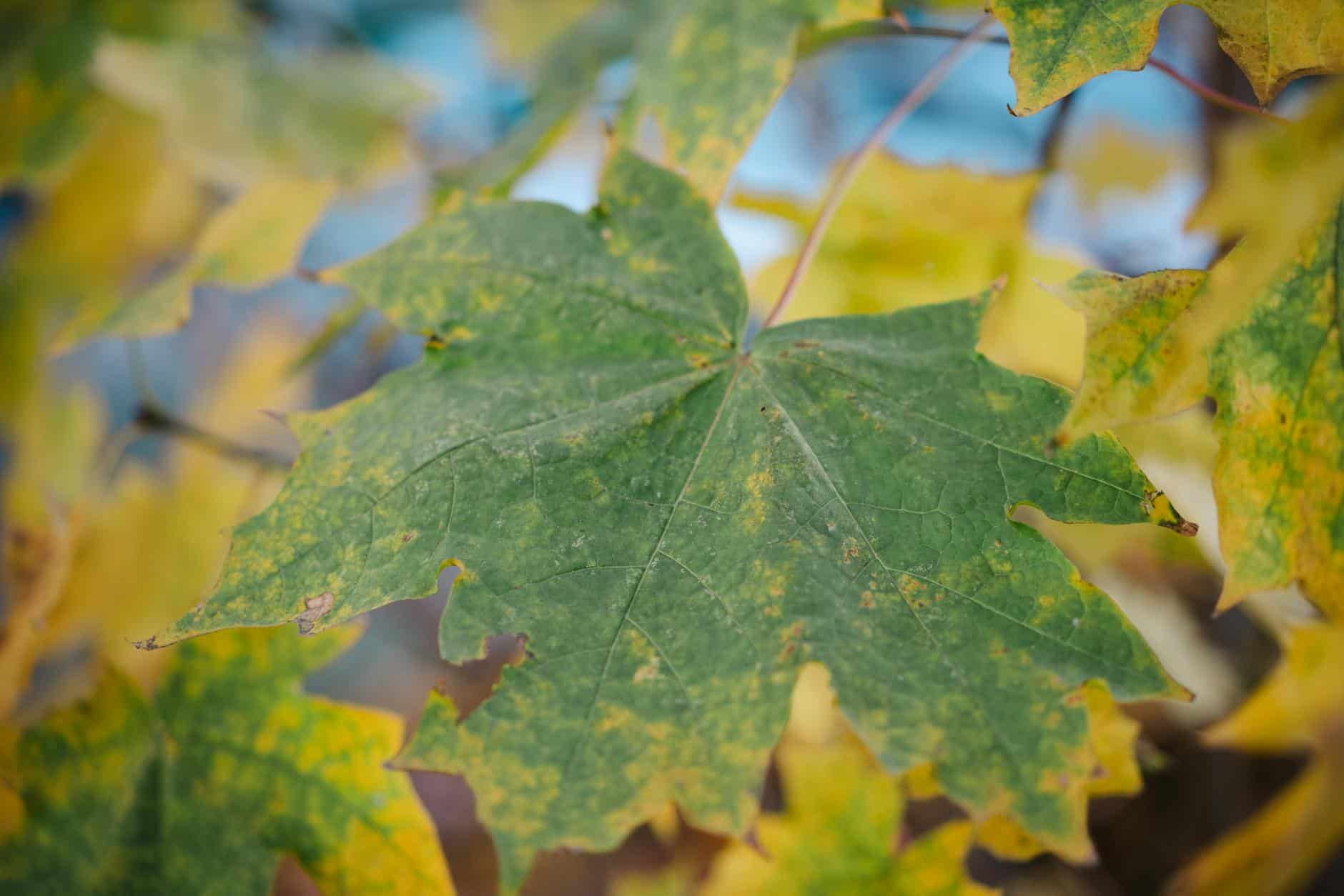
Fall color change is triggered by shortening days and cooling temperatures. The general rule:
- Color moves north to south at roughly 50–100 miles per week
- Color moves from higher to lower elevations, with mountain peaks turning first
- Peak is generally defined as 70%+ color change — after which leaves start dropping rapidly
- The window between “good” and “gone” at any specific location is usually 7–14 days
The best free tracking resources: the Smoky Mountains National Park foliage tracker, Yankee Magazine’s foliage map, and the Fall Foliage Prediction Map from SmokyMountains.com, which models peak timing by county.
New England: The Classic, Done Right
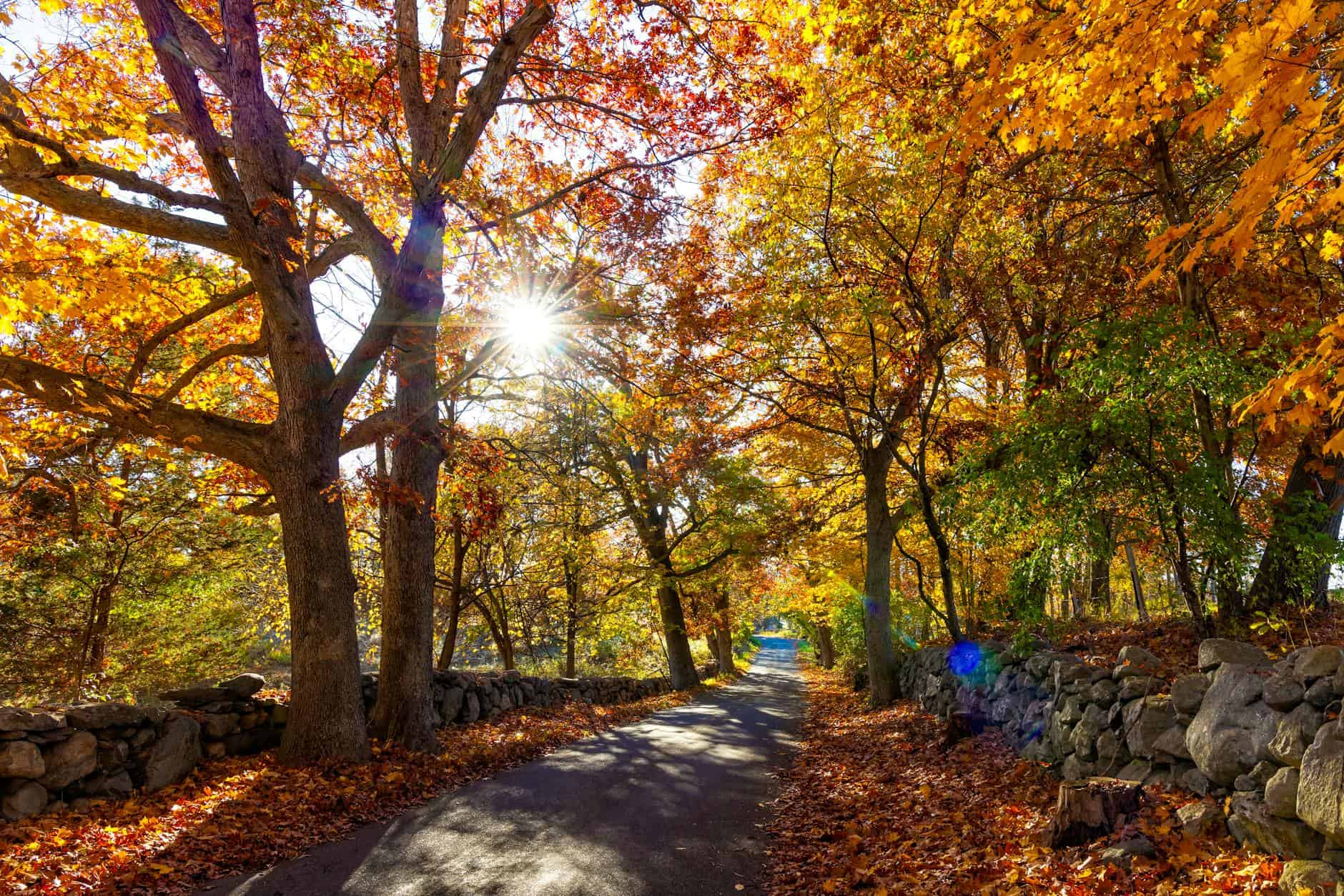
The Route: Burlington, VT → Stowe, VT → St. Johnsbury, VT → Franconia Notch, NH → North Conway, NH → Portland, ME
Miles: Approximately 350 miles over 4–5 days
Timing:
- Northern Vermont (Burlington/Stowe): Late September to early October
- White Mountains, NH: First two weeks of October
- Southern Maine (Portland): Mid to late October
The specific drives worth knowing:
- Vermont Route 100 — The spine of Vermont, running through the Mad River Valley and through Stowe, is the most classically beautiful fall drive in New England. Drive it from south to north for the full effect. Allow a full day.
- Kancamagus Highway (NH Route 112) — 34.5 miles through the White Mountain National Forest with no commercial development, multiple overlooks, and a summit at 2,855 feet that puts you directly at peak color during the first week of October. Drive it twice — once at sunrise, once at dusk.
- Maine’s Route 26 through the Oxford Hills — Genuinely beautiful and almost nobody does it because Portland is the draw. The foliage here peaks about 10 days after Vermont and is equally spectacular.
Where to stay without booking a year out:
- Stowe: Book 2–3 months ahead. The big inns sell out fast but smaller B&Bs often have rooms available on 6-week booking windows.
- North Conway: More rooms than Stowe, book 6–8 weeks ahead.
- Portland, ME: Book 3–4 weeks ahead for peak October weekends.
The Appalachian Blue Ridge: America’s Most Overlooked Fall Drive
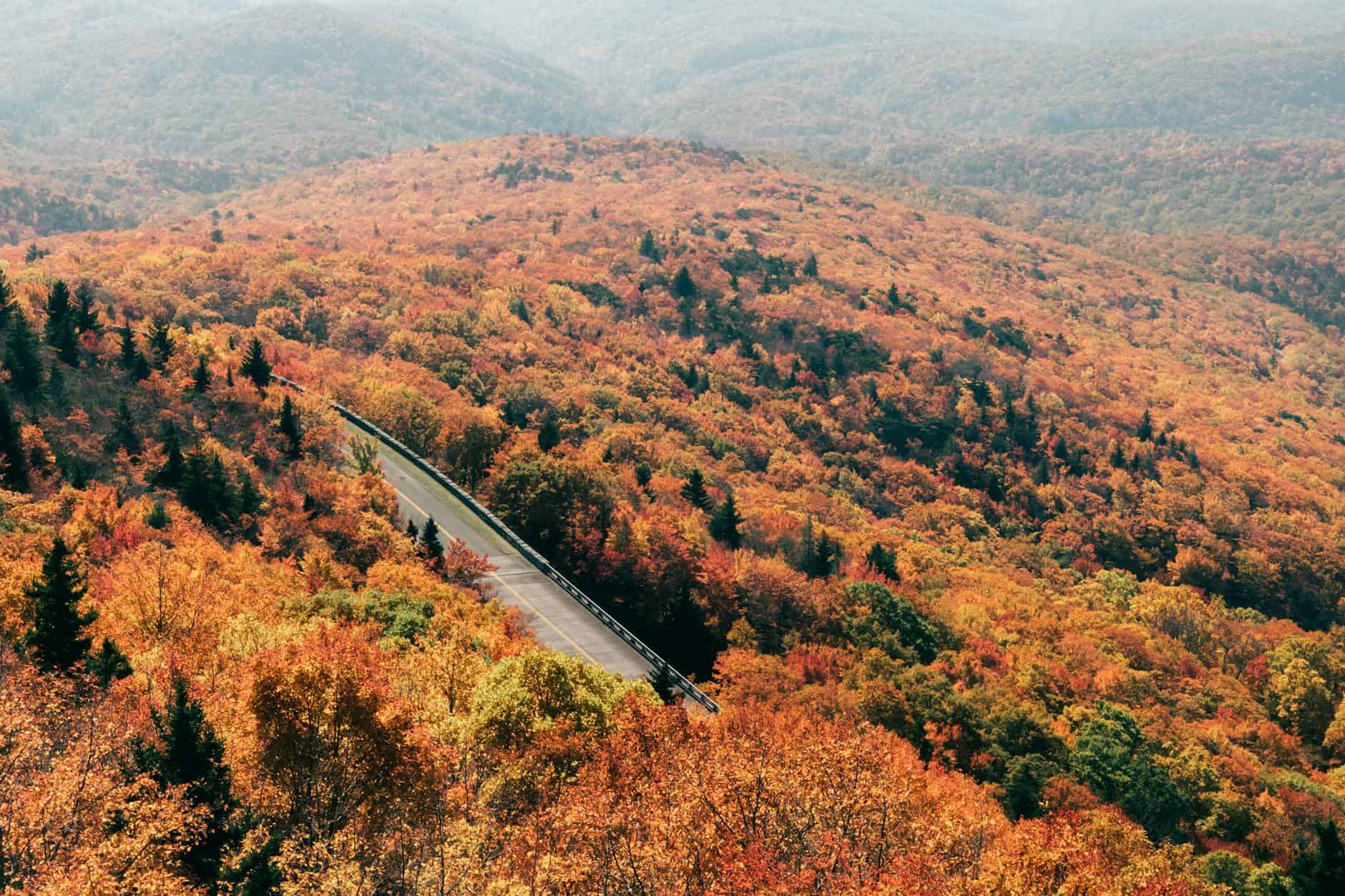
The Route: Shenandoah National Park, VA (Skyline Drive) → Roanoke, VA → Boone, NC → Asheville, NC → Great Smoky Mountains National Park, TN/NC
Miles: Approximately 550 miles, best done over 5–7 days
Timing:
- Shenandoah/Skyline Drive: Mid to late October
- Blue Ridge Parkway NC/VA: Late October
- Smoky Mountains: Late October to mid-November
This route is legitimately more impressive than New England in the right conditions. The Blue Ridge Parkway in late October — particularly the stretch around Linville Falls and the Linn Cove Viaduct — produces views that match anything in Vermont. And the Smokies in peak color are nothing short of extraordinary.
The specific drives:
- Skyline Drive, Shenandoah — 105 miles through Shenandoah National Park with overlooks every few miles. The drive takes 3–4 hours at a reasonable pace. The Bearfence Mountain scramble takes 30 minutes and delivers a 360-degree panorama.
- Blue Ridge Parkway from Boone to Asheville — The highest section of the parkway, passing through Julian Price Park and Moses H. Cone Memorial Park. The elevation keeps you above the cloud line in the mornings for dramatic views.
- Newfound Gap Road, Smokies — The main road through Great Smoky Mountains National Park from Cherokee, NC to Gatlinburg, TN, cresting at 5,046 feet. In late October, you drive through multiple color bands as you ascend and descend.
The Midwest’s Secret Fall Corridor
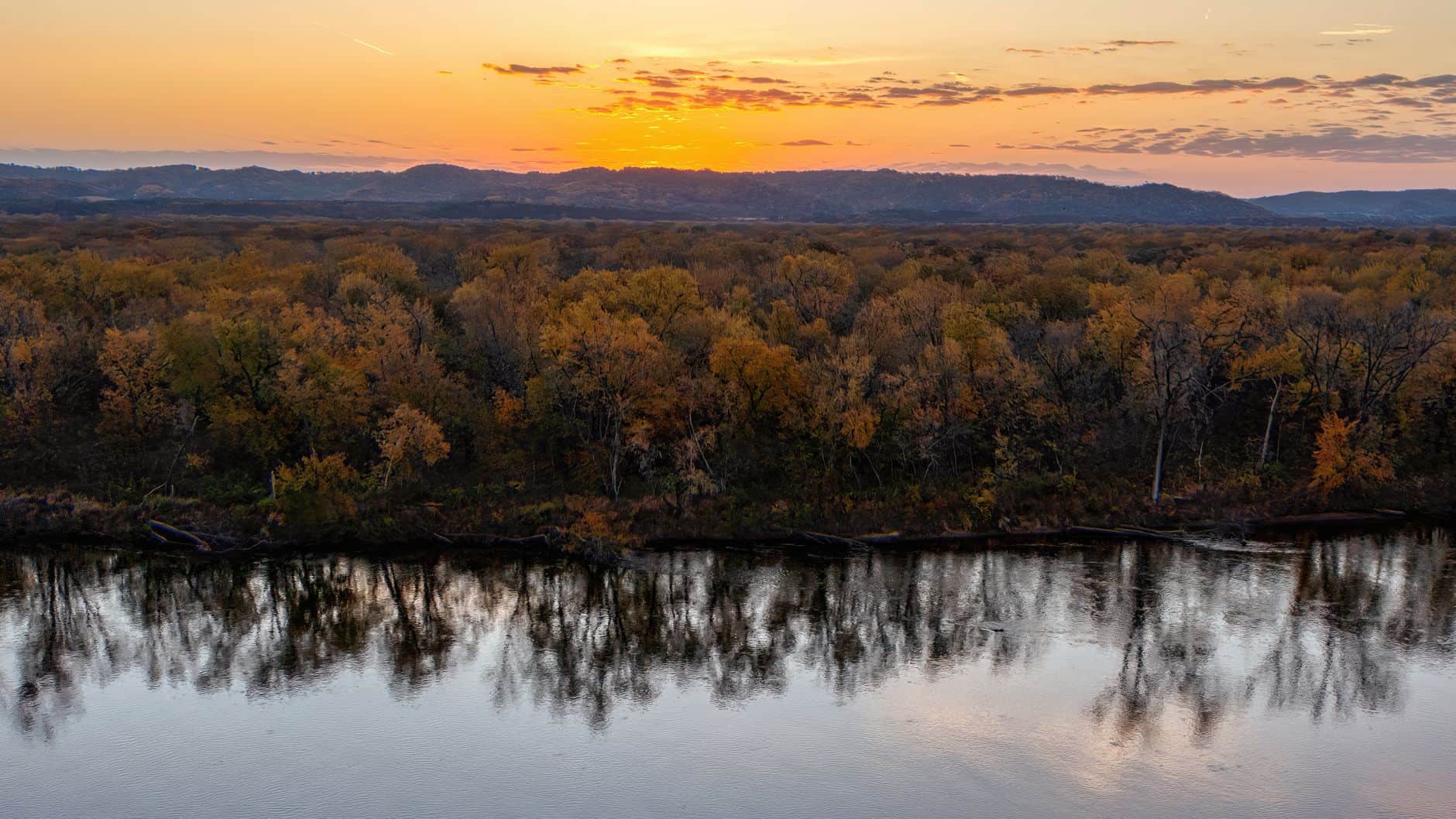
The Route: Duluth, MN → Bayfield, WI (Apostle Islands) → Door County, WI → Michigan’s Upper Peninsula → Traverse City, MI
Miles: Approximately 700 miles over 5–6 days
Timing:
- Minnesota/Wisconsin: First two weeks of October
- Upper Michigan: Early to mid-October
- Northern Lower Michigan (Traverse City): Mid to late October
This corridor is criminally underrated by the national travel media. The combination of Great Lakes water, dense hardwood forest, and the scale of the Upper Peninsula produces fall color that in good years rivals anything in the East.
Don’t miss:
- Lake Superior’s North Shore, MN — Highway 61 from Duluth to the Canadian border follows the lake shore through a series of state parks with waterfalls, overlooks, and that specific quality of light you only get when you’re next to an inland sea.
- Upper Peninsula Waterfall Route — The UP has more than 300 waterfalls. The route from Munising (Pictured Rocks) to Tahquamenon Falls hits the best ones over two days.
- M-119 Tunnel of Trees, Michigan — 20 miles of two-lane road north of Harbor Springs where the tree canopy closes completely over the road in a tunnel of October color. Best driven slowly, windows down.
The Rockies: Short Windows, Maximum Drama
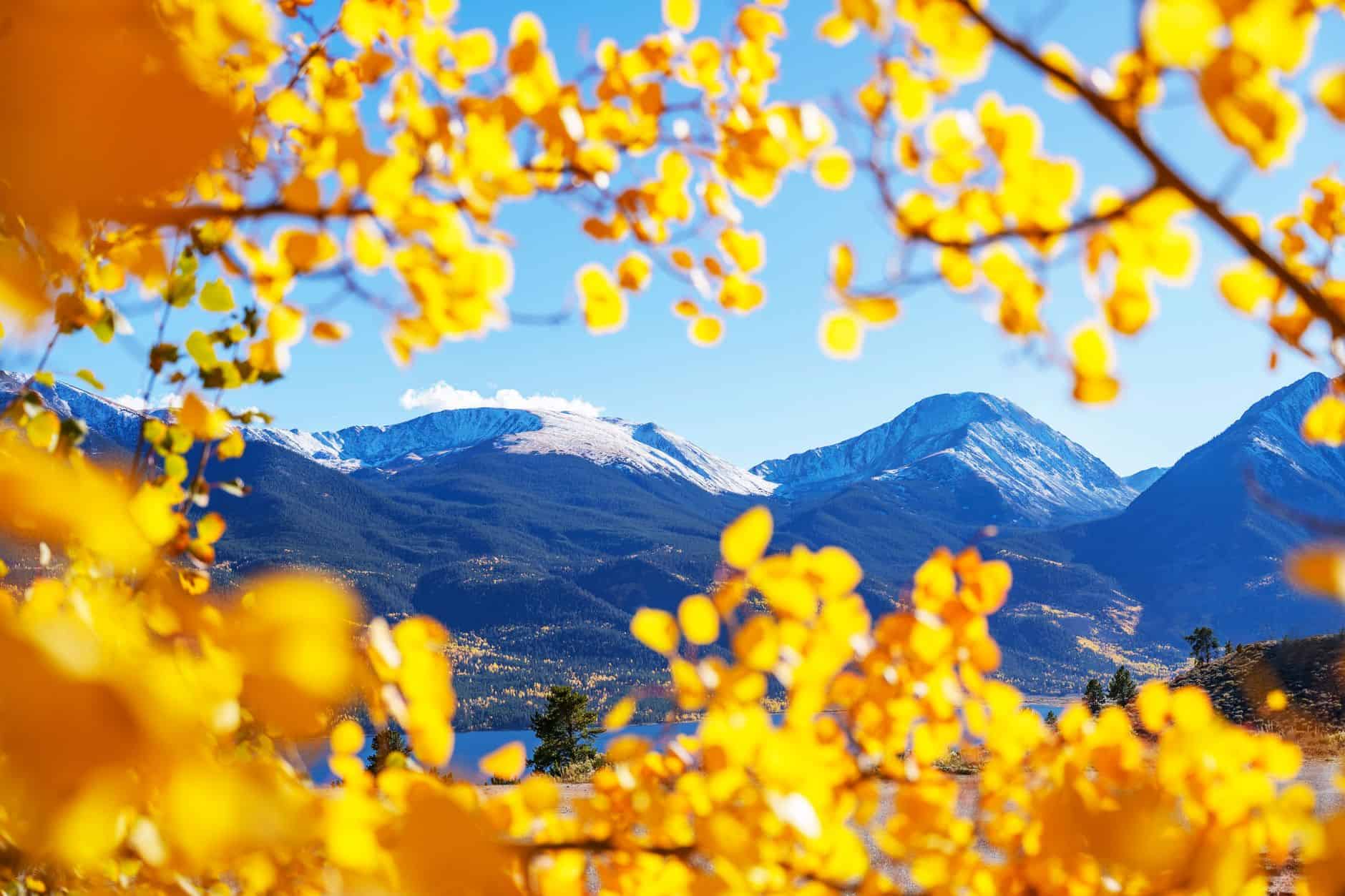
The Route: Estes Park, CO → Rocky Mountain National Park → Grand Lake, CO → Steamboat Springs, CO → Independence Pass → Aspen, CO
Miles: Approximately 300 miles over 3–4 days
Timing:
- Rocky Mountain National Park aspens: Late September to first week of October
- Steamboat Springs area: Late September
- Aspen/Independence Pass: Late September, varies by year
The Rockies are different from Eastern fall drives because the dominant fall color species is aspen, not maple or oak. Aspen groves turn a luminous gold-yellow-orange that photographs impossibly well and shimmers in mountain wind. The window is short (often 10–14 days per elevation band) but when it peaks, it’s one of the most spectacular natural events in the country.
Best aspen drives:
- Trail Ridge Road, RMNP — The highest continuous paved road in the country crests at 12,183 feet. The aspen groves in the valleys below turn while the tundra above still holds late-season wildflowers. Early morning light turns the aspens gold.
- Independence Pass (CO 82) — Connects Aspen to Twin Lakes over a 12,095-foot summit. The aspen groves on both sides of the pass are enormous and turn simultaneously. Close by mid-October — check road status before driving.
Pacific Coast and Cascades: The Long Game
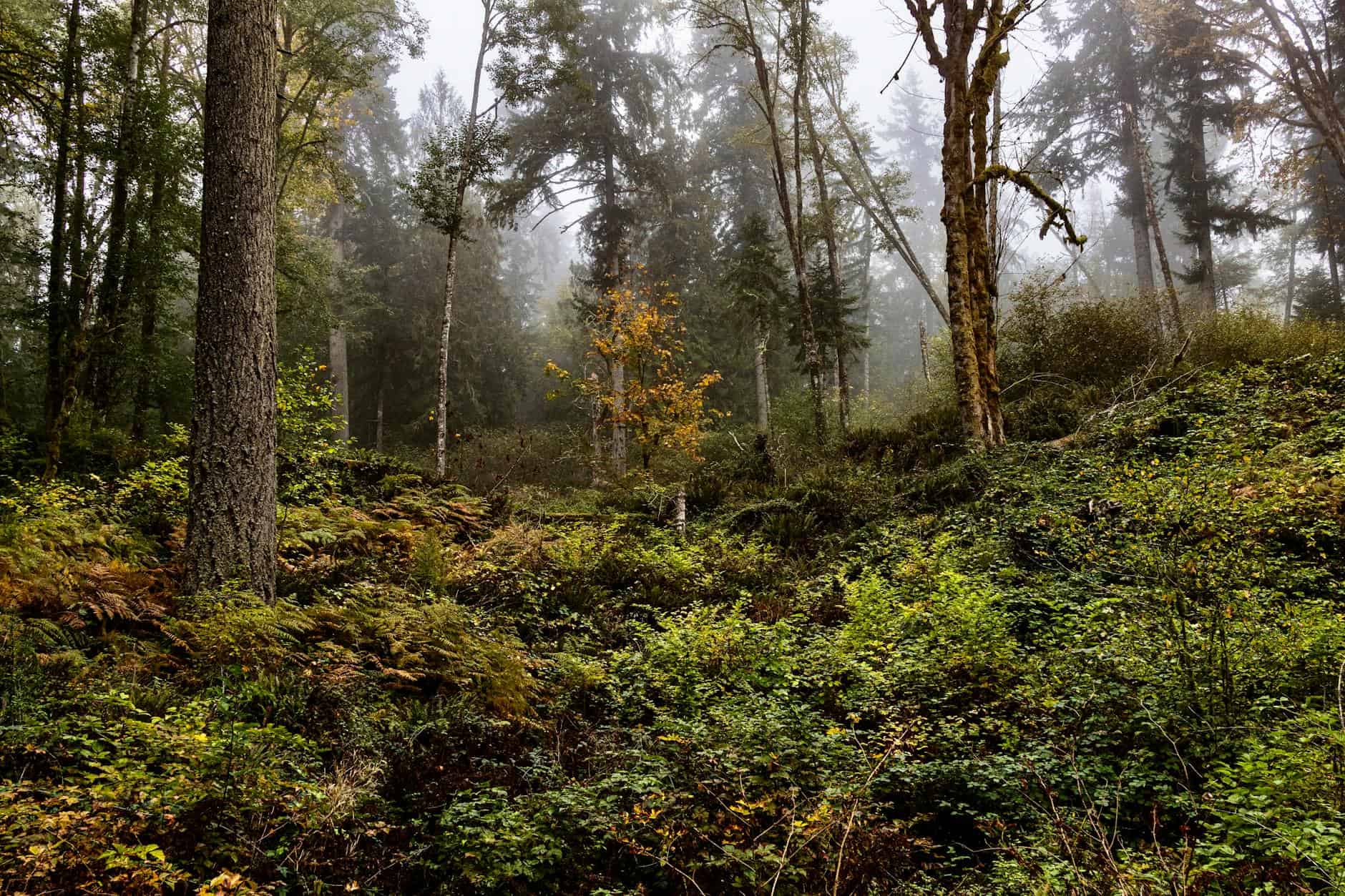
The Route: Portland, OR → Columbia River Gorge → Hood River, OR → Mount Rainier NP, WA → North Cascades NP, WA → Winthrop, WA
Miles: Approximately 500 miles over 4–5 days
Timing:
- Columbia River Gorge: Mid to late October
- Mount Rainier area: Early to mid-October
- North Cascades Highway: Early October (closes in November)
The Pacific Northwest fall experience is different in character from the East — more muted golds and russets in the deciduous trees, contrasted against the evergreen fir and cedar. But the North Cascades Highway (US-20) from Winthrop to Burlington is one of the most spectacular drives in the country at any time of year, and in early October the larch trees (the rare deciduous conifer that turns gold) make it extraordinary.
Logistics: How to Book a Fall Road Trip Without Stress

- Book accommodation at least 6–8 weeks ahead for peak weekends — October weekends at major fall destinations fill completely. Mid-week travel (Tuesday to Thursday) offers better availability and lower prices.
- Use flexible cancellation bookings and watch foliage trackers — Book refundable rooms in advance, then monitor peak color predictions and adjust your dates by a few days if needed.
- Arrive at popular drives before 8am or after 4pm — The Kancamagus, Skyline Drive, and Newfound Gap Road all get genuinely congested at midday on October weekends. Early morning is better light anyway.
- Plan for weather contingencies — A rainy October day in the White Mountains is still beautiful. A storm that knocks leaves off early is not recoverable. Check the extended forecast the week before your trip and adjust your timing toward the peak window if you can.
- Carry cash for smaller state parks and roadside stands — The best apple cider donuts, fresh presses, and farm stands don’t always take cards. This is not a metaphor. Bring $40 in cash.