What a Travel Writer Actually Packs vs. What They Tell You to Pack — The Honest Gap Is Embarrassing
We may earn money or products from the companies mentioned in this post. This means if you click on the link and purchase the item, I will receive a small commission at no extra cost to you ... you're just helping re-supply our family's travel fund.
I have written, by my count, three separate packing guides for this site. One of them has been shared more than 40,000 times. It advises packing light, going carry-on only, choosing versatile pieces in neutral colors, leaving room for purchases, and never — ever — checking a bag.
Last month I flew to Portugal for 11 days. I checked a bag.
It weighed 47 pounds.
The gap between what travel writers tell you to pack and what they actually do is one of the most entertaining open secrets in the travel content world. I know writers who publish “what fits in my 20L backpack for 3 weeks” guides while traveling with roller bags. I know minimalist packing evangelists who quietly check a second bag at the international terminal and leave it out of their posts.
I’m going to tell you what I actually put in my bag and why. And then I’m going to tell you which packing advice is still actually good, even if I don’t always follow it myself.
The Packing Guide Industrial Complex

Here’s the incentive structure: packing guides are extremely searchable content. “What to pack for Portugal” and “two-week Europe packing list” are high-traffic queries with strong affiliate revenue potential — every specific product recommendation can include an Amazon or affiliate link. This means there are thousands of packing guides online, all competing for the same reader.
To stand out, packing guides have drifted toward aspiration rather than reality. The most shareable packing guides are the ones that make you feel like you could travel for three weeks with a single Patagonia tote bag, everything folded into four uniform packing cubes, your entire wardrobe in tones of oatmeal and navy.
This is not how most people travel. It is, frankly, not how most travel writers travel.
What I Tell You to Pack
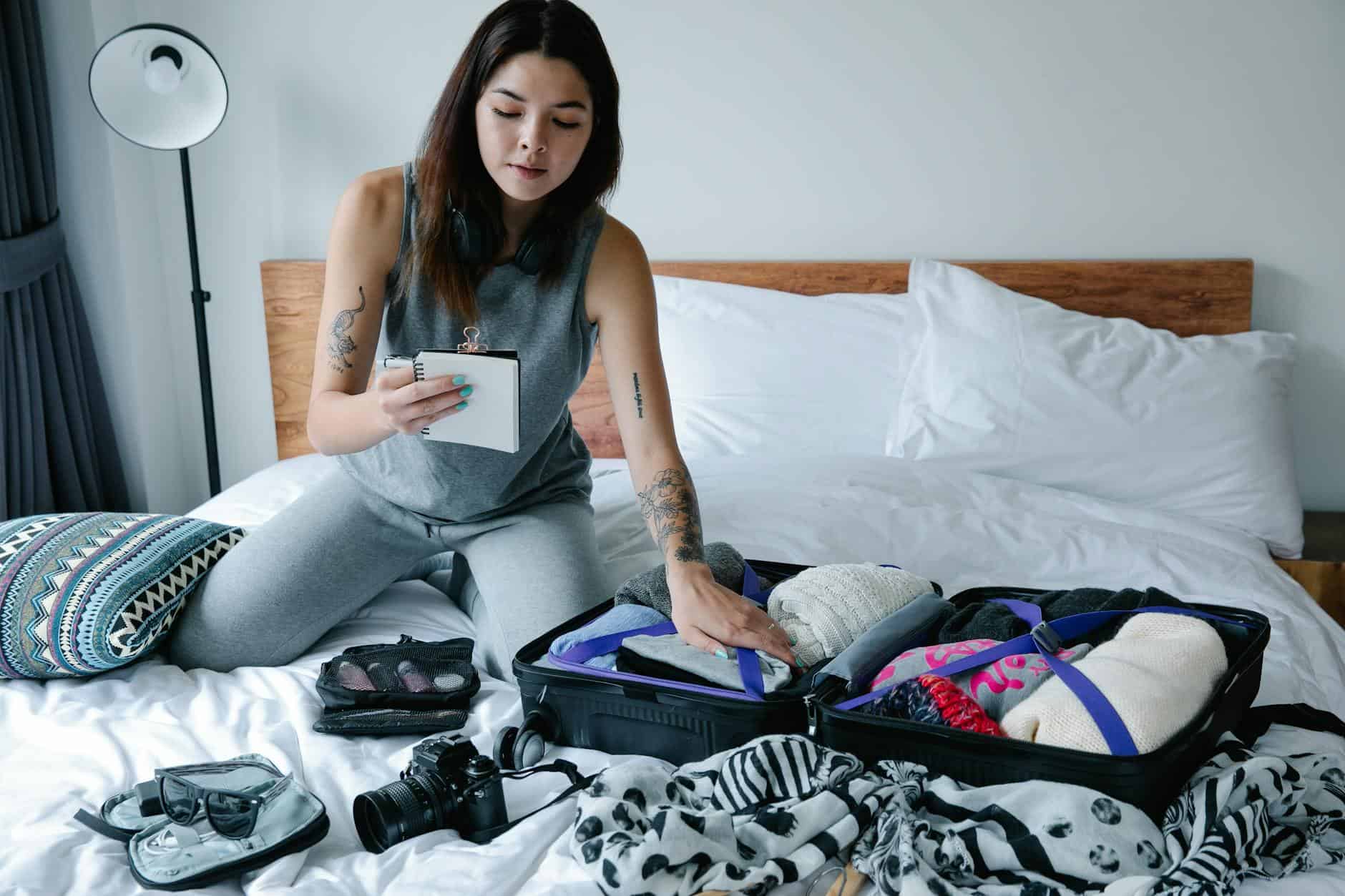
Here’s the standard content I’ve published and that gets shared:
- 3–4 tops that mix and match
- 2 bottoms
- 1 versatile dress (if you wear dresses)
- 1 light layer / cardigan
- 1 packable rain jacket
- Comfortable walking shoes + one nicer flat or loafer
- Travel-sized toiletries in a 3-1-1 bag
- A packing cube system
- One small crossbody day bag
- Kindle instead of books
- Medications + first aid basics
- Power adapter and charging cables
Total: fits in a 40L carry-on. Never check a bag. Freedom, flexibility, no waiting at baggage claim.
What I Actually Pack
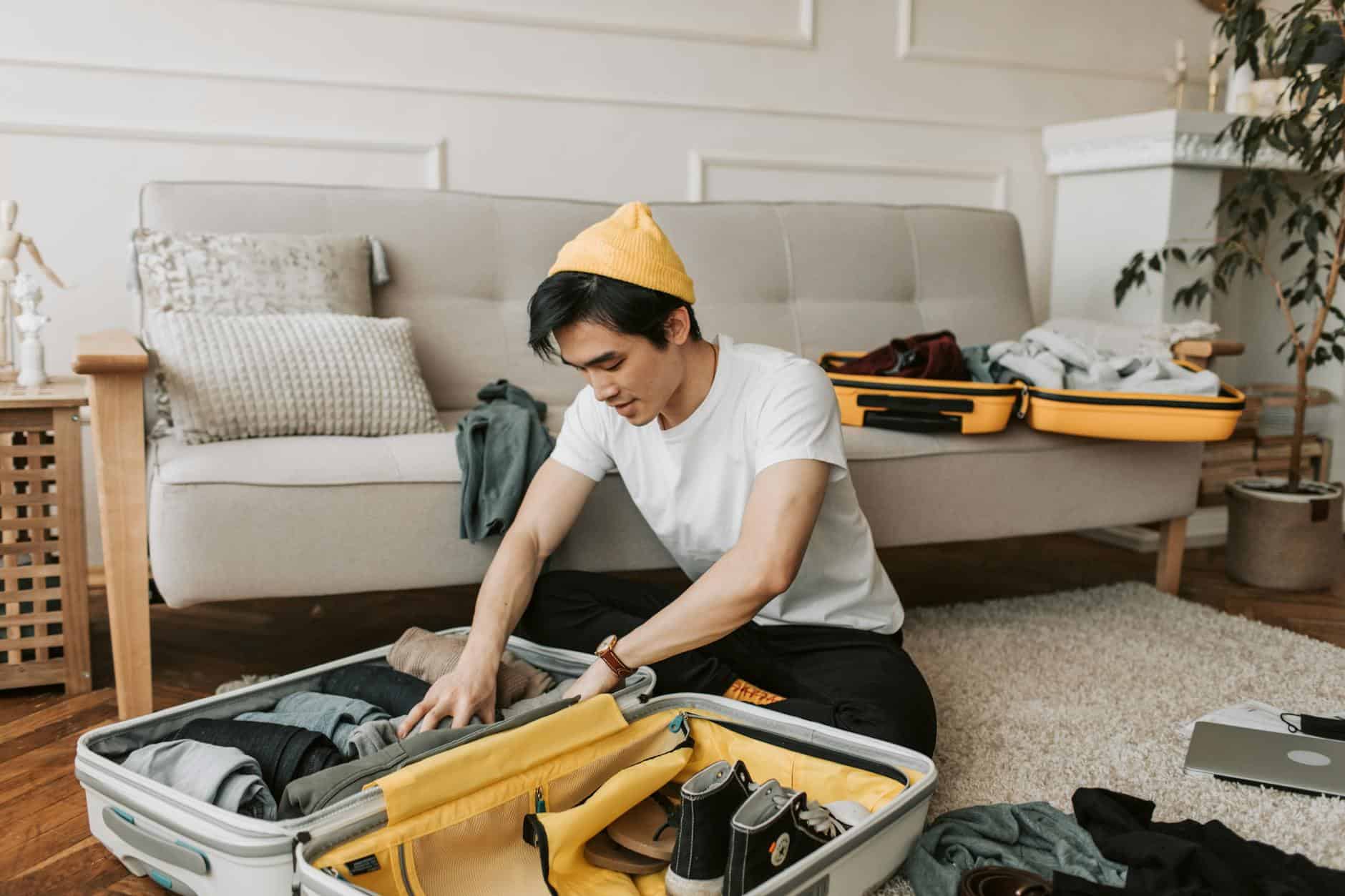
For my 11-day Portugal trip, what actually went in the bag:
- 7 tops (because I always think I’ll want options and I was right about at least 5 of them)
- 3 pairs of pants plus leggings for the flight
- A dress
- A denim jacket (not packable, heavy, worn twice)
- A rain jacket (this one I actually use)
- Three pairs of shoes: sneakers, walking sandals, and one pair of mules I wore to exactly one dinner and could have easily left home
- Full-size shampoo and conditioner (I’m sorry but hotel shampoo is genuinely bad for my hair)
- A full-size face wash because see above reasoning
- Two paperback books that I fully knew I could read on Kindle
- A full first aid kit that contains items I have never once used in 12 years of travel and will apparently keep packing anyway
- A journal, three pens (one for losing), and a set of colored pencils because I “might sketch”
- A portable espresso maker that I was given as a gift and that I used exactly once
- A backup battery pack that is the size of a small brick
- Snacks for the plane — fine, justified
Total: a checked bag and a personal item. Waited at baggage claim. Zero regrets about the shampoo.
The Categories Where I Actually Practice What I Preach

To be fair to myself, there are areas where I’ve genuinely internalized the good advice:
- Electronics — I do pack light here. One universal adapter, one charging cable per device (no duplicates), one good power bank, and AirPods instead of over-ear headphones for day trips. This discipline has saved me significant weight.
- Medication and health — I have a tight, well-organized medical kit: Imodium, Benadryl, ibuprofen, Pepto chewables, a few bandages and butterfly closures, and blister pads. I do not bring a full pharmacy. This is the right call.
- Technology overall — Laptop for work trips, iPad for personal trips, phone for everything. I don’t bring backups of everything anymore. This took years to accept.
- The day bag — I’ve committed to one good crossbody bag and I don’t bring a second “just in case” tote anymore. This was a real win.
The Things I’ll Never Give Up (Even Though I Should)
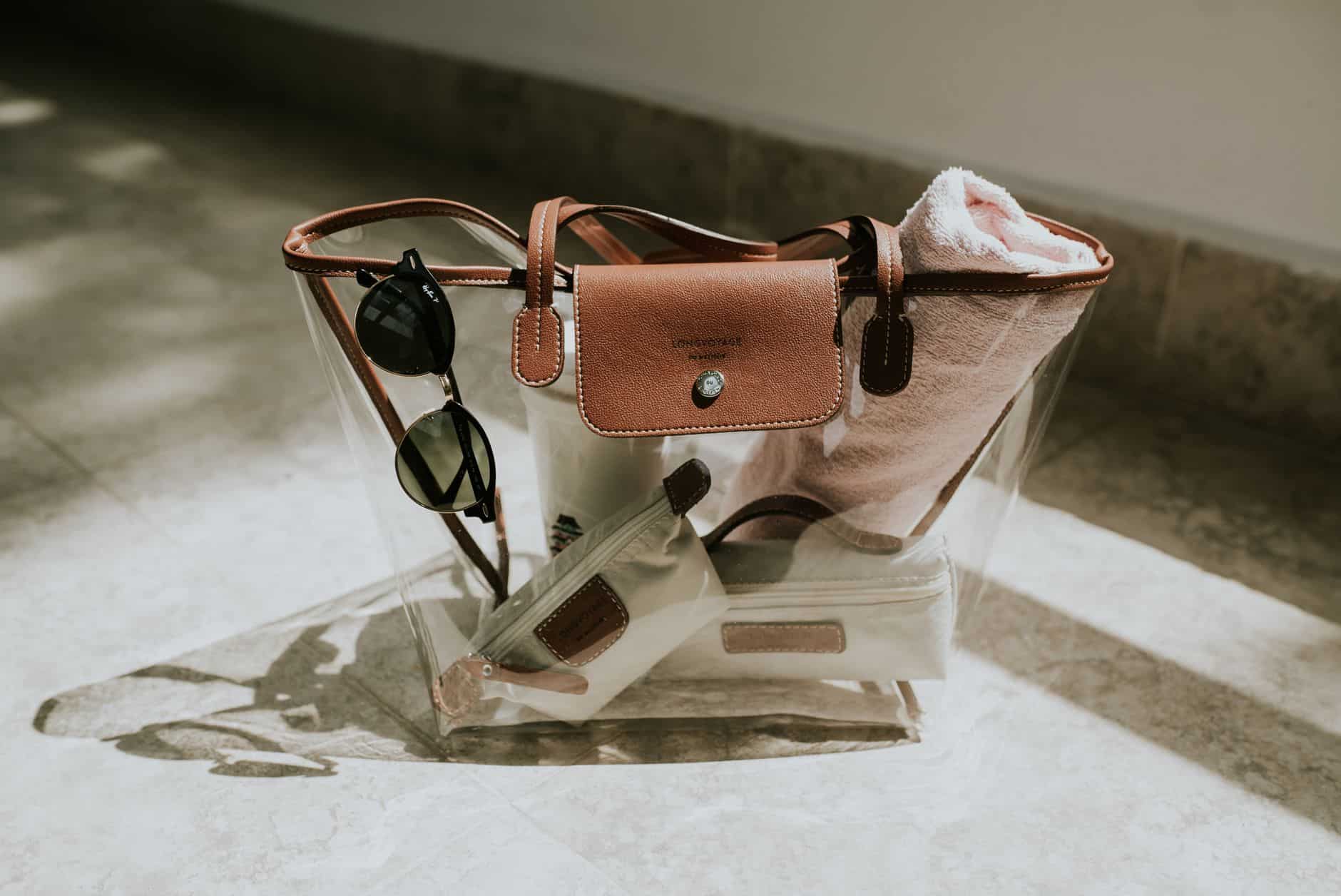
After many years of travel writing, I’ve accepted that certain irrational packing habits are load-bearing for my personal enjoyment of a trip:
- Physical books — Yes I have a Kindle. Yes physical books are heavy. No I am not changing this. Reading a paperback on a train through Portugal is a different experience than reading on a screen and I refuse to optimize it away.
- Extra shoes — I know the minimalist argument. I know one pair of all-purpose shoes is technically sufficient. But having the option to not wear the shoes I wore all day to a dinner makes the dinner meaningfully better, and I’ll keep paying the weight penalty.
- My own toiletries — Not traveling with my own shampoo is the kind of advice that makes sense for a 48-hour trip but not for 10 days. I’m done apologizing for this.
- Comfort items — I travel with a small pillow insert that compresses to the size of a softball. It weighs 8 ounces. Sleep on a trip is worth any weight penalty.
What Packing Advice Is Actually Good For
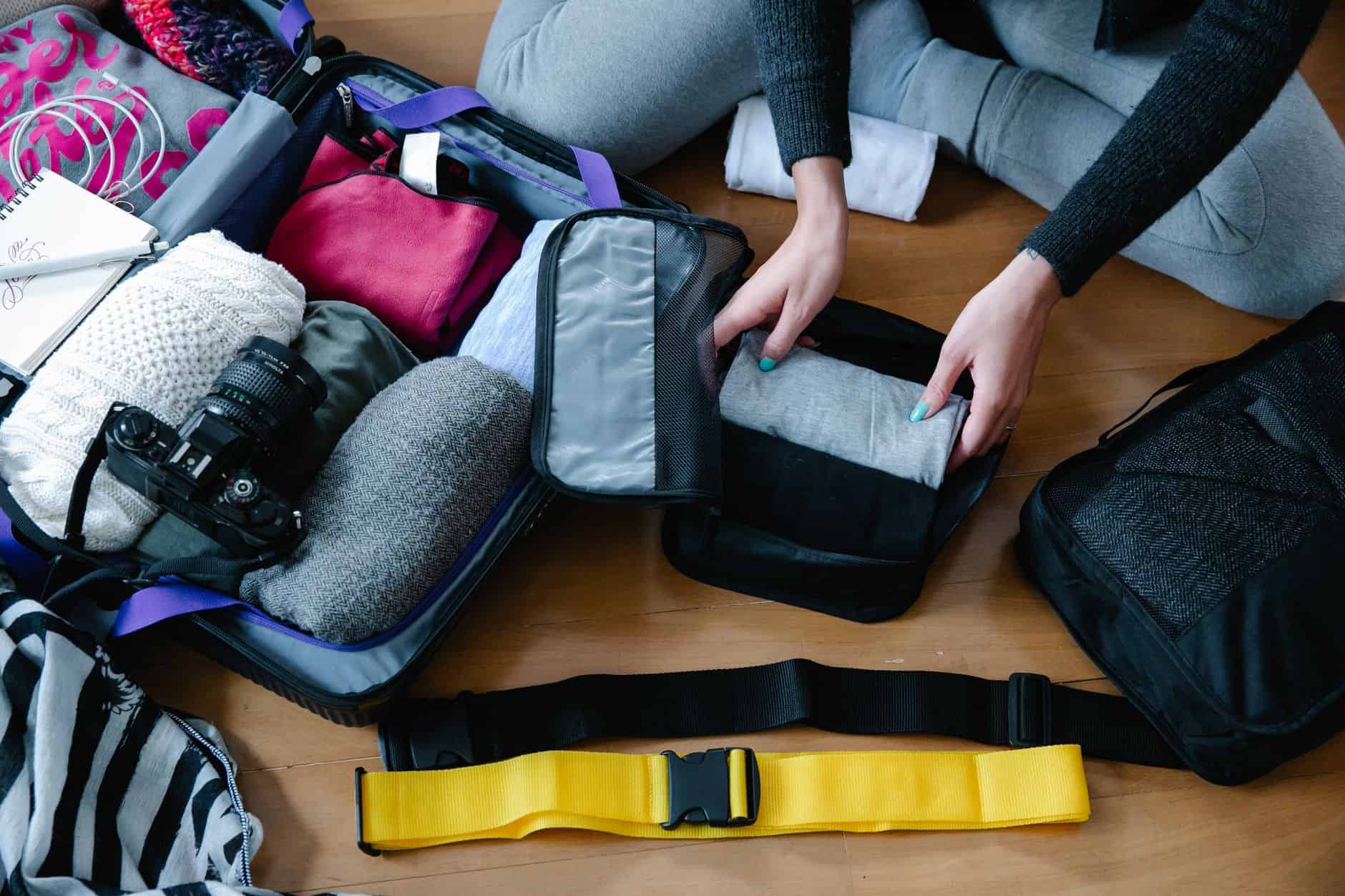
Here’s what I genuinely believe after being honest about all of this:
Packing advice is not about perfection. It’s about raising your floor. Most people who haven’t traveled internationally before really do overpack dramatically — bringing formal outfits they’ll never wear, duplicates of everything, appliances that don’t work with European current, enough shoes for a season.
The carry-on-only advice helps people realize they don’t need as much as they think. The neutral-colors advice helps people realize their wardrobe works harder if pieces go together. The packing cubes advice genuinely helps with organization.
But the aspirational “I fit three weeks in a 20L bag” content has overcorrected. It creates anxiety about packing what you actually need, makes people feel like failures for checking a bag, and generates content that the writers themselves don’t follow.
The real advice is this: pack what makes you comfortable and happy on the trip you’re actually taking. Then, the next trip, try leaving behind the one thing you never touched. Iterate from there. You’ll find your own balance — and it probably includes at least one thing that doesn’t make it onto any packing list.