People Who Took Their First Completely Solo Trip Kept Discovering the Same Uncomfortable Things About Themselves
We may earn money or products from the companies mentioned in this post. This means if you click on the link and purchase the item, I will receive a small commission at no extra cost to you ... you're just helping re-supply our family's travel fund.
This article contains affiliate links. If you book or buy something through our links, we may earn a small commission at no extra cost to you.
Most people who travel solo for the first time describe anticipating it in two completely contradictory ways: as something they’ve been looking forward to — the freedom, the adventure, the independence — and as something they’re slightly afraid of, in ways they can’t fully articulate.
Both the anticipation and the fear turn out to be pointing at something real. The solo trip delivers on the freedom. It also delivers on the fear. And then, after both of those, it delivers on something nobody really warned about: a sustained and sometimes uncomfortable encounter with yourself.
The First Night Alone in a Foreign Room

The first night is the tell. Most people who have taken a first solo trip describe it with unusual precision — the specific feeling of checking into a room alone, unpacking alone, eating alone or deciding not to eat because going to a restaurant alone felt too visible, lying in bed in a country that wasn’t home with no one to talk to about the day.
For some people, this is immediately, uncomplicated freedom. They read. They sleep at 8:30 p.m. with the light on. They order room service without consulting anyone. They are fine.
For others, the first night produces something closer to the kind of loneliness they weren’t expecting — not the loneliness of missing a specific person, but a larger, more structural loneliness, the awareness that there is no one to share any of this with, that the experience is happening only to them and will exist only in their memory.
“I sat on the bed in my hotel in Lisbon,” said one woman who took her first solo trip at 34, “and I genuinely didn’t know what to do with myself. Which was wild, because I’m alone in my apartment at home all the time and it’s fine. Something about being alone in a foreign place made it feel different. Like the stakes were higher, somehow.”
What people discover on the first night, often, is something about their baseline relationship to solitude — whether they actually like being alone, or whether they’ve simply been living with other people and have never had to find out.
What You Find Out When Nobody Is Watching
Travel with other people involves a constant, low-level performance. Not an inauthentic one — but a social one. You are aware of how you’re coming across. You make recommendations that you expect the other person to like. You don’t eat the thing you actually want at 10 a.m. because it’s weird. You modulate.
Travel alone removes all of this. There is no audience. The choices you make — the museum you skip, the cafe you go back to three days in a row, the afternoon you spend doing nothing particularly impressive — are made purely according to your own preferences, with no social accounting.
This is revelatory for a lot of people, because the revealed preferences are sometimes surprising. The person who always said they loved museums discovers they find most museums tedious after forty-five minutes. The person who described themselves as adventurous finds they mostly want to sit and watch people. The person who claimed they weren’t interested in shopping spends three hours at a market with no inclination to leave.
You find out what you actually like when there’s no one to perform liking things for.
The Version of You That Only Appears When There’s No Audience

Solo travel peels back several layers of social identity that are so habitual most people don’t know they’re wearing them. Professional identity, relationship identity, the role you play in your family or social group — these tend to have weight at home, even when you’re not at work or with family. They’re part of how you think about yourself.
In a foreign city where nobody knows you, none of these apply. You are not someone’s colleague or partner or parent or child. You are just a person, in a place. The freedom of that is real. So is the strangeness of it — the slight vertigo of not having the usual scaffolding.
Some people find that without the scaffolding, they’re more themselves than they’ve been in years. Others find, more unsettlingly, that they’re not sure who “themselves” is without the usual context. The question “what do I want to do today” turns out to be harder when no one else’s preferences are helping to shape the answer.
“I realized at some point in week two that I’d been defining myself almost entirely in relation to other people,” said one traveler who took a month alone in South America. “As a partner, as a boss, as a friend. Alone in a city where nobody knew me, I wasn’t sure what was left. That was uncomfortable. It was also probably the most useful thing the trip gave me.”
How You Actually Handle Uncertainty (vs. How You Thought)
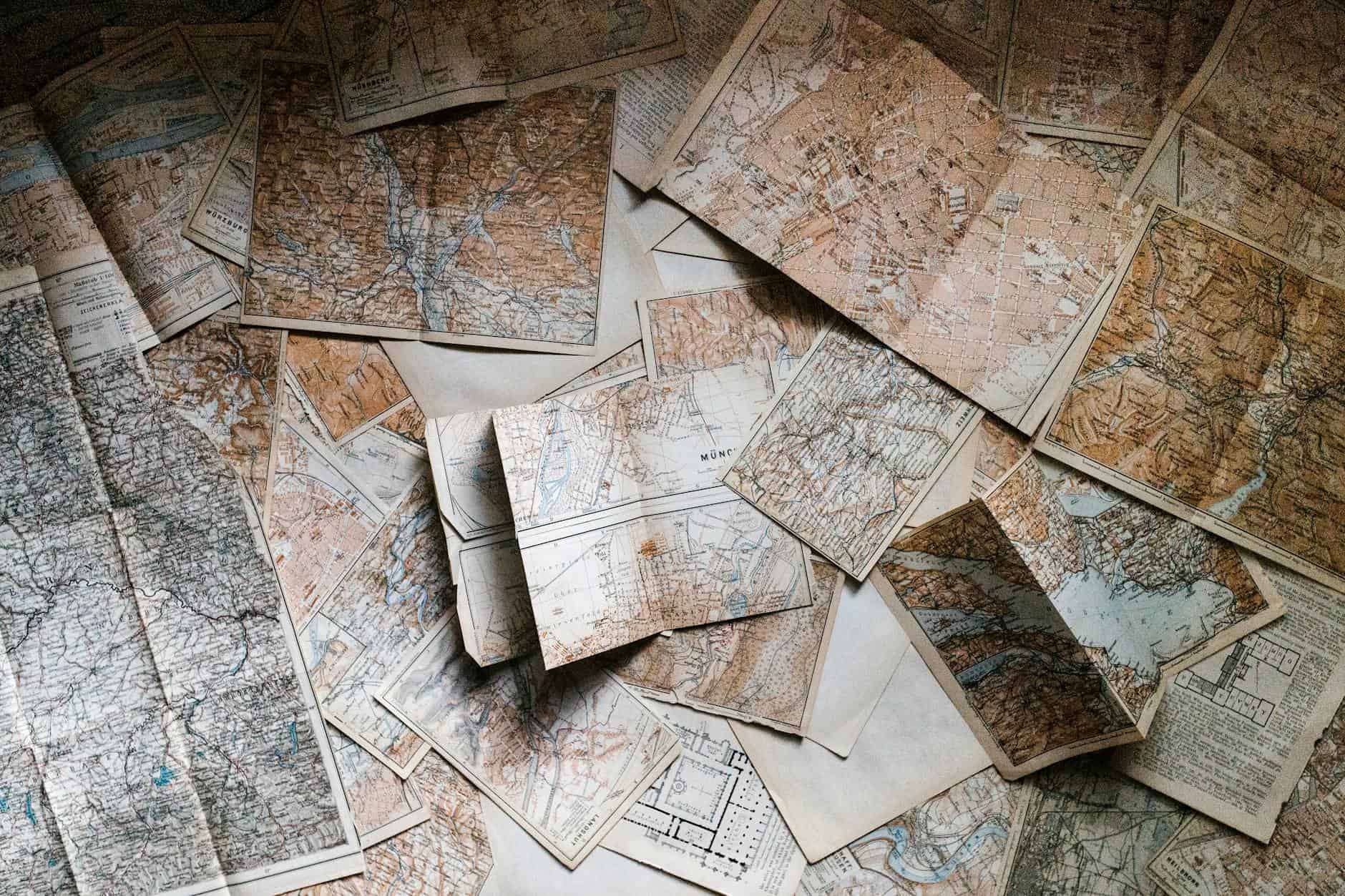
Solo travel produces regular, low-stakes crises — the train that was cancelled, the accommodation that turned out to be differently located than the map implied, the food allergy that wasn’t communicated correctly, the misread schedule, the wallet left at the last restaurant.
When these things happen with a travel companion, the problem-solving is shared. The stress is distributed. One person holds the luggage while the other renegotiates at the front desk.
Alone, all of it is yours. Every navigation error, every communication failure, every logistical surprise — you handle it. There is no one else.
Most people who solo travel discover, often with some surprise, that they handle these situations better than they expected. Not because the situations aren’t stressful, but because having no option but to handle them produces a competence that wasn’t visible before.
The inverse also happens: people who thought of themselves as capable and decisive discover that they freeze under low-stakes foreign uncertainty in ways they don’t freeze at home. The familiar context — the language, the norms, the default behavior — was doing more of the work than they knew.
What Loneliness Feels Like at 4 p.m. in a City You Don’t Know
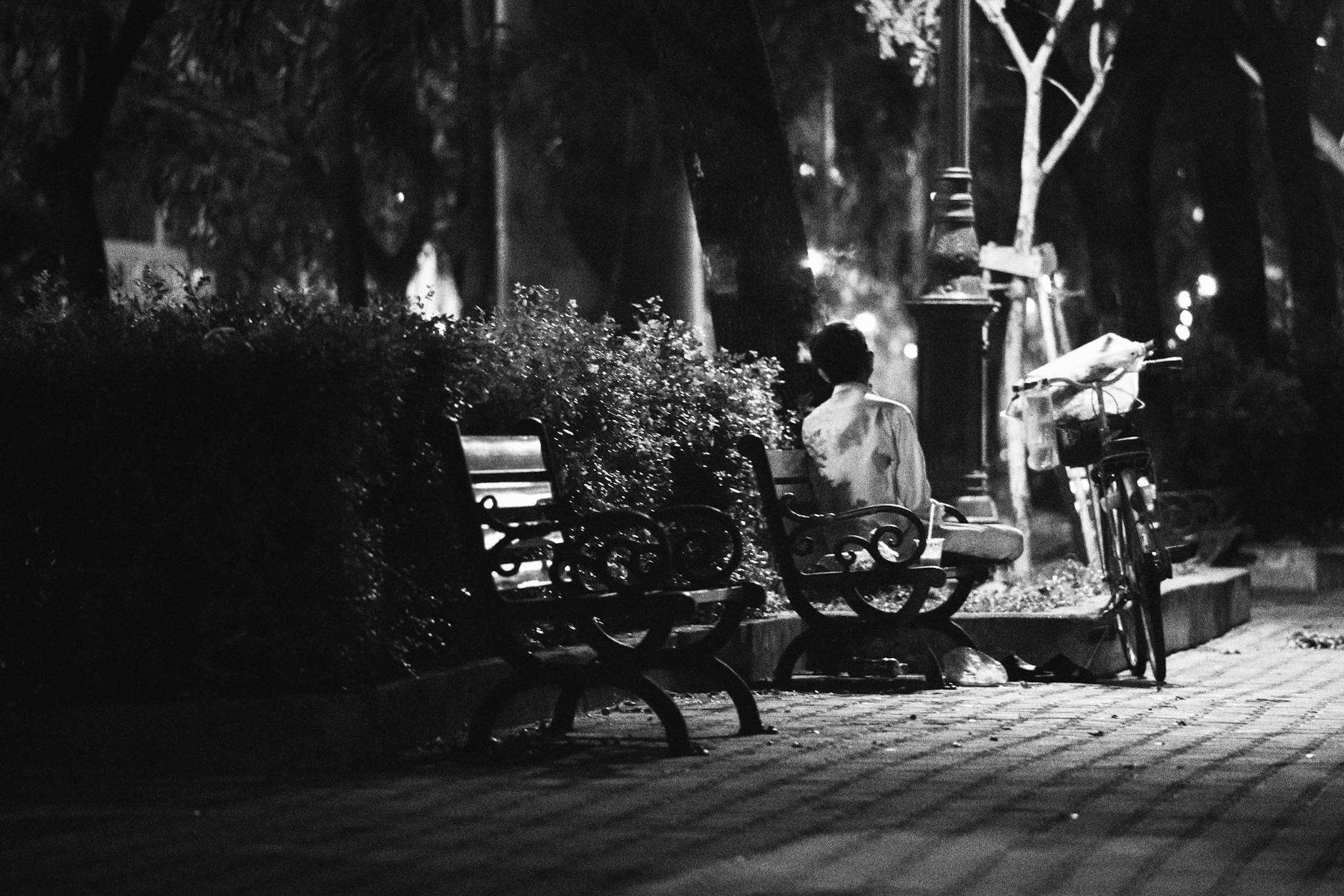
There is a specific hour on solo trips that seasoned solo travelers learn to anticipate. Different people place it at different times — some say early afternoon, some say just before dinner, some say late morning of day three — but the character is consistent.
It’s not dramatic loneliness. It’s a kind of quiet deflation: a moment when the novelty of the place has settled, the excitement of arrival has worn off, and there’s nothing in particular to do or focus on. The traveler is somewhere beautiful, perhaps, and isn’t feeling much of anything, and this gap between where they are and how they feel seems like a failure of some kind.
Experienced solo travelers describe learning to sit with this feeling rather than fight it. To not immediately fill it with activity, social media, or a phone call home. The 4 p.m. feeling often passes within an hour and gives way to something better — a second wind, a chance encounter, an evening that became good. But only if you don’t flee it.
“The loneliness on a solo trip,” one traveler wrote in a travel journal she later published, “is not the same as being sad. It’s more like being empty. And empty is actually okay, if you let it be. The problem is when you panic and try to fill it immediately with noise.”
When You Realize What You’ve Been Blaming on Other People
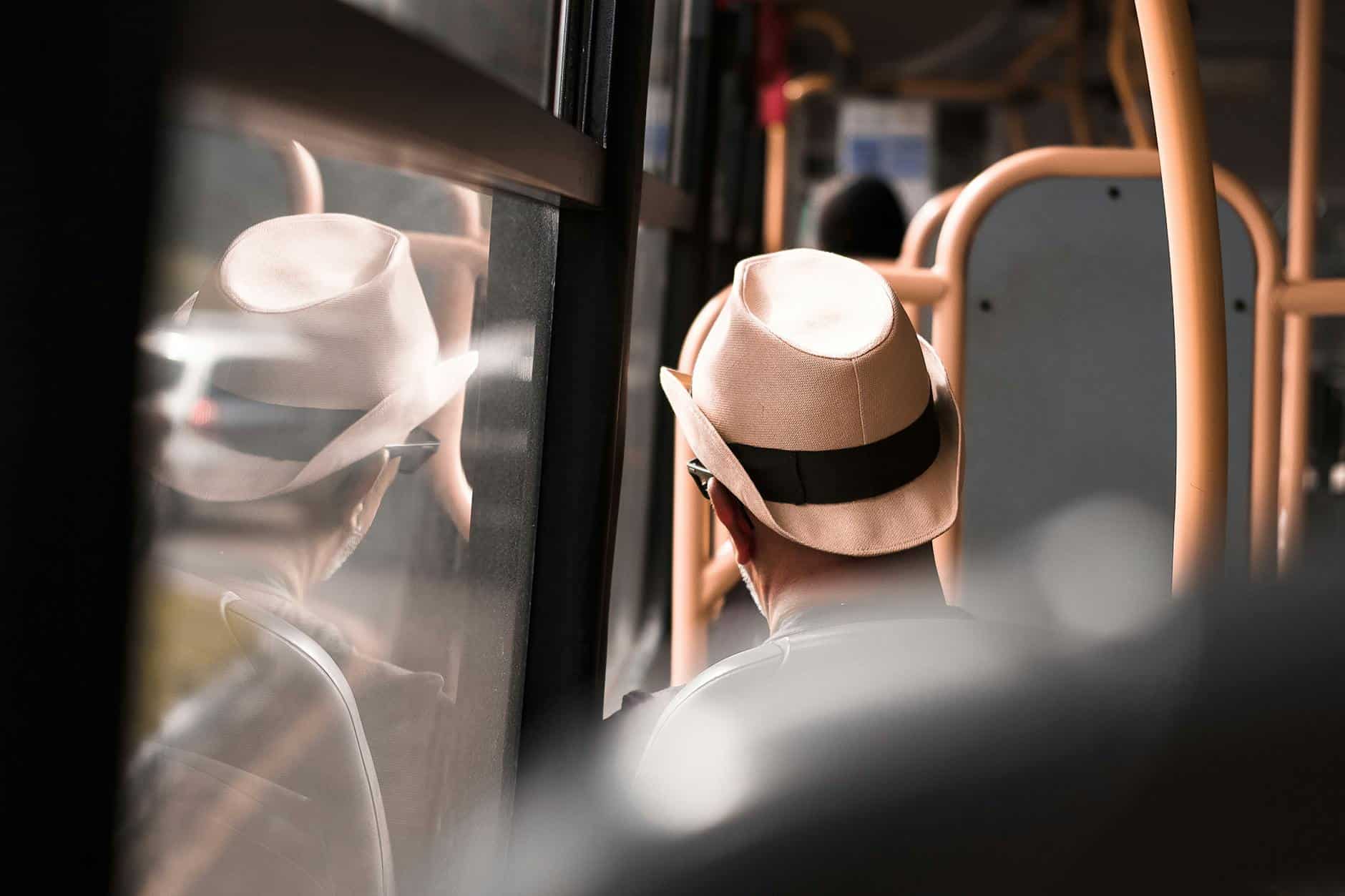
This one is harder to admit. A number of solo travelers — particularly those who took their first solo trip after a breakup, a difficult period, or a long stretch of unhappiness — describe an uncomfortable realization somewhere in the middle of the trip.
Without the usual cast of characters — the partner whose habits irritated them, the coworkers who exhausted them, the city they decided they’d be happier leaving — the expected relief doesn’t fully arrive. The mood that they attributed to external causes turns out to have internal roots.
The person who thought they’d be happier alone, in another city, with no obligations, discovers that they’ve brought themselves along. The anxiety is there. The restlessness is there. The critical inner voice is there, just now directed at the trip rather than at the people left behind.
This is not a universal experience. But it’s common enough that travel therapists and psychologists mention it frequently: the way solo travel can function as a confrontation with the self rather than an escape from it.
The Conversation With a Stranger That Changes the Day

Among the consistent gifts of solo travel is access to conversations that group travel forecloses. Two people sitting together at a bar project a social unit that is already occupied. A solo traveler, visibly alone, is available — for conversation, for recommendation, for the extended exchange that turns an afternoon around.
These conversations are one of the most-cited benefits of solo travel among people who’ve done it more than once. A conversation with a local in a bar in Dublin. A long exchange with another solo traveler at a hostel in Buenos Aires. The guesthouse owner who talked for two hours about what their country was like before the tourists came.
None of these conversations are available to the traveler with companions. The social unit is full. The conversation happens within the group, or not at all.
Solo travelers, by contrast, are porous. The world comes in. The stranger at the next table becomes the best thing about the day, or the week.
What People Bring Home Besides Photographs
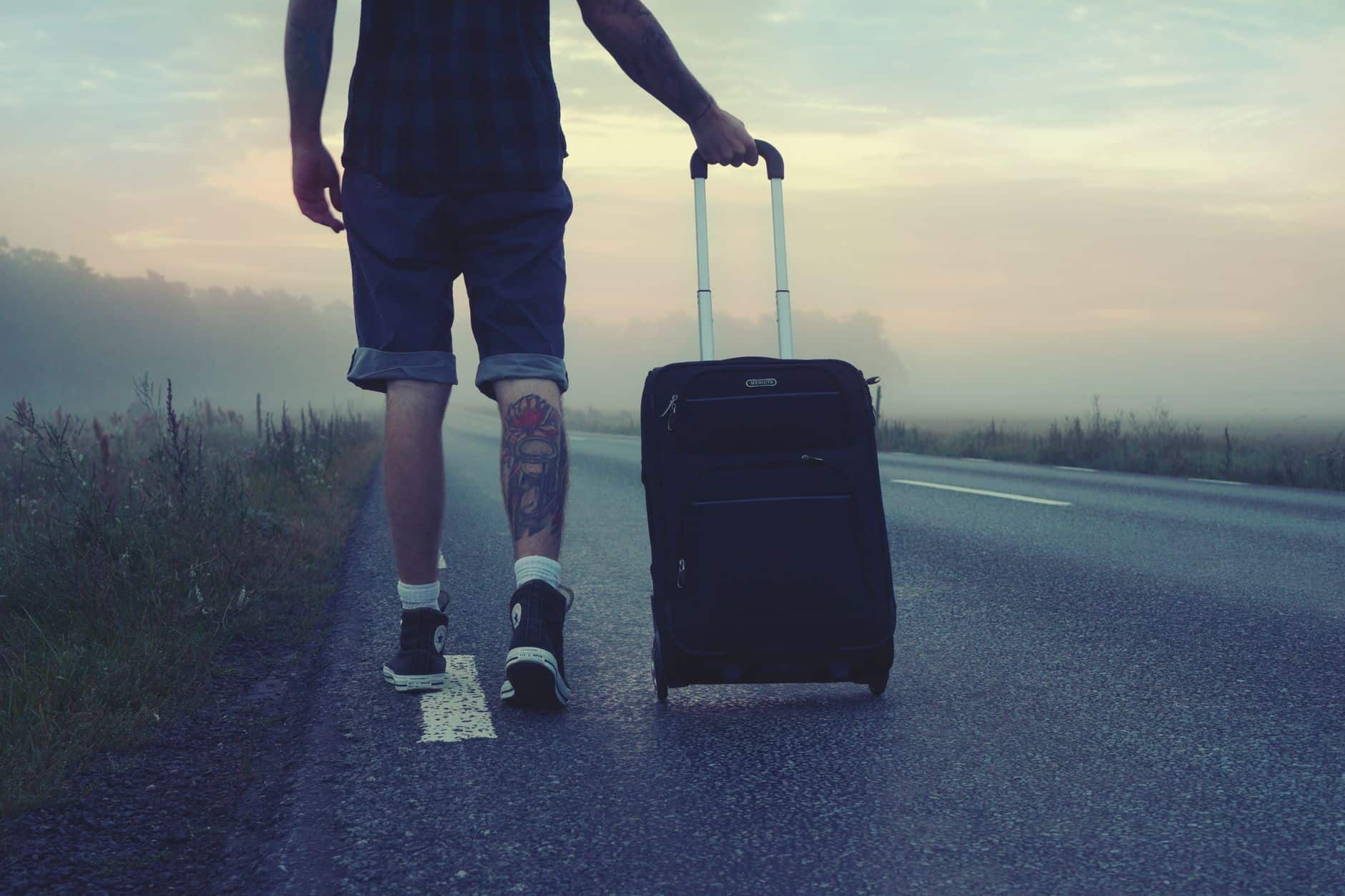
The thing that stays is not usually the landmark or the meal or the view, though those matter. What stays, for most first-time solo travelers, is something about what they found out about themselves in the process.
The specific discoveries vary enormously. Some people come home knowing that they actually enjoy their own company in ways they never tested. Others come home having confronted something uncomfortable — a dependency, a habit of avoidance, a pattern they couldn’t see until they were outside the context that produced it.
Some come home simply knowing that they can do it. That they can navigate a foreign country alone, handle small crises alone, eat dinner alone and not feel ashamed of it, get on a plane and go somewhere and come back.
That knowledge — specifically, experiential knowledge, not just belief — is one of the things solo travel is actually good for, beyond all the photographs. You went alone. Something happened. You handled it. You know something about yourself now that you didn’t know before you left.