The Souvenir Economy: What That $40 Magnet Is Actually Worth, Where the Money Goes, and Why People Keep Buying
We may earn money or products from the companies mentioned in this post. This means if you click on the link and purchase the item, I will receive a small commission at no extra cost to you ... you're just helping re-supply our family's travel fund.
This article contains affiliate links. If you book or buy something through our links, we may earn a small commission at no extra cost to you.
Somewhere in your house — a drawer, a shelf, a box in the closet — there is probably a souvenir. A small ceramic thing from somewhere. A refrigerator magnet with a city name on it. A shot glass that has never been used. A woven bracelet that seemed meaningful at the time.
You bought it in a place, and the place felt important, and the object was supposed to carry some of that importance home with you. Now it lives in a drawer.
This is not a failure of character. It is the universal outcome of one of the most persistent behavioral patterns in tourism: the souvenir purchase. Humans have been doing this for as long as they’ve been traveling — bringing back objects that testify to the journey. The modern iteration of that impulse is a global industry worth tens of billions of dollars annually, with supply chains that stretch across continents and pricing structures that have almost nothing to do with the object’s actual production cost.
The $40 Magnet: Following the Money
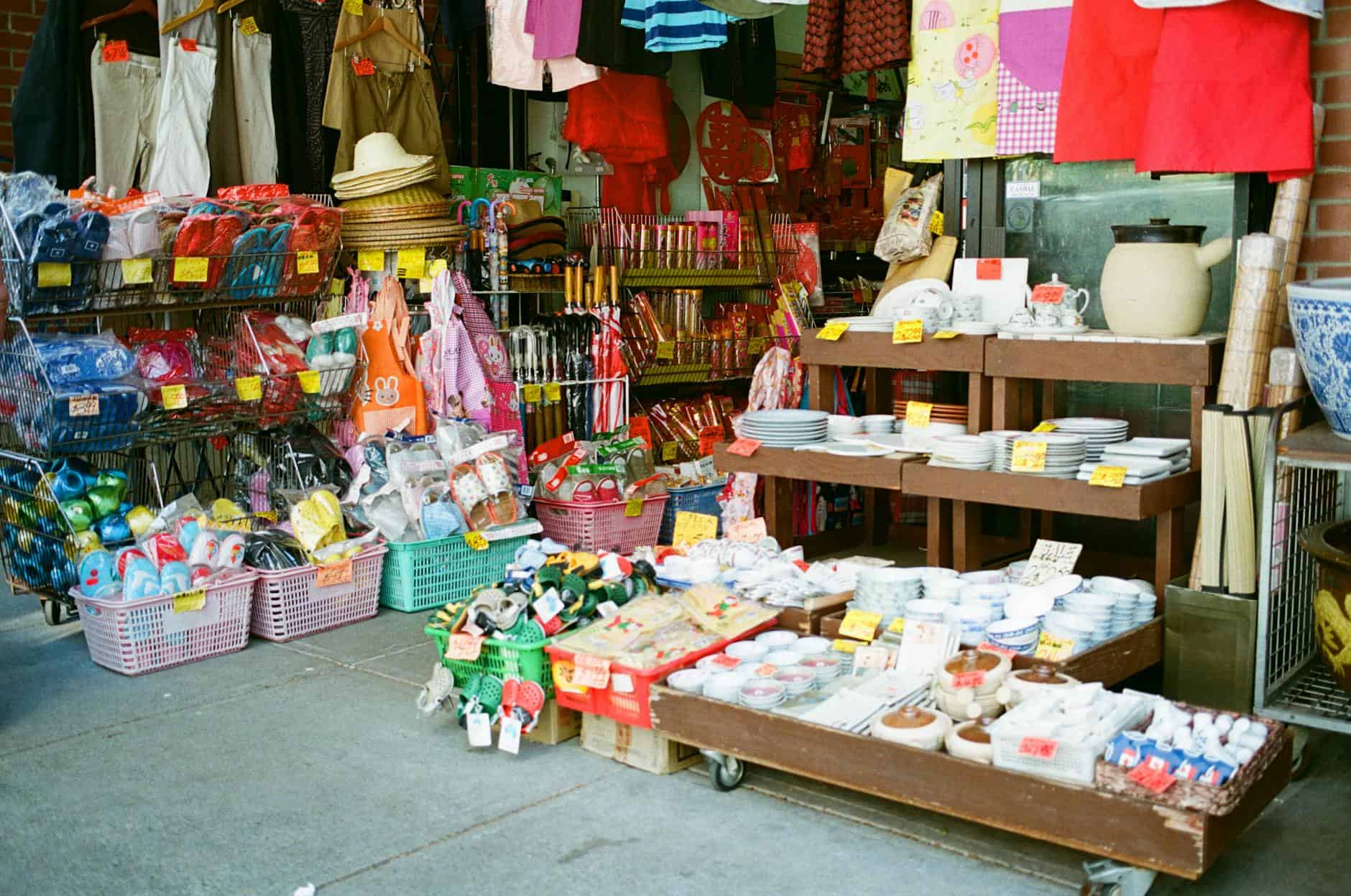
The refrigerator magnet is the most democratic of souvenirs — small, light, cheap, universally available. In the souvenir shops of New York, Paris, and Rome, magnets with the city’s name or iconic image retail for anywhere between $8 and $45 depending on the size and the shamelessness of the pricing.
The wholesale cost of a standard tourist magnet produced in a manufacturing facility is typically in the range of 25 to 75 cents per unit, depending on materials and order volume. The importer buying in bulk pays somewhere between $1 and $2. The retailer in the tourist district — paying high rent on a main street near an iconic landmark — marks it up to whatever the market will bear.
This is not fraud. It’s retail in a high-rent, high-foot-traffic context. The margins are driven by location economics, not by deception. But the traveler who spends $40 on a magnet is not paying for the magnet. They are paying for the real estate in front of the Eiffel Tower.
The $40 magnet also usually comes with a near-zero production relationship to the place it represents. The magnet that says “Paris” was almost certainly not made in Paris, by Parisians, in a workshop that has anything to do with French manufacturing.
Where Most Souvenirs Are Actually Made
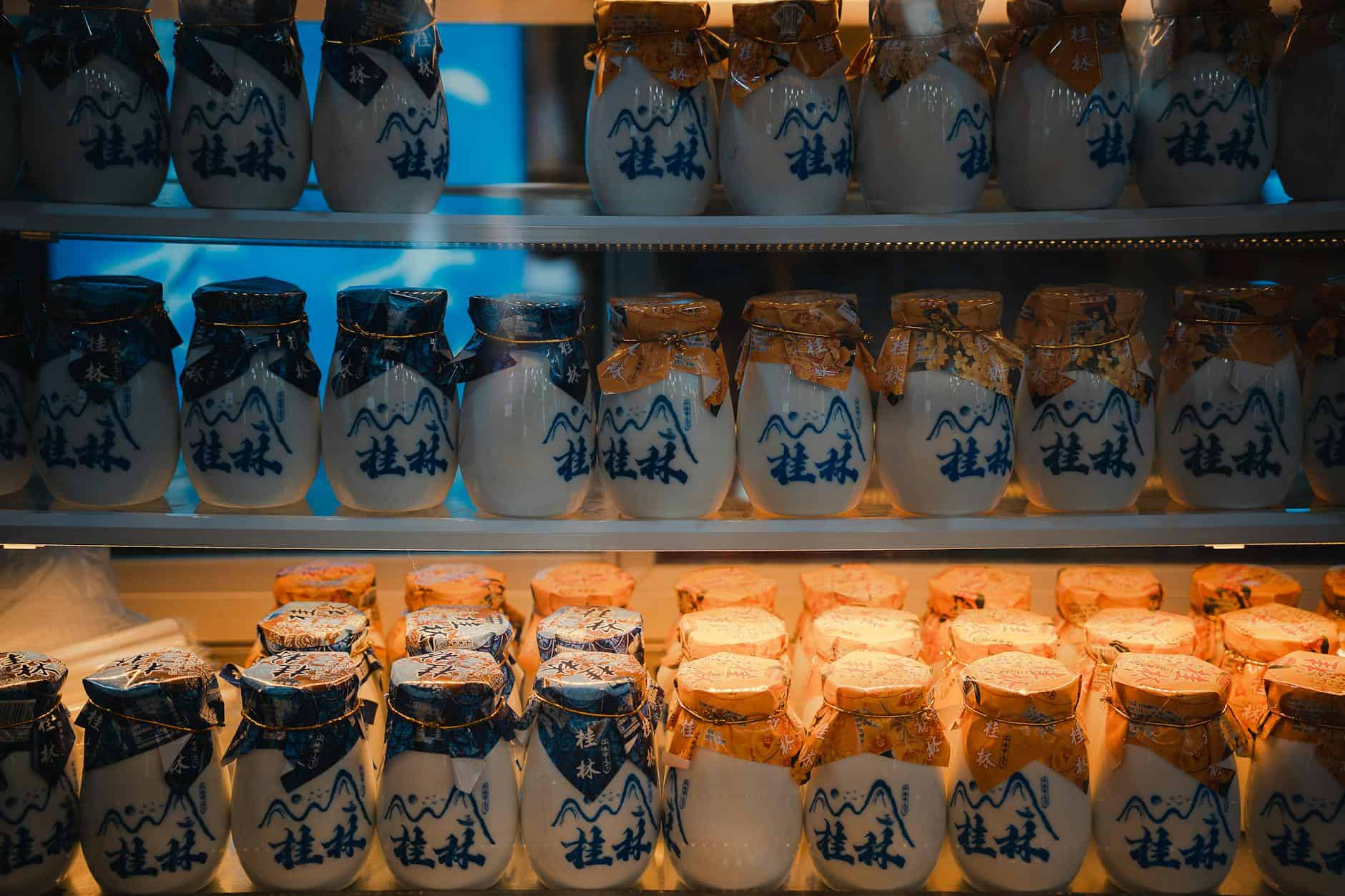
The majority of the mass-market souvenir industry — the magnets, keychains, shot glasses, and miniature monuments sold in tourist areas worldwide — is manufactured in a relatively small number of facilities, concentrated primarily in China, with additional production in other low-cost manufacturing hubs.
This is not a secret. It is also not well known among buyers. The “Authentic Native American Art” sign does not guarantee the pottery was made by a Native American artisan. The “Handmade in Italy” label requires careful reading of what “handmade” legally means in the context of a factory-produced item finished by a worker. The “Traditional Irish” wool sweater may have been woven in a facility that produces for dozens of different national markets simultaneously, swapping the label according to the destination.
Customs regulations, import duties, and country-of-origin labeling rules vary significantly. In some markets, a product that was assembled in the destination country from imported components can be legally labeled as locally made.
None of this makes the souvenir less valid as a personal memento. It does make it a different kind of object than the buyer usually imagines — not a piece of a place, but a piece of a global manufacturing system that serves the symbolic needs of travelers at scale.
What People Think They’re Buying vs. What They’re Actually Buying
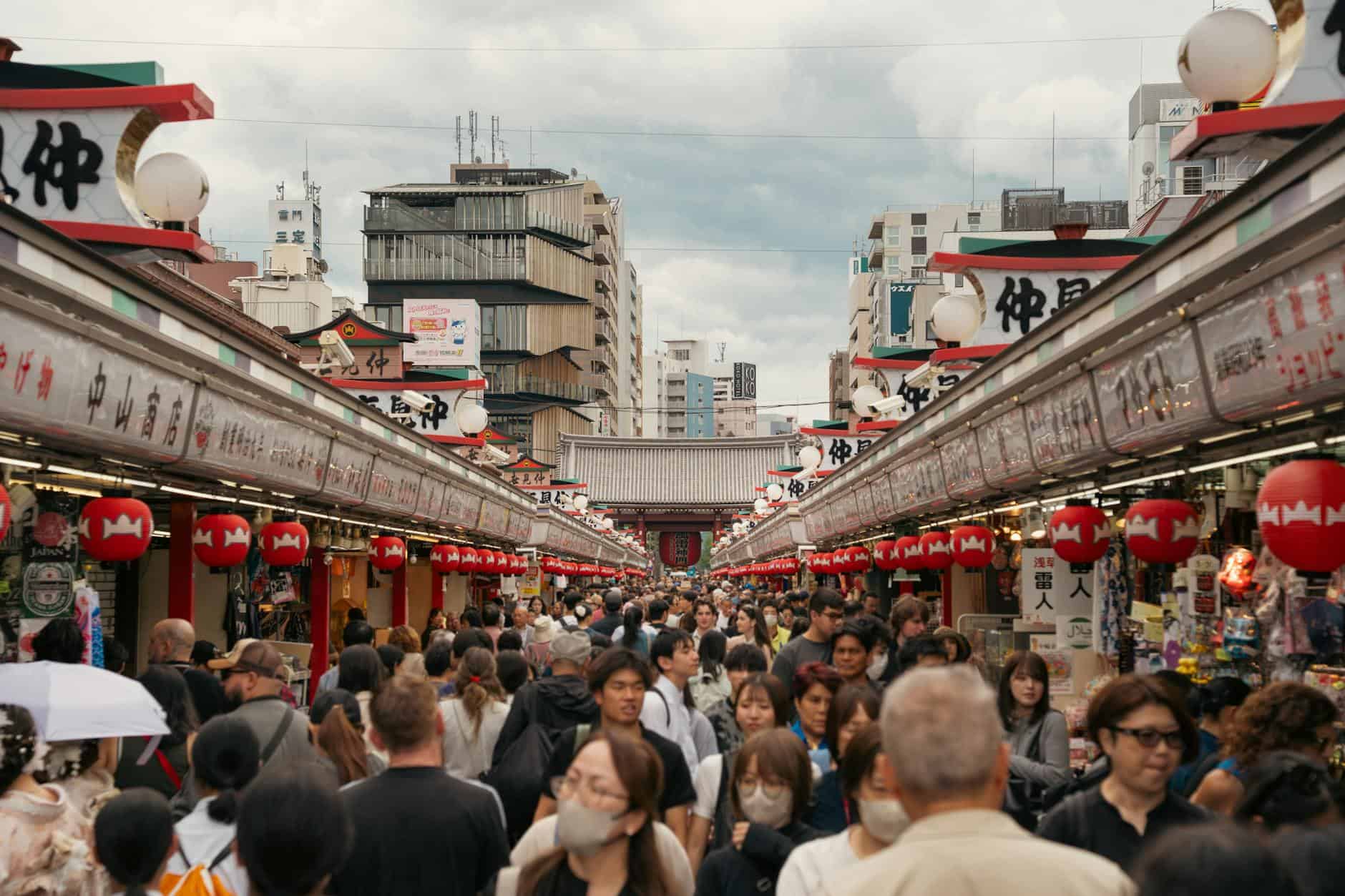
The psychology of the souvenir purchase is well-studied. People are not primarily buying an object. They are buying the memory, the story, and the social currency of having been somewhere.
The souvenir functions as a physical anchor for a experience that is otherwise entirely in the mind. It says: I was here. This object exists in a place I now recognize because I have been there. It also functions as a social signal — the gift brought back for a friend, the object displayed in the home that prompts the story.
Understanding this reveals why the quality and origin of the object don’t matter as much as the purchase context. A magnet bought from a street vendor in front of the Colosseum will be treasured longer than a magnet of identical manufacture bought at a mall gift shop at home, even though they are the same object. The purchase location is the product.
Souvenir retailers understand this intuitively and set prices accordingly. The scarcity of being in Rome in front of the Colosseum right now is a real value — and it’s the value being sold.
The Objects That Actually Get Kept
Among the extensive research and informal survey data on what travelers actually keep versus discard, some consistent patterns emerge.
Objects that were purchased in an experiential context — from a specific person, at a market that required some effort to find, as part of a transaction that involved conversation — are kept significantly longer than objects purchased in generic tourist shops. The textile bought from the woman who made it, in the village market, with a memory attached to the exchange, does not go in the drawer.
Functional objects perform better than purely decorative ones. A piece of pottery that gets used becomes integrated into daily life in a way that a miniature Eiffel Tower does not. A piece of clothing worn regularly continues to carry its association. A book from a local bookshop, in the destination’s language, sits on a shelf and prompts recollection each time it’s seen.
Food is perhaps the most underrated souvenir. Olive oil from a specific producer in Crete. A jar of jam from a farm stand in Normandy. A bag of spices from a market in Marrakech. These objects are consumable — they don’t last — but while they last, they perform their function of carrying the trip into daily life more consistently than any magnet.
What Gets Thrown Away (and When)
The timeline of souvenir disposal follows a pattern that researchers studying consumer psychology have traced with some precision.
The first culling typically happens during the unpacking after the trip, or within the first week: the things that looked more compelling in the shop than they do at home, the duplicate purchases, the objects bought for people who turned out not to want them.
The second wave happens at the next household move, or during a periodic decluttering: the objects that have been stored rather than displayed, that have failed to earn a permanent place in the environment.
The third wave is the life event wave: a divorce, a major move, a death in the family, a period of minimalism. The accumulated souvenirs of decades of travel, stored in boxes, are assessed and mostly discarded.
What survives all three waves is a small number of objects that have strong, specific memories attached to them — often things that were not purchased in a tourist shop at all.
The Local Artisan Economy: When It’s Real and When It’s Theater
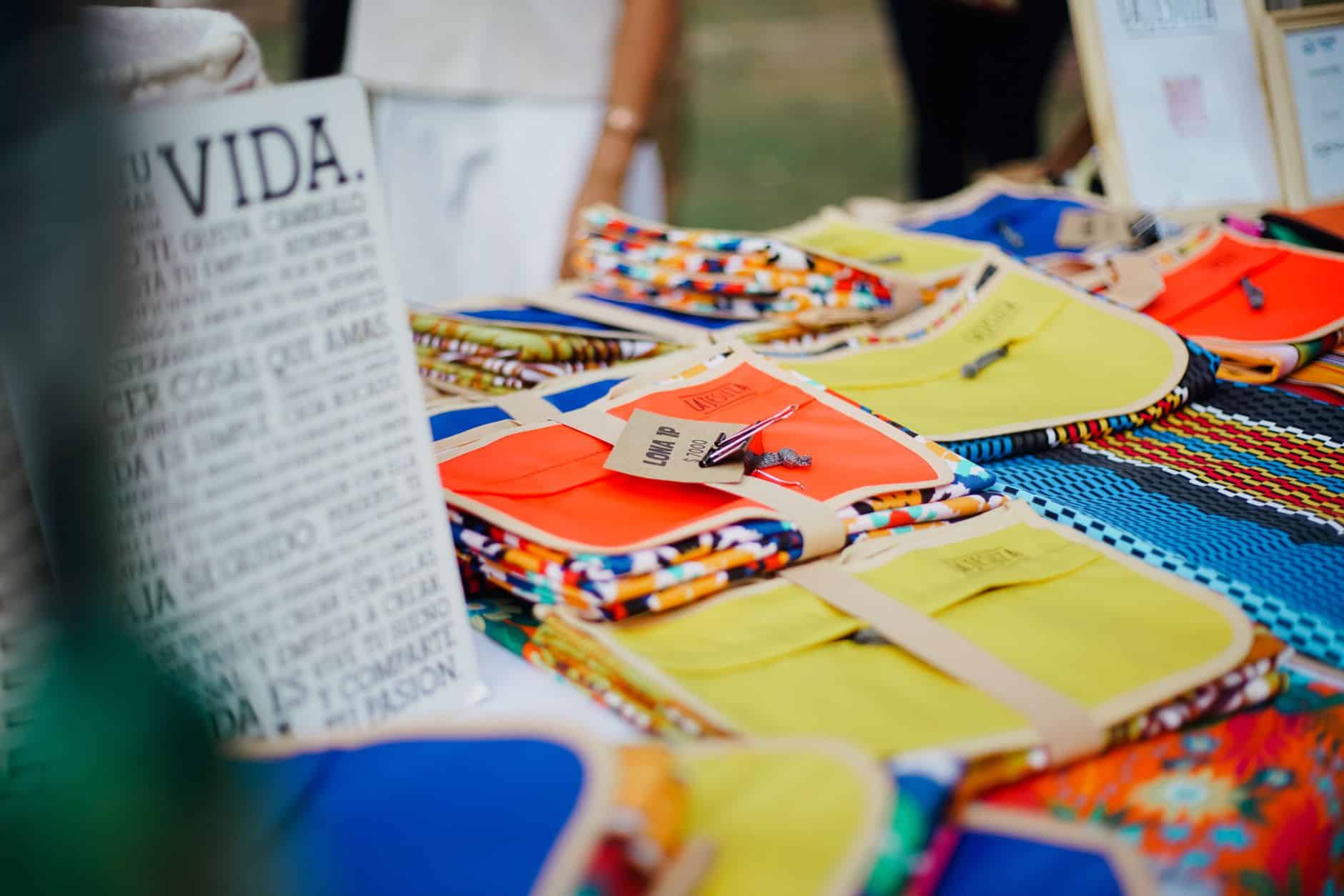
The artisan market — the stall selling handmade ceramics, the weaver at a loom, the silversmith demonstrating their work — is the souvenir industry’s answer to the authenticity demand. Travelers who feel uncomfortable buying factory-made magnets are specifically targeted by the marketing of local craft.
Some of this market is entirely genuine. In Oaxaca, actual artisan families produce genuine hand-painted pottery and textiles using traditional techniques. In Morocco, medina craftsmen produce leather goods using methods that are centuries old. In Japan, craft traditions are maintained with extraordinary seriousness. Buying from these producers is a genuinely different economic transaction — the money goes directly to a maker, and the object carries real production history.
But the artisan aesthetic is also reproducible at scale. “Handmade-looking” objects are manufactured in facilities that specialize in giving mass-produced items a hand-finished quality. The “local artisan” stall is sometimes stocked from the same wholesale catalog as the gift shop three doors down — with a different presentation and a higher price point.
The tells, according to people who buy seriously at craft markets: consistency of form that suggests a mold rather than a hand, pricing that’s lower than the actual labor cost of handwork would justify, and sellers who can’t describe the making process.
What Children’s Souvenir Demands Say About Memory and Place
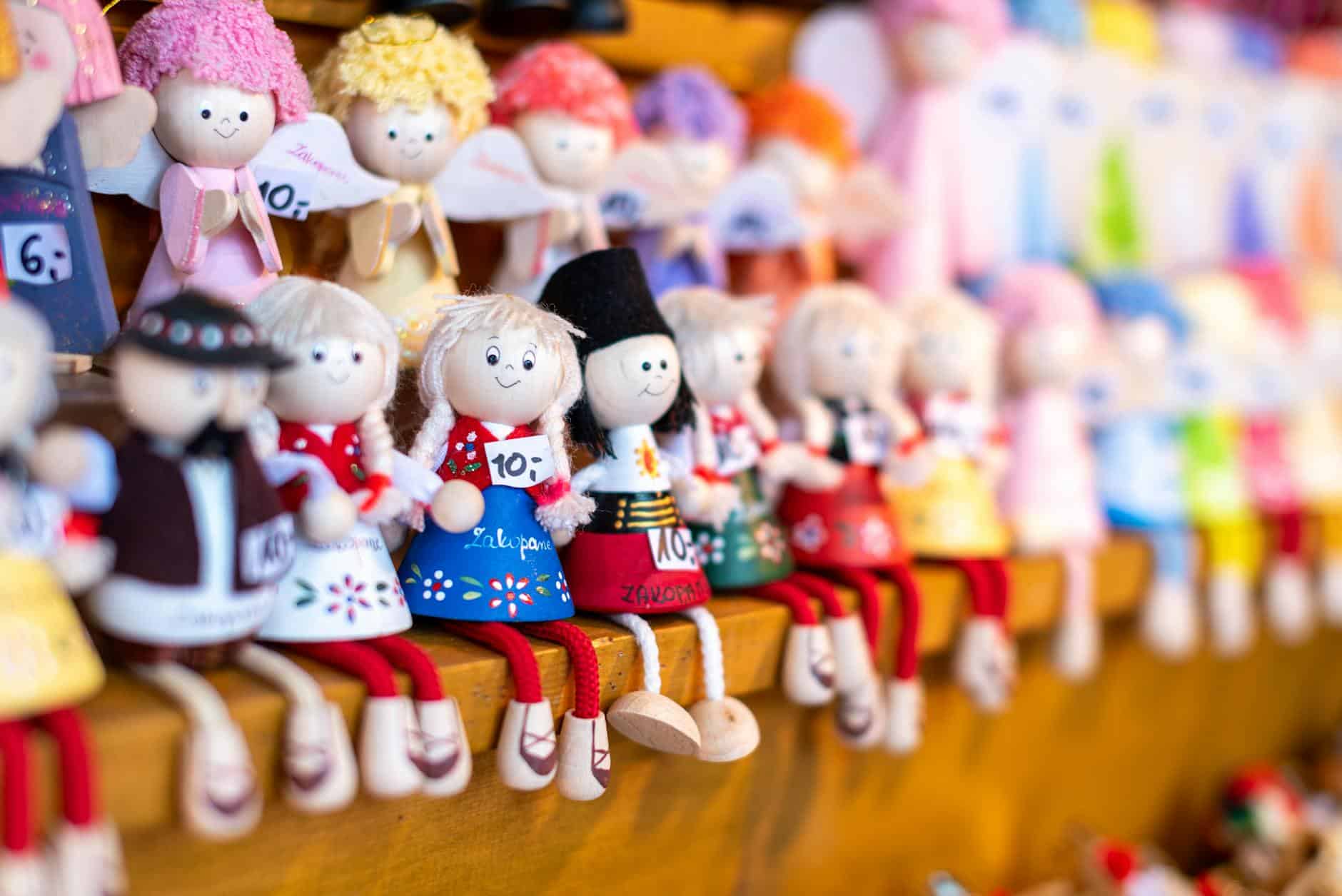
Children on family trips have their own souvenir economy, and it operates on entirely different logic from the adult version. The child who demands a stuffed animal from the national park gift shop, a plastic dinosaur from the museum, a printed snow globe from the airport — they are not thinking about memory preservation. They are thinking about the object as an extension of the exciting place, a piece of the experience that they can carry and control.
Parents who observe their children’s souvenir choices over years often notice that the objects the children were most insistent about in the moment are rarely the ones that survive the longest. The expensive toy from the theme park breaks. The inexpensive bracelet from a market stall gets worn until it falls apart. The small rock collected on a beach hike stays on a shelf for years.
What children remember from trips is increasingly documented by researchers: not the specific activities, but the sensory and emotional moments — the cold water, the surprising food, the time something went slightly wrong and became funny. The souvenir matters less than the adults buying it hope it does, and more than the adults who resist buying it fear it does.
The Things People Wish They’d Bought Instead

Ask experienced travelers about souvenir regrets and the pattern is consistent: they rarely regret buying too little. They regret buying the wrong things.
They regret the generic tourist shop purchases that could have been bought anywhere — the items that have no specific relationship to the place, the trip, or the moment. They don’t regret the expensive piece of local craft that felt like too much money at the time and has been on a kitchen shelf for twelve years.
The most common specific regret: not buying more directly from makers when the opportunity was there. Not buying the large format print from the photographer whose work stopped them cold at a gallery in a city they’ve never been back to. Not buying the handmade bowl that seemed breakable to transport and which would have survived just fine wrapped in a sweater.
The souvenir that lasts is the one that was hard to buy — too expensive, too heavy, too impractical to carry. The easy purchase, the magnet, the keychain, goes in the drawer. The thing that required something — effort, money, decision — tends to stay.