What Americans Consistently Get Wrong About European Cities That Europeans Find Genuinely Baffling
We may earn money or products from the companies mentioned in this post. This means if you click on the link and purchase the item, I will receive a small commission at no extra cost to you ... you're just helping re-supply our family's travel fund.
This article contains affiliate links. If you book or buy something through our links, we may earn a small commission at no extra cost to you.
The American tourist in Europe is one of the most observed figures in the literature of cultural misunderstanding. Countless essays, novels, and memoirs have treated the culture clash between American expectations and European reality. And yet, generation after generation of American travelers arrives in Paris or Rome or Amsterdam carrying the same set of assumptions — about service, about time, about cities, about what a good vacation looks like — that Europeans find, at varying degrees of warmth, perplexing.
This is not about Americans being inferior travelers. Europeans make their own characteristic errors in the US and elsewhere. But the American version is particularly well-documented, because American tourism to Europe is enormous, because the assumption gap is wide, and because Americans tend to carry their assumptions more consciously and more explicitly than most.
The Assumption That Everything Is Open When You Want It
American commercial culture operates on the premise that businesses exist to serve customers whenever customers want to be served. The 24-hour pharmacy. The grocery store open on Christmas. The restaurant available at 4:30 p.m. for an early dinner. These are not exceptional features of American retail — they are baseline expectations.
Europe is significantly different, and not uniformly: London’s retail culture is closer to American norms than rural France’s. But broadly speaking, European businesses operate on schedules that reflect the needs and preferences of the proprietors as well as the customers.
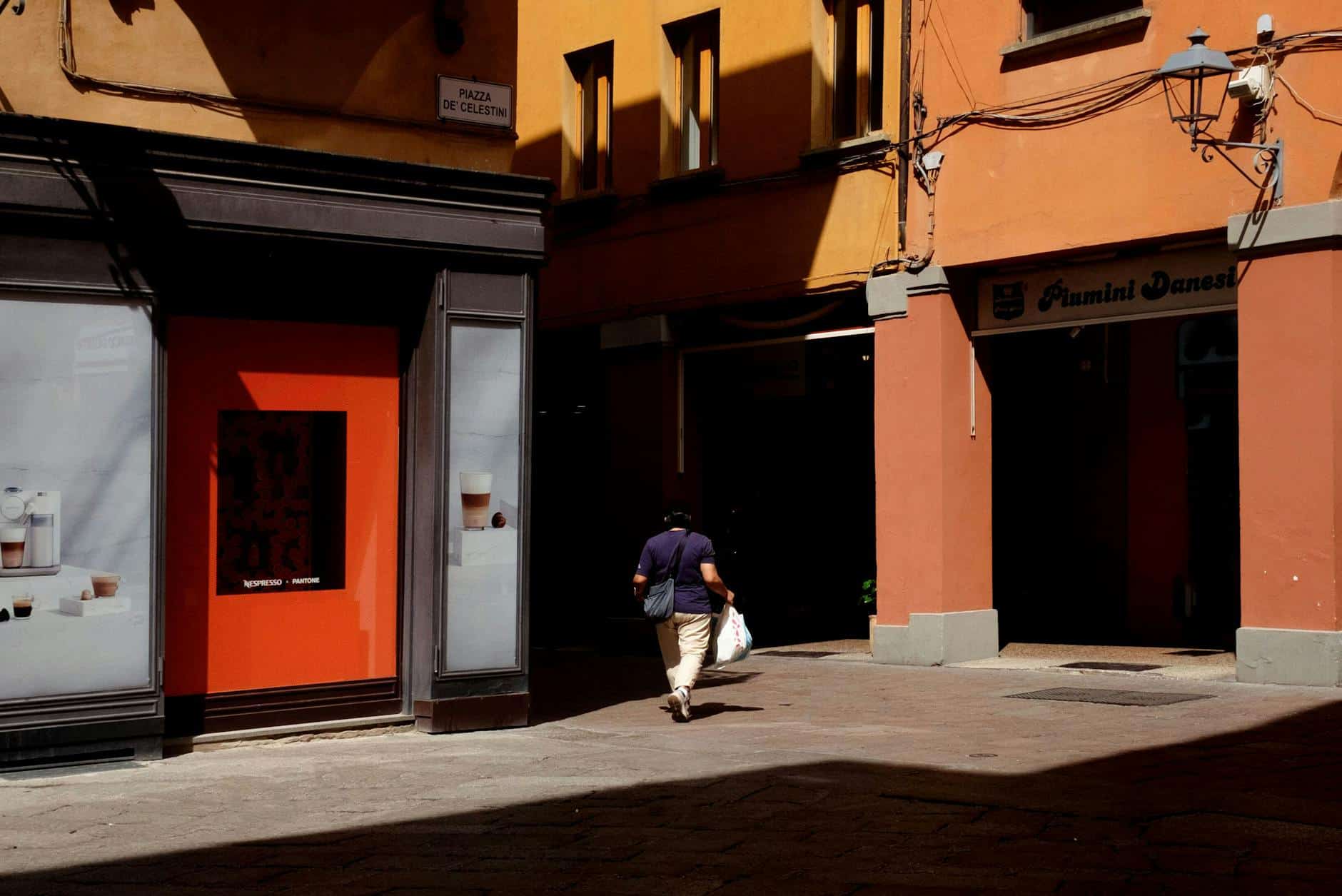
The midday closure — common in Southern Europe, still practiced in parts of France, Spain, Portugal, and Italy — is one of the first shocks. Arriving at 1:30 p.m. for lunch and finding a closed sign with a handwritten note indicating a 3 p.m. reopening is incomprehensible to many American travelers. It reads as a business failure rather than a cultural norm.
Sunday closures, holiday schedules that actually close things, and small shops with genuinely idiosyncratic hours all register the same way: as inconveniences imposed on the visitor, rather than as evidence that the economy is organized around something other than perpetual commercial availability.
Why American Visitors Think European Service Is Bad (It Isn’t)
The complaint is consistent and widespread: European service is slow, inattentive, and rude. American visitors report waiting forever for menus, waiting again for the check, being largely ignored by servers who seem to have no interest in turning the table.
None of this is evidence of bad service. It is evidence of a completely different service model.
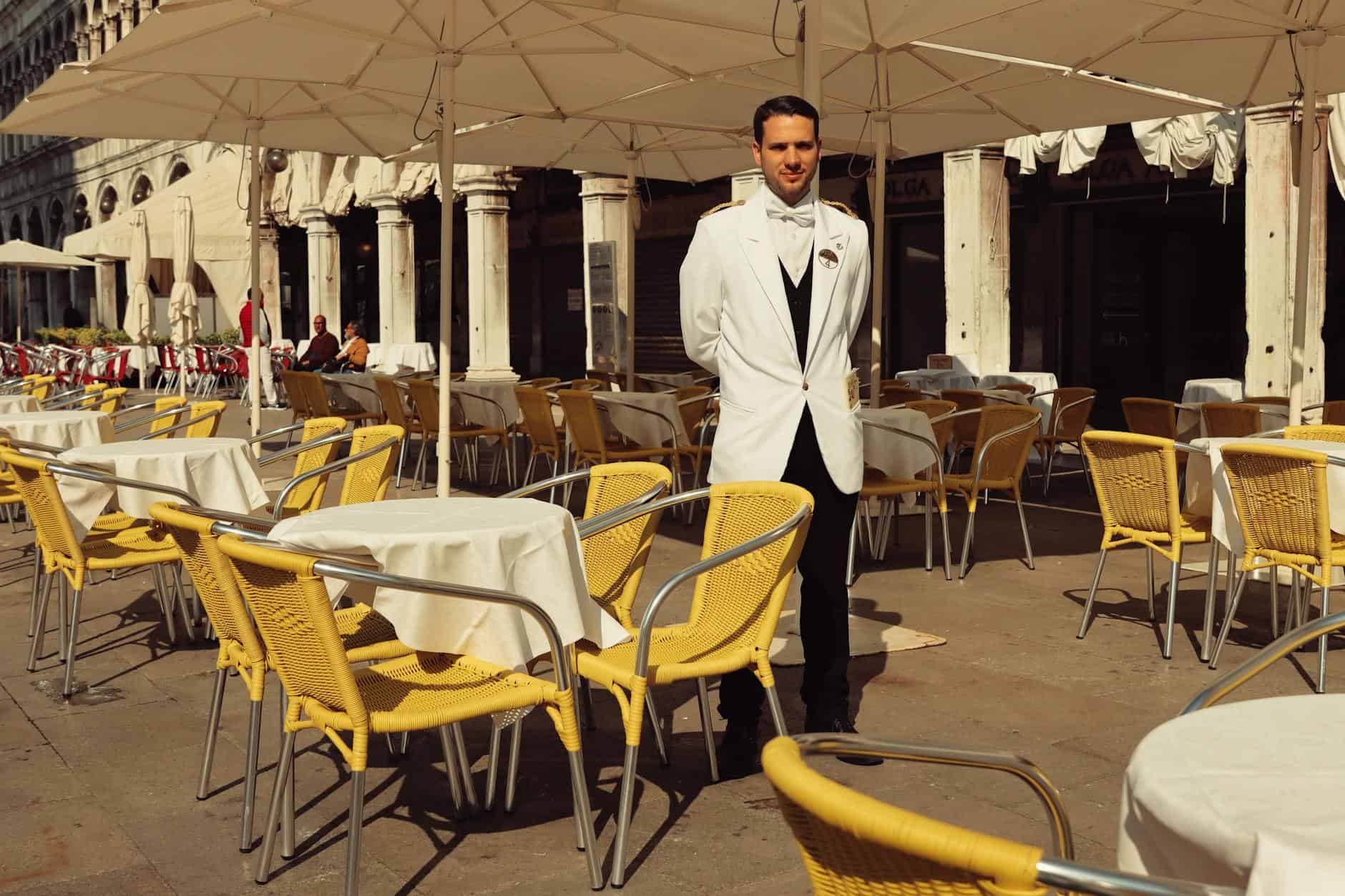
In most of Europe, a restaurant table is yours for the evening. The server’s job is not to maximize table turns — it’s to support a dining experience that may last two to three hours. Checking on the table repeatedly would be intrusive. Bringing the check without being asked would be an insult, implying the party should leave.
The server who catches a European diner’s eye to take an order and then disappears until called again is performing exactly the correct service. The same behavior, applied to an American who has been conditioned to expect regular check-ins and an automatically offered dessert menu, reads as indifference.
“I had to actually wave someone down to pay,” an American traveler in Amsterdam told a travel forum, clearly frustrated. The European readers of that forum found this baffling. The American was describing standard practice as though it were a crisis.
The Size Problem: What Americans Think a City Is

Americans come from a country where cities are large and distances are measured in hours of driving. The spatial scale of American urban experience — even for someone from New York — is dramatically larger than most European cities.
This creates consistent misalignment when Americans attempt to plan European itineraries. The assumption that seeing “Paris” or “Rome” is a multi-day endeavor at a scale comparable to seeing “Los Angeles” or “Chicago” doesn’t hold. The historic center of Rome is walkable. The main attractions of Amsterdam are within a few miles of each other. The center of Florence can be covered on foot in a serious afternoon.
Americans accustomed to driving everywhere are also frequently surprised by European walking culture. Not just that people walk — but that walking is genuinely pleasurable, because the streets are at human scale, the facades are engaging, and the journey between two points is itself worth the trip.
The American who rents a car in Rome is not wrong to do so, but they are adding a logistical problem — parking in a city that was not designed for cars — that is entirely optional. Most of what they want to see is more easily reached on foot.
Speed, Efficiency, and Why Europeans Don’t Understand the Rush
Americans often try to see more than they can reasonably absorb in the available time. This is, at one level, a function of travel economics — transatlantic flights are expensive, vacation time is limited, and the opportunity cost of being in Europe only once pushes toward maximizing coverage.
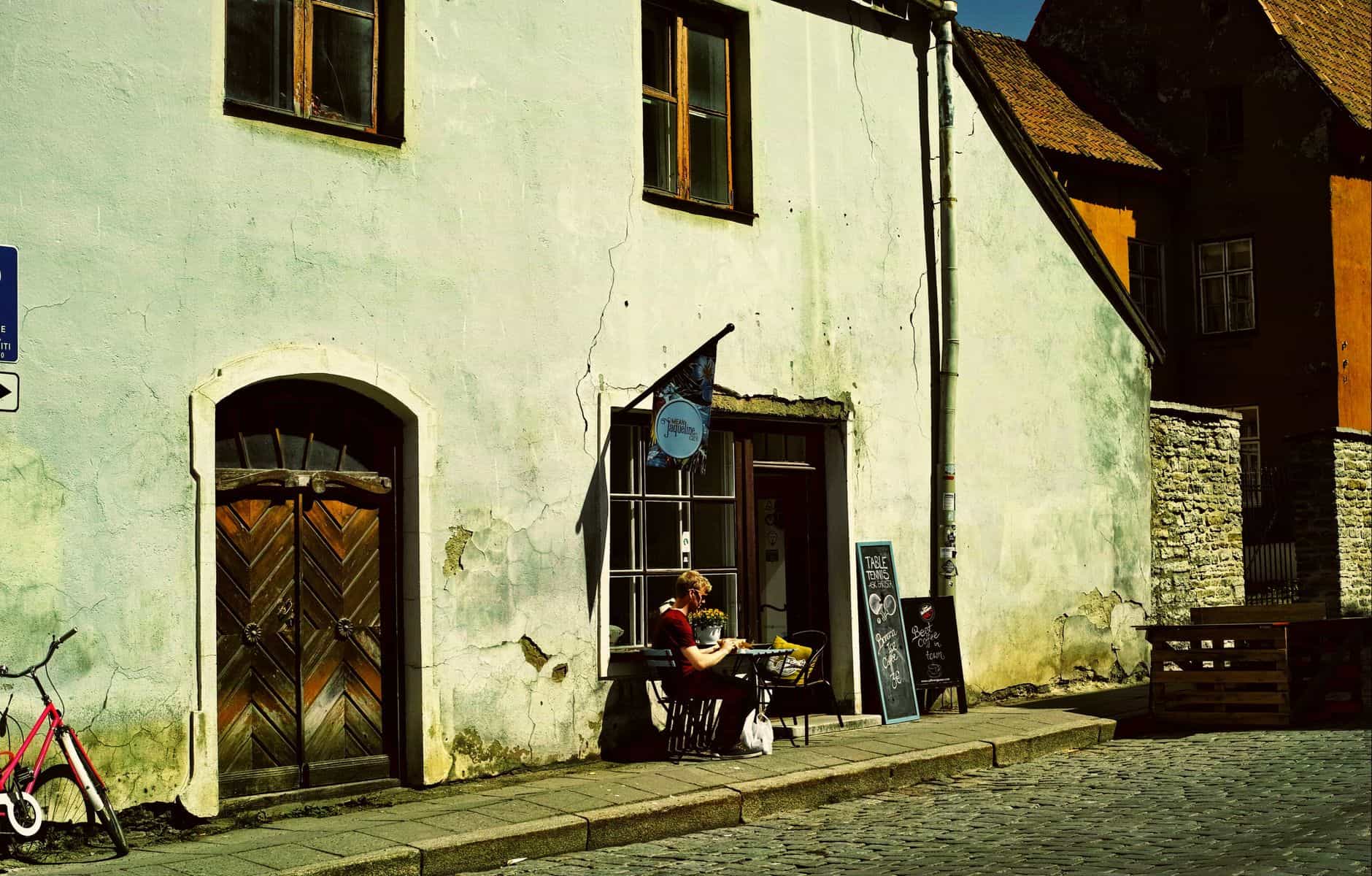
But it also reflects a specifically American relationship with time and productivity: the sense that time spent slowly, without clear output, is time wasted. The afternoon at a cafe without an agenda. The walk that goes nowhere in particular. The long lunch that ends in a digestivo and a conversation about nothing.
These things are not inefficiencies in European urban culture. They are the point. The plaza that fills with people in the early evening is not a staging ground for something else — the gathering itself is the activity. The long meal is the activity. The slow walk is the activity.
Americans who allow themselves to work at European pace — who sit in the piazza without an agenda, who extend dinner past the point of any American restaurant’s comfort — frequently describe it as among the most restorative things they’ve done on any trip. Getting there requires letting go of the productivity framework that is, at home, the water they swim in.
The Idea That Everywhere Wants American Dollars and American Culture

A particular subset of American travelers — not the majority, but visible enough to define the stereotype — arrive in Europe with an assumption of cultural primacy: that American ways of doing things are not just familiar but correct, and that European deviations from those norms represent an incomplete development toward the American standard.
This manifests in various ways: the expectation of free water at restaurants (a norm in the US that is unusual in much of Europe), frustration at metric measurements, irritation at the lack of ice in drinks, the assumption that speaking louder will help with a language barrier.
European service workers and locals notice this not as arrogance, exactly, but as a kind of confident obliviousness — a traveler who hasn’t updated their mental model of the world to include the possibility that the local customs might simply be different, not worse.
The European observation, made across multiple countries and multiple types of service work, is similar: the American doesn’t quite believe they’ve left America. They’re looking for the American version of every experience, and are mildly put out when it isn’t available.
What Americans Miss By Staying in the Tourist Quarter
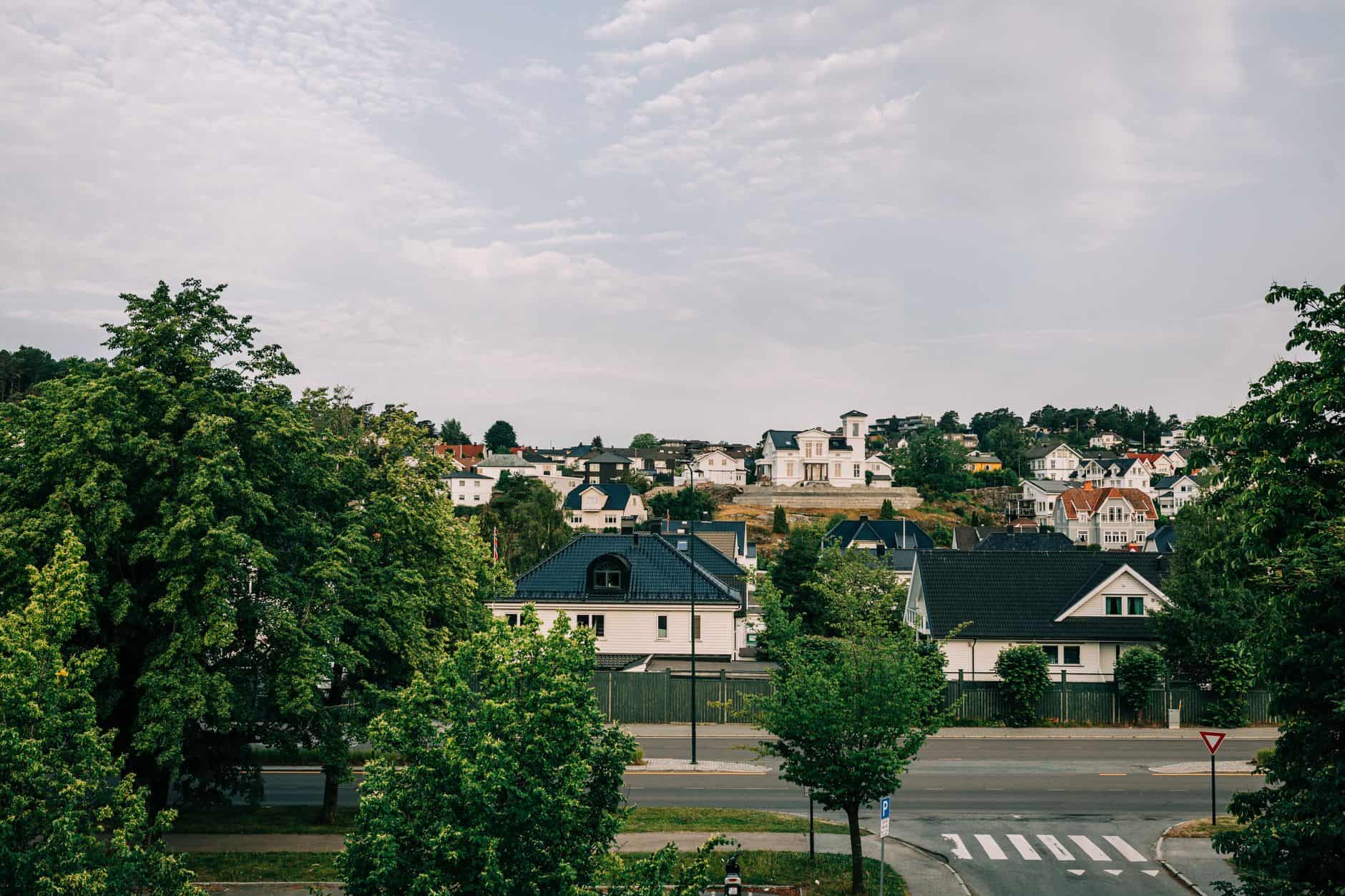
Every major European city has an area that has been optimized for tourists: English menus, souvenir shops, restaurants with photographs of the food on the wall, entrance queues. This area is not dishonest — the food is usually acceptable, the museums are legitimate, the landmarks are real.
It is also not the city. The city is the neighborhood an hour’s walk from the tourist zone, where the restaurants have no English menu and fill up at 8 p.m. with people who live there. The market where nothing is labeled for foreign consumption. The bar where the TV is showing football and nobody is having a travel experience.
Americans who stay in the tourist quarter return home having visited the city without actually encountering it. This is a choice that travel logistics often enforce — the accommodation near the landmark, the restaurant within walking distance. But the result is a parallel Europe, built entirely for visitors, that exists alongside the actual place and is often mistaken for it.
Why Americans Are Shocked by European Housing and Space
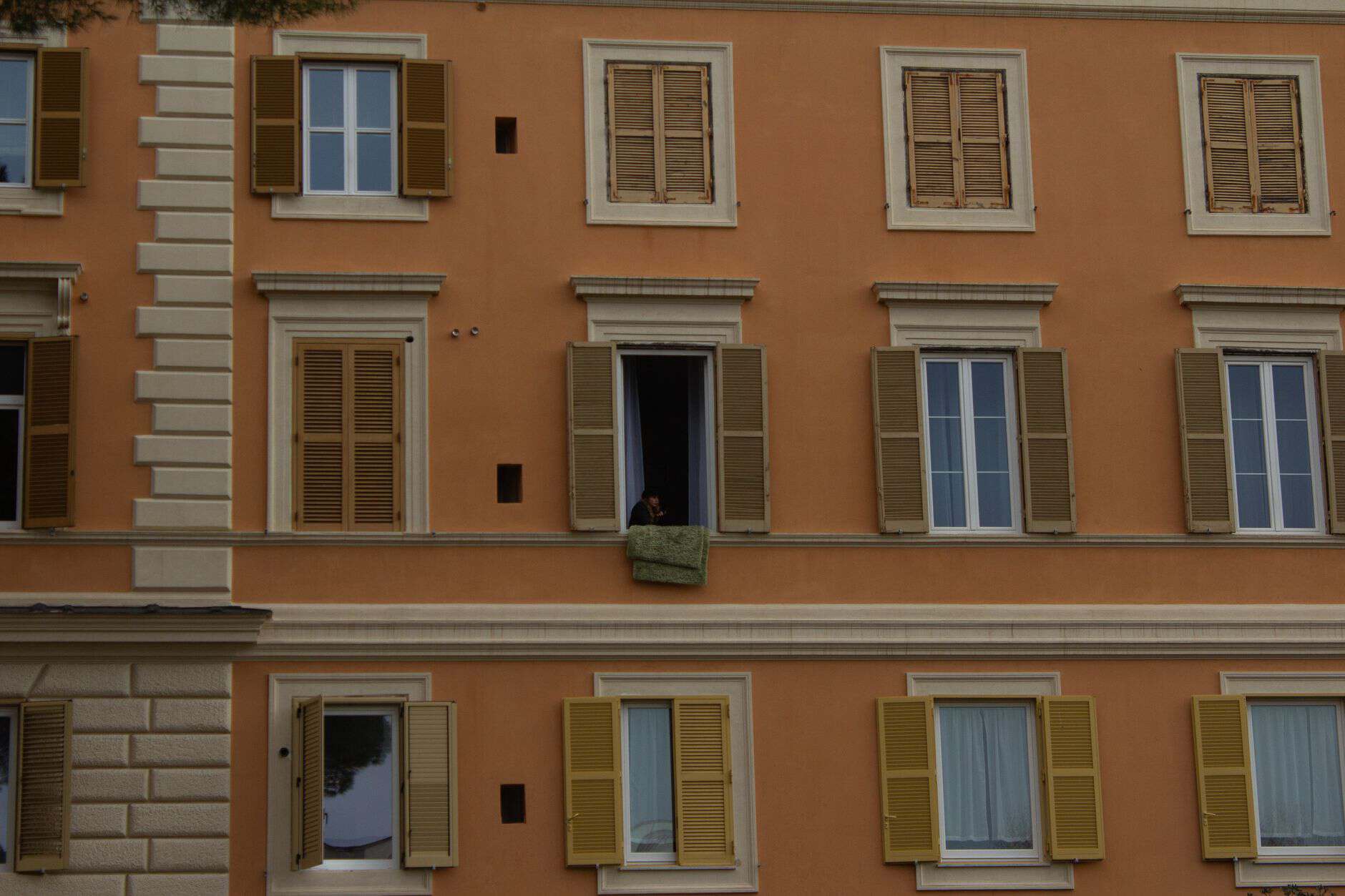
The average American home is roughly twice the size of the average European home. American cities — even dense ones like New York — are large relative to their European counterparts. American cars, appliances, restaurant portions, and hotel rooms are calibrated to a spatial standard that does not exist most places on earth.
American travelers who book European accommodation are often genuinely surprised by room sizes that are completely standard for the market. A hotel room in Paris that a European guest would find entirely adequate can strike an American visitor as insufficient, cramped, or below the star rating implied. The double bed that, in France, means two mattresses pushed together with a gap down the middle. The bathroom where the shower is over the tub with a hand-held head. The single elevator that serves twelve floors.
None of these are deficiencies. They are calibrated to a different physical standard. The adjustment is available to any American traveler — usually, it kicks in by day three — but the first impression, reliably, involves some version of surprise.
The Deepest Misunderstanding: What a City Is Actually For
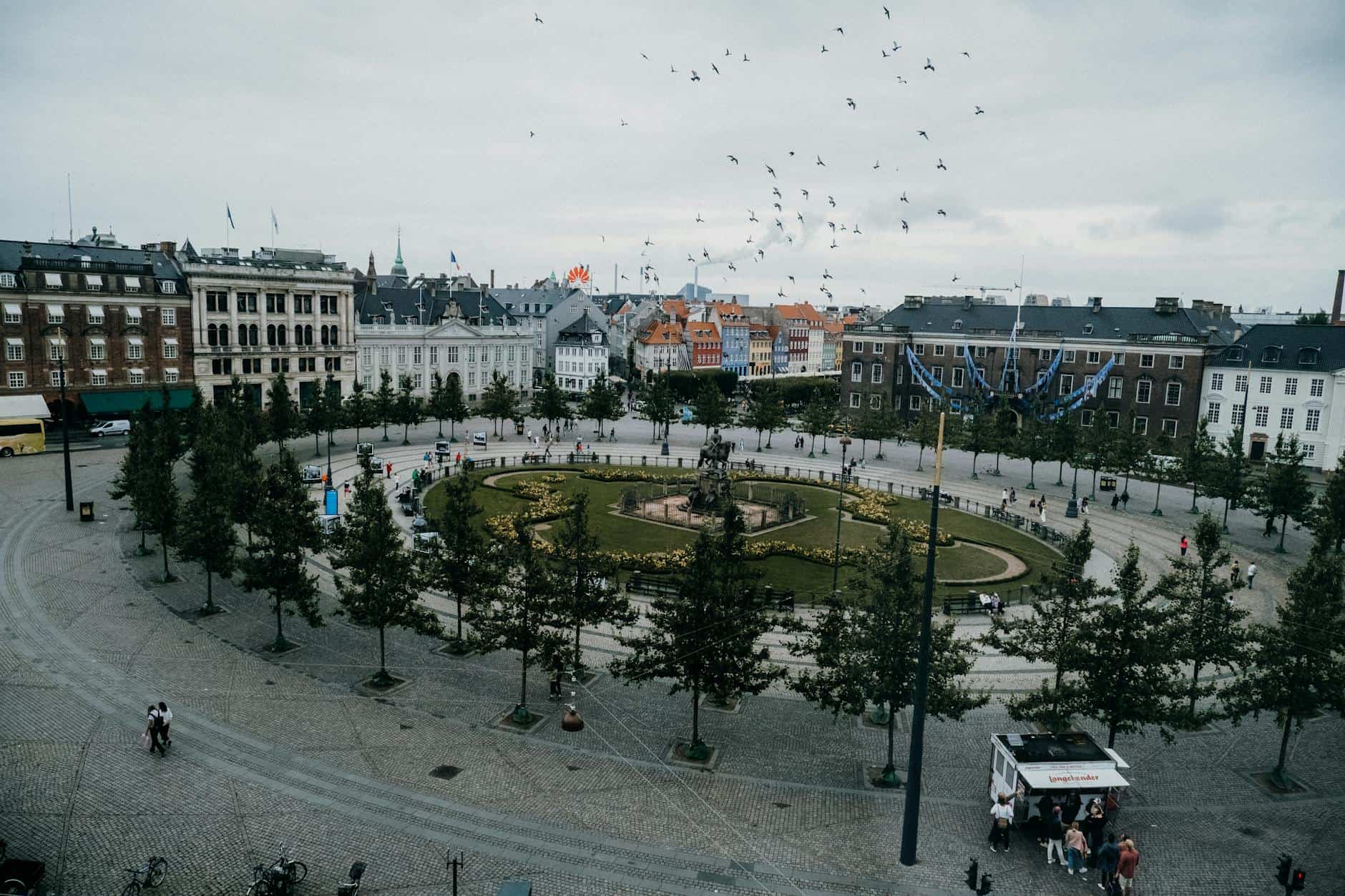
The fundamental difference between how Americans and most Europeans understand urban life runs beneath all the surface misunderstandings about service and size and schedule.
American cities, in their dominant form, are organized around commerce and transit. The street is a corridor between destinations. The public space is a passage, not a room. The city is a mechanism for getting things done.
European cities — at least in their historic cores, and in the cultural orientation of their residents — are organized around life. The street is a room. The plaza is a living space. The cafe is not a quick stop; it is an institution where social life happens over time.
Travelers who understand this distinction — who approach European cities not as efficient delivery mechanisms for landmarks but as environments where the act of being present in public space is itself the activity — tend to leave with a different kind of experience.
The Americans who love Europe most are not the ones who managed to see fourteen cities in two weeks. They are the ones who stayed somewhere long enough that the waiter started to recognize them — and brought the coffee before they asked.