A Ski Trip Costs How Much? The Full Math Nobody Does Before They Book
We may earn money or products from the companies mentioned in this post. This means if you click on the link and purchase the item, I will receive a small commission at no extra cost to you ... you're just helping re-supply our family's travel fund.
This article contains affiliate links. If you book through our links, we may earn a commission at no additional cost to you.
Somewhere between clicking “Book Now” on a ski resort package and standing at the base of a mountain in rented boots that don’t quite fit, a quiet horror sets in. The vacation that looked like $400 per person on the website has somehow become the most expensive thing you’ve done since you bought your car.
This is not an accident. The ski industry is structured to reveal costs in stages, each one arriving after you’ve already committed to the next. Understanding the full math before you book doesn’t ruin the experience — it lets you either plan properly or choose a trip that won’t hollow out your savings account by February.
The Lift Ticket Is a Distraction
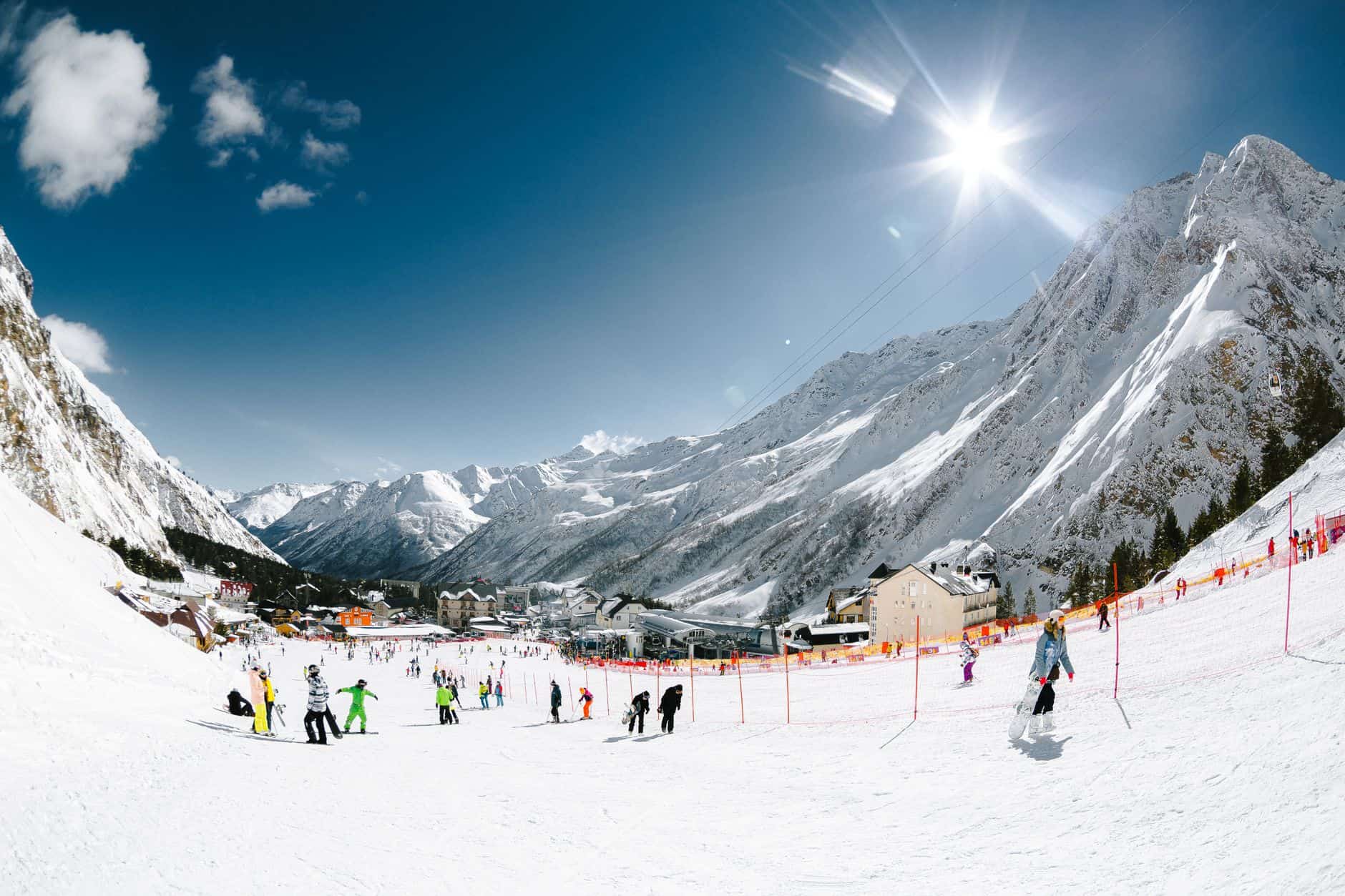
Resorts have become very sophisticated about marketing lift ticket prices. The number you see advertised is almost never what you’ll actually pay. Multi-day passes bought months in advance are cheaper than walk-up window prices, which can now reach $250 or more per person per day at major Colorado and Utah resorts.
The Epic Pass and the Ikon Pass changed the calculation for frequent skiers — if you ski five or more days per season at participating resorts, a season pass often pays for itself. But for the once-a-year family trip, these passes only make financial sense if you plan carefully around the resorts they cover.
What most people miss: blackout dates, reservation requirements, and the specific mountains included in their pass tier. A base-level Ikon Pass, for example, doesn’t grant access to every Ikon mountain at full days. Reading the fine print before purchasing could save or cost you hundreds.
Lodging: The Number That Breaks People
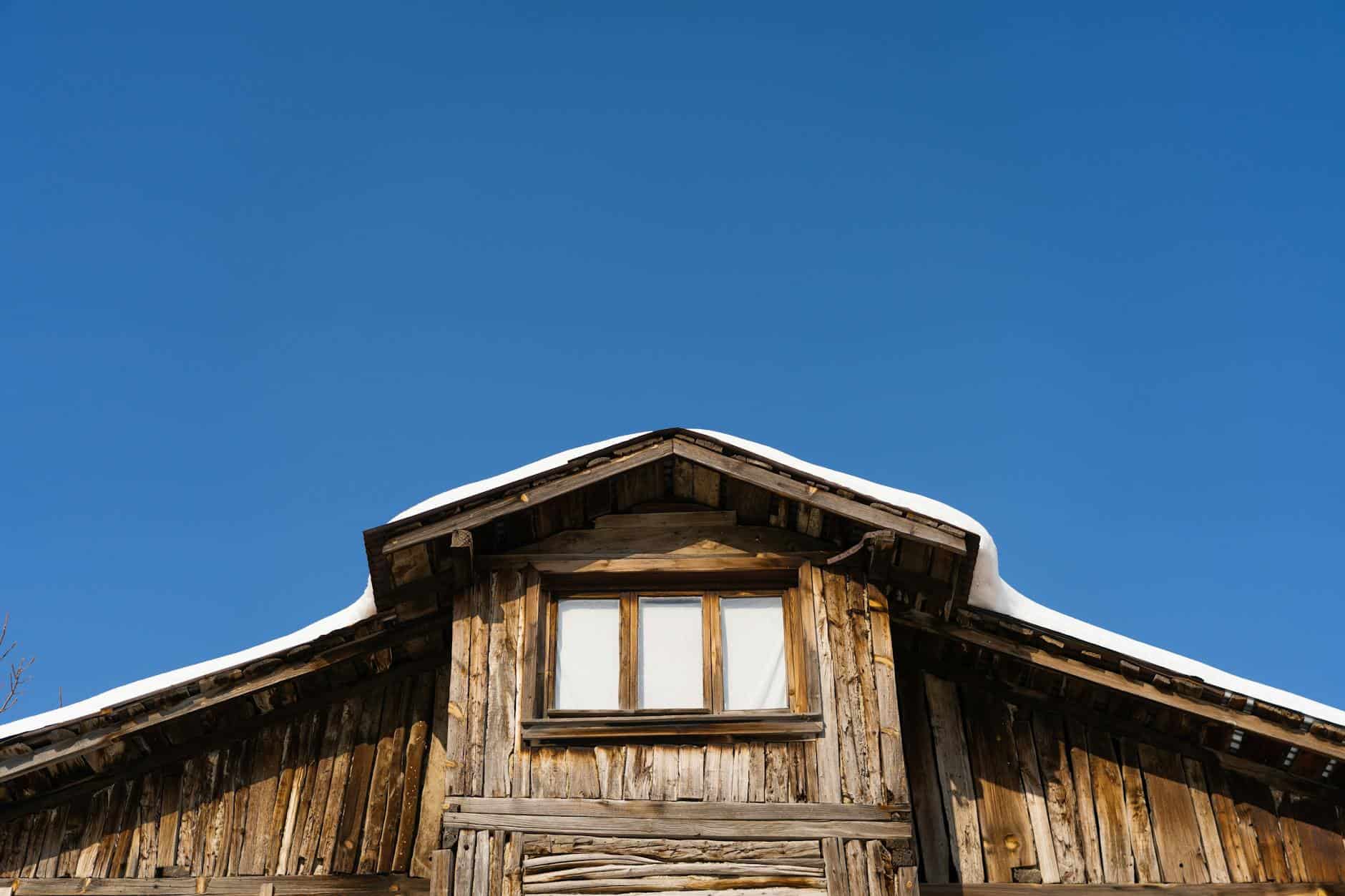
Ski resort lodging operates on supply and demand in its purest form. There are a limited number of slope-side rooms in the world, and the people who want them vastly outnumber those rooms during peak season. The result: a modest two-bedroom condo within walking distance of a gondola at a major resort will routinely run $600–$1,200 per night during Presidents’ Week, the most expensive ski travel window in the American calendar.
The math that makes people visibly uncomfortable:
- A four-night stay for a family of four in a slope-side two-bedroom: $3,200–$4,800
- That same unit at a resort town ten minutes from the mountain: $1,400–$2,200
- A vacation rental an hour from the resort with a car required: $800–$1,400
Families who drive to resorts instead of flying — and stay slightly off-mountain — consistently report saving $2,000 or more on lodging alone. The tradeoff is convenience and spontaneity. If you need to be back at the car by 3pm to fight traffic, you ski differently.
The “ski-in, ski-out” premium is real and substantial. Whether it’s worth it depends on how much you value not putting on boots in a parking lot. Many veterans of the sport say the premium is worth it exactly once — after which you realize you could fund two more ski trips with what you saved by staying slightly further away.
Gear and Rentals: The Hidden Second Price Tag
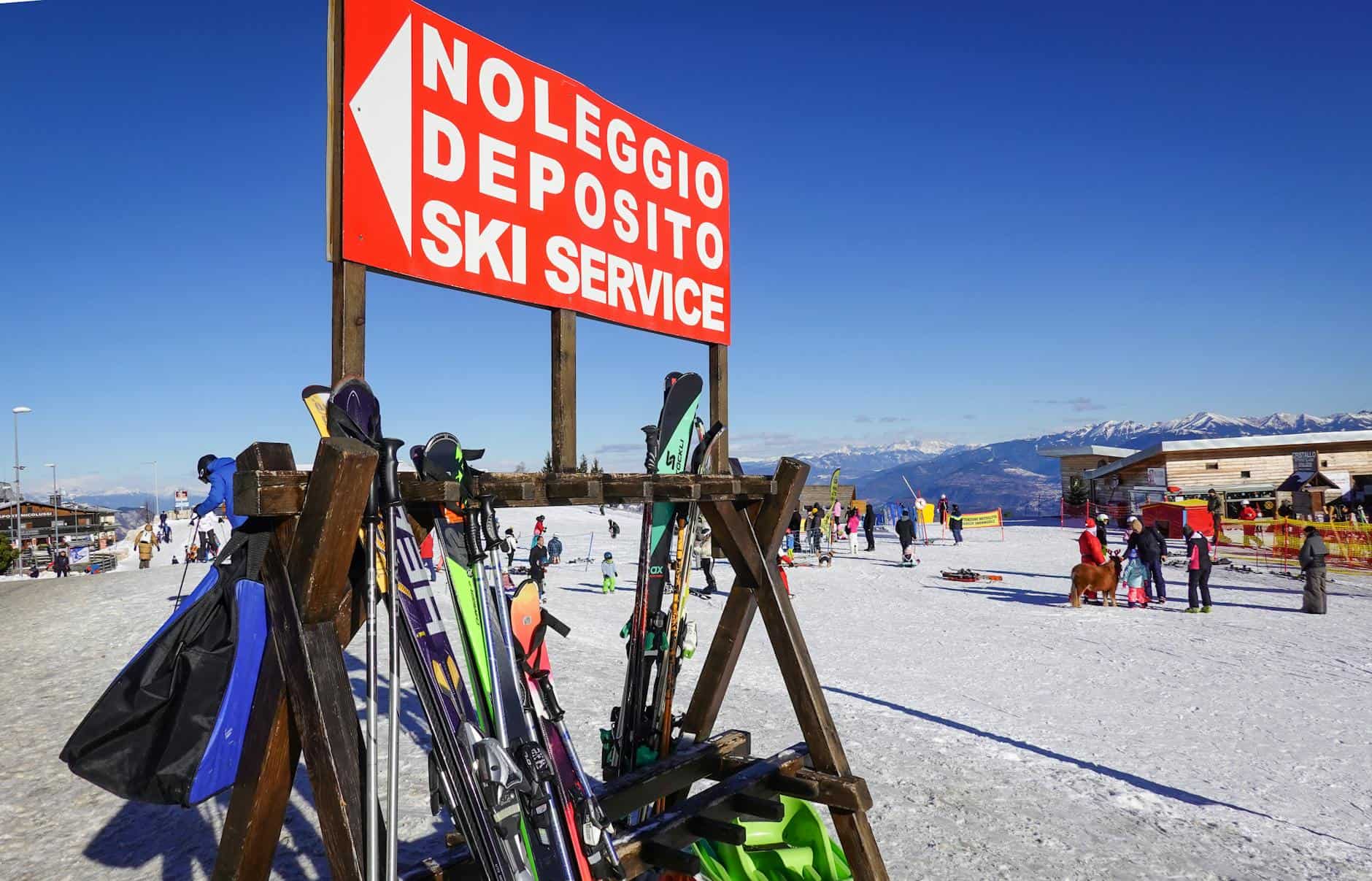
For first-timers and occasional skiers, gear rental is unavoidable. At major resort rental shops, expect to pay:
- Basic ski package (skis, boots, poles): $50–$85 per person per day
- Performance or demo skis: $75–$120 per person per day
- Snowboard package: similar range
- Helmet rental (often separate): $25–$40 per day
For a family of four renting for four days, gear alone reaches $800–$1,400 before anyone has touched snow. Pre-booking rentals online through the resort or third-party shops typically saves 20–30% over walk-in prices. Shops in the base towns — not at the mountain — often charge significantly less for equivalent equipment.
For families who ski more than a few days per year, the rent-vs-buy math shifts quickly. Kids’ ski gear presents its own problem: children outgrow equipment on a two-year cycle, making ownership a different kind of financial trap. Gear-sharing networks and secondhand markets have grown specifically to address this.
Food on the Mountain Is Its Own Economy
On-mountain dining is one of the most expensive food environments in America. The combination of captive audience, high operational costs, and the simple fact that hungry skiers aren’t going to hike down for cheaper options creates a market where $22 burgers and $9 hot chocolates are unremarkable.
A realistic food budget for four people for one full ski day:
- Morning coffee and pastries at the base: $30–$50
- Mid-mountain lunch: $80–$140
- Afternoon snacks: $20–$40
- Post-ski drinks (if applicable): $60–$120
Total: $190–$350 per day, per family. Over four days: $760–$1,400 in food alone.
Families who pack lunches and eat at in-unit kitchens for dinner consistently report cutting food costs by 40–50%. This requires a lodging unit with a kitchen, which adds to room cost but typically still comes out ahead. The mental friction of packing and hauling lunch bags is real, and many families find themselves abandoning the plan by day two.
Lessons, Childcare, and the Extras Nobody Warned You About
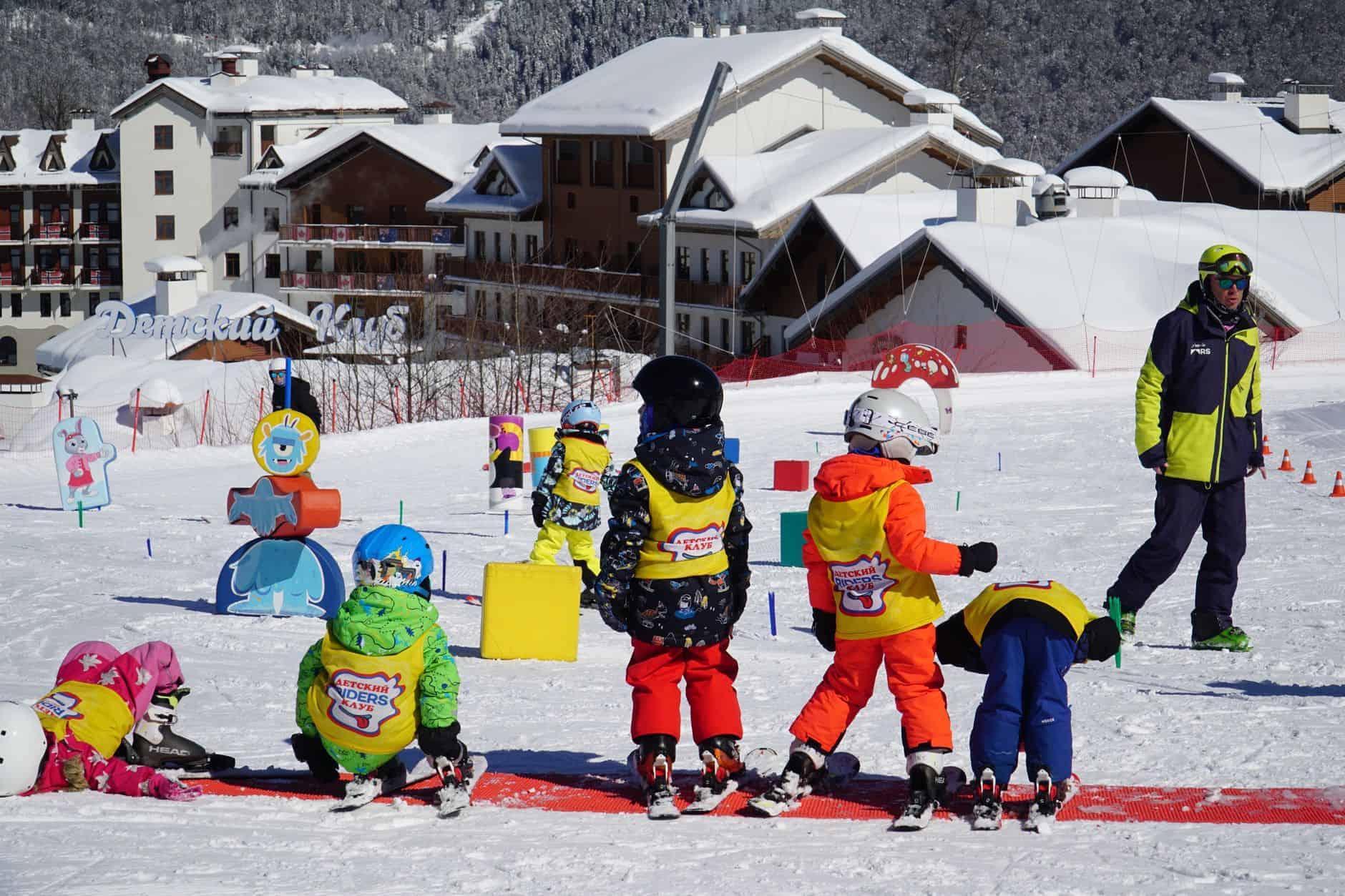
Ski school for children is both genuinely valuable and genuinely expensive. A full-day group lesson for a child at a major resort typically runs $150–$250. Private lessons for adults or children range from $300–$600 for a half-day session.
For families with young children who aren’t yet skiing, resort childcare (ages 3–5 typically) runs $180–$300 per day per child. This is often the budget line that produces the most surprise. Families with two young kids can easily spend $400–$600 per day on childcare alone — for children who will not be skiing.
Other costs that arrive without warning:
- Parking: $30–$60 per day at many resorts that charge for lots
- Locker rental: $20–$40 per day
- Après-ski activities (ice skating, tubing, snowmobile tours): $40–$150 per person
- Resort fees on lodging: $30–$80 per night, added at checkout
The Gear You Bought That Lives in Your Garage
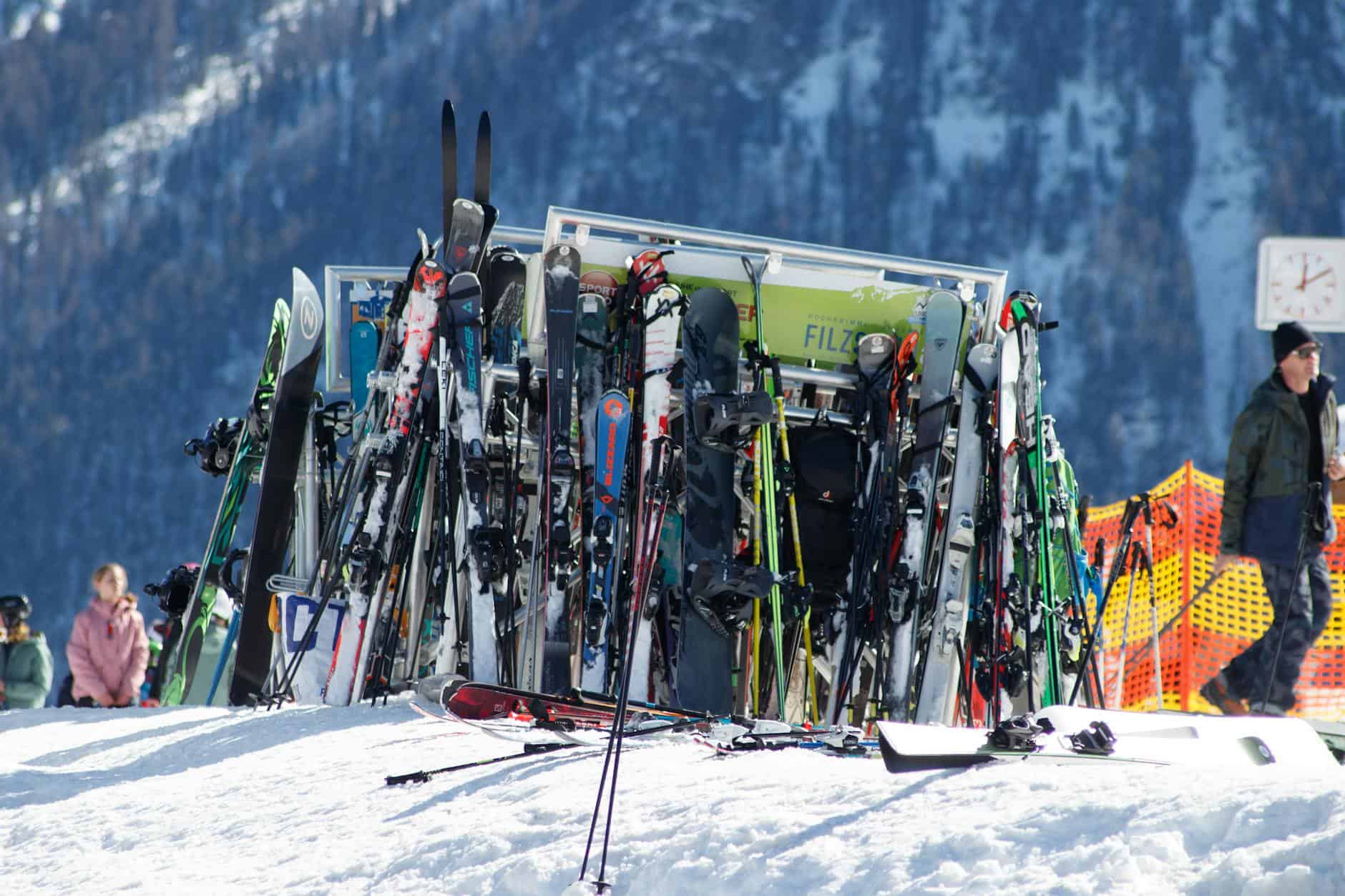
Every ski trip produces purchases that feel necessary in the moment. The ski jacket bought at a resort shop because yours turned out to be inadequate. The goggles that replaced the pair you forgot. The hand warmers bought in panic. The insulated bibs your child needed because you packed wrong.
But the larger gear purchase category — the one that fills garages across the American suburbs — is gear bought in the optimistic window after a ski trip when people are certain they’ll go back every year. Ski boots, purchased new, run $300–$700. Skis: $400–$1,200. Full outfitting of one adult for skiing, bought new at a retail shop, routinely crosses $1,500.
The research on how often this gear actually gets used is uncomfortable. Equipment retailers in resort towns have built entire business models around people selling barely-used gear each fall, having gone skiing once or twice before life intervened.
What a Ski Weekend Actually Costs by Scenario
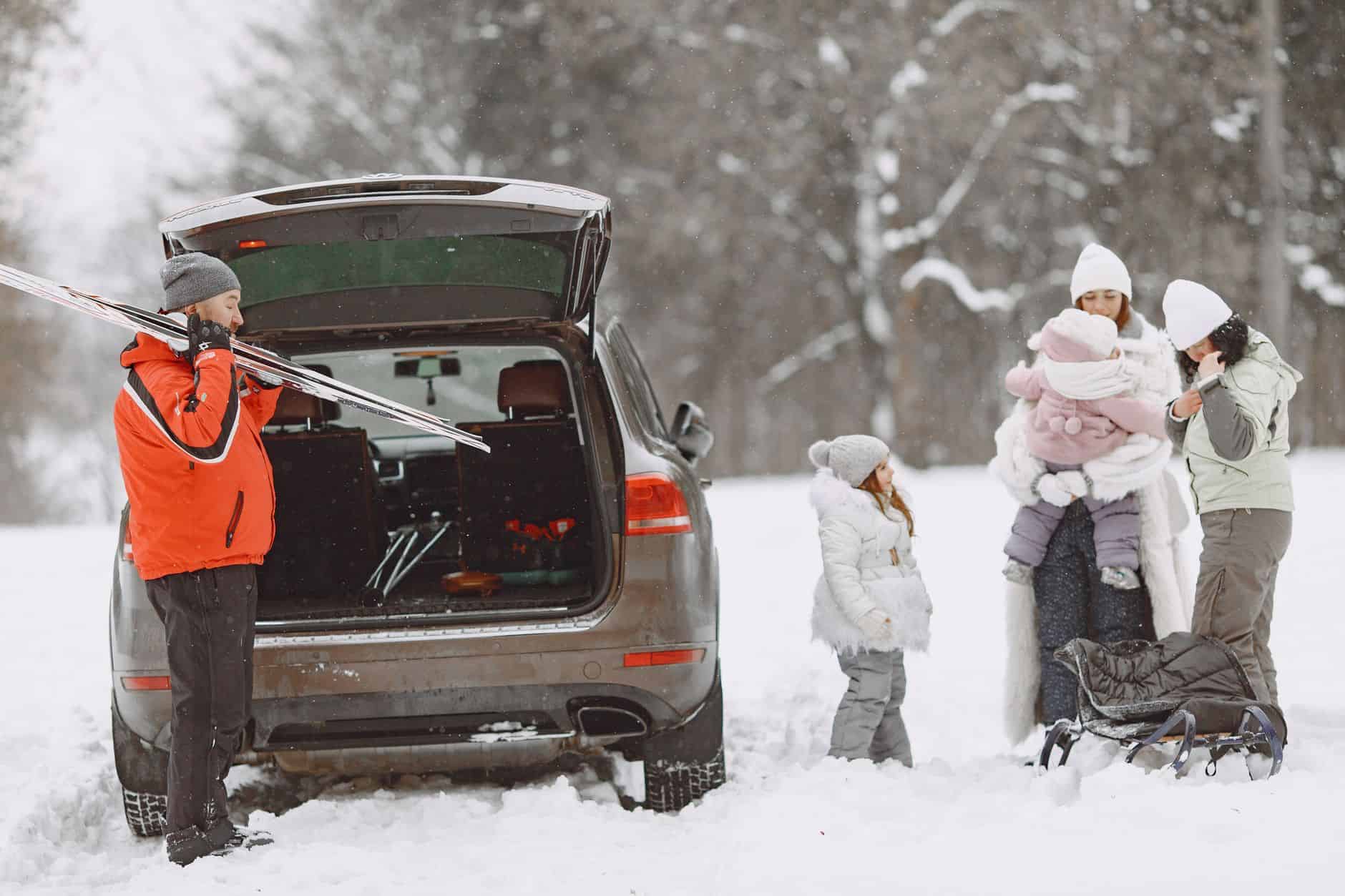
Let’s run three actual scenarios for a family of four (two adults, two children ages 8 and 11) over four days at a major Western resort:
Scenario A — Full Price, Slope-Side:
- Lodging (4 nights, slope-side condo): $4,200
- Lift tickets (bought at window): $2,800
- Gear rental (4 days): $1,200
- Food (4 days, on-mountain plus dinners out): $1,400
- Lessons (two mornings, group): $600
- Miscellaneous (parking, lockers, activities): $400
- Total: approximately $10,600
Scenario B — Planned Ahead, Off-Mountain:
- Lodging (4 nights, nearby rental with kitchen): $1,800
- Lift tickets (Ikon or Epic pass, pre-purchased): $1,200 (amortized)
- Gear rental (pre-booked, town shop): $700
- Food (packed lunches, dinner at unit): $600
- Lessons (one morning, group): $300
- Miscellaneous: $250
- Total: approximately $4,850
Scenario C — Drive Trip, Smaller Regional Mountain:
- Lodging (4 nights, vacation rental 30 min away): $1,100
- Lift tickets (regional mountain, pre-purchased): $900
- Gear rental (pre-booked): $600
- Food (packed lunches, cooking in unit): $400
- Miscellaneous: $200
- Total: approximately $3,200
The same activity. A $7,400 spread in total cost.
Is Any of This Worth It?
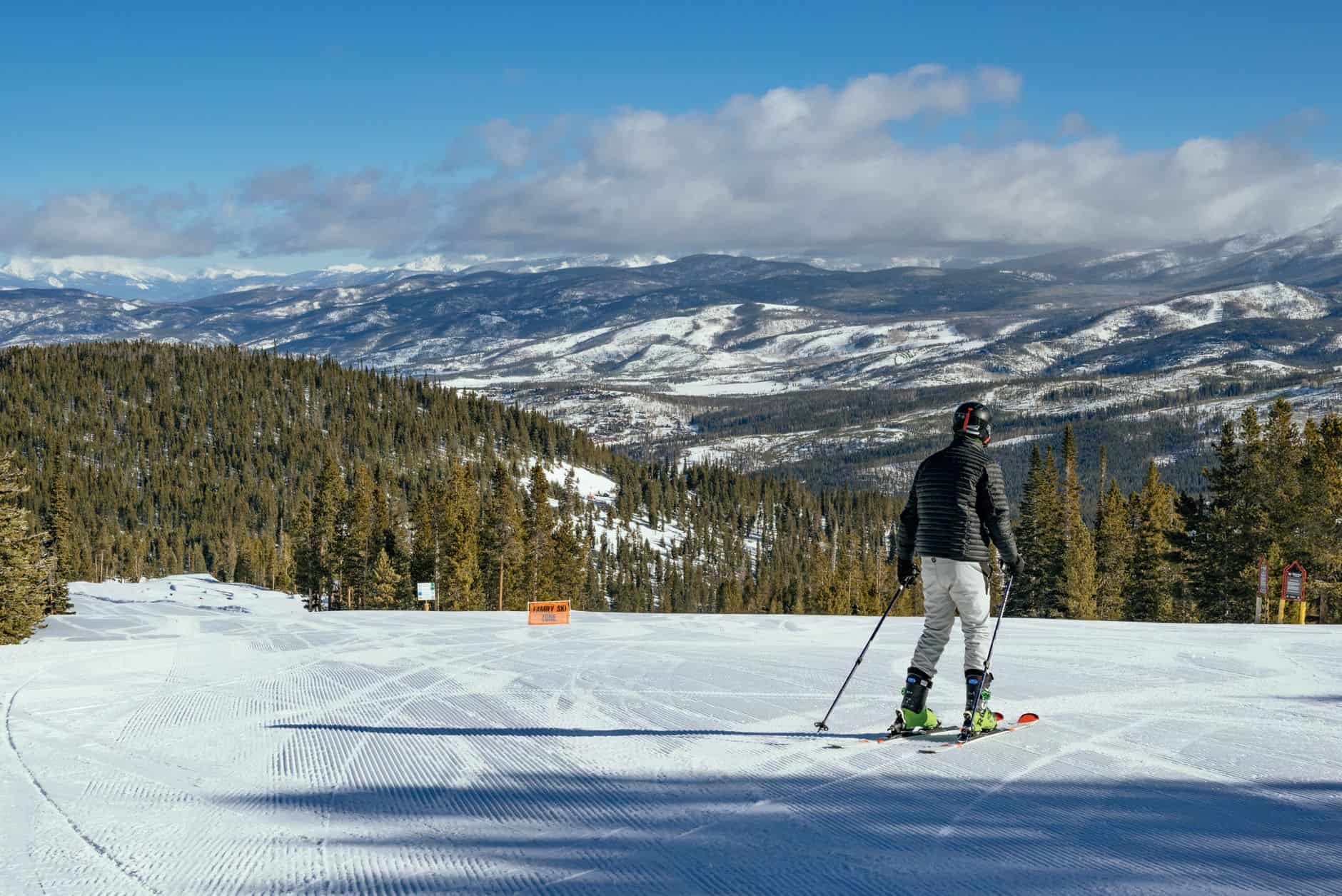
Skiing consistently ranks among the activities that people describe with the most emotional intensity. The physical sensation, the landscape, the particular social ritual of riding a lift with strangers and family — none of that is manufactured. People who ski regularly aren’t deluded about the cost; they’ve made a deliberate choice about what they value.
The problem isn’t skiing. The problem is walking into the experience without doing the math, which the industry actively discourages you from doing. Resort marketing shows powder days and aprés-ski warmth, not itemized receipts.
The families who get the most out of ski trips — emotionally and financially — tend to be the ones who planned two or three months out, pre-purchased passes, pre-booked rentals, stayed slightly off-mountain, and cooked some of their own meals. They gave up the fantasy of a seamless, all-in ski resort bubble and got a real trip for about half the price.
The ones who book impulsively and pay rack rate for everything are the ones standing at the base, doing the mental math on their phone, wondering how a four-day trip became the most expensive vacation they’ve taken since their honeymoon.