12 Budget Islands Beyond Crowded Caribbean Shores
We may earn money or products from the companies mentioned in this post. This means if you click on the link and purchase the item, I will receive a small commission at no extra cost to you ... you're just helping re-supply our family's travel fund.
Rising prices and dense cruise schedules push many travelers to look past familiar Caribbean names toward islands where costs stay gentler and pace slows down. Beyond glossy brochures sits a quieter map of volcanic coasts, working harbors, night markets, and family guesthouses that still welcome visitors without ceremony. These islands rarely demand perfection or designer outfits. They ask for curiosity, a simple budget, and respect for locals who keep ferries, food stalls, and small boats running long after sunset.
Langkawi, Malaysia
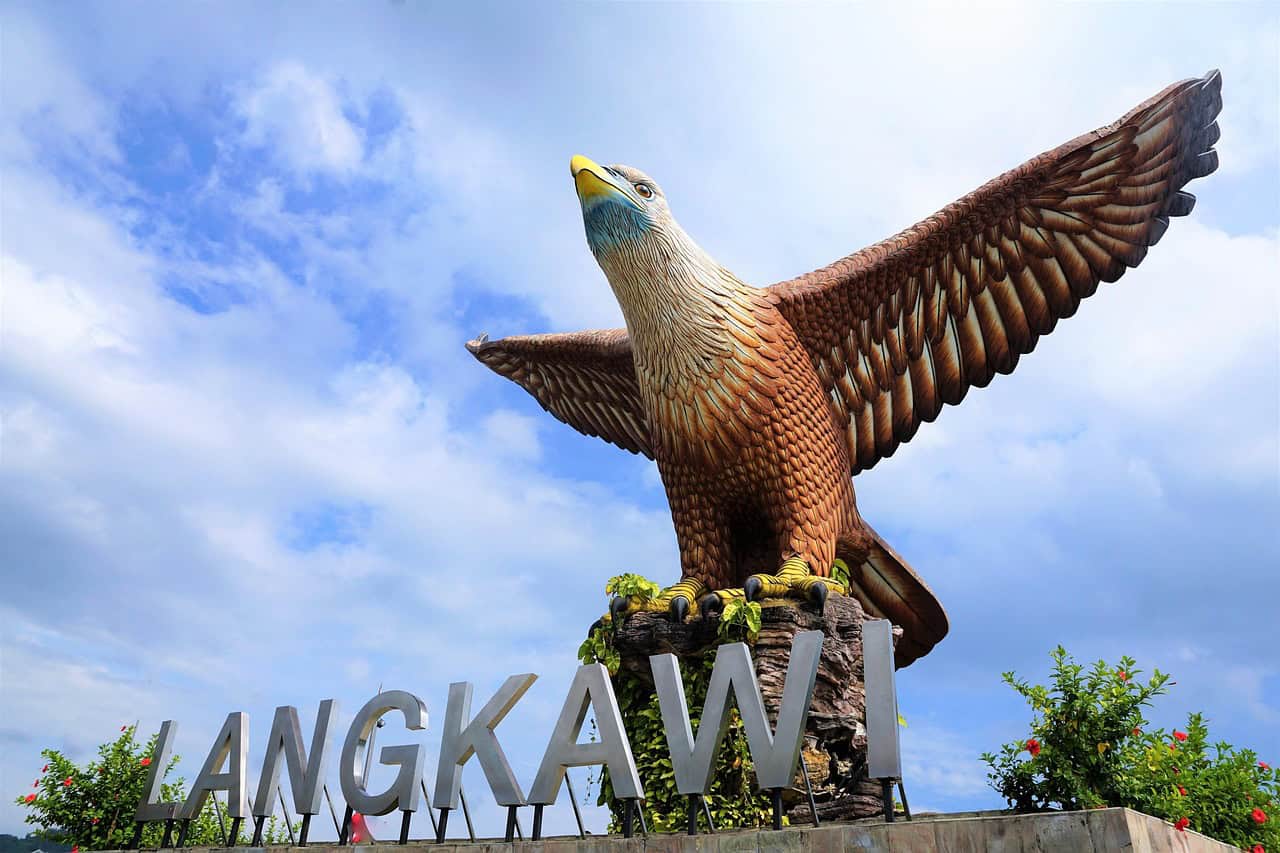
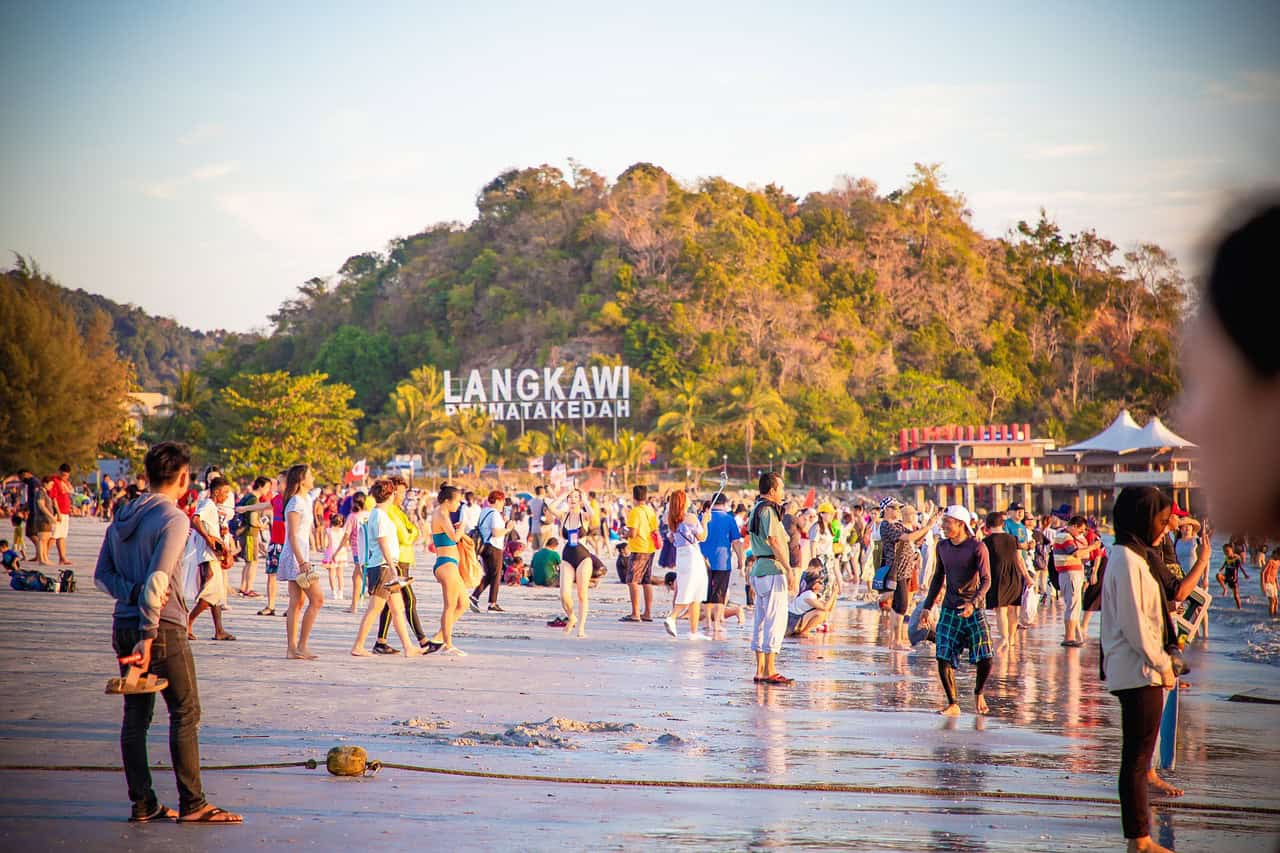
Langkawi lines up soft beaches, rainforest hills, and night markets that keep both appetite and budget satisfied. Simple guesthouses and midrange hotels sit near local food stalls where grilled satay, laksa, and fresh juices cost less than one drink at many Caribbean resorts. Shared taxis and scooters reach waterfalls and viewpoints without complex planning. Duty free shops tempt, but real value lives in slow evenings on plastic chairs, with fans turning lazily and the sea staying close enough to hear.
Azores, Portugal

The Azores offer crater lakes, hot springs, and whale watching without luxury price tags when timing stays outside storm alerts and peak holidays. Simple guesthouses and small rentals cluster around Ponta Delgada and village harbors, while car shares or buses link tea fields, cliffs, and quiet towns. Groceries, bakeries, and thermal pools keep daily costs grounded, and most drama comes from clouds moving over green ridges, not from crowded beach clubs. It feels remote yet reachable for patient planners.
Canary Islands, Spain
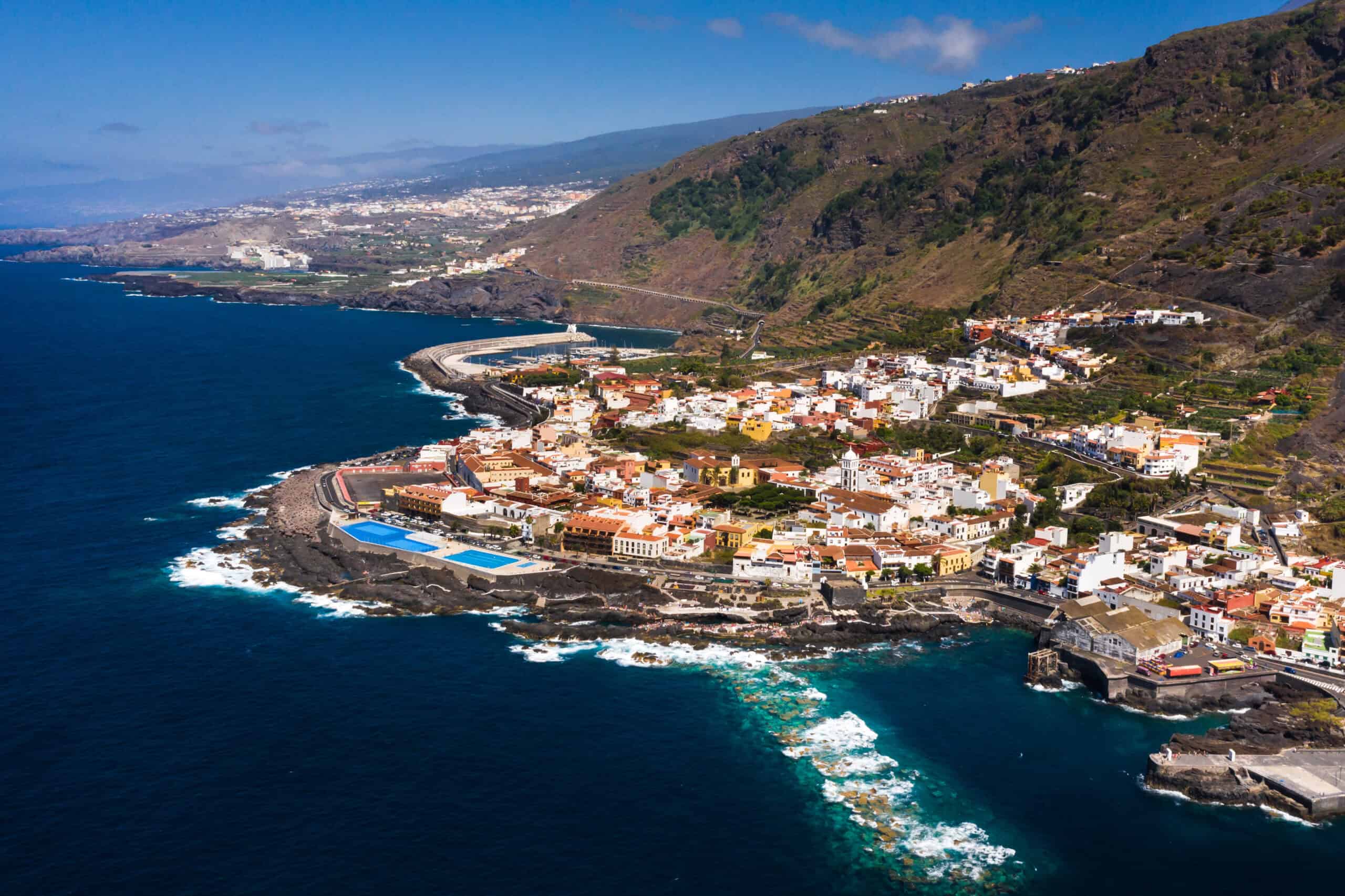
Beyond resort strips, islands like Tenerife, Gran Canaria, and Fuerteventura still work well for travelers watching every euro. Local guagua buses, menu del dia lunches, and simple apartments near nonbranded beaches keep budgets controlled. Inland villages, volcanic trails, and black sand coves absorb crowds that gather at a few marquee spots. With frequent low cost flights from Europe and year round mild weather, the archipelago turns school calendars and shoulder seasons into reliable windows for sunshine that does not drain savings.
Naxos, Greece
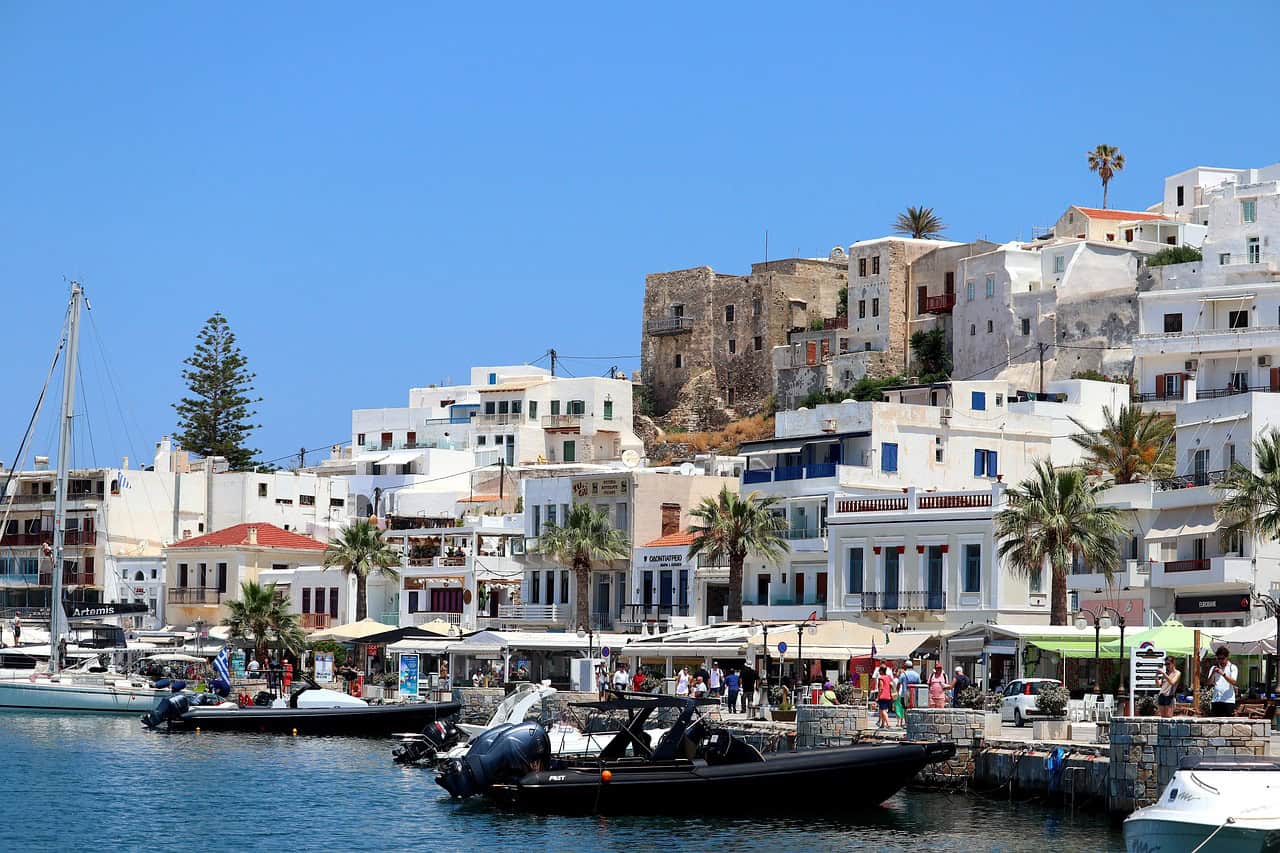
Naxos offers long beaches, mountain villages, and generous portions that quietly undercut prices on nearby celebrity islands. Family run studios sit steps from the sea, and tavernas serve honest plates of grilled fish and local potatoes at totals that still surprise Athens veterans. Buses climb into stone villages where hikers trace old paths between fields and churches. Compared with intense nightlife scenes elsewhere, evenings here lean toward harborside walks, mellow bars, and the sense that real life continues around visiting guests.
Korcula, Croatia
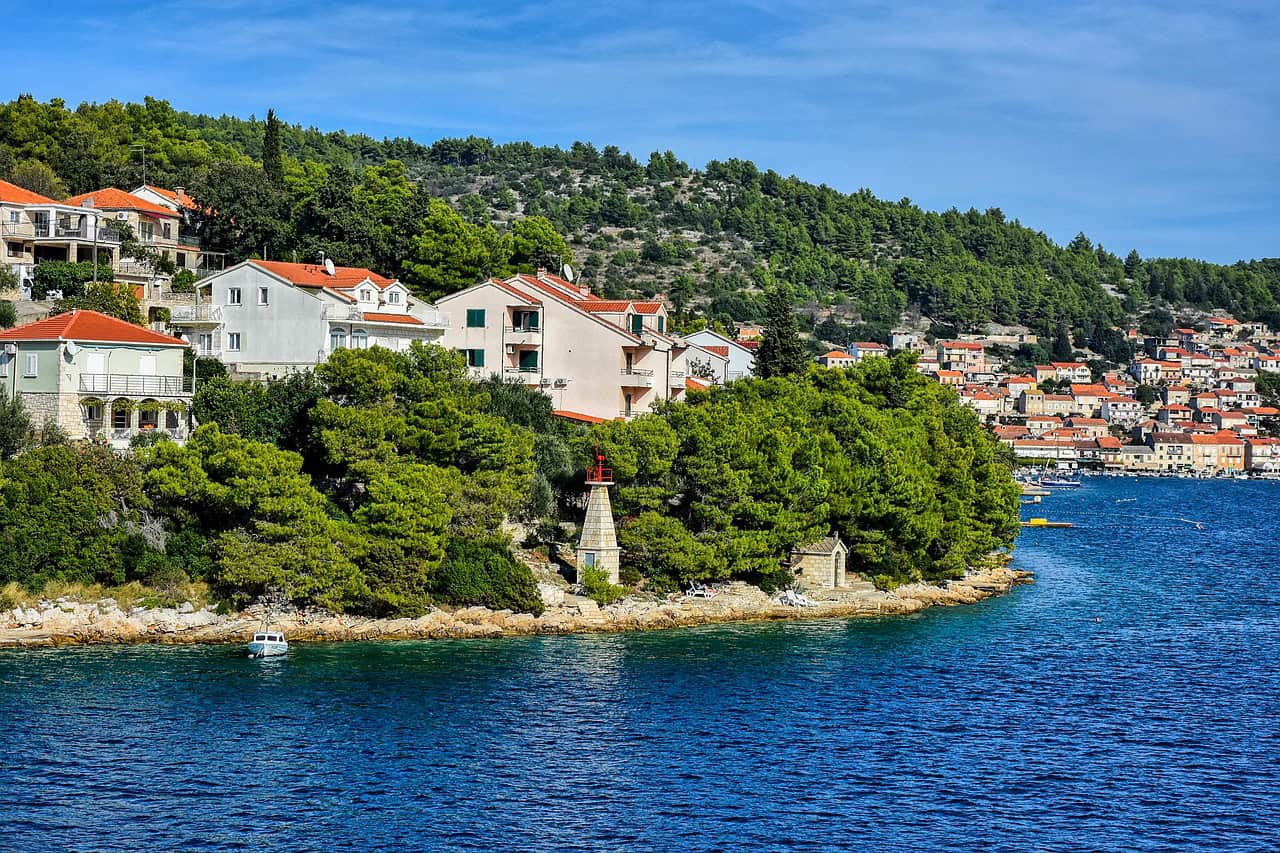
Korcula mixes medieval lanes, pine shaded beaches, and vineyards in a space compact enough to skip taxis almost entirely. Guesthouses inside stone houses or along coves often stay friendlier to midrange budgets than Dubrovnik’s old town rooms. Ferries bring a steady but manageable flow, leaving side alleys and tiny swimming piers for those who wander a few minutes away. Local wine, olive oil, and seafood plates feel special without demanding a special occasion. It is Adriatic charm at a human scale.
Madeira, Portugal
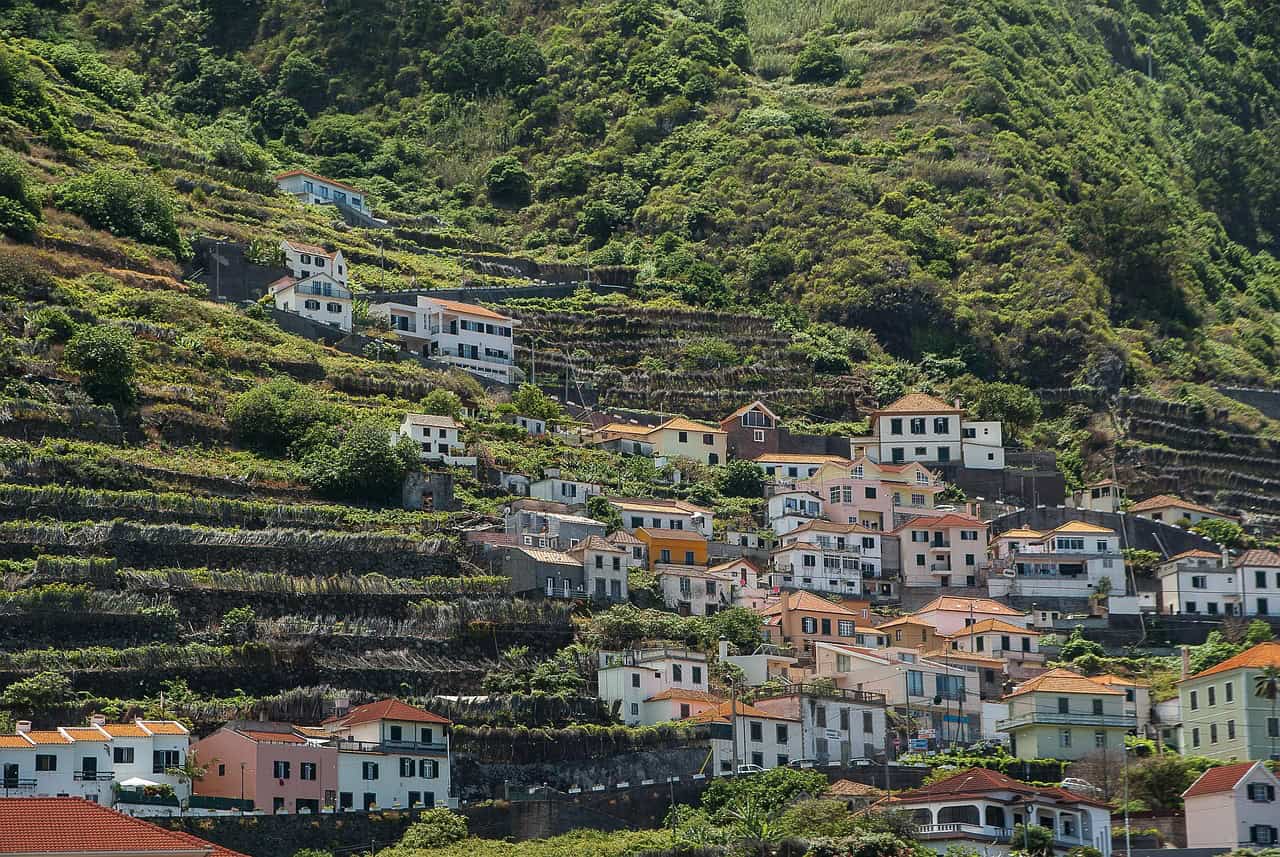
Madeira feels like a floating garden built for walkers with modest budgets and strong calves. Affordable apartments stack along Funchal’s hillsides, local buses reach cliff paths and villages, and budget friendly espetada grills feed long evenings. Most views come free: levada trails, sea pools, farmers markets, and harbor sunsets that stretch without charge. Off peak months reward patient planners with low rates, soft weather, and streets shared mostly with locals running real errands.
Lombok, Indonesia
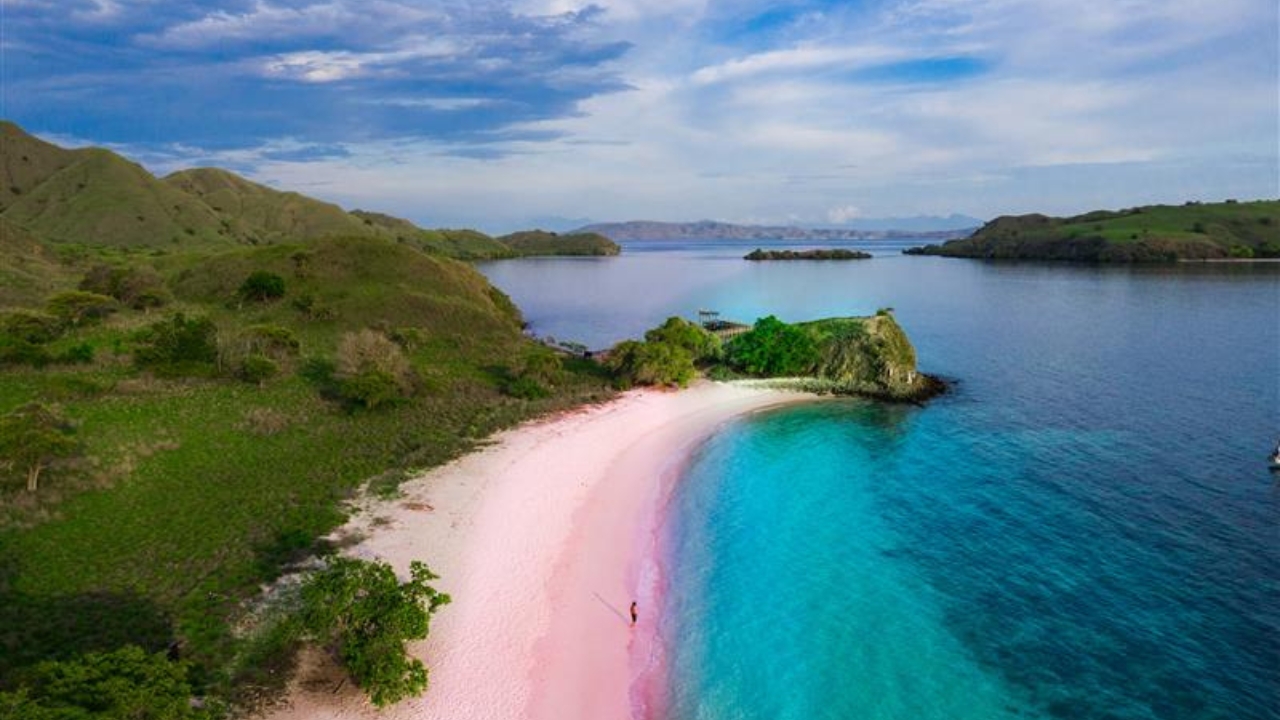
Lombok stands as a calmer neighbor to Bali, with wide bays, quiet villages, and long stretches where coconut trees outnumber loungers. Budget stays range from surfer homestays to simple bungalows near Selong Belanak and Kuta, while warungs serve filling plates for a few dollars. Ferries and bikes connect beach pockets, waterfalls, and Rinjani trailheads at a pace that suits long stays. The island still balances growth and tradition, offering an affordable escape that rewards travelers who travel light and linger.
Siargao, Philippines
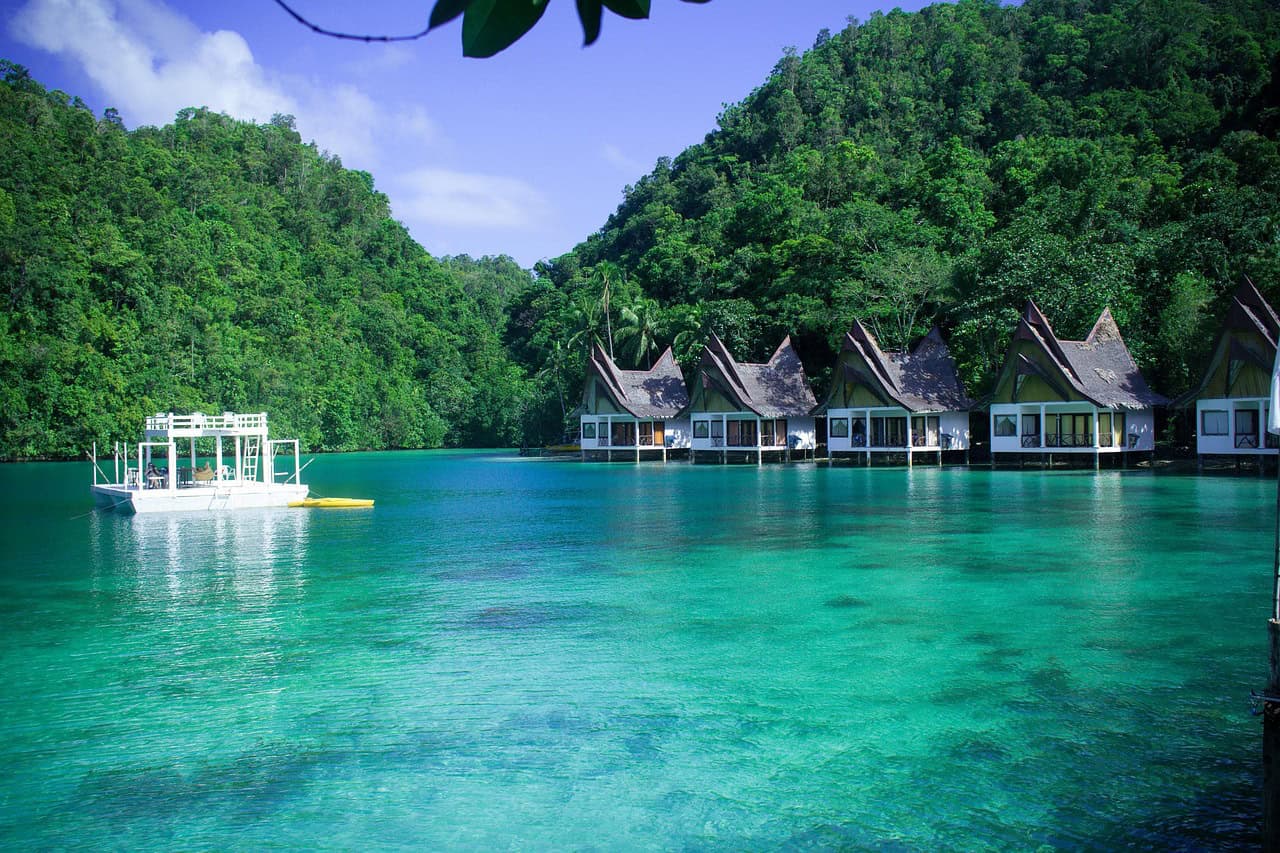
Siargao pairs world class surf with a mellow village rhythm that keeps costs reasonable outside peak holiday weeks. Homestays, hostels, and basic cottages cluster around General Luna, often including scooters and shared kitchens that stretch budgets further. Most highlights stay low cost: cloud formations over palm roads, island hopping to sandbars, cheap barbecue skewers, and sunrise sessions watched from simple sea walls. Even as new cafes appear, many corners still run on small bills and open doors.
Camiguin, Philippines
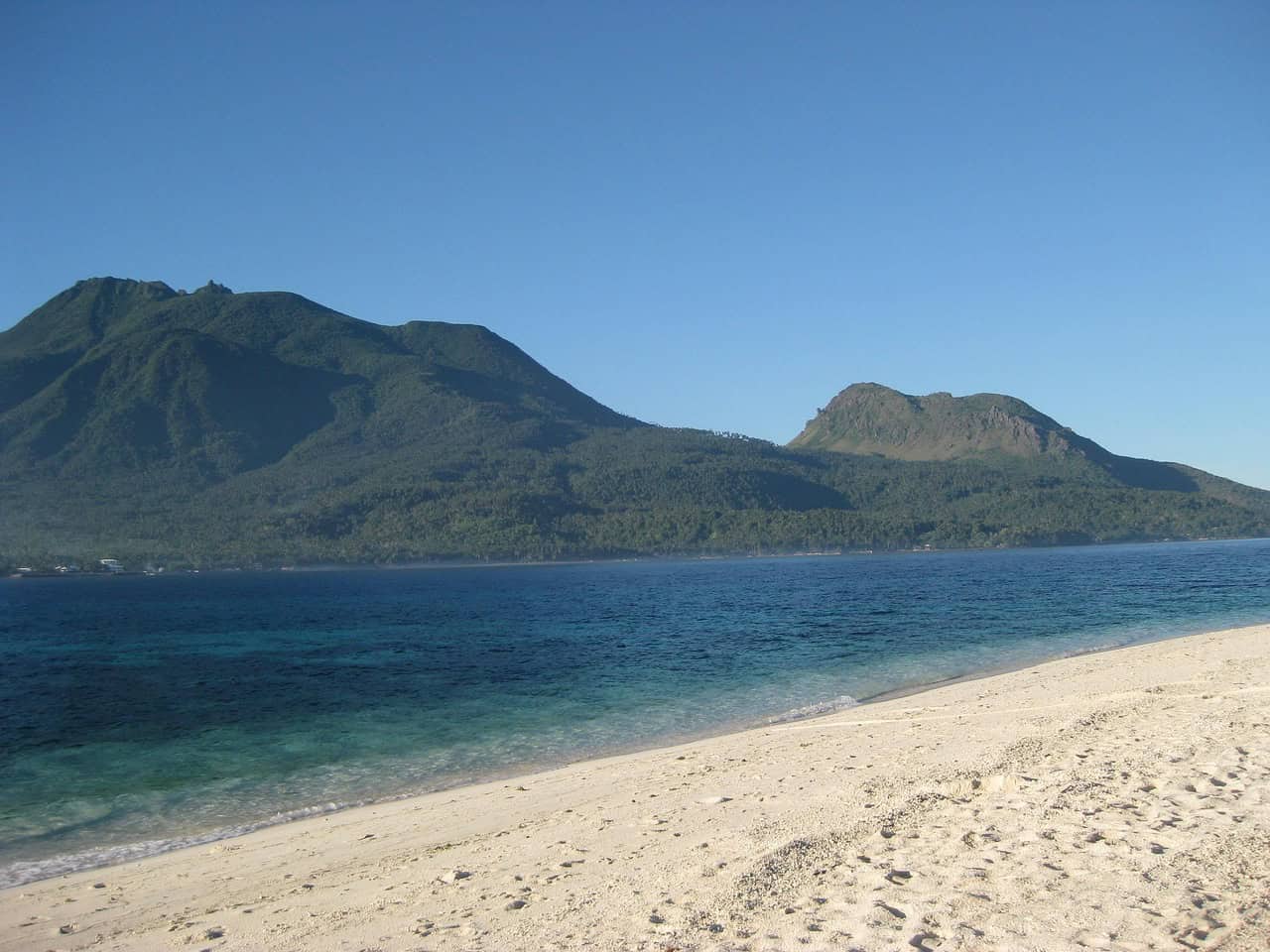
Camiguin feels like a compact sampler plate of volcanoes, waterfalls, hot springs, and white sand at a price that favors long stays. Rooms in family compounds and small resorts remain gentle on wallets, and rentals circle the island on one smooth loop in a single day. Crowds rarely match bigger names, leaving snorkel spots, church ruins, and fruit stalls pleasantly calm. The atmosphere leans friendly, unhurried, and proud of local rhythms that never fully bend to quick tourism trends.
Zanzibar, Tanzania
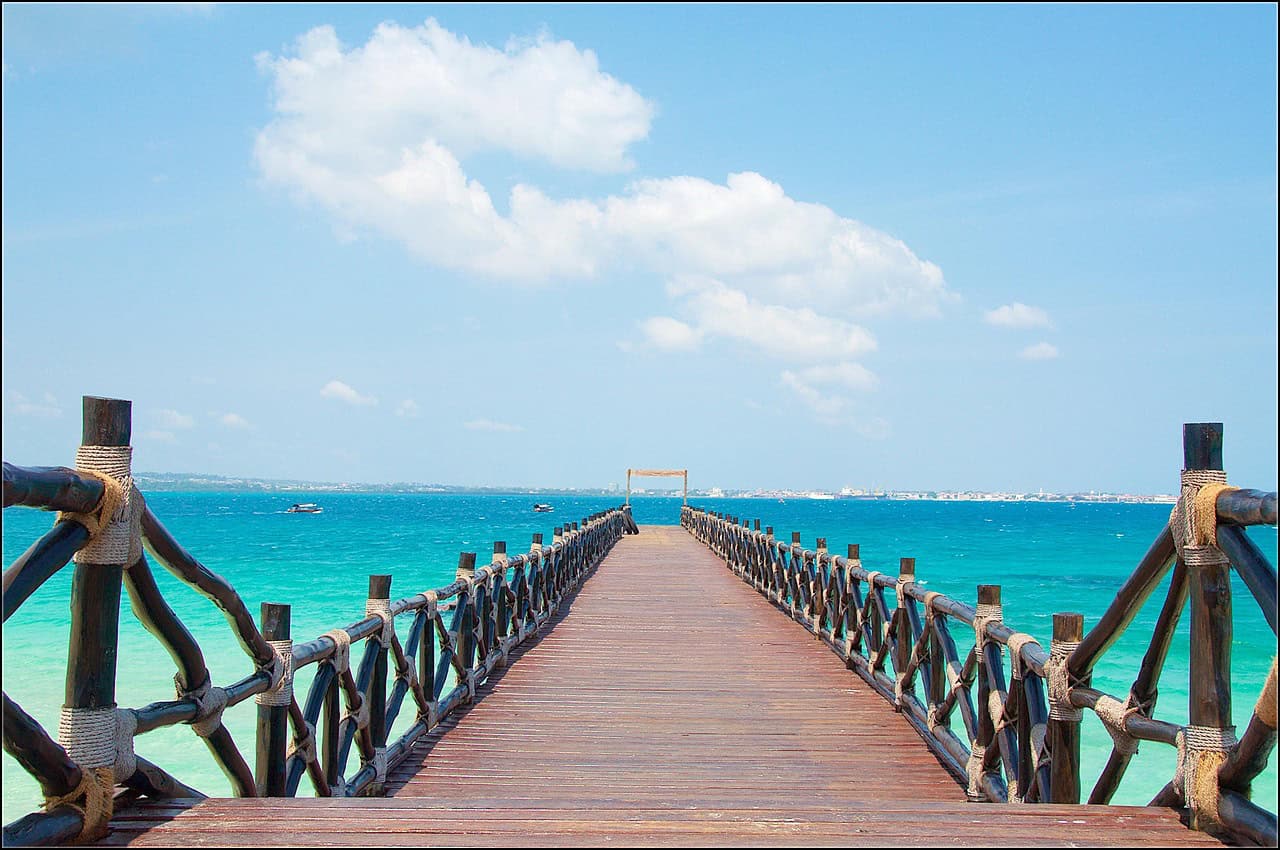
Zanzibar blends Swahili culture, spice farms, and pale beaches that can still fit modest budgets with thoughtful choices. Stone Town guesthouses, local cafeterias, and shared dala dala rides make it possible to sleep, eat, and move without resort prices. North coast and southeast surf villages offer rooms at multiple levels, so groups can mix comfort and thrift. Low season months trim rates and crowds, while sunsets, alleys, and call to prayer stay free and unforgettable when treated with respect.
Phu Quoc, Vietnam
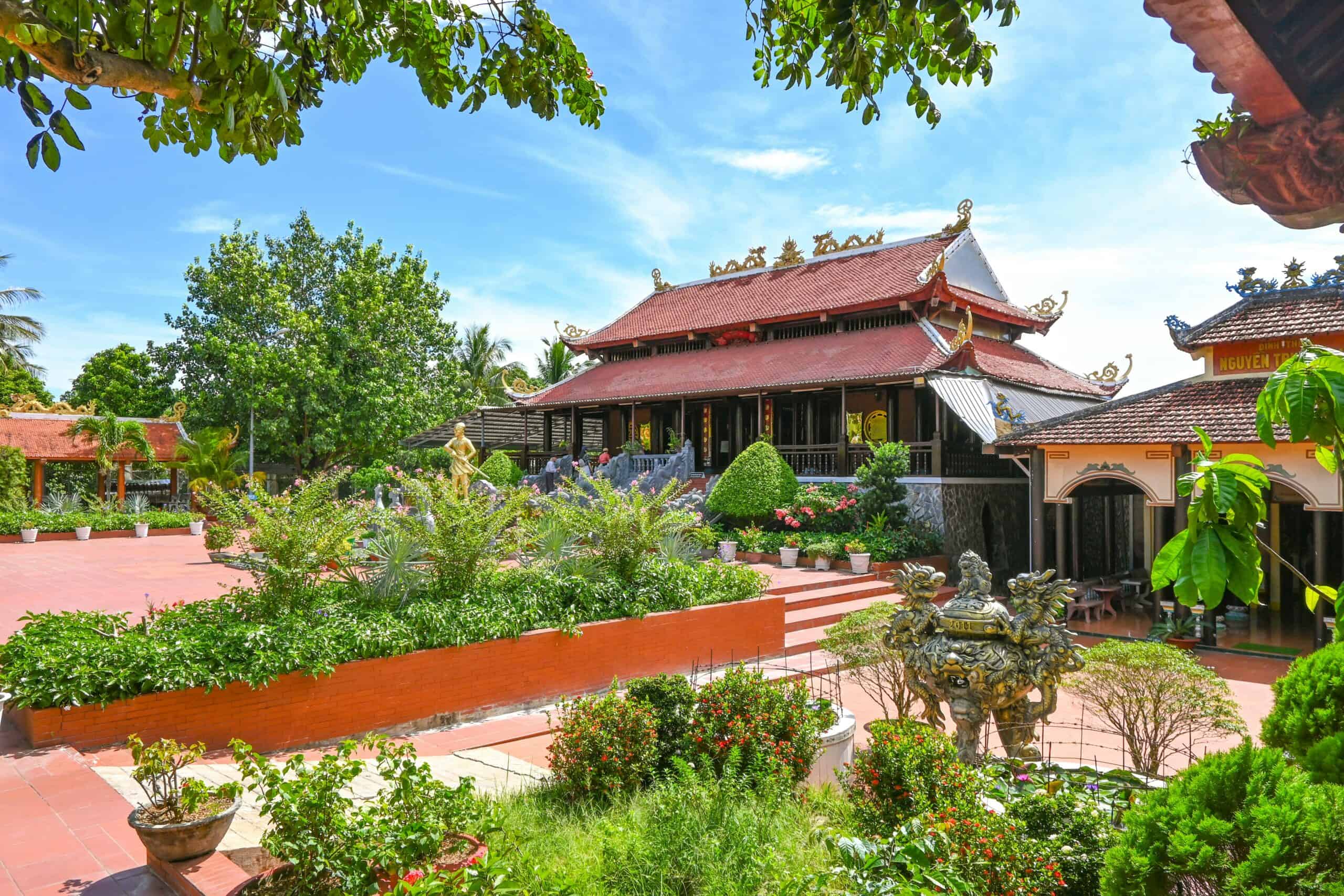
Phu Quoc sits closer to the Cambodian coast than Hanoi, with a mix of fishing villages, pepper farms, and beaches that still welcome simple budgets. Guesthouses and midpriced hotels spread beyond major resort strips, and street food scenes in Duong Dong keep meals low cost and lively. Motorbikes reach empty coves, while night markets glow with seafood stalls that charge by weight instead of reputation. The island feels in transition, yet many corners stay accessible to travelers watching expenses carefully.
Jeju, South Korea
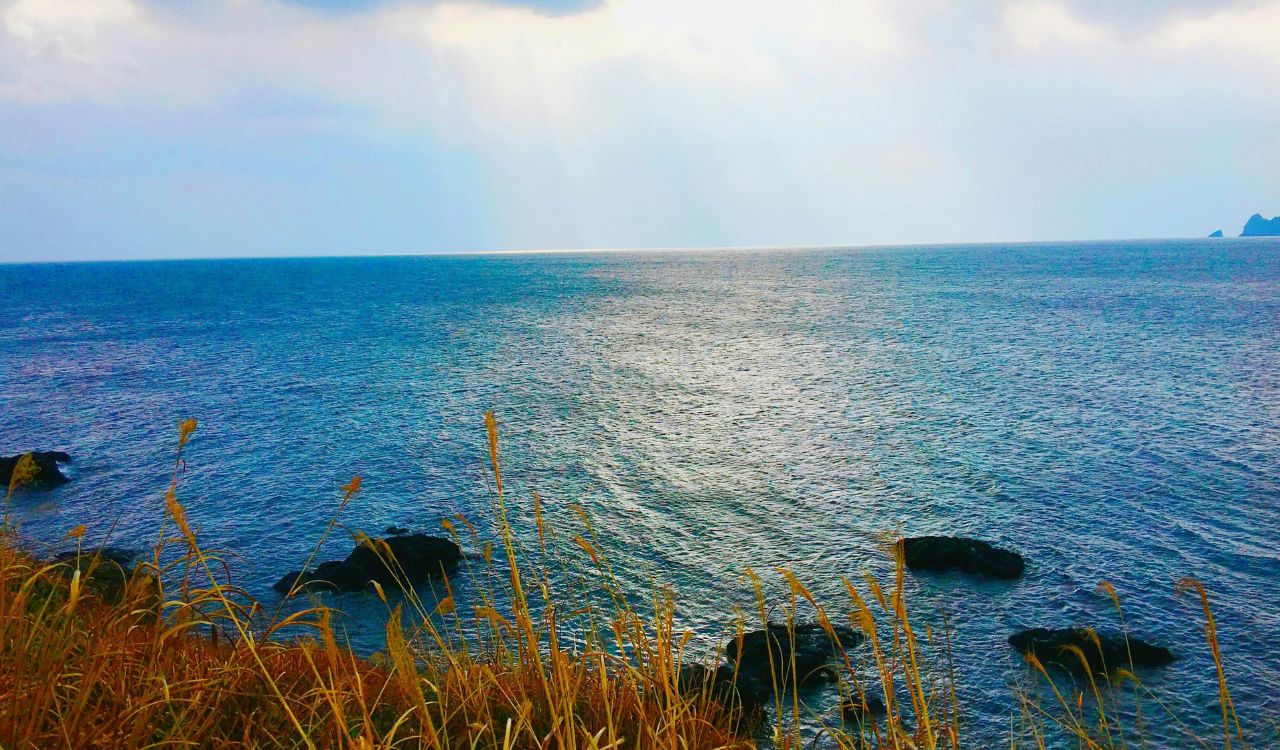
Jeju offers lava cliffs, green tea fields, and coastal trails that feel a world away from dense mainland cities. Prices can climb at major resorts, but pensions, guesthouses, and local diners keep independent travelers within comfortable budgets, especially outside peak summer. Efficient buses circle major sights, and many walks, waterfalls, and rock formations cost nothing more than time and steady legs. The island prizes nature access and local produce, turning modest spending into quietly rich days.