Why Some People Photograph Everything on Vacation and Others Put the Camera Away — What the Research Actually Says
We may earn money or products from the companies mentioned in this post. This means if you click on the link and purchase the item, I will receive a small commission at no extra cost to you ... you're just helping re-supply our family's travel fund.
This article contains affiliate links. If you book through our links, we may earn a commission at no additional cost to you.
The argument happens on every trip where two people travel together and approach photography differently. One person wants to stop, frame, document. The other wants to move, feel, forget the phone exists. By the third day, both are slightly annoyed at each other, each utterly convinced the other is doing vacation wrong.
This particular argument has attracted the attention of behavioral psychologists, memory researchers, and tourism academics. They’ve run studies in museums, on buses, in national parks, and at concerts. The results are worth knowing, not because they settle the argument, but because they complicate it in genuinely interesting ways.
The Two Camps, and Why Each Is Certain They’re Right
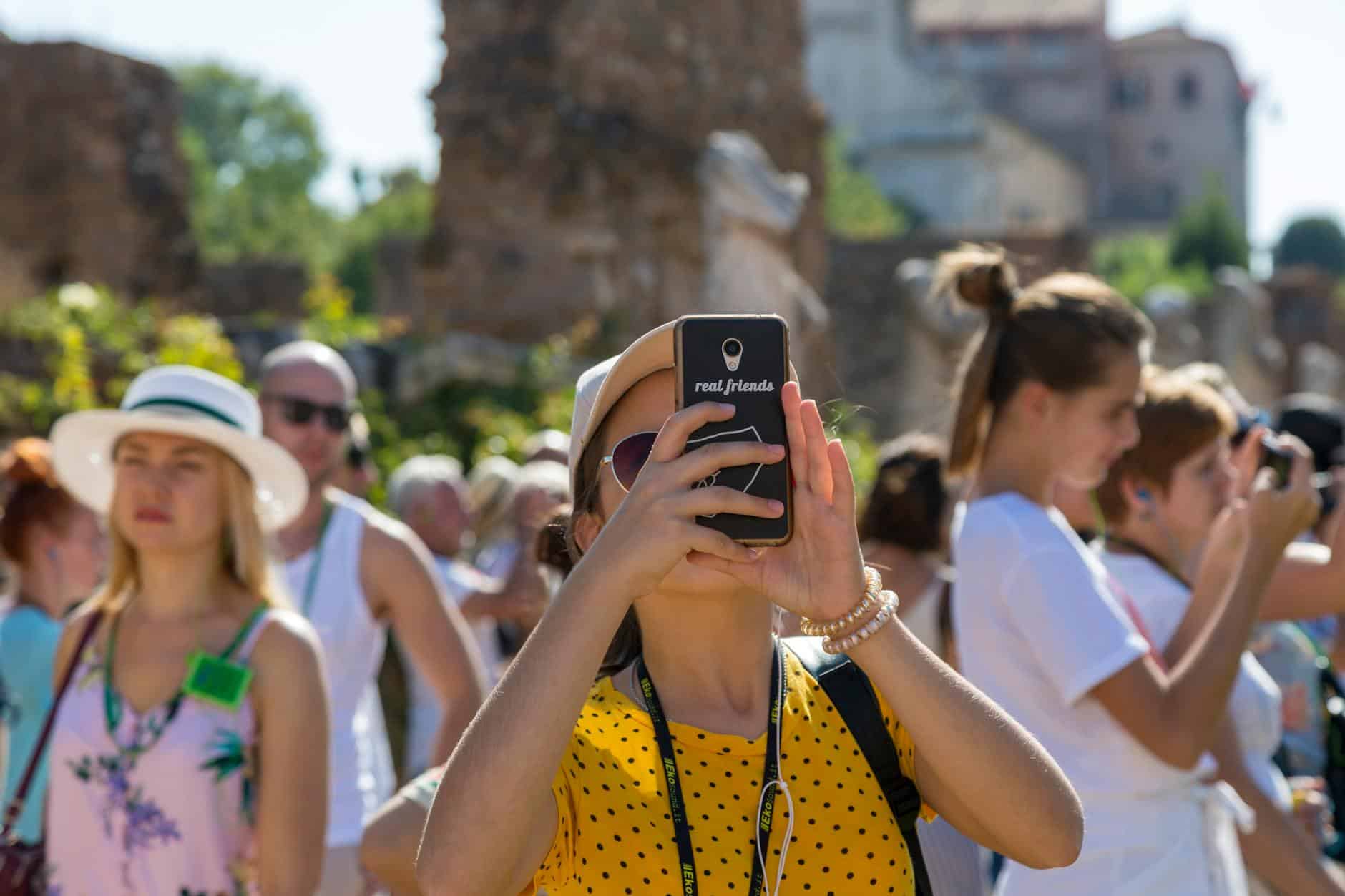
Heavy photographers — the people who come home with 2,000 images from a ten-day trip — tend to describe their experience as a form of heightened attention. “I notice more when I’m looking for shots,” is the common explanation. “The camera makes me slow down and actually see things.”
Non-photographers describe their abstention in similar terms but opposite logic: “When I put the phone away, I’m actually present. I’m not thinking about the image — I’m just there.”
Both groups report higher satisfaction with their travel. Both describe their approach as more authentic. This is already interesting: two completely opposite behaviors, both producing self-reported contentment. This is a psychological phenomenon researchers call choice-supportive bias — the tendency to retroactively prefer whatever choice you made.
But it doesn’t mean both approaches are identical in their effects on memory, enjoyment, and emotional return. The research distinguishes between them.
What Memory Research Actually Shows About Photos

Linda Henkel at Fairfield University conducted the study that photo-skeptics love to cite. She found that museum visitors who photographed objects remembered fewer details about those objects than visitors who simply observed them. She called this the “photo-taking impairment effect” — outsourcing memory to the camera means the brain doesn’t bother encoding the experience as deeply.
This is real and replicated. But it comes with important caveats that the original study made clear and popular retellings often drop.
First, the impairment was strongest for whole-object photographs taken passively — point, shoot, move on. When participants were asked to zoom in on a specific detail, memory for that detail was actually enhanced. The act of choosing what to focus on forced the brain to engage.
Second, the study measured memory immediately and in the short term. The longer-term question — which photographs remind you of experiences you would have otherwise lost entirely — is harder to study and yields different answers.
The popular conclusion “photographs hurt memory” is too simple. A more accurate version: passive, high-volume photography of things you’re not actually looking at can reduce in-the-moment encoding. Deliberate, selective photography of things you’re genuinely examining can enhance it.
The Presence Problem — When the Camera Becomes a Wall
A 2019 study from researchers at the University of Southern California found that visitors to a concert who were allowed to photograph freely reported lower enjoyment than those restricted to phones away. A later study by the same team found that emotional intensity — how strongly people felt the experience — was also lower in the photography condition.
This aligns with what travel psychologists call the “engagement trade-off.” The camera creates a transaction with the future: you’re not fully here because you’re managing your documentation of here. For experiences that are primarily emotional and sensory — a live performance, a sunset, a meal with someone you love — this trade-off tends to cost more than it returns.
For experiences that are primarily visual and informational — a cathedral’s architecture, a market’s visual chaos, a landscape you want to be able to describe later — the calculation is different. Photographing a painting you find genuinely interesting and photographing a sunset you’re simultaneously trying to feel are different acts, even if the physical gesture is the same.
The Surprising Finding That Annoyed Both Sides
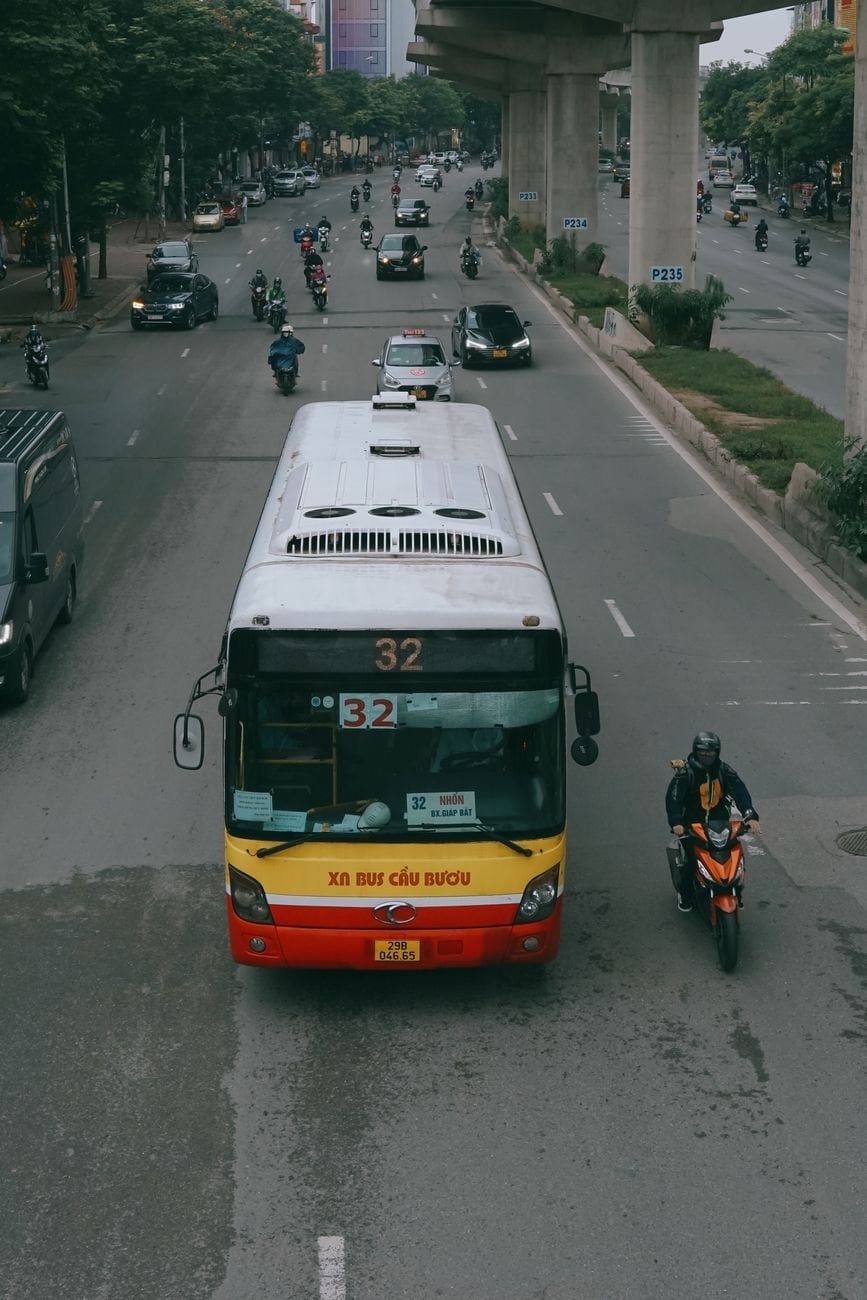
A 2017 study from researchers at the University of California asked participants to take photos during a bus tour of Philadelphia and others not to photograph at all. The photography group reported higher enjoyment of the experience — not lower.
The researchers’ explanation: photographing prompted participants to actively look for things worth photographing, which increased their engagement with what was around them. The non-photographers, freed from the task of documentation, sometimes disengaged from the experience in a different way — they had nothing to organize their attention around.
This finding has been partially replicated and partially contradicted by subsequent studies. The current consensus is something like: the relationship between photography and enjoyment is highly context-dependent, moderated by the type of experience, the individual’s relationship with their phone, the amount of social pressure around photographing, and whether photographs are later reviewed.
Neither camp wins clean.
What Kind of Photographing Actually Increases Enjoyment
The research is cleaner when it distinguishes by type of photography rather than treating it as a binary.
Photography that tends to enhance experience:
- Deliberate composition — taking time to frame a shot rather than rapid-fire capturing
- Photography of details, not just establishing shots — zooming in on texture, color, one element
- Photography as selection — consciously choosing what is worth capturing versus what isn’t
- Later review — people who looked back at their photos reported higher trip satisfaction than those who didn’t
Photography that tends to diminish experience:
- Social media pressure — photographing specifically for posting creates a performance anxiety layer
- High-volume passive capture — taking photos of everything as a form of documentation without engagement
- Phone checking while photographing — the camera as an entry point to notifications and distractions
- Photographing primarily for others’ benefit rather than your own
The volume question is important. Researchers found that travelers who took more than 200 photos per day consistently reported lower retrospective enjoyment than those who took 30–80. Something about the sheer accumulation creates a management burden and disconnects the act of photography from actual attention.
The Social Variable Nobody Factors In
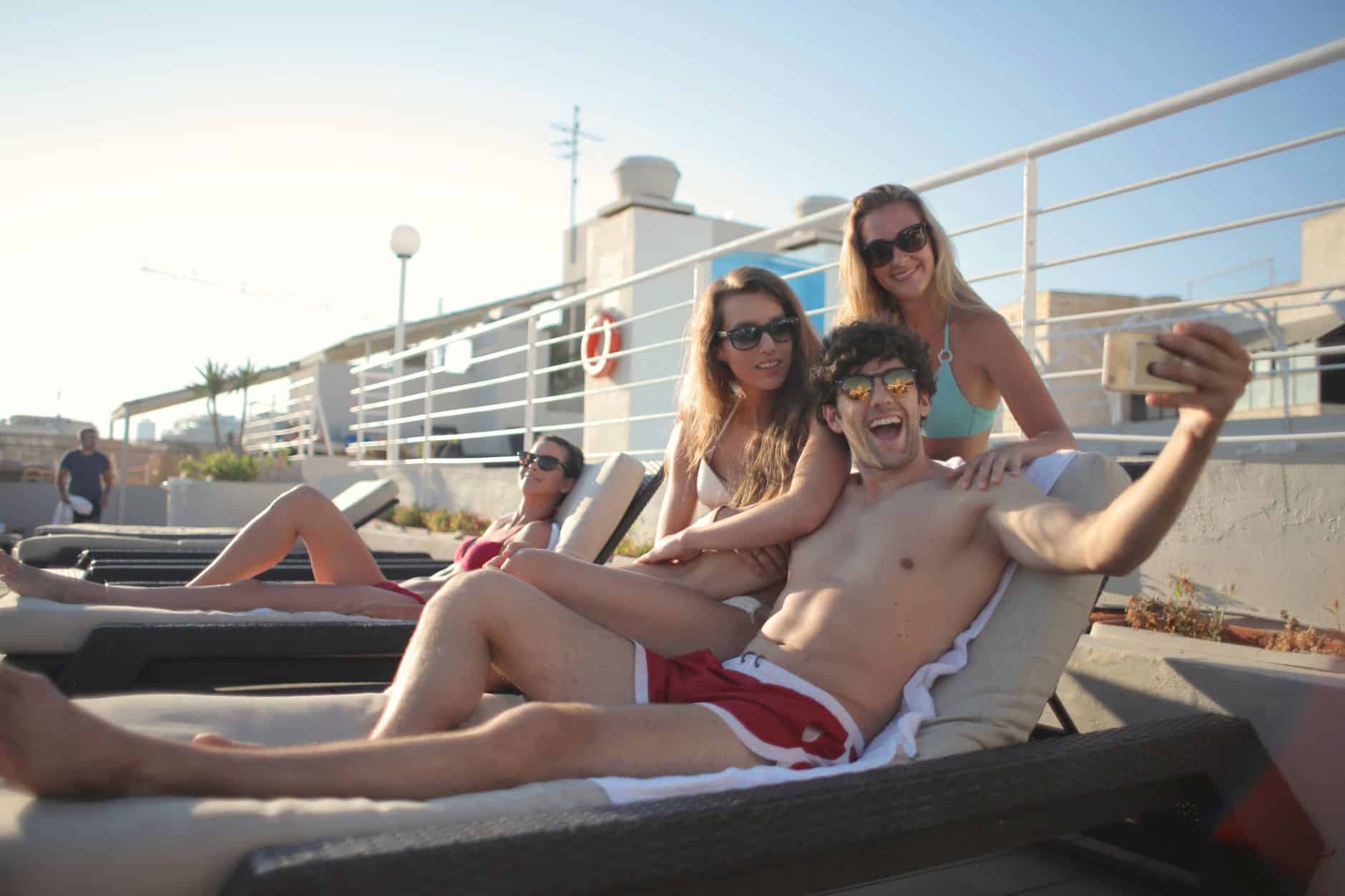
Photographing a travel experience with someone else adds a dimension the solo-photography studies miss. When two people travel together and one photographs while the other doesn’t, the photographer is partially capturing the experience for the non-photographer as well — a gift economy that changes the psychology of the act.
Studies on shared photograph review (looking at trip photos together after returning) found that this activity produced some of the highest happiness measures of any post-travel behavior. The photographs aren’t just memories; they’re a shared language for re-entering an experience with someone you were there with.
This may explain why heavy photographers in couples often describe their behavior as a form of care — “I take the photos so we’ll both have them” — while their partners sometimes experience it as absence during the trip itself. Both things can be simultaneously true.
What People Remember vs. What They Actually Experienced
Memory research draws a sharp distinction between experienced utility (how something felt while it was happening) and remembered utility (how you feel about it when you look back). Nobel laureate Daniel Kahneman’s work showed these are often different, and the remembered version doesn’t simply average the experienced moments — it overweights the peak and the ending.
For travel, this means: a trip that had several extraordinary moments and a good ending will be remembered as a great trip, even if large portions of the middle were uncomfortable, boring, or forgettable.
Photographs affect remembered utility more than experienced utility. A photo of a perfect moment doesn’t change how that moment felt — but it can shape how you remember the whole trip five years later. This is the strongest argument for selective, intentional photography: not to improve the experience, but to curate the memory.
The person who photographs 2,000 things has outsourced memory entirely. The person who photographs nothing relies on a brain that will aggressively and invisibly edit the experience. The person who photographs fifty things deliberately may have given their future self the most accurate and emotionally resonant record of what actually happened.
A More Honest Framework for How to Photograph Travel
The research doesn’t produce a single prescription. But it does suggest some principles that consistently show up as associated with higher satisfaction:
- Photograph what genuinely surprises or moves you, not what you feel obligated to document
- Leave the camera away for experiences that are primarily emotional — meals, conversations, sunsets you want to actually feel
- Take your time composing individual photos rather than capturing dozens of the same scene
- Review your photos together after the trip — this appears to be where much of the value is actually realized
- If you’re with other people, occasionally photograph them in unposed moments rather than arranging every shot
- Resist the compulsion to post during the trip — the social performance element appears to consistently reduce enjoyment of the experience itself
Neither the person who photographs everything nor the person who photographs nothing has it perfectly figured out. The research suggests both are partly optimizing for something real, and both are giving something up. What they’re giving up, and whether it’s worth it, depends on what they’re actually there for.