People Pay to Tour Chernobyl, Auschwitz, and the Killing Fields Every Year. Researchers Are Still Arguing About Whether That’s Healthy
We may earn money or products from the companies mentioned in this post. This means if you click on the link and purchase the item, I will receive a small commission at no extra cost to you ... you're just helping re-supply our family's travel fund.
Dark tourism, travel specifically to sites associated with death, disaster, and atrocity, has grown from a niche academic curiosity into a recognized and sizable segment of the global travel industry. Auschwitz-Birkenau draws more than 2 million visitors a year. Chernobyl’s exclusion zone has become a legitimate tour circuit out of Kyiv. The Killing Fields outside Phnom Penh, the 9/11 Memorial in New York, and Ground Zero sites from wars and genocides around the world all pull steady visitor numbers, and researchers across multiple disciplines have spent the last two decades trying to figure out what exactly draws people there, and whether that draw is something to be concerned about.
The Academic Field Is Bigger Than the Term Suggests
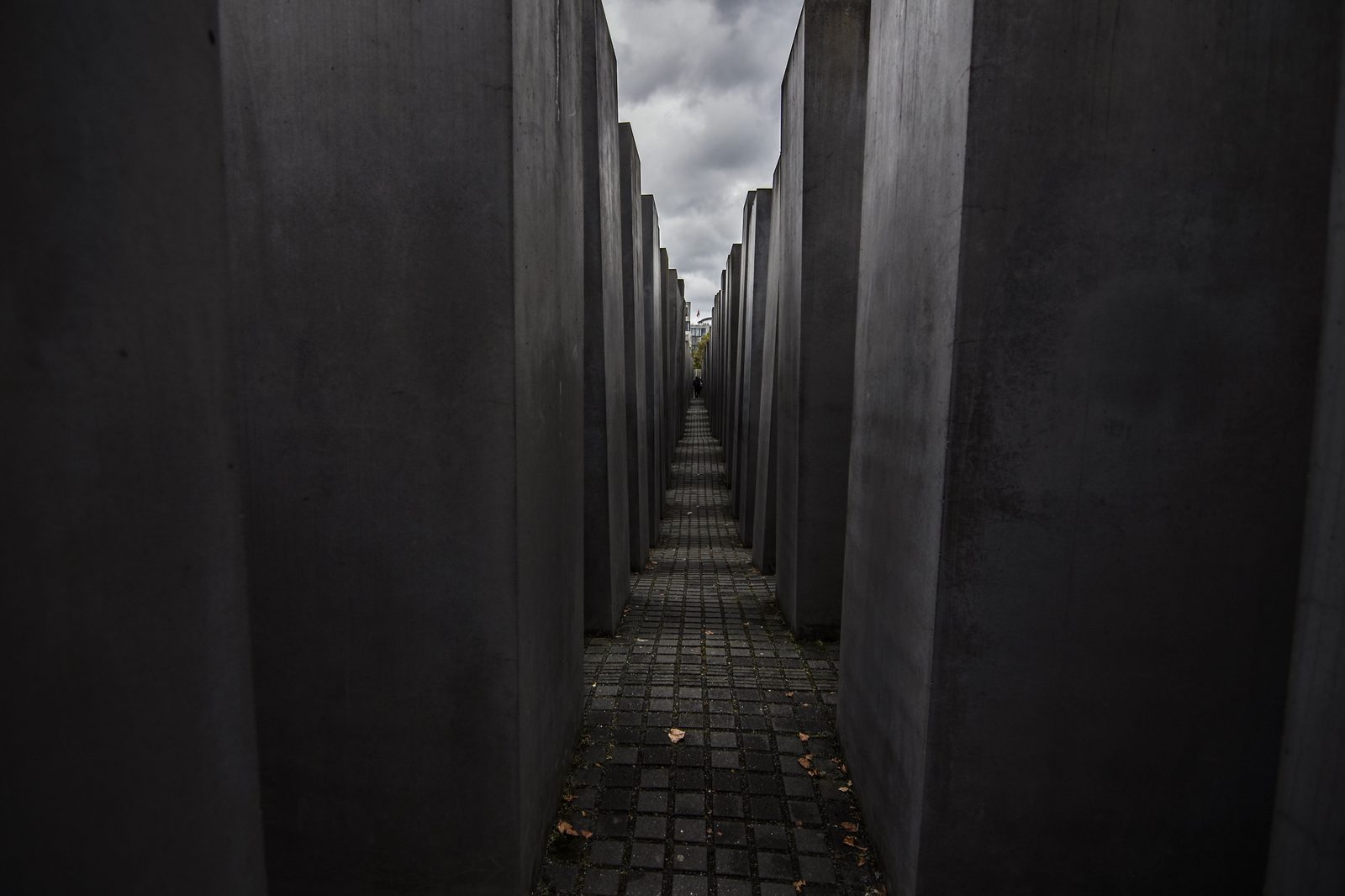
The term dark tourism was formalized academically in the 1990s, and the field has since split into related concepts including thanatourism, travel specifically motivated by an interest in death, and grief tourism, travel to sites of recent tragedy. A 2017 review of the field’s progress, published through Bournemouth University, traces how the field moved from treating dark tourism as a single unified phenomenon toward recognizing it as a spectrum, ranging from sites with almost no death association marketed with dark branding, to sites of genuine, documented atrocity where the entire purpose of the visit is remembrance and education.
Research on visitor motivation, including a study hosted through Theseus, the Finnish repository for applied sciences research, has found that people visit dark tourism sites for a range of reasons that rarely reduce to simple morbid curiosity: a desire to understand history more viscerally than a textbook allows, a sense of moral obligation to bear witness, personal or ancestral connection to the events, and in some cases genuine educational purpose tied to formal coursework or professional training.
The Ethics Question Researchers Keep Returning To
A study on moral disengagement in liminal spaces, published through the University of Groningen, examines a specific ethical concern: that the physical and psychological distance built into a tourist experience, buying a ticket, following a guide, taking photos, can allow visitors to disengage morally from the weight of what they are witnessing, treating a site of mass death with the same consumer detachment they might bring to any other attraction. This is the core tension dark tourism scholars keep circling back to. The sites themselves are not the problem. How visitors are prepared to encounter them, and how they behave once there, determines whether the visit functions as meaningful remembrance or as a troubling form of entertainment.
- Auschwitz-Birkenau draws more than 2 million visitors annually
- The academic field distinguishes dark tourism from thanatourism and grief tourism as related but distinct concepts
- Visitor motivations documented in research include bearing witness, education, and ancestral connection, not just curiosity
- Researchers identify moral disengagement, the tourist detachment that can accompany ticketed access, as a central ethical risk
A Practical Framework for Visiting Responsibly
The Travel Psychologist has laid out a practical framework summarized as three A’s, according to its guidance on whether dark tourism can be ethical: acknowledge the history and the trauma of the victims, be aware of the rules, customs, and cultural context associated with the site, and act responsibly, following posted guidelines like photography restrictions and behaving with restraint rather than treating the site as a backdrop for casual content. The guidance specifically warns against experiences that lean toward entertainment or spectacle rather than remembrance, and recommends visitors do research beforehand so they arrive emotionally prepared rather than encountering the weight of the site for the first time in the moment.
How Local Communities Experience Being a Dark Tourism Site
Much of the academic debate around dark tourism focuses on the visitor’s psychology, but a growing share of the research has shifted toward the perspective of communities who live alongside sites of atrocity that have become tourist attractions. Residents near sites like Chernobyl’s exclusion zone or former concentration camps often have complicated, sometimes conflicting relationships with the tourism their community’s tragedy generates, since the same visitor traffic that can fund preservation and memorialization can also, without careful management, reduce a site of genuine trauma to a stop on a checklist, photographed and moved past within twenty minutes.
Well-managed sites tend to share specific structural features: trained guides who provide historical context rather than simply narrating shock value, clear rules around photography that prevent visitors from taking selfies in ways that trivialize the site, and museum or visitor center components that frame the physical site within a broader historical narrative rather than presenting it as an isolated spectacle. The difference between a dark tourism site that functions as meaningful education and one that functions as morbid entertainment often comes down to these specific curatorial choices, not to the underlying history itself, which suggests the sites’ managers carry as much ethical responsibility as the visitors do.
Cambodia’s Killing Fields memorial sites offer a useful comparison point, since they are managed directly by survivors’ organizations and the Cambodian government specifically to center victim testimony rather than visitor spectacle, with audio guides built around survivor accounts rather than dramatized narration. Sites managed this way, where the community most affected by the history retains direct control over how it is presented, consistently score better in academic assessments of visitor impact than sites where an outside operator controls the narrative purely for commercial tour revenue, reinforcing the idea that who curates a dark tourism site matters as much as the history itself.
A related body of research reviewed in a systematic review published in Heliyon has looked specifically at Holocaust-related dark tourism and its relationship to visitor well-being, finding that visits conducted with adequate preparation and context tend to produce meaningful reflection rather than lasting psychological distress. The takeaway across this body of research is not that dark tourism should be avoided. It is that the value of the experience depends almost entirely on the intention and preparation the visitor brings with them, a responsibility that sits with the traveler as much as with the site itself.