Duluth Got 4 Million Visitors Last Summer. The People Who Live There Have Mixed Feelings About It
We may earn money or products from the companies mentioned in this post. This means if you click on the link and purchase the item, I will receive a small commission at no extra cost to you ... you're just helping re-supply our family's travel fund.
Duluth, Minnesota sits at the western tip of Lake Superior where the St. Louis River meets the greatest of the Great Lakes, and it has one of the most dramatic urban landscapes in the Midwest: hillside neighborhoods stacked above the harbor, the ship canal with its aerial lift bridge raising for 1,000-foot freighters, and a waterfront that combines industrial heritage with one of the largest freshwater lakes on Earth. For decades, it was the kind of place that Minnesotans knew about and everyone else overlooked. That changed.
What Duluth’s Tourism Surge Did — the Good and the Rest
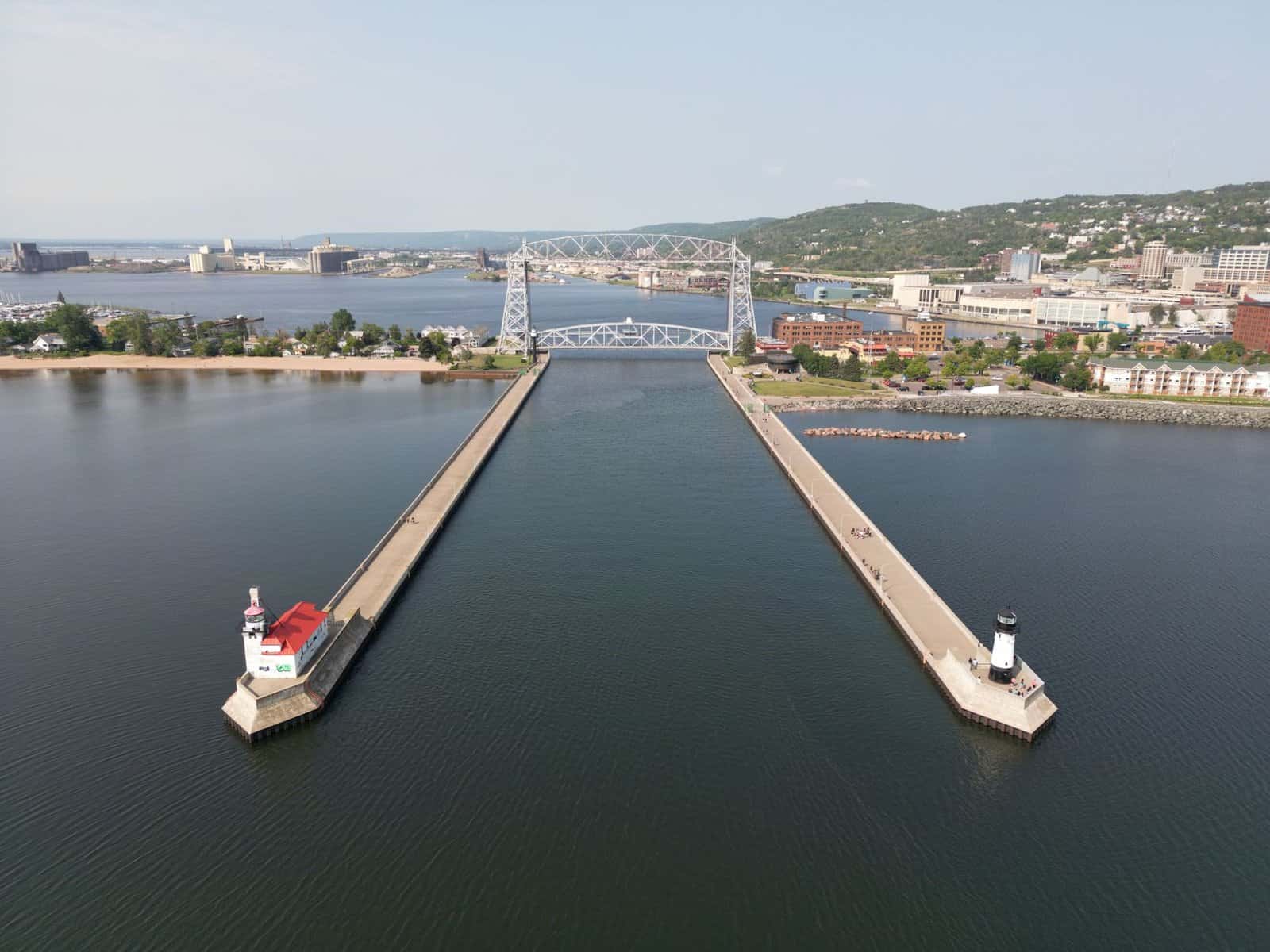
The number of visitors to Duluth has grown dramatically over the past decade — driven by the combination of Canal Park’s development as a tourist district, the explosion of outdoor recreation coverage of the Superior Hiking Trail, and the discovery that Lake Superior is cold enough on its western shore to provide genuine summer relief from midwestern heat. In a region where summers can be brutal, Duluth averages July highs of 75°F and lake breezes that keep Canal Park comfortable on days when Minneapolis is sweltering at 92°F.
What the Tourism Economy Built
- Canal Park went from marginal to destination, with hotels, restaurants, and the maritime museum now generating significant economic activity
- The Lakewalk trail connecting Canal Park to the neighborhoods east and west created a recreational corridor that changed the downtown experience
- The craft brewery scene — Bent Paddle, Castle Danger, Hoops — gave Duluth a beer tourism identity that drew visitors specifically for that purpose
- Hotel development brought accommodation options that didn’t exist a decade ago
What Locals Are Actually Saying
Long-term Duluth residents are experiencing the same ambivalence that characterizes communities that became tourism destinations faster than their infrastructure and housing market could adapt. Canal Park on a July weekend is a parking nightmare. Housing prices in the neighborhoods east of downtown — Congdon, Lakeside — have risen significantly. The trails that residents used recreationally are now busy with visitors on peak weekends. The economic benefits are real and broadly acknowledged. The sense that the city changed in ways that weren’t entirely chosen is also real.
How to Experience Duluth Beyond Canal Park
The tourist layer of Duluth is concentrated in Canal Park and a few miles of waterfront. The city extends far beyond it: the steep hillside neighborhoods above downtown, the Lincoln Park craft district with its concentration of local businesses, the Great Lakes Aquarium, and the Superior Hiking Trail access points north of the city. Gooseberry Falls State Park, 40 miles northeast on MN-61, is one of the finest state parks in Minnesota and draws far fewer visitors than Canal Park despite being more spectacular. The entire North Shore drive — MN-61 from Duluth to the Canadian border — is one of the most dramatic drives in the upper Midwest and takes most visitors through it as a day trip that doesn’t require competing for Canal Park parking.
Duluth’s transformation is net positive by most measures — the economic base is more stable, the city is more physically maintained, and the national visibility has attracted talent and investment. The tension is real too. It’s the tension of any place that gets found: the version that made it worth finding is under pressure from the finding itself. Visit, and pay attention to more than Canal Park.