What Happens to a Ski Town When the Snow Melts — The Identity Crisis Nobody Warns You About
We may earn money or products from the companies mentioned in this post. This means if you click on the link and purchase the item, I will receive a small commission at no extra cost to you ... you're just helping re-supply our family's travel fund.
This article contains affiliate links. If you book through our links, we may earn a commission at no additional cost to you.
Drive into a major ski town in late April, a few weeks after the lifts have closed, and you’ll notice something disorienting. The parking lots are empty. Half the restaurants have hand-written signs that say “See you in November!” The gondola hangs motionless over the base village. The streets, which six weeks ago were full of people in colorful technical jackets, are nearly deserted.
This is the reality behind the image of mountain resort towns that nobody in a ski trip brochure is selling you. The season is vivid and profitable and brief. What comes after it is more complicated — economically, socially, and existentially — than most people who’ve only visited in winter would imagine.
The Day the Season Ends
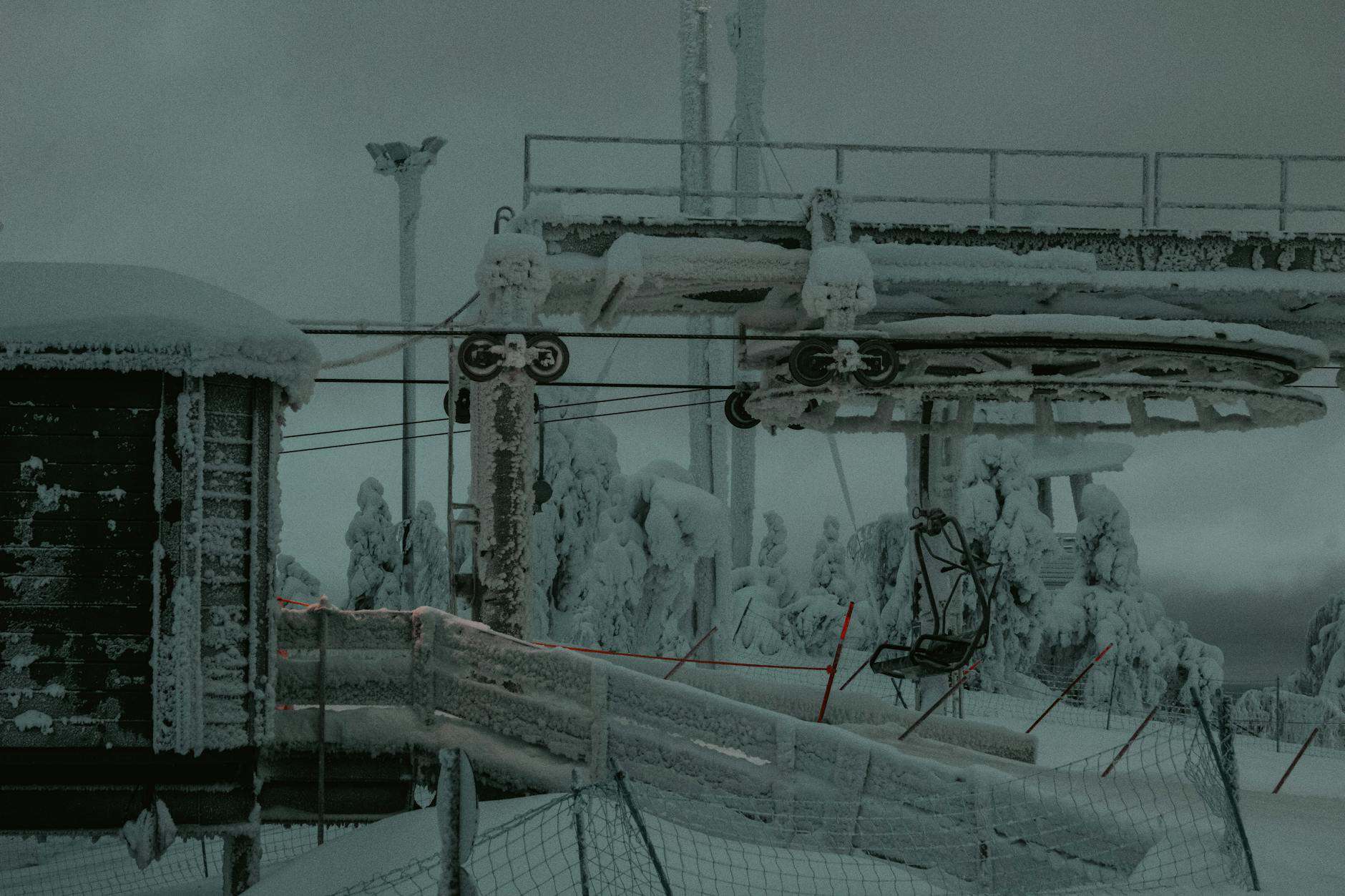
Closing day at most ski resorts is part ritual, part wake. There are usually themed costumes, discounted lift tickets, and a party at the base that has the particular energy of a last night in a city you’re leaving. People who’ve spent the winter working the mountain gather to ski one final run together, because after this there’s nothing to gather for.
Within two weeks, the transformation is dramatic. Hotels that ran at 90% occupancy are now at 15% or empty. Restaurants that had hour-long waits are dark. Seasonal employees — lift operators, ski instructors, rental shop staff, food workers — begin trickling out toward wherever they go next. Some have been planning their next destination for months. Others don’t know yet.
The locals who remain — the people for whom this is actually home rather than a seasonal posting — describe this period with a mix of relief and melancholy. Relief because the town is theirs again. Melancholy because the town is theirs again, and it’s very quiet.
Who Actually Lives There Year-Round
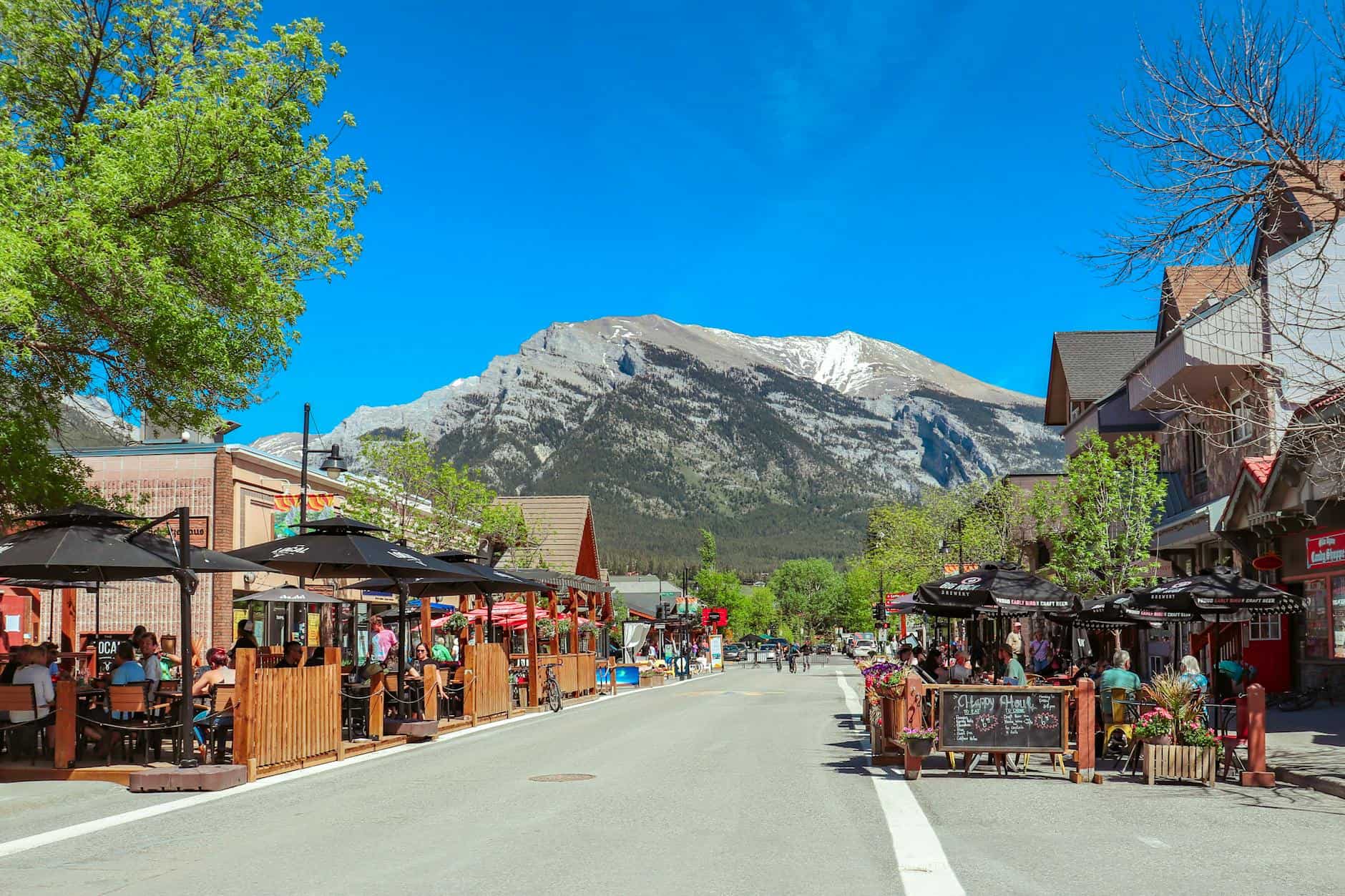
The year-round population of major ski towns is often much smaller than the peak-season presence suggests. Park City, Utah had a full-time population of around 8,000 as of recent census data — but its peak winter weekend population swells to multiples of that. Telluride, Colorado has a permanent population of under 2,500. Vail’s actual resident population is under 5,000, in a valley that accommodates far more than that in high season.
Who stays year-round is an interesting social cross-section:
- Generational locals — families who’ve been in the valley since before the resort arrived, sometimes going back several generations. They tend to work in trades, utilities, and services. They often have complicated feelings about what their town has become.
- Business owners and managers — the people who own or operate the restaurants, shops, and services. They stay because they have to, and because summer gives them a chance to renovate, rest, and plan.
- Committed lifers — people who moved to the mountain town for skiing or outdoor recreation in their twenties and simply never left. They work in multiple seasonal capacities, piece together income across industries, and have often solved housing in unconventional ways.
- Wealthy second-home owners — not truly residents in any meaningful sense but a significant presence in the housing market that affects everyone else.
What these groups share is a relationship to the landscape rather than the resort. They live in mountain towns because of where the towns are, not what season it is.
The Economic Model That Only Works Half the Year
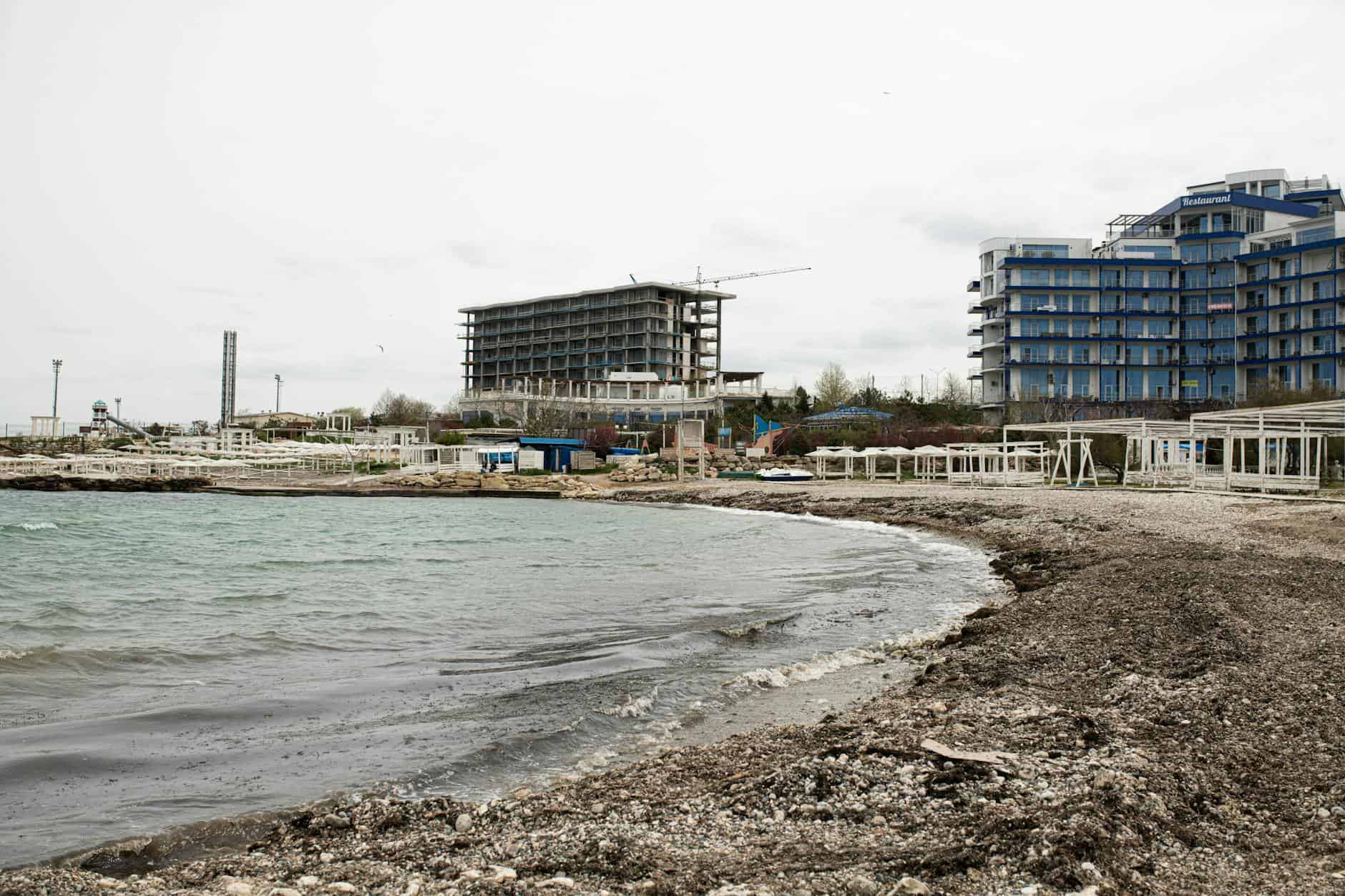
The financial architecture of a resort ski town is brutally concentrated. At major mountains, a significant percentage of annual revenue is earned in a window between Thanksgiving and early April — roughly 18 to 20 weeks. Businesses that require 12 months of overhead to stay alive must generate enough surplus in those 18 weeks to carry them through 34 weeks of much lower activity.
This math produces a few recurring phenomena:
- Off-season prices that don’t reflect off-season traffic — some businesses keep prices high in summer because they need to, not because demand supports it
- Businesses that don’t open in summer at all — it doesn’t pencil out
- Restaurants operating on reduced menus and staffing that makes them feel hollow compared to their winter selves
- Property taxes set to the high valuation of winter-season properties, which year-round working residents must pay regardless of what month it is
The municipality itself faces versions of this problem. Roads, water systems, and infrastructure must be maintained year-round. Emergency services must be staffed year-round. But the tax base that funds them is largely generated by part-year residents and seasonal visitors.
The Summer Tourism Gamble
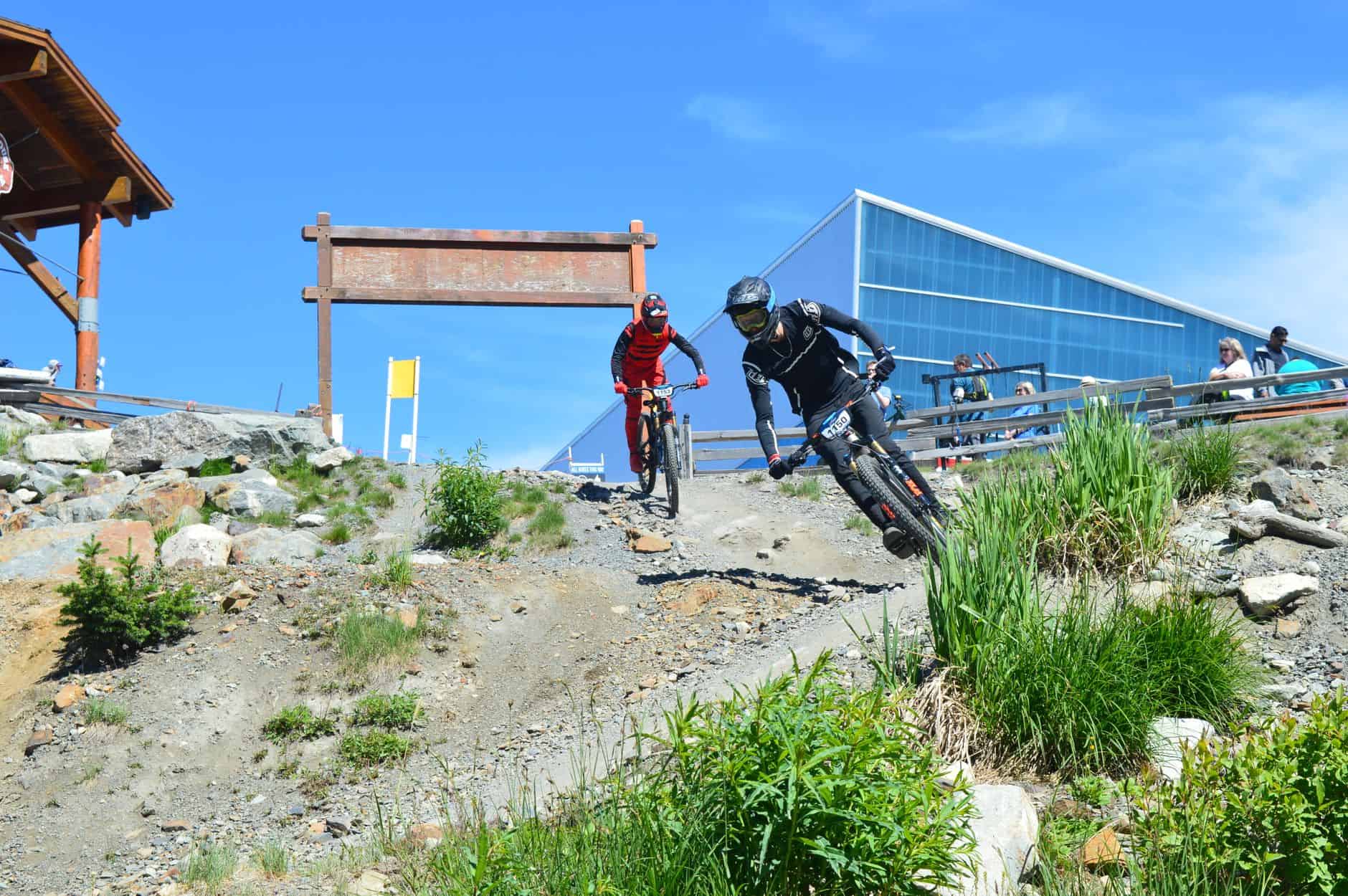
Every major ski resort has been working on this problem for decades: how do you get people to come in summer? The answers have involved mountain biking infrastructure, hiking trail networks, music festivals, food and wine events, yoga retreats, and scenic gondola rides that charge a fraction of their winter ticket price.
Some resorts have succeeded at building genuine summer identities. Whistler, British Columbia built a world-class mountain bike park that draws dedicated riders from across North America. Steamboat Springs developed a summer camping and hiking culture that sustains a meaningful off-season. A handful of Colorado resorts now describe their summer operations as genuinely profitable rather than just “better than nothing.”
But the fundamental challenge remains: skiing produces a visceral urgency that has no summer equivalent. People drive hours and pay thousands of dollars for the specific experience of skiing down a mountain. Mountain biking is wonderful, but the percentage of the population that will travel specifically for it is a fraction of the skiing market. Summer festivals draw people, but they draw them for one weekend rather than one week.
The towns that have done best in summer tend to be the ones that stopped trying to replicate the winter energy and instead developed something authentically different — slower, more residential, more focused on the landscape itself than on any specific activity.
What Housing Looks Like in a Town That Can’t Afford to Live There
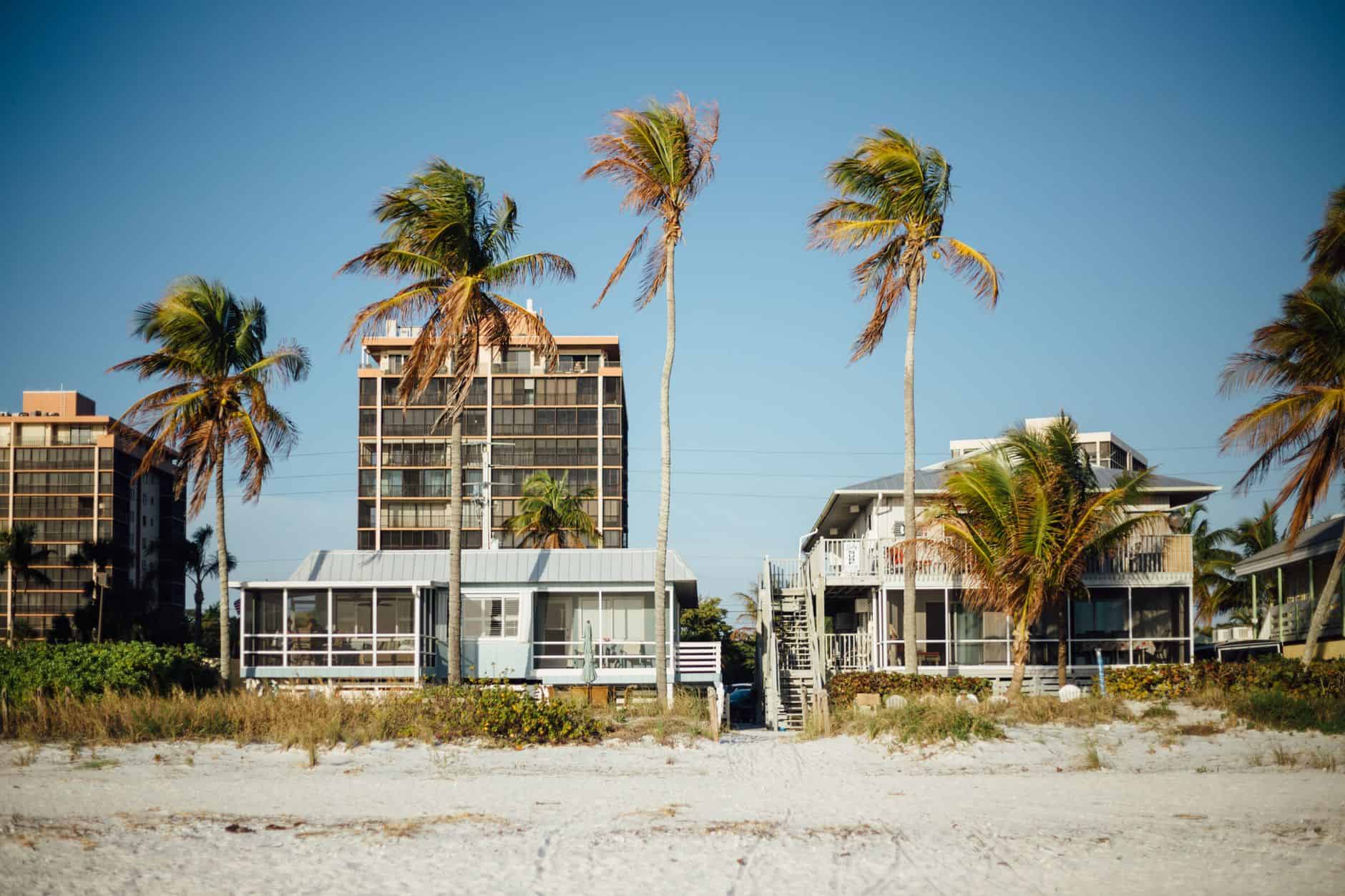
The housing situation in major ski towns has become a defining crisis of the past decade. Land scarcity, high demand from wealthy buyers seeking vacation homes, and the global visibility of resort towns as investment properties have combined to produce housing markets that are functionally inaccessible to the working population.
Median home prices in Telluride, Park City, Aspen, and Jackson Hole have crossed $2 million. The workers who staff the lifts, teach the lessons, serve the food, and plow the roads cannot afford to live anywhere near these prices. The result is a workforce that commutes 30–90 minutes each way from more affordable valleys, or that lives in dormitory-style employee housing provided by resort operators.
Some communities have passed local housing ordinances, deed restrictions, or workforce housing programs. These help at the margins. The structural issue — that the land and property in resort towns has become an asset class disconnected from local wages — is not solved by any of these measures.
The irony is visible in summer, when the expensive condos and second homes sit empty and the workers who kept the resort running have dispersed elsewhere because they couldn’t afford to stay.
The Seasonal Worker Question — Where Do They Go?
The workforce that runs ski resorts during winter lives a life of deliberate transience that most visitors never think about. Lift operators, ski patrol, rental shop employees, ski instructors — a significant portion of them work this resort in winter and another resort or another industry in summer. They follow the seasons professionally.
For many, the pattern is ski resort in winter, national park or rafting company or summer resort in summer. They’ve built lives explicitly structured around seasonal mobility, and they’ve become very good at it. They know which resort towns have adequate employee housing, which management styles are tolerable, which mountains have the most rewarding off-day skiing.
Some age out of this lifestyle in their thirties or forties when it becomes incompatible with relationships, health insurance, or retirement savings. Others never do. There’s an entire culture of “ski bums” who’ve made this work for decades, though they tend to hate the term.
What these workers give the resort is experience, skill, and genuine passion for the mountain environment. What the resort rarely gives them back is stability, benefits, or any path to living in the community year-round.
The Towns That Solved It and the Ones Still Trying
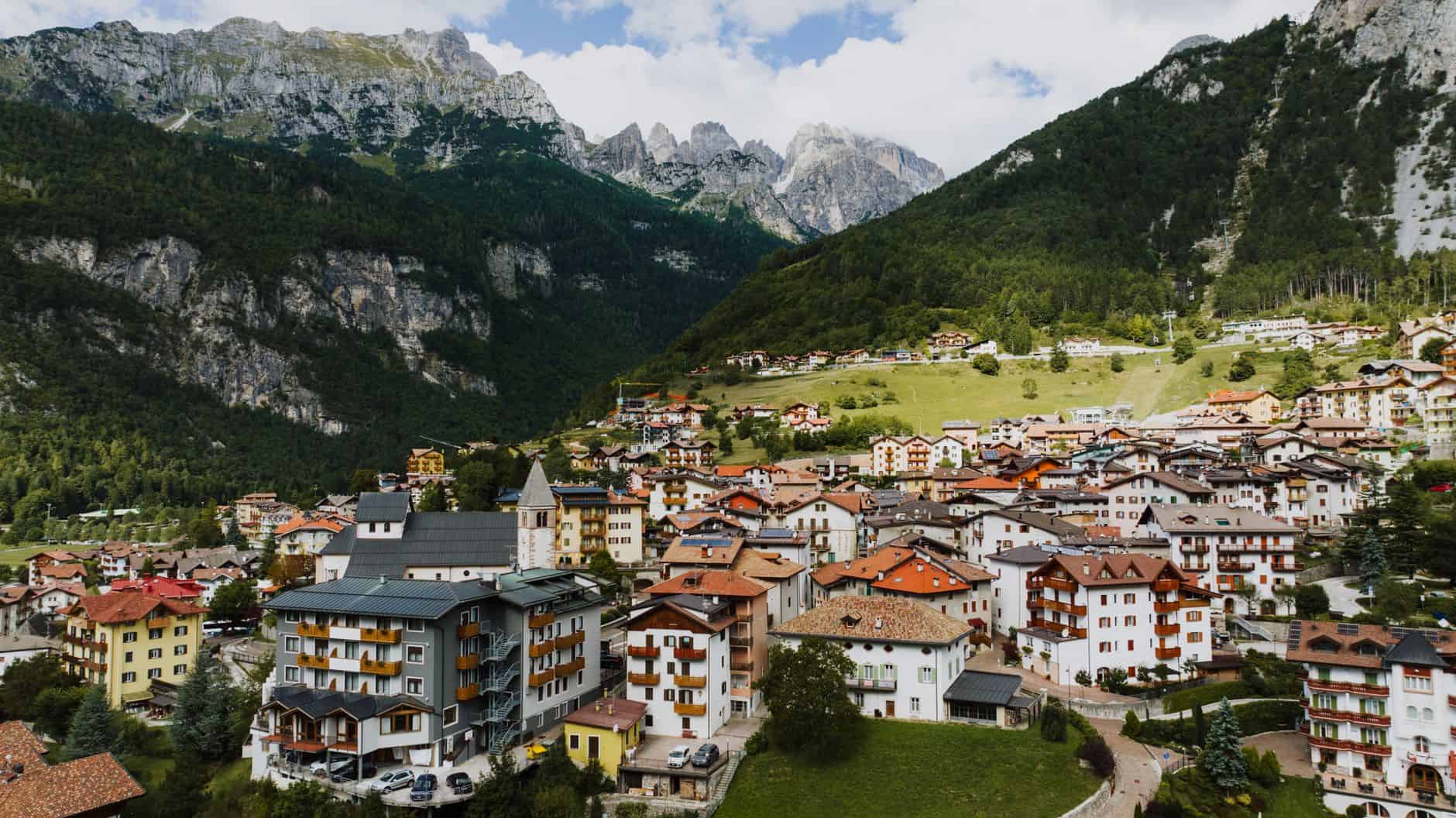
Town character in summer varies enormously. Some ski towns feel genuinely alive off-season — the hiking and biking infrastructure is real, the restaurant scene maintains itself, the cultural calendar continues. Others feel like sets for a production that’s been closed down.
The towns that tend to maintain summer life share some characteristics:
- A year-round resident base large enough to sustain local businesses without tourist traffic
- Geographic access that makes them reasonable day or weekend destinations for regional populations
- A summer identity that was developed intentionally over time rather than as an afterthought
- Local ownership of restaurants and businesses that allows for off-season flexibility
Towns that struggle in summer often have the opposite profile: very high second-home concentration, almost entirely visitor-dependent economies, and resort infrastructure sized for winter volumes that simply doesn’t make sense in July.
What Summer Reveals About What These Places Actually Are
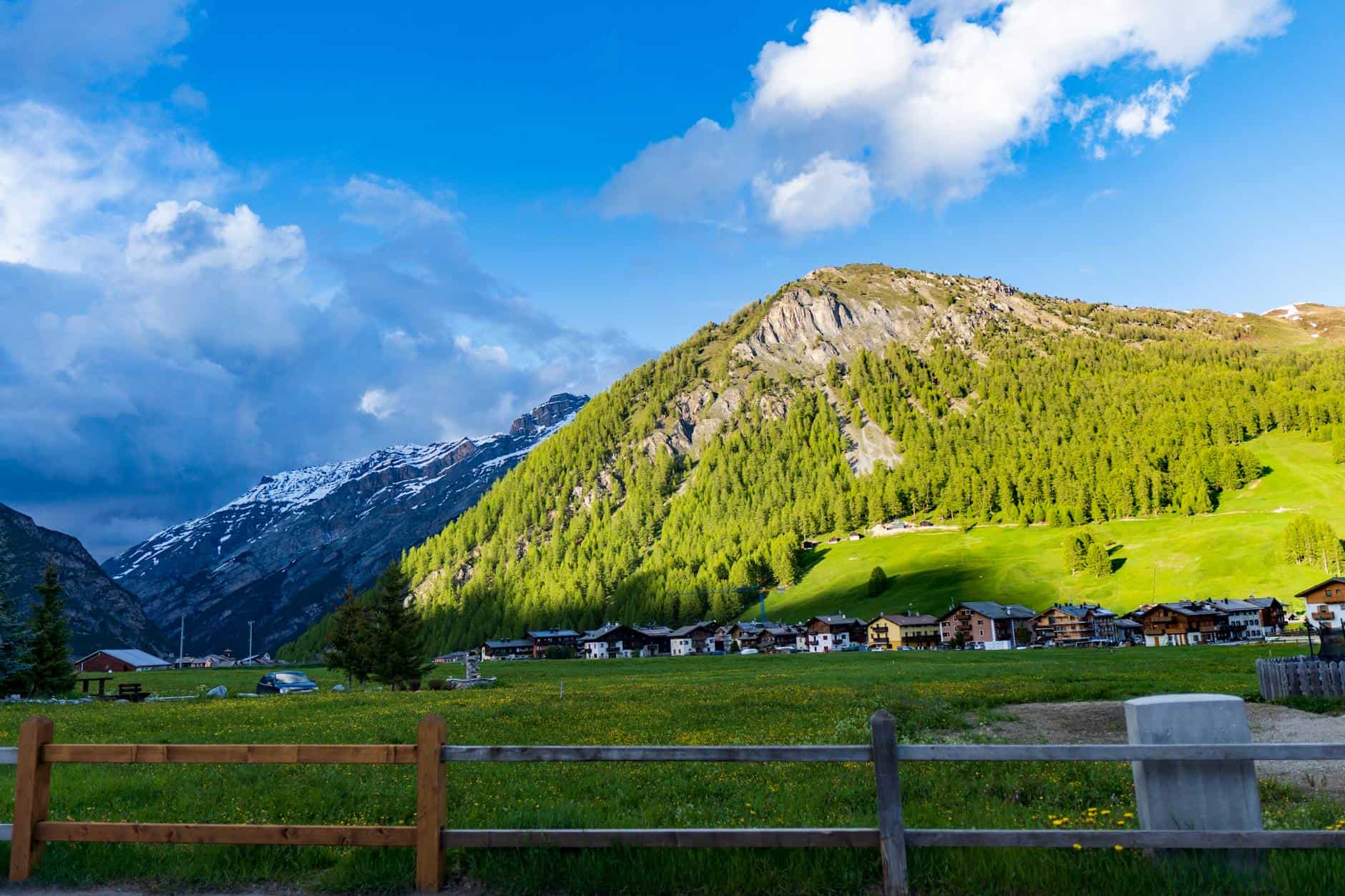
There’s an argument that summer is when mountain towns show their real face. Without the crowds and the energy of peak season, what remains is the actual community — its size, its character, its contradictions.
Some of what summer reveals is genuinely beautiful. The mountains are spectacular in July. The hiking is extraordinary. The wildflowers on high-altitude meadows are something the ski brochures never show you. The pace is slower in a way that many people who visit in summer find more restorative than the winter rush.
What it also reveals is the fragility of an economic model that puts everything into one basket. A ski town is, at its core, a place built around a specific weather pattern and a specific leisure activity. When that activity isn’t happening, the town has to find other reasons to exist — or acknowledge, honestly, that it’s really a seasonal place playing at being a year-round one.
The most honest ski town locals will tell you: summer is for us. It’s when we remember why we actually live here. The mountain is still there, the trails are open, and there are a few thousand of us instead of tens of thousands. It’s the version of the place we’d choose if we could. It just doesn’t pay the bills the way January does.