What Visiting the Country Your Family Left Behind Actually Does to You
We may earn money or products from the companies mentioned in this post. This means if you click on the link and purchase the item, I will receive a small commission at no extra cost to you ... you're just helping re-supply our family's travel fund.
This article contains affiliate links. If you book through our links, we may earn a commission at no additional cost to you.
For many Americans, a “home country” is a story they’ve been told rather than a place they’ve been. It lives in the dishes their grandmother made on holidays, in photographs that exist in sepia and then stop, in names and words from a language that arrived in America and then slowly faded. The actual country — the one that exists right now, with its current politics and traffic and changed landscape — is a different thing entirely.
When people make the trip to the place their family came from, they almost universally report being surprised. Not because the trip was bad. But because the surprise itself arrives in directions they didn’t anticipate.
The Country That Existed Only in Stories
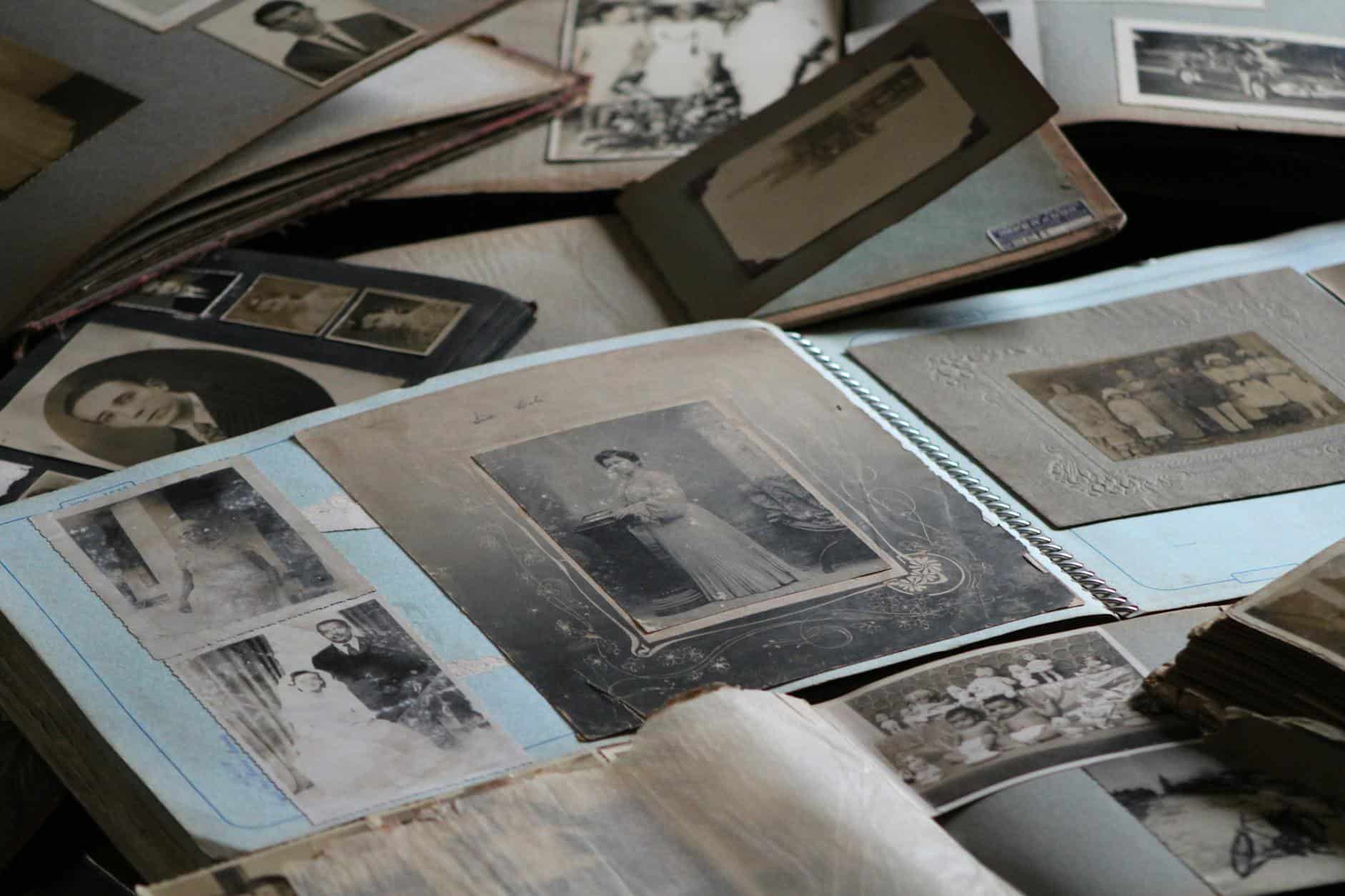
The inherited homeland is almost always a past-tense place. Grandparents and parents who emigrated remember what the country was — what the market smelled like, what the neighborhood looked like, how specific foods tasted — at the moment they left. That version of the country has been preserved in amber in the stories they tell. It doesn’t update.
So the first-generation child or grandchild who finally makes the trip is often visiting two countries simultaneously: the real, present-tense one they’re standing in, and the fossilized version that exists in family memory. The collision between these two things is the central experience of the trip, and it happens constantly.
A third-generation Mexican American visiting a village in Oaxaca her grandmother described finds that the village has changed entirely — many of its young people have themselves emigrated, the local economy has shifted, the specific house is gone. A second-generation Vietnamese American in Hanoi discovers that the city is thoroughly modern, that her relatives are solidly middle class, and that the country her parents fled in fear is something almost unrecognizable to what those parents describe.
This gap is not a betrayal. Countries change. But the emotional weight of standing in a real place and feeling the story unravel — feeling it become more complicated and less certain — can catch people completely off guard.
The Moment the Gap Becomes Visible

Most people describe a specific moment during the trip when the dissonance fully lands. It’s usually something small and concrete rather than a grand revelation.
Arriving at an airport that’s modern and busy when you’d half-imagined something humble. Walking through a neighborhood that is now a tourist district when your grandfather described it as working-class. Tasting the “authentic” version of a dish your family made and finding it different enough from your version that you have to recalibrate what “authentic” even means.
For many people, this moment comes when they meet relatives who stayed. The relatives who stayed are, in almost every case, different from what was imagined. They’re not struggling versions of the family that left — they’re people who built entire lives within the country, who have their own context and references and opinions, who see the emigrant branch of the family through their own filter, which is often a complex mix of admiration and something that might be resentment.
What Relatives Who Stayed Actually Think of You

This is the part of the ancestral homeland trip that people talk about least, possibly because it’s the most uncomfortable.
Relatives who remained often carry complicated feelings about relatives who left. The family that emigrated may have sent money back, or they may not have. They may have prospered visibly — and that prosperity, when an American cousin shows up speaking halting family language and carrying a nice camera, is not always a simple thing to witness.
Some of what stays relatives feel comes through:
- Genuine warmth and pride in the visiting cousin’s success, along with the unspoken acknowledgment that they built something here too
- A slight impatience with nostalgia for a version of the country that no longer exists — they live in the present version
- Curiosity about America that runs alongside a skepticism about whether Americans understand what the world outside America is actually like
- Occasional resentment toward the mythology of emigration — the idea that those who left were somehow braver or luckier, when those who stayed also made a choice
This isn’t universal. Some family reunions are warmly uncomplicated. But the ones that aren’t — the ones where something sits in the air between the visiting American and the staying relative — produce the most vivid memories of the trip.
The Language Problem — and What It Costs You

Language is the single most consistent source of both connection and grief in these trips. People who grew up hearing a language but not speaking it fluently — a category that includes enormous swaths of second and third-generation immigrants — arrive in the homeland able to understand fragments, to say certain phrases, to recognize emotional register without fully following content.
This partial fluency is its own strange experience. You’re not a tourist who understands nothing. But you’re not someone who can actually participate in a conversation. You hover in a middle zone where people either slow down and simplify for you — which feels like a kindness that also marks you as outside — or speak at full speed and you nod along to things you’re not certain you’ve understood.
People who spoke the language fluently as children and then lost it through years of English-only schooling describe the trip as something like trying to remember a dream. The language is somewhere inside them. Sometimes full sentences emerge. More often, fragments. The frustration of having lost something you once had, and feeling that loss most acutely in the place where the language is everyone’s native tongue, is reported as one of the most unexpectedly emotional elements of the trip.
The Uncomfortable Third Thing You Become
In America, many children of immigrants spend years navigating two identities — American in some contexts, hyphenated in others. One of the things that makes the homeland trip so destabilizing is discovering that this dual identity doesn’t resolve when you land.
You’re not fully from here. That’s obvious immediately — in the way you walk, in your clothes, in the things you find remarkable that nobody else finds remarkable. But you’re also not the American tourist who is clearly external to the culture. You’re a third thing: someone who has a claim on this place through blood and story but whose actual experience of it is that of a visitor.
This third-thing identity is disorienting in a way that’s hard to describe to someone who hasn’t felt it. You expected to arrive somewhere and feel, finally, a full sense of belonging. Instead you find that belonging is a more complicated category than a place of origin. You can be from somewhere in a genetic and ancestral sense and still be a stranger to the living version of it.
Many people report that this realization — that their identity is genuinely hybrid in a way that no single place resolves — is one of the most significant things the trip taught them.
What Food Does That Nothing Else Can
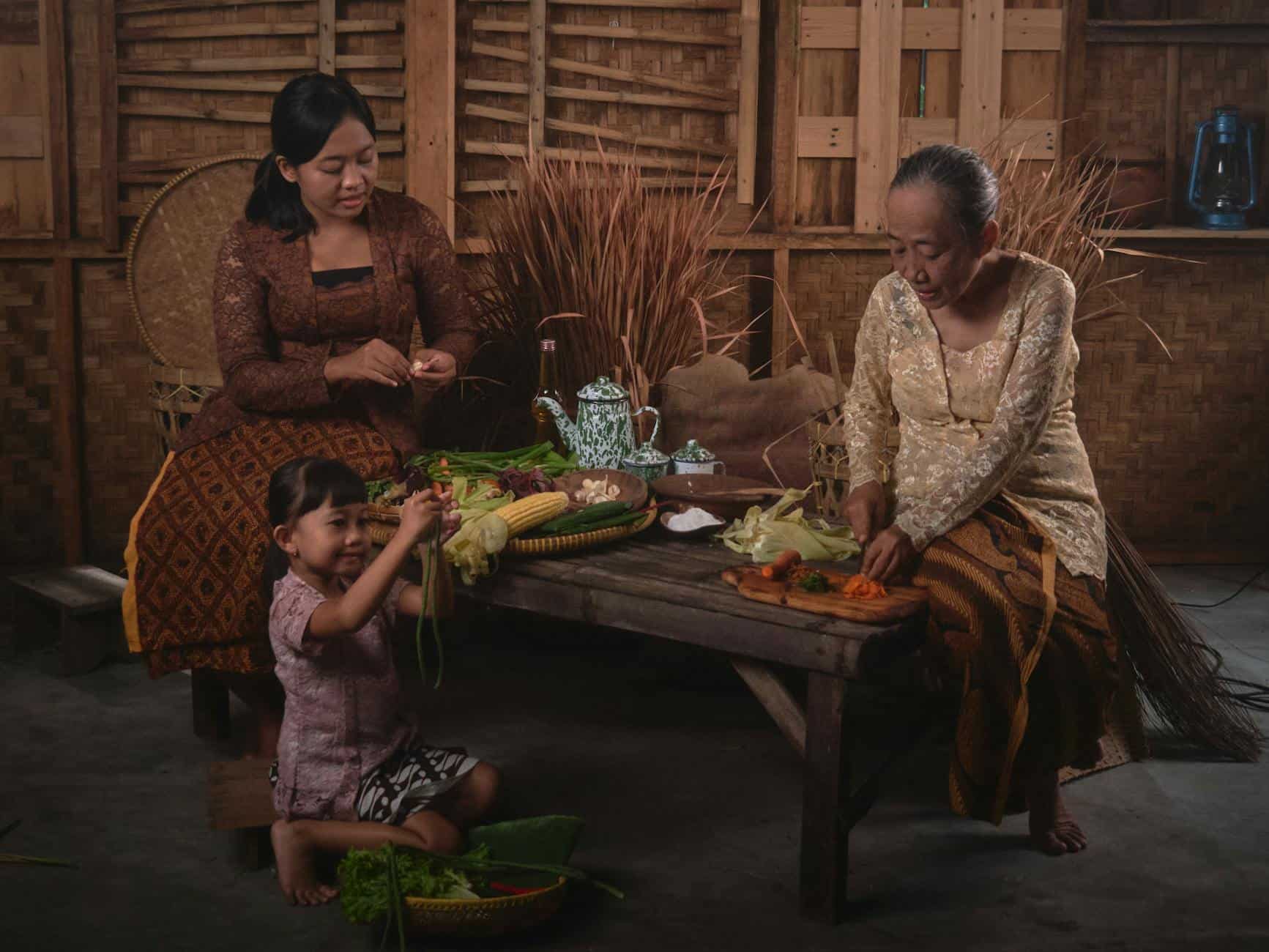
If one thing reliably produces the experience of connection that people were hoping for, it’s food. Not restaurant food, necessarily — the home-cooked version prepared by a relative using methods and ingredients that the family recipe has approximated but never quite matched.
The emotional power of this moment comes up repeatedly across accounts of ancestral homeland travel. The dish you grew up eating was a translation — good, beloved, yours — but this is the original. Tasting the difference, or discovering there isn’t one, or finding that the version you grew up with was actually better, or that this is the version and you’ve been missing it your whole life: all of these produce strong emotional responses.
Food doesn’t require fluency. It doesn’t require resolving who you are or where you belong. It operates on a different register — sensory, immediate, non-verbal. For a few minutes around a table, the complexities of identity and belonging and language and history can be set aside for something simpler and more direct.
The Grief Nobody Prepared You For

A significant number of people who make the ancestral homeland trip describe grief as part of the experience — and many are surprised by it, because they didn’t expect to grieve something they never had.
What they’re grieving is layered:
- The loss of the simplified version of the homeland — the mythologized place from family stories that was easier to hold than the real and complicated one
- The language that slipped away, or was never fully transferred
- The relationships that might have existed if the family had not left, or had returned, or had stayed connected more actively
- The particular grief of seeing elderly relatives in the homeland and understanding, concretely, that this is likely the only time you’ll meet them
Some people describe crying unexpectedly in very specific places — at a market, in a church, looking at a landscape. The grief is real, even if its precise object is difficult to name.
What People Bring Home That Isn’t In Any Suitcase

People who’ve made the ancestral homeland trip and sat with the experience for a few years tend to describe it as one of the most significant things they’ve done — not because it gave them clarity, but because it gave them a more accurate and grown-up relationship to their own identity.
The simplified version of the homeland — the story they were told — served a purpose. It gave the family a shared mythology, a sense of where they came from, an identity anchor. But it was a story built for people who needed to navigate a new country, not an accurate account of a living place.
Visiting the actual country doesn’t destroy the story. It adds a dimension to it. You come home knowing something real now, something that can coexist with the family mythology without replacing it. You know what the light looks like there in the afternoon, what the air smells like, what the relatives actually look like versus how you imagined them.
You also know, finally and concretely, that you are both from there and not from there. That you carry something real from that place and that you are also genuinely American. That these two things don’t cancel each other out — they’re simply both true, and the trip has given you enough texture to hold them both at once.