10 Smart Ways to Find the Best Local Restaurants Wherever You Travel
We may earn money or products from the companies mentioned in this post. This means if you click on the link and purchase the item, I will receive a small commission at no extra cost to you ... you're just helping re-supply our family's travel fund.

A forgettable meal in a new place is a letdown, especially when you’re surrounded by better options. Great food can transform your travel experience, but it takes more than luck to find the best local spots. Whether you’re a planner or a wanderer, these 10 smart methods will help you uncover authentic, delicious, and memorable meals, without falling into tourist traps or wasting time on overhyped places.
Ask the Locals
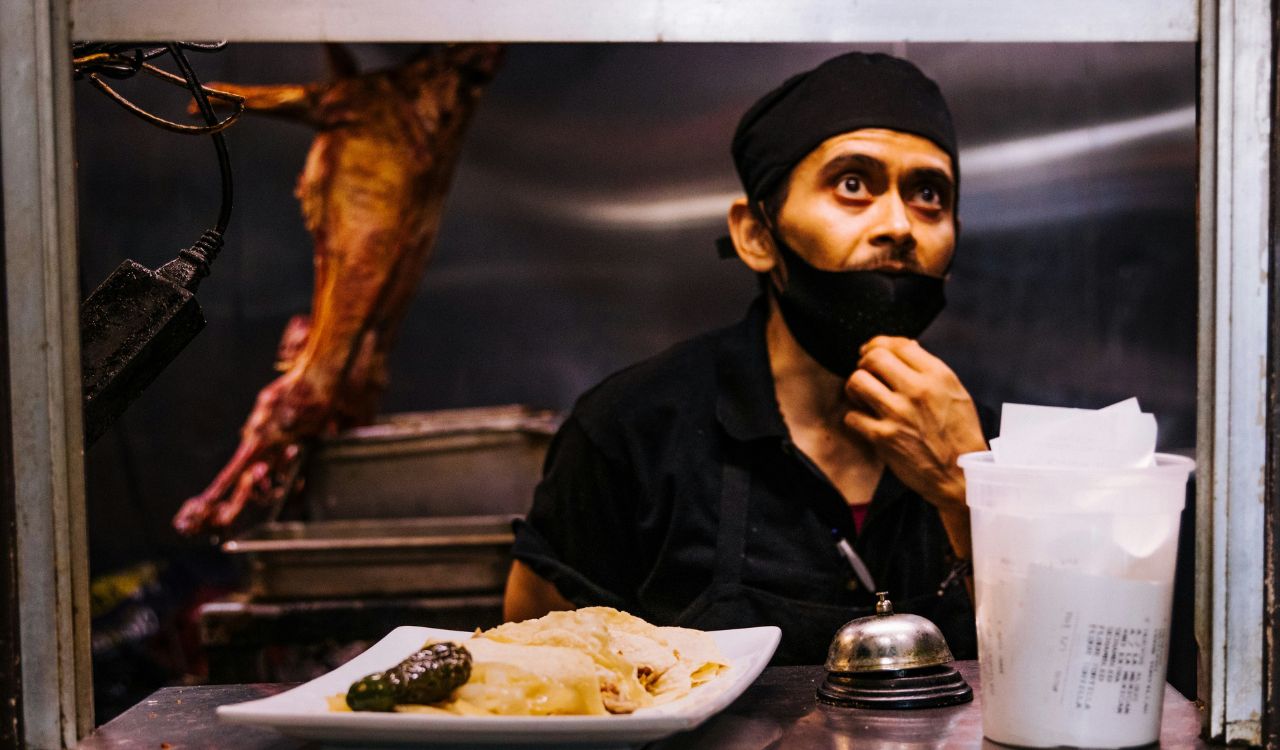
When in doubt, ask someone who lives there. Locals know which places are worth your time and which ones are just flash for tourists. Whether it’s your hotel concierge, a barista, or someone working a market stall, most people are happy to share their go-to spots. These personal tips often lead you to small, authentic eateries you won’t find online. You’ll also avoid crowds, inflated prices, and get a more genuine taste of the local culture.
Use Review Sites Strategically
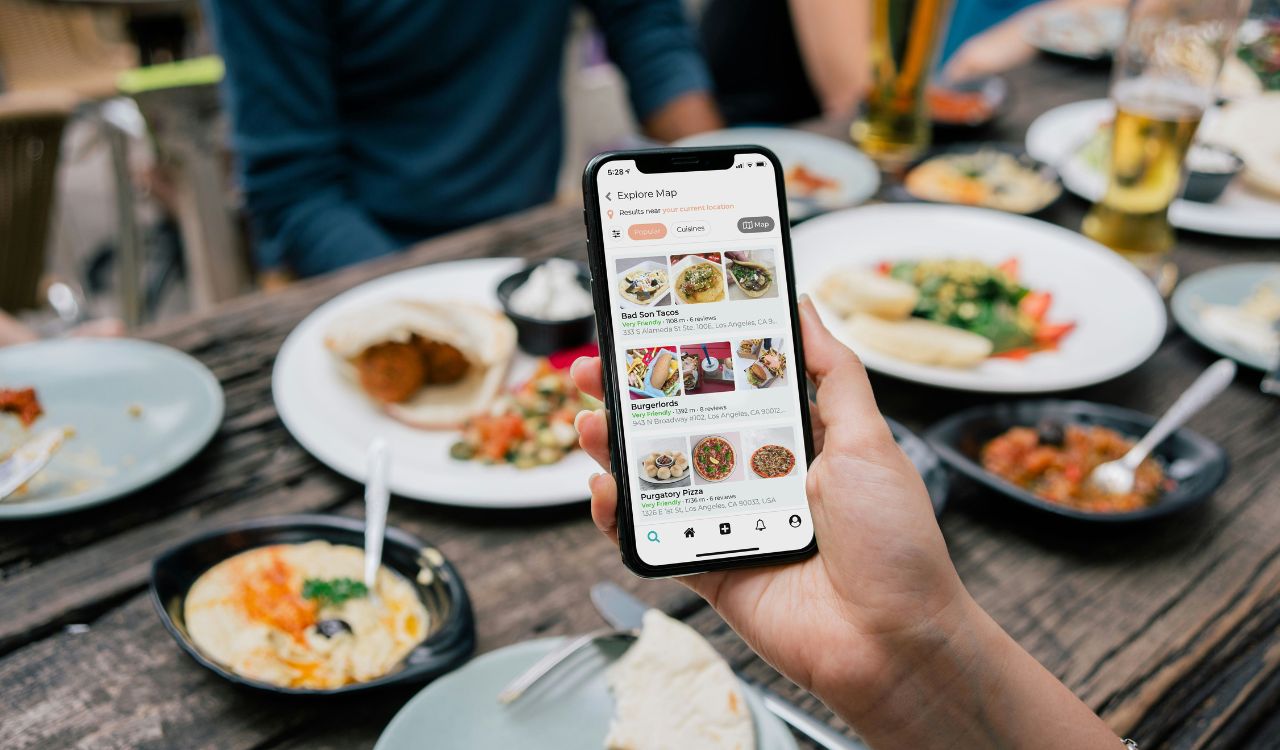
Sites like TripAdvisor, Google Reviews, and Yelp can be helpful, but don’t just look at star ratings. Pay attention to the number of reviews, recent photos, and what people say about portion size, service, and food quality. Look for reviews from locals, not just tourists. The best places often have consistent praise over time, not just viral buzz. Use reviews as a guide, but never as the final word on where to eat.
Follow the Crowds

A line out the door is usually a good sign, especially if the crowd looks like locals and not just Instagrammers. People rarely wait long for mediocre food. If you’re unsure, ask someone in line how often they come and what to order. A buzzing spot with a wait often means the food is worth it. Just make sure you’re not falling for a gimmick, sometimes flashy décor hides forgettable meals. When in doubt, trust the regulars.
Search for Food Blogs

Food blogs often offer deeper insight than generic review sites. Bloggers usually write with personality and passion, giving you background on the chefs, specialties, and what to skip. Google things like “best tacos in Austin blog” instead of relying on mass platforms. Blogs are especially helpful if you’re looking for specific types of food, like vegan eats, street food, or family-run places off the beaten path.
Explore Instagram and TikTok

Social media is a treasure trove of food finds. Use hashtags like #[city]eats or search by location tags to see what people are posting. TikTok food reviews can give you real-time looks at the vibe, portions, and what the locals love. While some spots go viral and get crowded fast, you’ll also discover quiet gems through honest creators. Bonus: You’ll get visuals that help you know exactly what to expect before you go.
Join a Food Tour
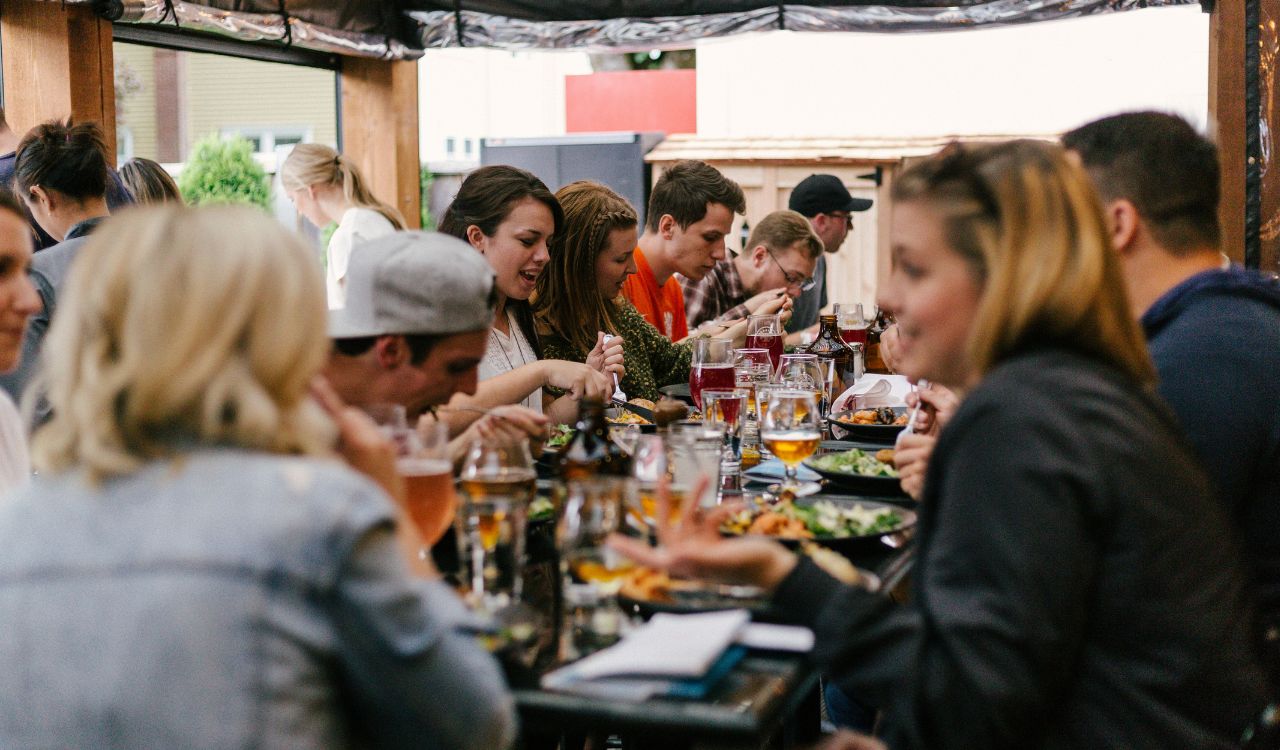
A local food tour offers more than just bites it gives you context. Guides take you to places with cultural or historical importance and let you try multiple dishes in one go. It’s a great way to cover a lot of ground quickly while learning how locals eat. Tours often include back-alley gems and family-run spots you’d never find on your own. They’re especially helpful on your first day in a city, giving you a solid base for the rest of your meals.
Wander Through Local Markets
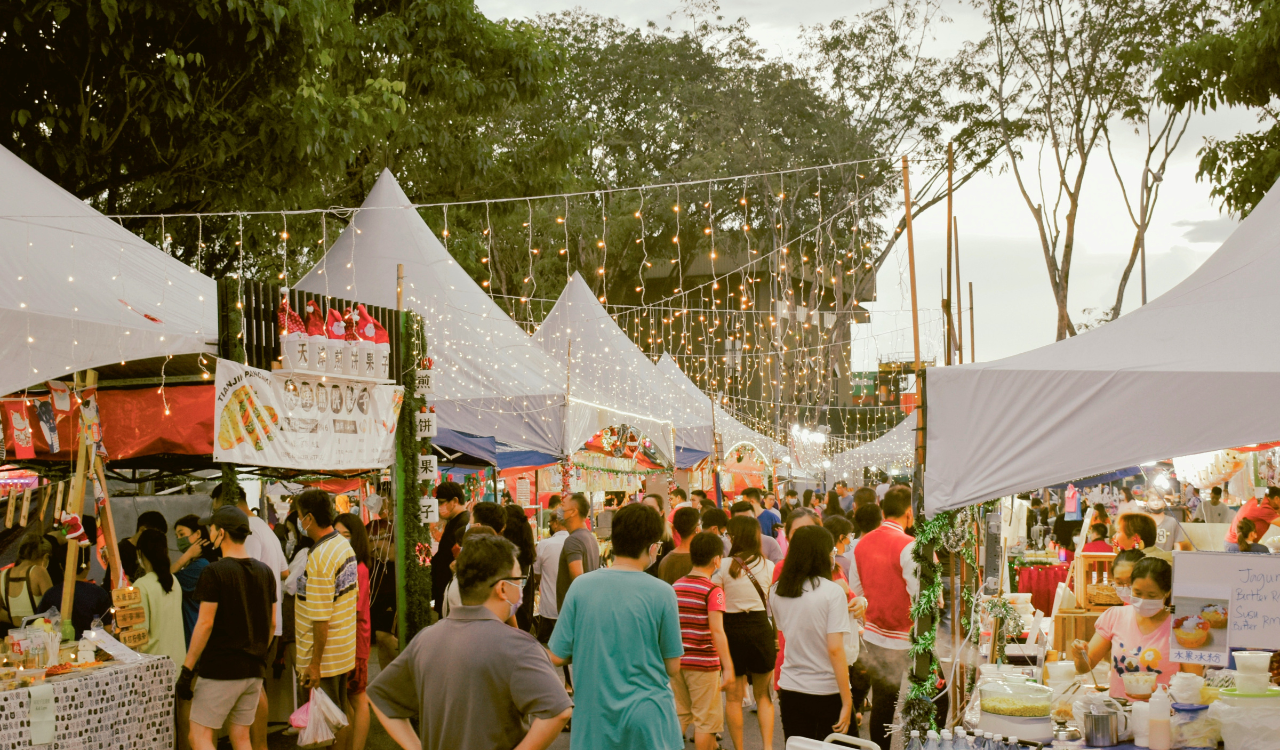
Markets are food discovery goldmines. You’ll find stalls run by locals, dishes prepared with fresh ingredients, and authentic snacks sold in the same spot for generations. Markets let you sample multiple bites without committing to one place. You also get a glimpse of what ingredients are local and seasonal. Whether it’s a farmers market, night market, or food hall, follow your nose and your curiosity—it almost always pays off.
Avoid Tourist Zones

Restaurants near big attractions are often convenient but rarely authentic. They tend to be overpriced, underwhelming, and built to turn tables fast. Instead, walk a few blocks away or head into residential neighborhoods. That’s where you’ll find the family-run diners and hole-in-the-wall joints where locals actually eat. You’ll often get better food, lower prices, and a more relaxed vibe away from the selfie-stick crowd.
Seek Out Seasonal Menus

Restaurants that change their menu based on what’s in season usually care more about quality than quantity. Seasonal ingredients are fresher, tastier, and more reflective of local flavors. If you see a chalkboard menu or frequent specials, it’s often a sign that the kitchen is sourcing from local markets or producers. Seasonal focus also means the restaurant isn’t just catering to tourists they’re cooking for their community, too.
Don’t Overplan, stay Flexible
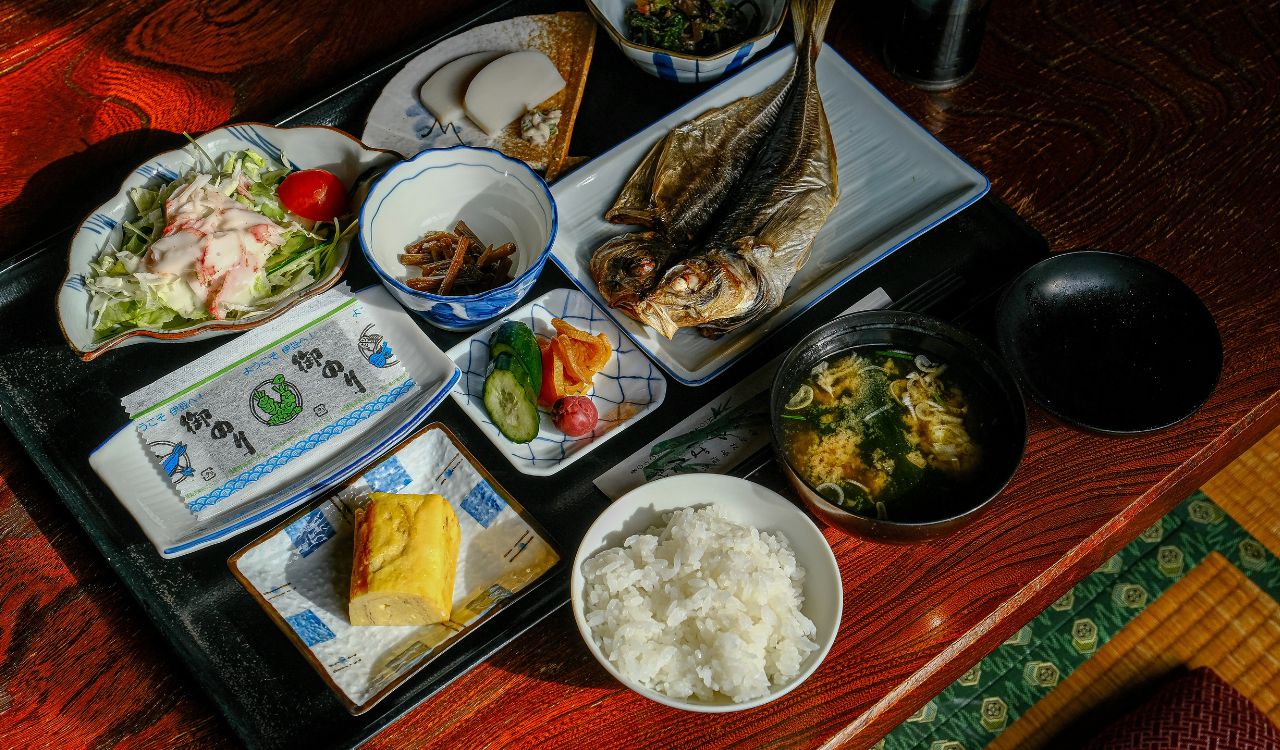
It’s smart to have a shortlist, but leave room to be spontaneous. That inviting corner bistro you stumble upon might beat your top pick. Travel is unpredictable you might be full, lost, or captivated by a street performer. If you’re too rigid with food plans, you miss out on surprise discoveries. The best meals often come when you follow your gut, literally. Stay flexible, stay curious, and let your appetite lead the way.