The Iowa State Fair Pulls in More Than a Million People Over 11 Days. Here’s the Actual Bill for One Day There
We may earn money or products from the companies mentioned in this post. This means if you click on the link and purchase the item, I will receive a small commission at no extra cost to you ... you're just helping re-supply our family's travel fund.
The Iowa State Fair generated an estimated $177 million in economic output in 2025, according to the Common Sense Institute, and it remains one of the largest state fairs in the country by both attendance and cultural footprint — the fair that inspired the Iowa State Fair painting, Bruce Springsteen’s “State Trooper,” and the phrase “butter cow” entering the national vocabulary. What most people don’t calculate ahead of time is what an actual day there costs once admission, food, rides, and parking are added up.
What You’re Actually Paying to Get In
General admission runs in the $15-20 range per adult depending on the day, with discounted rates on specific promotional days and free admission windows for young children. That’s before parking, which typically runs $10-20 depending on lot proximity, and before a single ride ticket or fair food purchase. The fair’s own deals and discounts page lists various bundled options, but the headline admission price is only the entry fee to a fairground that charges separately for nearly everything inside it (Iowa State Fair).
The Real Daily Budget for a Family of Four
- Admission: roughly $60-80 for two adults and two kids, depending on age discounts
- Parking: $10-20
- Food: fair food is famously excessive and priced accordingly — expect $15-25 per person if you’re sampling multiple items
- Ride tickets or wristbands: $25-40 per person for unlimited-ride passes on the midway
- Realistic total for a family of four for one full day: $250-350
Where the Money Actually Goes
The fair’s economic impact isn’t just ticket sales — it flows through the entire Des Moines metro. Hotels fill up for the eleven-day run each August, restaurants see spillover traffic, and vendors, many of them small Iowa-based food businesses, generate a meaningful share of their annual revenue during the fair window alone. The Common Sense Institute’s 2025 analysis specifically credited the fair with contributing to $92 in personal income growth per capita across the region during the fair period, a notable figure for an event that runs less than two weeks.
What Actually Makes It Different From Other State Fairs
The butter cow — a life-sized cow sculpture carved from roughly 600 pounds of butter, a tradition dating back to 1911 — has become the fair’s signature attraction and a genuine tourism draw in its own right. The fair also claims some of the most novel food offerings in the country, a tradition of deep-fried and stick-served everything that other state fairs have since copied but rarely matched in sheer volume of unique items. Add livestock competitions that draw serious agricultural stakes — winning grand champion at the Iowa State Fair carries real prestige within Midwestern farming communities — and you get an event that functions simultaneously as tourist spectacle and genuine agricultural institution.
How to Actually Do It for Less
Discount days exist specifically to manage the cost: certain days offer half-price admission windows or bundled deals through the fair’s official ticketing partners. Bringing your own water (permitted in sealed containers) cuts down on the biggest hidden expense, since bottled water inside the fairgrounds is priced like a captive market, because it is one. Arriving early and leaving before the evening crowd peaks also reduces the temptation to spend more simply because you’re trying to fill time. The fair rewards planning; it punishes wandering in without a sense of what you’re willing to spend before the smell of fried food starts making decisions for you.
The Food That Actually Makes the Fair Famous
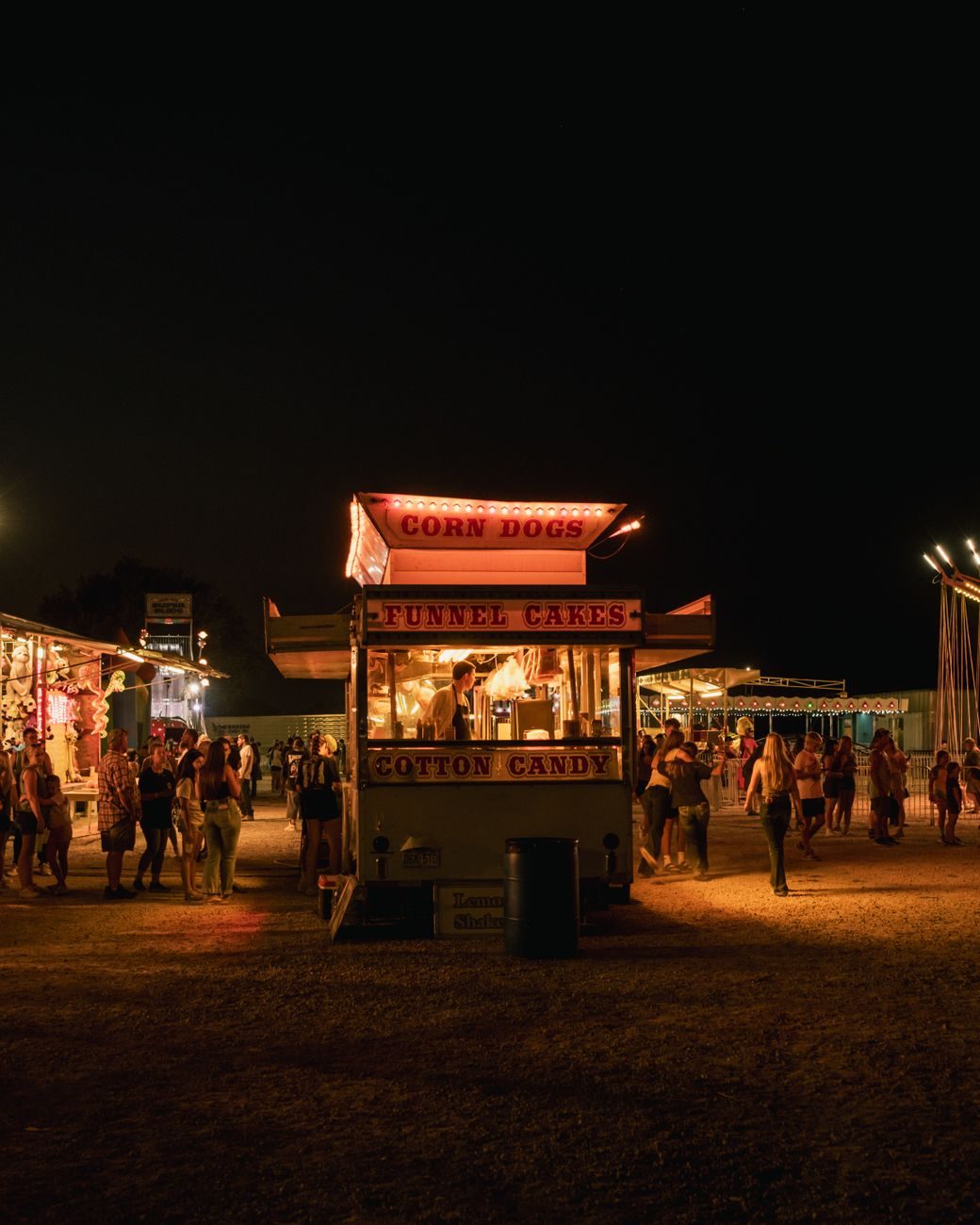
The fair has built its national reputation substantially on novelty food — items served on a stick, deep-fried, or both, in combinations that other state fairs have since copied but rarely matched in sheer creative volume. Past and current vendor offerings have included deep-fried Twinkies, pork chops on a stick sold from a stand that’s been a fixture for generations, and an ever-rotating slate of new items each year that local news outlets track almost as closely as the fair’s headline concerts. Food alone can easily account for half of a visiting family’s total daily spend once you account for how much of the fair experience is built around trying things you’d never otherwise eat.
The fair’s agricultural competitions remain the institutional core beneath all the novelty spectacle, and they matter more than casual visitors typically realize. Winning a blue ribbon or grand champion designation in livestock or crop categories carries genuine weight within Iowa’s farming community, feeding into breeding and seed sale reputations that extend well beyond the eleven days of the fair itself. That dual identity — spectacle for casual visitors, genuine agricultural institution for the farming community — is part of what’s kept the fair relevant for more than 170 years without becoming purely a nostalgia act.
Timing Your Visit to Actually Save Money
Attendance patterns at the fair are predictable enough that timing your visit strategically can meaningfully cut costs: weekday visits see smaller crowds and shorter lines for rides, which matters if you’ve purchased a wristband and want to maximize rides per dollar. The fair’s official discount days, publicized in advance on its website, offer the single biggest lever for reducing the admission-plus-parking baseline cost, and combining a discount day with a weekday visit is the most reliable way to see the entire fairgrounds without paying the premium that weekend crowds and pricing effectively impose.
None of this means you should avoid long-haul travel or treat jet lag as disqualifying. It means building slightly more slack into your itinerary and your expectations of yourself during the first two days than most trip-planning advice currently accounts for.