Albuquerque and Santa Fe Are 60 Miles Apart and Might as Well Be Different States
We may earn money or products from the companies mentioned in this post. This means if you click on the link and purchase the item, I will receive a small commission at no extra cost to you ... you're just helping re-supply our family's travel fund.
New Mexico’s two largest tourist draws sit less than an hour apart on I-25, and visitors who only budget time for one of them are making a bigger decision than they probably realize. Santa Fe is the fourth-oldest capital city in the country, built around adobe architecture regulations so strict they dictate building materials and color palettes citywide, with a median home price that has climbed past $600,000. Albuquerque is a working New Mexico city of more than 560,000 people, with a genuinely diverse economy spanning aerospace, national laboratories, and a Route 66 corridor that tells an entirely different story about the state.
Santa Fe Sells an Aesthetic. Albuquerque Sells a Place.
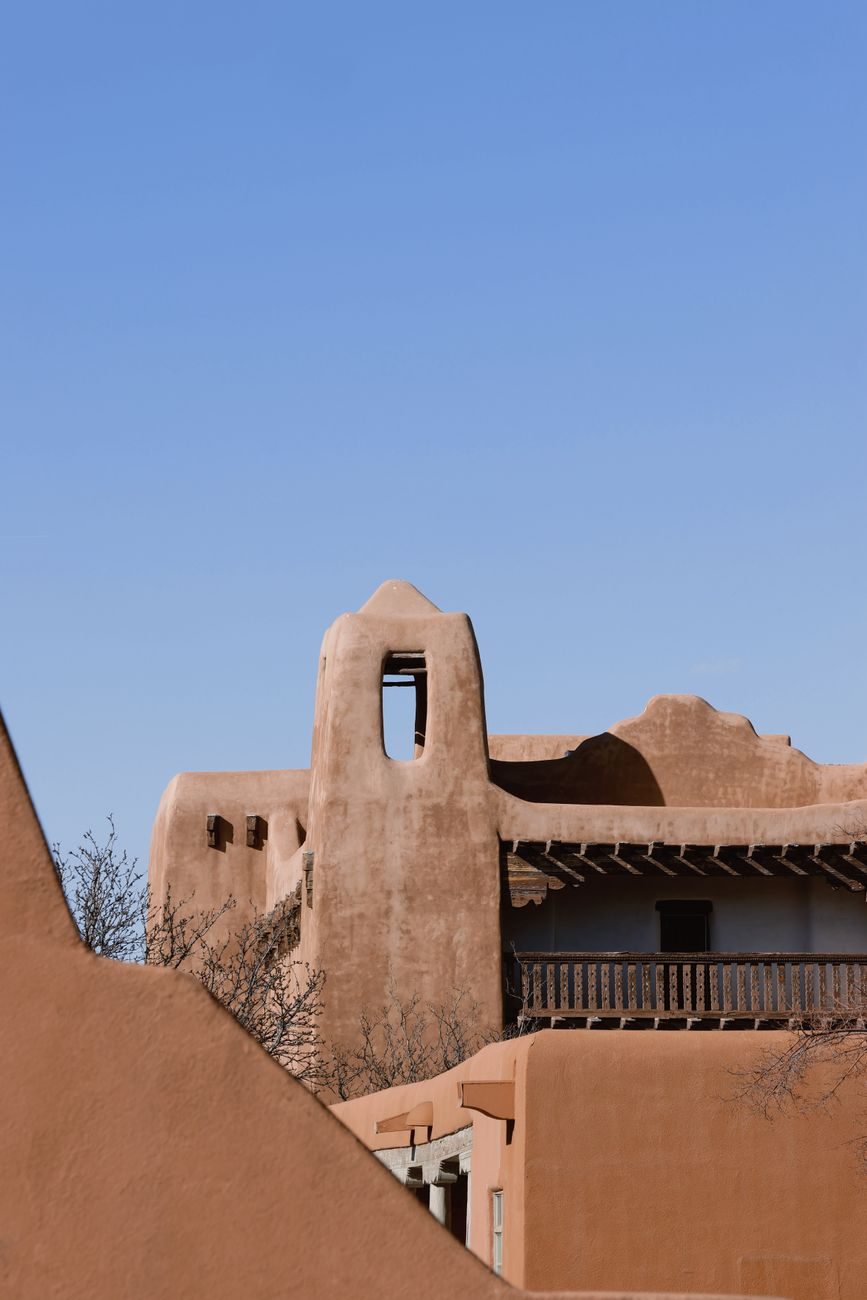
Santa Fe’s entire downtown core operates under a historic preservation ordinance that requires new construction to conform to “Santa Fe style” or “Pueblo Revival” architecture — the rounded adobe walls, vigas, and earth tones that have become inseparable from the city’s identity. That’s not accidental charm; it’s zoning enforced since the 1950s, designed explicitly to protect the tourism economy the city built around Native American and Spanish colonial heritage. It works: Santa Fe draws roughly 2 million visitors annually to a city of just 90,000 residents, an imbalance that has pushed housing costs to levels most working New Mexicans can no longer afford within city limits.
What Each City Actually Offers
- Santa Fe: Georgia O’Keeffe Museum, the oldest capitol building complex in the country, Canyon Road’s gallery district, high-end Southwestern cuisine
- Albuquerque: Sandia Peak Tramway, Old Town’s genuinely working plaza (not a preserved museum piece), Route 66 diners and motor courts, Balloon Fiesta each October
- Santa Fe median home price: north of $600,000; Albuquerque median: well under half that
- Albuquerque’s economy includes Sandia National Laboratories and Kirtland Air Force Base — real, diversified employment Santa Fe’s tourism-dependent economy lacks
Neither City Is the Rest of New Mexico
The mistake most visitors make isn’t choosing between Santa Fe and Albuquerque — it’s assuming either city represents the state. New Mexico’s actual character lives in places neither city captures: Taos, with its art colony history and Rio Grande Gorge; the Navajo Nation and Zuni and Acoma Pueblo communities, whose ongoing presence predates both cities by centuries and operates under tribal sovereignty rather than state or municipal governance; and small towns like Truth or Consequences and Silver City, where the state’s mining and ranching history is still visibly alive rather than curated for visitors.
Why the Distinction Actually Matters When You’re Planning
Santa Fe rewards a slower, gallery-and-restaurant kind of trip with a real budget behind it — this is not a place to expect bargains. Albuquerque rewards curiosity about a genuinely lived-in Southwestern city, with better and cheaper food, a more diverse population, and none of the manicured quality that makes Santa Fe feel, at times, more like a very well-executed theme park than an organic city. Most travel guides treat the two as a single regional stop. Locals in both cities will tell you, often with some irritation, that conflating them erases what actually makes each one distinct.
The Version of New Mexico Worth Understanding
To actually understand New Mexico rather than just visit it, you need at minimum three stops: Santa Fe for the preserved aesthetic and institutional history, Albuquerque for the working contemporary state, and at least one pueblo or small town beyond both for the deeper, still-living history that predates Spanish colonization by thousands of years. Skipping the third stop is the single most common way visitors leave New Mexico thinking they’ve seen it when they’ve really only seen the two cities built, in very different ways, around selling it.
The Practical Trip-Planning Version of This Divide
If you have three days and have to choose, Santa Fe rewards visitors who want a concentrated, walkable dose of art, architecture, and high-end dining, all within a compact historic plaza area you can cover mostly on foot. Albuquerque rewards visitors who want more square footage per dollar, a broader cross-section of New Mexican culture beyond the tourism-optimized version, and easier access to day trips — the Sandia Mountains, Petroglyph National Monument, and the Rio Grande bosque trail system are all within the city itself rather than requiring a separate excursion.
Food is one of the clearest ways the two cities diverge in practice. Santa Fe’s restaurant scene leans into upscale interpretations of New Mexican and Southwestern cuisine, often at price points comparable to a mid-size American city’s top-tier dining district. Albuquerque’s food scene, particularly along Fourth Street and in the International District, offers some of the most genuinely affordable and authentic New Mexican food in the state — the kind of family-run spots serving red and green chile that have operated for decades without needing a design magazine feature to justify their prices.
The Chile Question That Actually Divides Locals
New Mexico’s official state question — “red or green?” — refers to chile preference, and it’s a genuine point of regional identity that cuts across both cities. Hatch Valley green chile, grown in the southern part of the state, has its own protected-origin-style reputation among New Mexicans, and disputes over which restaurants serve “real” Hatch chile versus imported substitutes are taken more seriously by locals than most visitors realize. It’s a small detail, but it’s one of the more reliable ways to tell whether a restaurant is cooking for tourists or cooking for the state’s own residents.
However you budget it, the Iowa State Fair remains one of the few American tourist attractions where the price still buys you something close to what it advertises — a genuinely unusual, occasionally overwhelming slice of a state’s agricultural and cultural identity, concentrated into eleven days that the rest of Iowa builds its summer calendar around.