I Spent a Week Eating Only Local Food in Every Region. I Will Never Eat the Same Way Again
We may earn money or products from the companies mentioned in this post. This means if you click on the link and purchase the item, I will receive a small commission at no extra cost to you ... you're just helping re-supply our family's travel fund.
I travel a lot. I eat a lot. But there’s a version of travel eating that I’d never committed to until last year: one week per region, nothing but locally grown, locally raised, locally caught, locally made food.
No chains. No imports. No shipped-from-somewhere-else products. Whatever the region produces, I eat.
What I found was the best eating of my life — and a completely rewritten map of what American food actually is.
The Rules: What Counts as Local Food

The rules I set:
- Ingredients must be grown, raised, caught, or produced within the region — roughly a 200-mile radius of where I’m eating
- Restaurant meals are fine if the restaurant sources locally — many do
- Farmers markets, farm stands, fishing docks, and cheese makers count as primary sources
- Coffee and chocolate get a pass — no American region produces tropical crops at scale (Hawaii coffee aside)
- Everything else is negotiable toward local
The result: I ate better than I eat at home in every single region.
The Pacific Northwest: Where Freshness Is the Point

Starting in the Pacific Northwest was almost unfair. This region may have the highest density of extraordinary local ingredients of anywhere in the country.
What I ate:
Dungeness crab
— Bought directly from a crab boat at the Astoria, Oregon waterfront. Boiled in seawater. Eaten at a picnic table with butter and a view of the Columbia River. This is the definitive Pacific Northwest meal and no restaurant version improves on it.Wild king salmon
— From Pike Place Market in Seattle, cooked on a cedar plank at a vacation rental. Wild Pacific salmon has a depth of flavor that farmed salmon cannot replicate. The fat marbling is completely different.Rainier cherries
— Washington State produces the majority of the world’s Rainier cherries. At their peak in late June and early July, they’re sweeter than any other cherry variety on earth. Roadside stands throughout the Yakima Valley.Walla Walla sweet onions
— So mild they can be eaten raw like an apple. A Walla Walla sweet onion, sliced, with local blue cheese from Rogue Creamery in Central Point, Oregon, and a glass of Willamette Valley Pinot Noir is one of the great food combinations available to Americans.Oregon hazelnuts (filberts)
— Oregon produces 99% of the U.S. hazelnut crop. Fresh-roasted at a farm stand outside Newberg in the Willamette Valley, they taste nothing like the hazelnuts in a Ferrero Rocher.Geoduck (pronounced gooey-duck)
— The world’s largest burrowing clam, found only in Puget Sound. Sweet, crunchy, slightly briny. Served raw as sashimi at Seattle sushi restaurants. One of the genuinely unusual food experiences in North America.
The week: extraordinary. The cost: higher than expected (Pacific Northwest ingredients are priced for the quality). The verdict: the best seafood week of my life.
The Southwest: The Region With the Most Underrated Food Culture
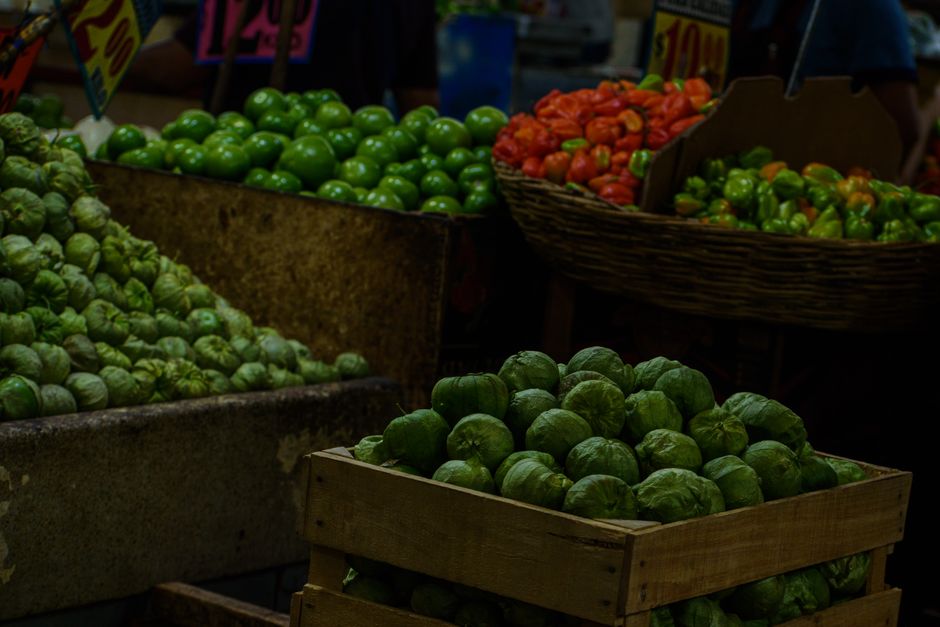
New Mexico and Arizona have a food culture so distinct and so old that it barely resembles “American food” in any conventional sense.
What I ate:
Hatch green chile
— The central ingredient in New Mexico cuisine, roasted at roadside stands, added to everything. A Hatch green chile cheeseburger at the Owl Bar in San Antonio, NM, is the food I dream about most from this trip.Posole
— A hominy and pork stew with dried chile, oregano, and lime. At The Shed in Santa Fe, the red posole has been the same recipe since 1953. It is profoundly warming and complex.Blue corn tortillas
— Made from Hopi blue corn varieties grown in northern New Mexico for over a thousand years. The flavor is nuttier and earthier than yellow corn. They deteriorate quickly — you can only get the best version within days of the corn being ground.Sonoran hot dog
— Already mentioned as Arizona’s claim to fame, but worth reiterating: the bacon-wrapped hot dog in a bolillo bun with pinto beans, mayo, and multiple fresh toppings at El Güero Canelo in Tucson is one of the great street foods in America.Prickly pear everything
— Prickly pear cactus fruit turns an extraordinary magenta color when juiced. Prickly pear margaritas, prickly pear syrup on pancakes, prickly pear sorbet — the flavor is somewhere between watermelon and bubblegum, but real and complex.
The week: revelatory. The Southwest is genuinely one of the great regional food cultures in North America and it is chronically underrepresented in food media.
The Deep South: Where Every Meal Is a Cultural Event

Southern food has been written about extensively, but eating it locally — at the actual places, with the actual people — is a different experience than reading about it.
What I ate:
Whole hog barbecue at Skylight Inn (Ayden, NC)
— Pete Jones started Skylight Inn in 1947 and the technique has not changed. Whole hog cooked over wood coals, chopped with a cleaver, served with coleslaw and a square of cornbread. The smoke is visible from the highway. This is the Platonic ideal of American barbecue.Crawfish étouffée at Dooky Chase’s (New Orleans)
— Leah Chase passed in 2019 at 96 years old. The restaurant continues. The étouffée is butter, the holy trinity, and crawfish tails over white rice. It is a perfect dish.Boiled peanuts from a roadside pot in Georgia
— No address. A pot on the side of US 441 in central Georgia. Sold by a man who had been making them from the same peanut farm for 30 years. Soft, salty, addictive in a way that raw or dry-roasted peanuts cannot replicate.She-crab soup at a Charleston private club dinner (host’s invitation)
— The version with genuine roe and a generous pour of sherry. The richest soup I have ever eaten. The cream base has a depth that takes hours of reduction to achieve.Mississippi Delta tamales
— A food history mystery: tamales arrived in the Mississippi Delta with Mexican migrant workers in the early 1900s and the tradition integrated completely into Delta culture. Hot tamales — smaller, spicier, boiled rather than steamed — are sold from roadside stands and convenience store warmers throughout the Delta. Doe’s Eat Place in Greenville is the restaurant version.
The week: emotionally moving. Southern food is inseparable from Southern history and the best of it is made by people who inherited recipes from people who had nothing and created something extraordinary.
New England: Where Simple Ingredients Become Extraordinary

New England food philosophy is restraint: if the ingredient is good enough, don’t add anything.
What I ate:
Lobster roll at Red’s Eats (Wiscasset, ME)
— A full lobster’s worth of cold claw and knuckle meat on a split-top bun with butter. The line is 45 minutes. Worth it.Maple soft-serve at a Vermont farm stand
— Real maple syrup from that farm’s maple grove in the soft-serve. A dessert that has no equivalent anywhere else in the country.Wellfleet oysters at a Cape Cod raw bar
— Wellfleet Harbor produces one of the most praised oysters in the world: deep-cupped, briny, with a cucumber finish. Eaten on ice with a squeeze of lemon, nothing added.Clam chowder at a Gloucester, MA fish shack
— Made the morning of the meal from locally landed clams. The difference between made-this-morning chowder and made-three-days-ago chowder is dramatic and immediately perceptible.Apple cider donuts at Poverty Lane Orchards (Lebanon, NH)
— The platonic apple cider donut: dense cake donut, real apple cider in the batter, rolled in cinnamon sugar while still warm. I ate four and am not apologizing.
The Midwest: The Region That Will Genuinely Surprise You

The Midwest gets the least respect of any American food region. This is wrong.
What I ate:
Pork tenderloin sandwich at B&B Grocery Meat & Deli (Des Moines, IA)
— The breaded pork tenderloin, pounded flat and fried, extending four inches beyond the bun on every side. A meal and a conversation starter simultaneously.Lake Superior whitefish at a UP Michigan diner
— Caught the same morning, pan-fried in butter with lemon. Lake Superior whitefish has a delicacy that ocean fish rarely achieve. The Michigan Upper Peninsula’s fishing culture produces some of the most underrated seafood in the country.Wisconsin cheese from a farmstead creamery
— Hook’s Cheese in Mineral Point. The 10-year cheddar has crystals that crunch and a depth of flavor that rivals any aged cheese in the world. At $30 a pound, it competes with Parmigiano-Reggiano and wins on a blind tasting.Sweet Martha’s Cookies at the Minnesota State Fair
— Already listed. A bucket of warm chocolate chip cookies from a wood oven is the most purely joyful food experience in the Midwest.Walleye at a Minnesota supper club
— Minnesota’s official state fish, pan-fried with a light breading at a Friday night fish fry at a supper club outside Brainerd. The supper club — with its relish tray, old fashioned, and side of potato — is a cultural institution that deserves its own travel article.
The Mid-Atlantic: America’s Most Underrated Food Region

Maryland, Virginia, Delaware, and New Jersey don’t get the food attention they deserve.
What I ate:
Steamed blue crabs at LP Steamers (Baltimore, MD)
— Old Bay and sea salt, steamed hard, cracked at a newspaper-covered table. The ritual is as important as the flavor. A dozen large crabs takes two hours to eat properly and produces a genuine sense of accomplishment.Virginia ham biscuits at a country store in Surry County, VA
— A hand-sized biscuit with paper-thin slices of salt-cured Virginia ham. The ham is dry-aged and salted for months. It tastes nothing like commercial ham. The country store has been selling these since the 1930s.Jersey tomatoes in season (late July)
— A New Jersey tomato at peak ripeness in late July is the best tomato in the world. This is not hyperbole — the combination of New Jersey’s soil type and humidity produces a sweetness and acidity balance that California and Florida tomatoes cannot match. Eat them with salt and nothing else.Delaware sweet corn from a farmstand
— Bicolor sweet corn from the Delaware peninsula, picked the same morning, boiled for 4 minutes. Summer in one food.
How to Eat Locally Anywhere in the Country

You don’t need to do a week-long commitment to access the best local food wherever you travel.
- Find the farmers market — every mid-size city has one, usually Saturday morning. Talk to the vendors. Buy whatever looks best.
- Ask the farmers market vendors where to eat — they know the restaurants that buy from them
- Look for the regional specialty on the menu, not the nationally familiar dish — order the thing the kitchen is most proud of, not the thing you could get at home
- Find the fishing docks, the farm stands, and the cheese makers — direct sourcing produces the best ingredient quality and the best travel stories
- Eat seasonally — the best local food is always the food that’s actually in season where you are right now
- Ask locals where they eat on a special occasion — not where they’d send tourists, but where they go for their own birthday dinner
America’s food geography is one of the great underappreciated travel resources in the world. Every region has something extraordinary that cannot be found anywhere else. Go find it.