What Repeat Visitors to the Same Destination Find That First-Timers Completely Miss
We may earn money or products from the companies mentioned in this post. This means if you click on the link and purchase the item, I will receive a small commission at no extra cost to you ... you're just helping re-supply our family's travel fund.
This article contains affiliate links. If you book travel through our links, we may earn a commission at no extra cost to you.
The first time you go to Rome, you go to the Colosseum. You go to the Vatican. You throw a coin in the Trevi Fountain. You eat cacio e pepe at a restaurant recommended by a food blog written by someone who went to Rome once. You take photographs in front of things.
This is not a criticism. It is simply what first trips are. There is nothing wrong with seeing the Colosseum. It is an extraordinary thing. But the Rome that the people on their fourth visit are walking through is genuinely a different city, and the difference is more profound than knowing which trattorias are tourist traps.
The First Visit Is Almost Always the Same
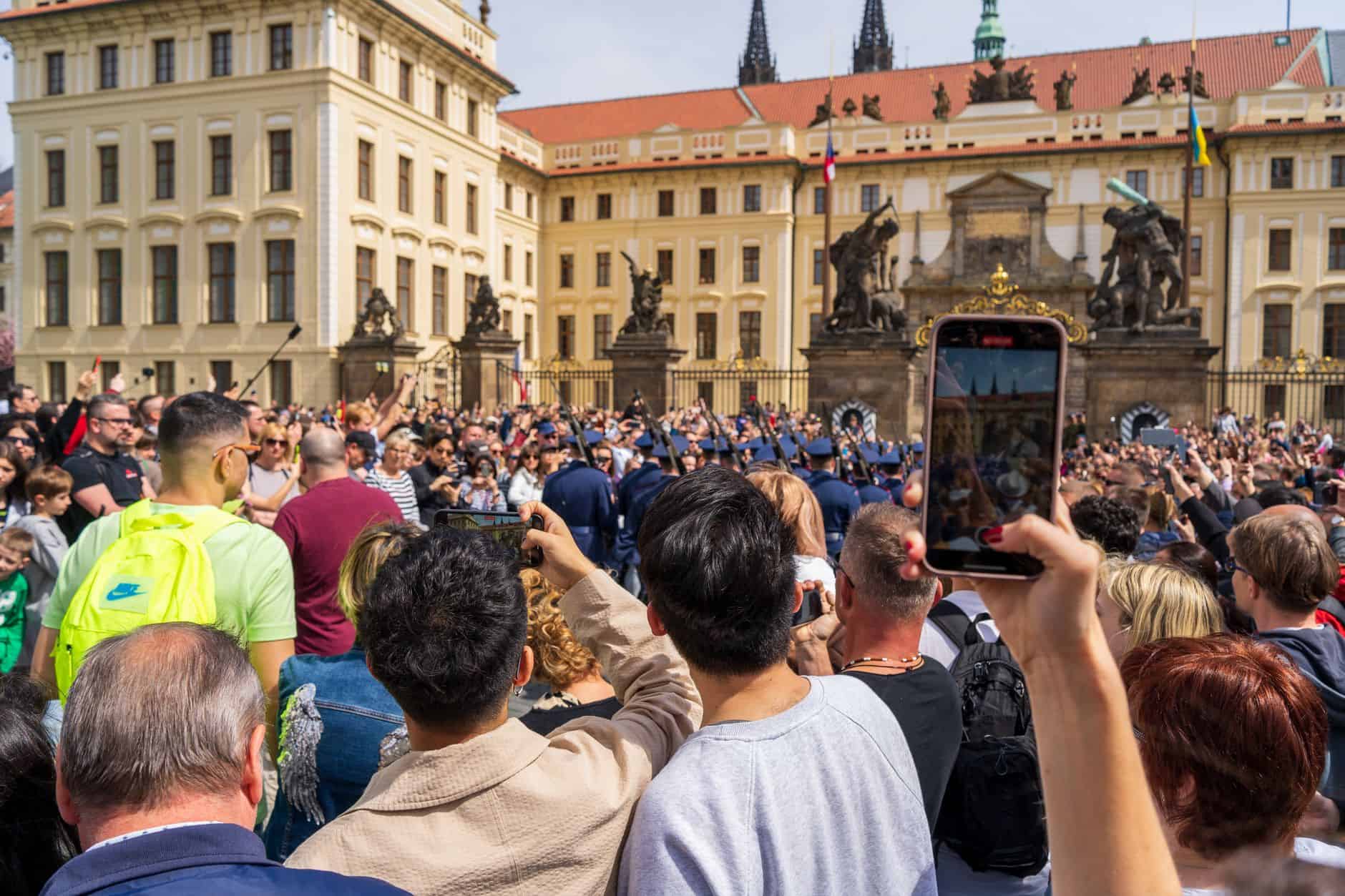
First-time visitors to famous destinations follow remarkably predictable routes. This is not a coincidence or a failure of imagination — it’s the result of an enormous optimization system that includes every travel blog, every guidebook, every top-ten list and Instagram geotag and Google result. All of that information has been aggregating and self-reinforcing for decades, and it has produced a remarkably stable consensus about what famous places “are.”
The first-time visitor to Kyoto goes to Fushimi Inari, Kinkaku-ji (the Golden Pavilion), and Arashiyama. They eat kaiseki if they’re adventurous and ramen if they’re not. They photograph the geisha district at dawn to avoid other photographers doing the same thing. They check off the list.
None of this is wrong. These places are famous because they are genuinely extraordinary. But first-trip famous destinations are, in a specific sense, performance experiences rather than place experiences. You’re not really in Kyoto yet. You’re in the idea of Kyoto — the version of it that all the prior documentation has constructed. The actual city is there, existing behind that idea, and it takes time to see through.
What Changes on the Second Trip
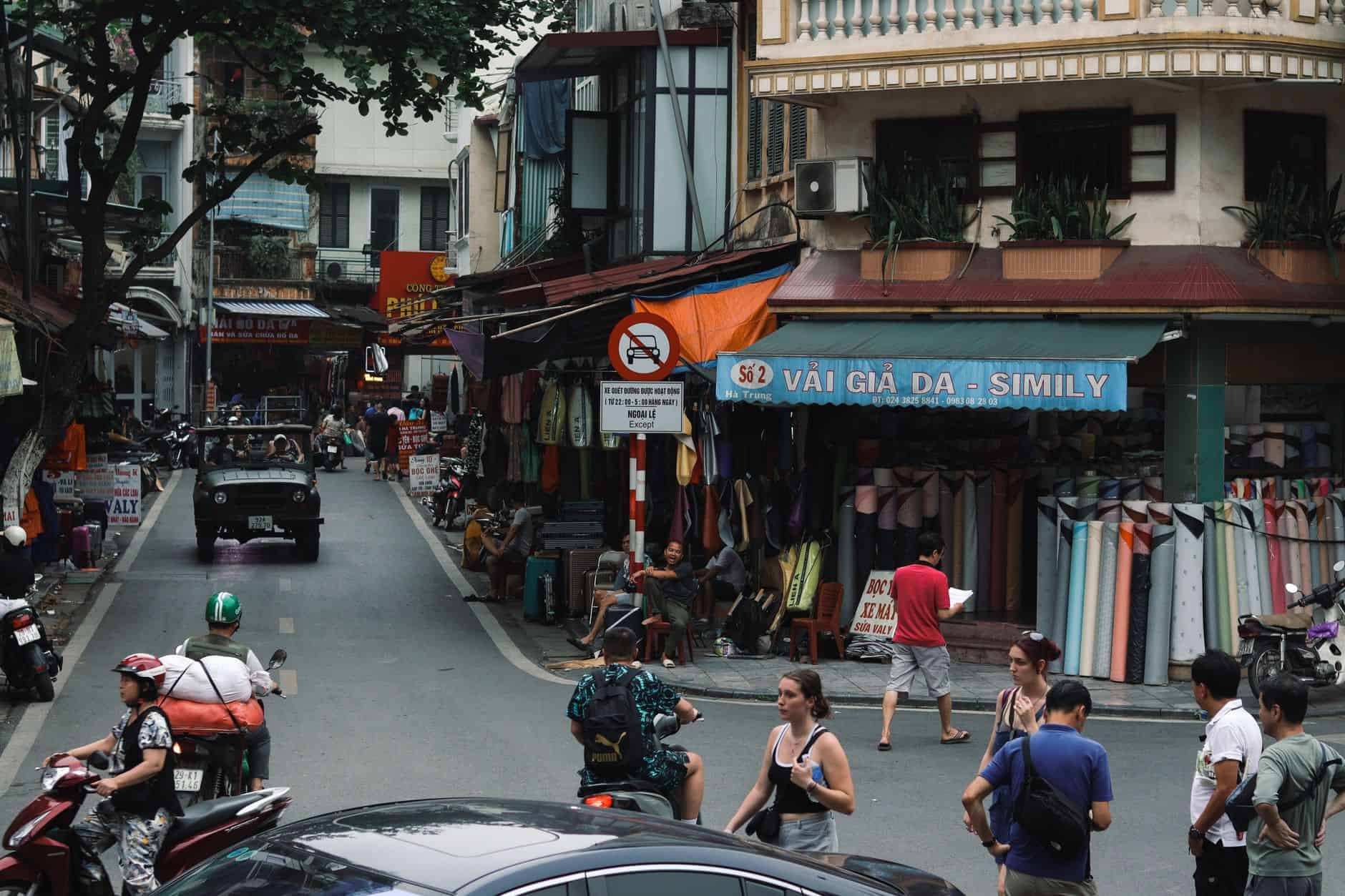
The second visit to anywhere is qualitatively different from the first in a way that is hard to articulate but immediately recognizable to anyone who’s done it.
The anxiety of the first trip — the feeling of needing to do it right, to not miss anything, to see everything that’s supposed to be seen — is gone. And the absence of that anxiety creates space for actual attention. You stop managing the experience and start having it.
On a first trip, people look at things and think “I am looking at the Eiffel Tower.” On a second trip, people walk past the Eiffel Tower and think about something else, the same way a Paris resident does, and in doing so they accidentally have a more Parisian experience than any deliberate cultural immersion activity could produce.
The practical difference shows up in how people spend their time. First-trip visitors have itineraries. Second-trip visitors have preferences. First-trip visitors go to the places; second-trip visitors walk toward the places and get distracted by something else and end up somewhere better. The something-better is what they’ll talk about afterward.
The Paris That Doesn’t Appear on Any List
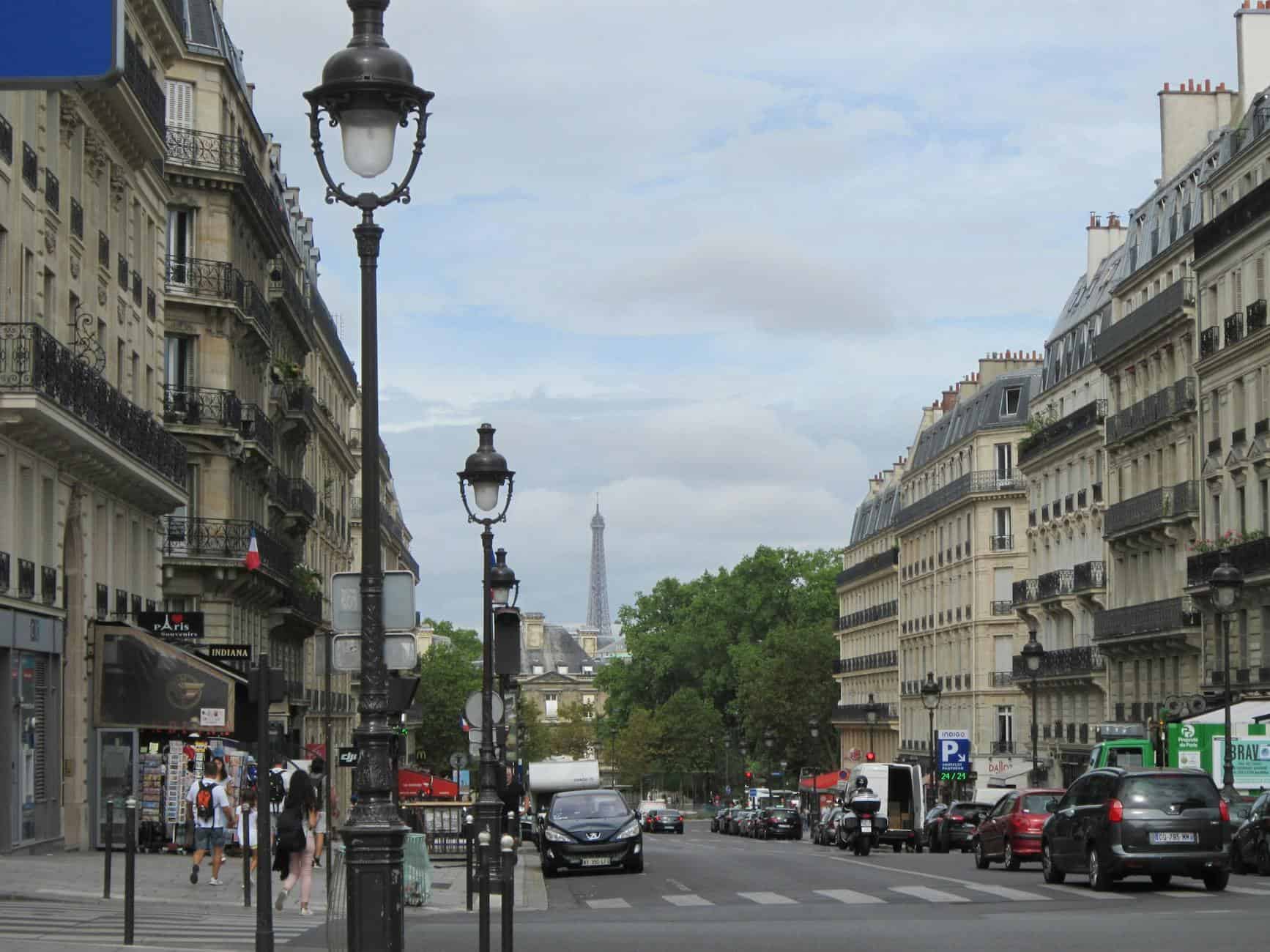
The 10th and 11th and 20th arrondissements of Paris have been experiencing a neighborhood transformation for over a decade — cafes, natural wine bars, small contemporary restaurants, bookshops, record stores — that barely registers on any tourist itinerary. Not because it’s secret, but because first-time visitors don’t have the context to navigate toward it. They’re anchored in the 4th, the 6th, the 1st.
People who return to Paris repeatedly almost universally migrate eastward over subsequent trips. The Marais, which felt thrillingly authentic on a first visit, eventually reveals itself as a heavily touristed zone that has been performing authenticity for a long time. The further east you go — into Belleville, into Ménilmontant, into the canal neighborhoods around the 10th — the more Paris starts to feel like a city where actual people live rather than a backdrop for a specific type of European vacation.
This is not obscure information. It exists on the internet. But first-time visitors can’t process it in context because they haven’t yet developed the reference points to understand what the contrast is. You need to have spent time in the 6th to understand what makes the 11th feel different.
Tokyo After the obvious Stops
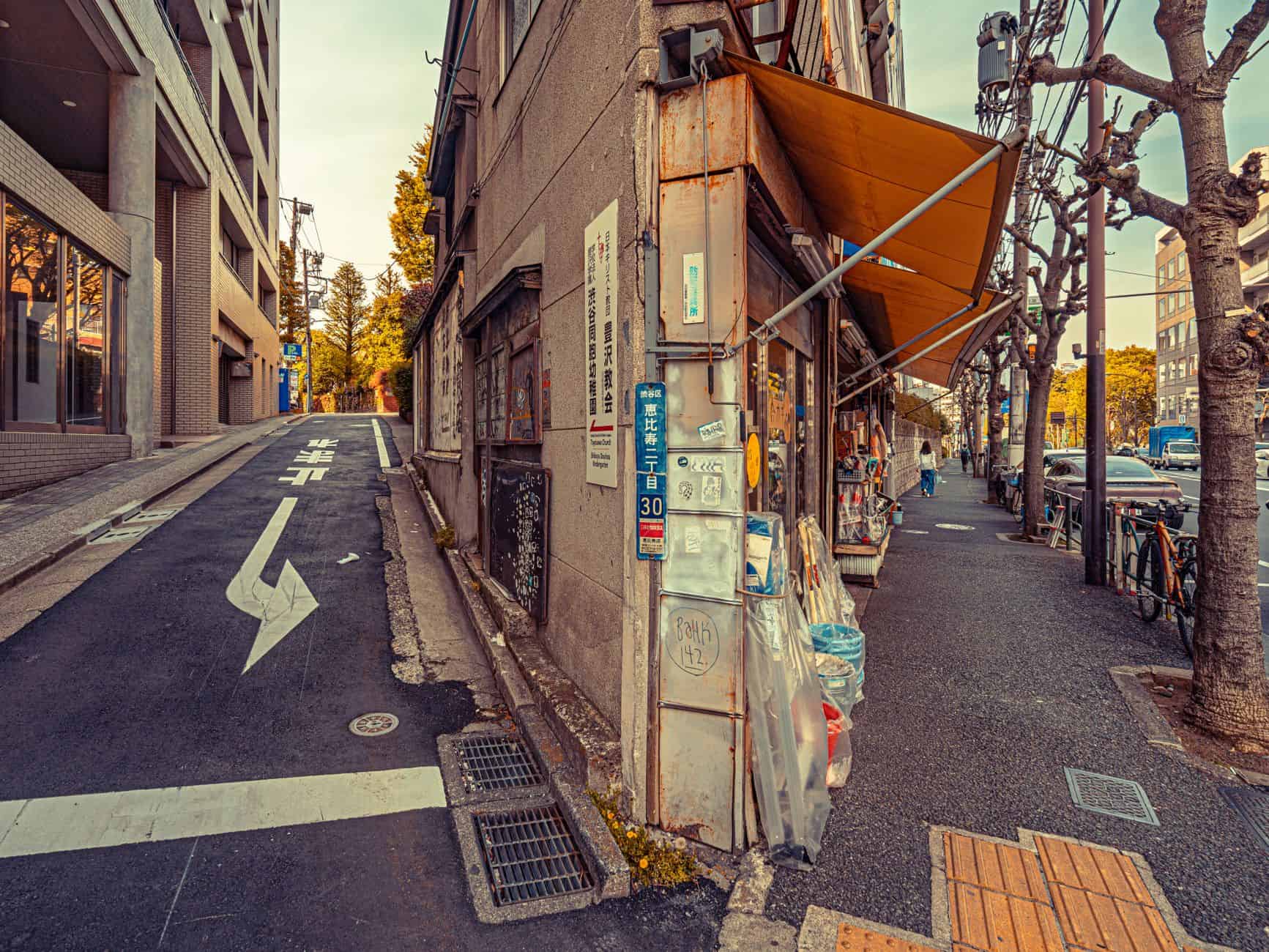
Tokyo is a city of distinct neighborhoods, each with its own character, and first-time visitors typically see three of them: Shinjuku (the big stations, the neon, the nightlife), Shibuya (the crossing, the shopping), and Asakusa (the temple, the traditional aesthetics). These are real and worth seeing. They are also the most crowded, most photographed, most touristically processed parts of a city of 14 million people.
Repeat visitors to Tokyo describe a pattern that’s almost universal: each subsequent trip moves further from these anchors. The people who have been four times end up in Shimokitazawa, a neighborhood of vintage clothing shops, small live music venues, and cafes with handwritten menus that has the specific texture of a neighborhood where young Tokyoites actually spend their time. Or in Yanaka, one of the few neighborhoods that survived the WWII bombing, where narrow lanes and temples and independent shops create a completely different experience of the city.
What changes is not information — all of this is documentable — but navigation confidence. The first visit is spent being managed by the city. Subsequent visits are spent exploring it. The shift from one mode to the other is the difference between tourism and travel, and it takes time with a place to make the transition.
Why Locals Can Always Spot You — Even on Your Tenth Visit
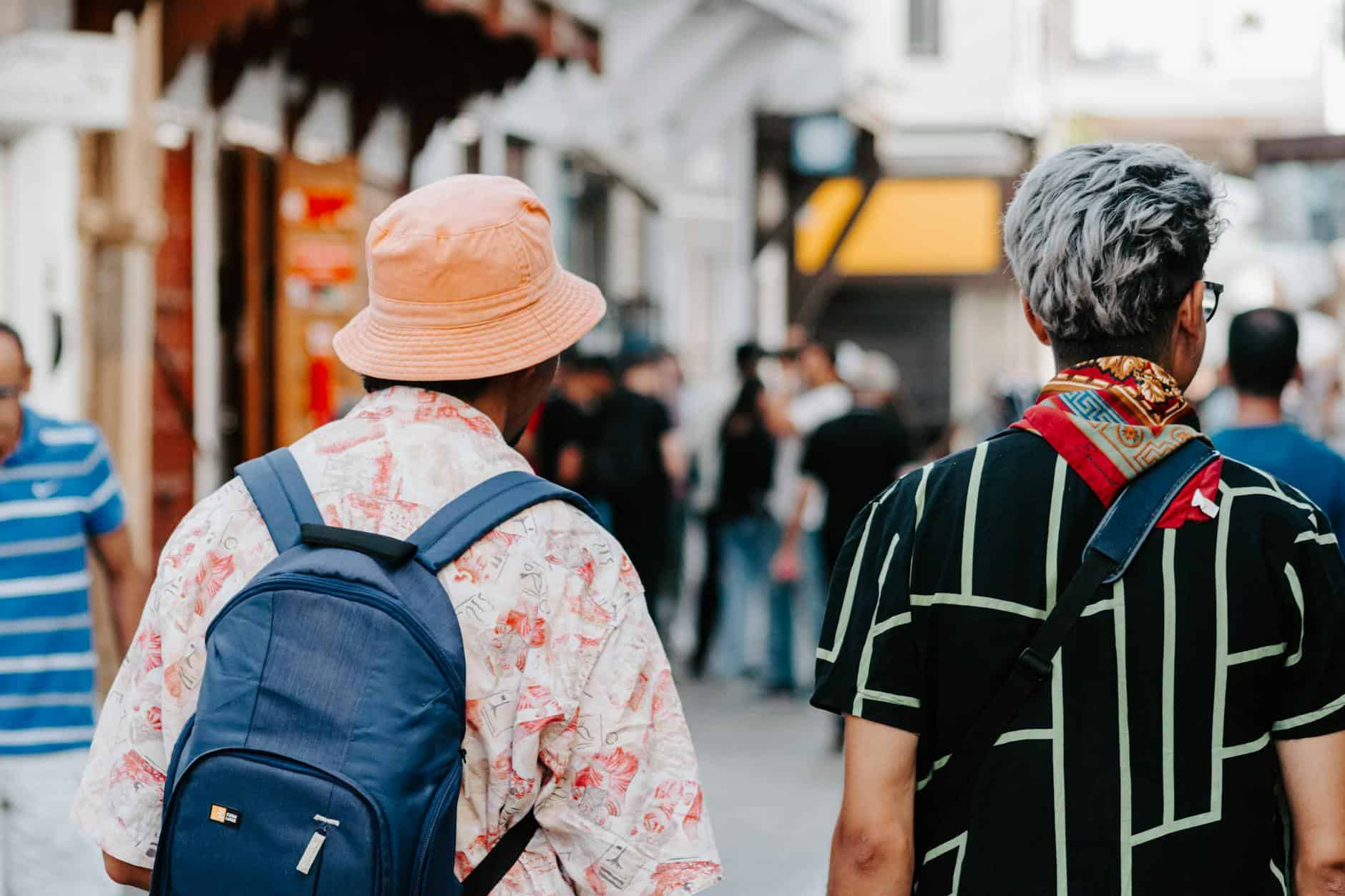
There is a persistent fantasy among repeat visitors that they eventually become indistinguishable from locals. This is almost always wrong, and the reasons are instructive.
Locals in any city have a specific quality of attention — or inattention — that is almost impossible to replicate through visiting. A Parisian walks through Paris not seeing Paris; they’re thinking about something else entirely. A Tokyo resident on the subway is not having a Japan experience; they’re commuting. The city has become invisible to them in a way it never becomes invisible to visitors, no matter how many times those visitors return.
The tell is always attention. Tourists look at things. Even veteran visitors look at things, just different things than first-timers. Locals mostly don’t. They’ve outsourced navigation to their feet and their subconscious and freed their minds for something else.
This is neither a failing of the visitor nor a superiority of the local. It’s just the difference between inhabiting a place and visiting it. The visitor’s attention, their persistent wonder at ordinary things, is in many ways richer than the resident’s background processing. But it marks them unmistakably.
The Specific Thing That Opens Up After Three Visits
Something specific happens around the third or fourth visit to the same place that most repeat visitors identify in retrospect: relationships become possible.
The restaurant where you’ve been every time now knows you. Not in a meaningful way — you are not friends with the waiter — but you are recognized. You are placed in the same neighborhood you always eat in. You know enough to ask about the unlisted specials. You have enough shared context that the interaction has some texture beyond transaction.
This is a form of place-belonging that is only available to repeat visitors, and it’s categorically different from what any guidebook or app can provide. It requires time. The bartender at the small hotel bar in Lisbon who asked, on your fourth trip, whether you’d been before and then remembered the answer — that person has given you something that no amount of research can replicate.
Repeat visitors almost universally identify some version of this relationship — with a shop owner, a guide, a neighborhood restaurant, a hotel concierge — as the thing that made a destination finally feel real to them. Not performing the place, not experiencing its famous parts, but being recognized as a returning person in it.
What Return Visitors Do Differently With Their Time

The behavioral differences between first and repeat visitors are measurable in how time gets allocated. First-time visitors typically over-schedule — packing as many experiences as possible into the available days. Repeat visitors consistently do the opposite: they schedule less, leave more time empty, and value slowness in ways that would have felt like waste on the first trip.
The shift reflects a changed relationship to information anxiety. First-timers need to see everything because they don’t know what matters. Repeat visitors have already done the seeing; they’re after something harder to name. The neighborhood they walk through without any destination in mind. The afternoon in a cafe with a book. The market visit that produces nothing but produce and an hour of ambient observation.
This is the version of travel that people who travel a lot consistently describe as the most satisfying, and it is almost inaccessible on a first trip to anywhere. You can’t decide to experience a place slowly before you know what you’re choosing slowness over.
The Place You Almost Didn’t Go Back To

Almost every serious traveler has a story about a place they went once, didn’t love, almost never returned to, and eventually came back to discover something completely different.
The pattern is consistent: the first trip was poorly timed, poorly planned, accompanied by the wrong expectations, or simply hit the destination on an off day. The traveler wrote it off. Years later, something — a recommendation, an anniversary, a cheap flight — brought them back. And the second experience bore almost no resemblance to the first.
This happens with cities most commonly. People visit New York during summer tourist season and decide the city is loud, crowded, overpriced, and overhyped. They return in October and understand it completely differently. They visit Barcelona in August and find it hot and exhausted; they return in April and fall in love with it.
The same place at different times, with different emotional context, with different preparation, produces experiences different enough that they’re sometimes hard to reconcile. Which suggests that what people are really reviewing, when they describe a destination, is their trip to it — not the place itself. The place is always more complex than any single visit allows.