Every State Has a Weekend City That Keeps Surprising People. Here Are the Ones Nobody Is Talking About.
We may earn money or products from the companies mentioned in this post. This means if you click on the link and purchase the item, I will receive a small commission at no extra cost to you ... you're just helping re-supply our family's travel fund.
This list has one rule: if the city is already famous for being underrated, it doesn’t qualify. Asheville was the answer to North Carolina for a decade — it’s not an answer anymore. Same goes for Marfa (Texas), Bozeman (Montana before the pandemic), and Traverse City (Michigan, already getting coverage). What follows are the cities that people keep coming back from stunned, the ones that haven’t fully arrived in the travel media cycle yet.
We’re not picking the state capital. We’re not picking the obvious tourist town. We’re picking the city that a knowledgeable local would suggest when asked where in their state most people should be going but aren’t.
The Northeast’s Overlooked Gems
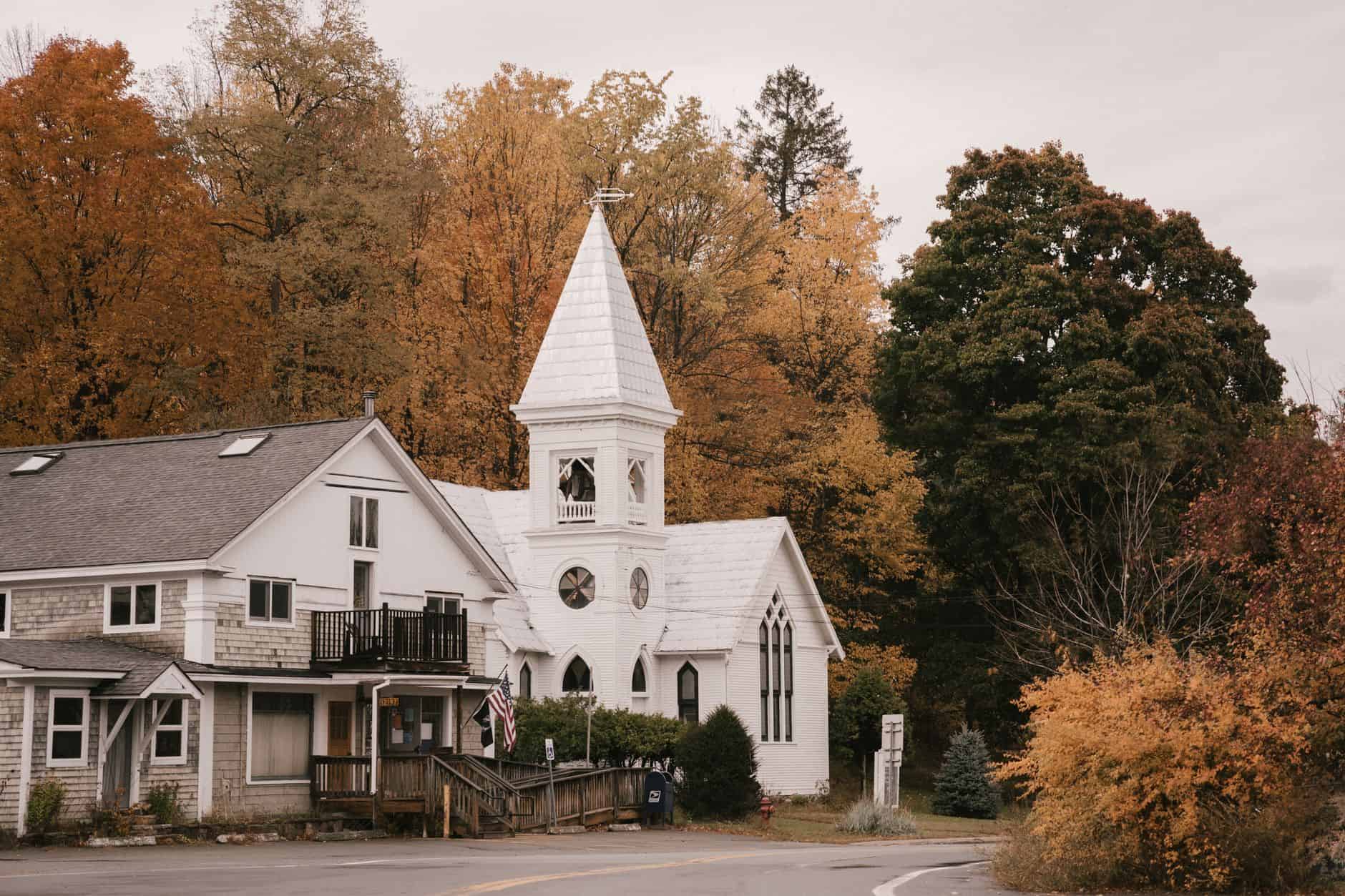
- Maine — Lewiston/Auburn Portland is the answer everyone gives for Maine, and Portland is correct. But the twin cities of Lewiston and Auburn, an hour north, have a Somali and Congolese immigrant community that has transformed the food scene in ways that are genuinely extraordinary for a former mill city. Bintou’s Kitchen and several other restaurants along Lisbon Street produce East African food you’d be hard-pressed to find better anywhere north of Boston.
- New Hampshire — Keene While everyone drives through Portsmouth or heads to North Conway, Keene has a genuinely livable downtown, one of the widest main streets in America (historical fact, not promotional copy), and proximity to spectacular fall foliage on a timeline that usually peaks before the Kancamagus Highway crowds arrive.
- Vermont — Rutland Burlington gets all the Vermont press, and Stowe gets the leaf-peeper traffic. Rutland sits between the Green Mountains and Lake Champlain with access to some of Vermont’s best skiing (Pico Mountain is cheaper and less crowded than Killington next door) and a downtown that’s been slowly and genuinely revitalized.
- Massachusetts — Lowell The first planned industrial city in America, Lowell has a National Historical Park that is one of the most undervisited in the system, a Cambodian-American food corridor that is exceptional, and a Jack Kerouac connection for literary travelers. 30 minutes from Boston on the commuter rail.
- Rhode Island — Woonsocket Newport has the mansions; Providence has the restaurants. Woonsocket, in the northern part of the state, has one of the strongest Franco-American cultural identities in New England — a direct heritage of the Quebec Catholic mill workers who built the city — and a compact downtown that rewards a Saturday morning.
- Connecticut — Putnam Putnam in the Quiet Corner of northeastern Connecticut has reinvented itself around antique stores and independent restaurants in a way that small-city revitalization case studies keep citing. A full block of antique dealers plus several genuinely good restaurants make it a strong day trip from anywhere in southern New England.
- New York — Ithaca Yes, Ithaca has Cornell. But what Ithaca has beyond Cornell — the gorges, the Finger Lakes wine country at its doorstep, the Ithaca Farmers Market (genuinely one of the best in the Northeast), and a food co-op culture that keeps the food quality high — makes it a weekend destination entirely independent of the university.
- New Jersey — Asbury Park The Springsteen association is real but increasingly background noise. Asbury Park’s beachfront revival — queer-friendly, arts-focused, and genuinely interesting restaurants and music venues within walking distance of a Victorian shoreline — has been quietly excellent for years. Two hours from Manhattan, cheaper than the Hamptons.
- Pennsylvania — Easton Bethlehm gets the Wegmans-and-Sands-Casino crowd. Easton, at the confluence of the Delaware and Lehigh rivers, has a historic downtown, the National Canal Museum, and a food scene that overperforms for its size.
- Delaware — Lewes Wilmington is the answer for Delaware business travelers. Lewes — pronounced “Lewis” — is the answer for everyone else: a historic maritime town on the Cape Henlopen peninsula with better beaches than the more crowded Rehoboth, accessible by a 17-mile bike trail from the Delaware Seashore State Park.
The South’s Best-Kept Secrets
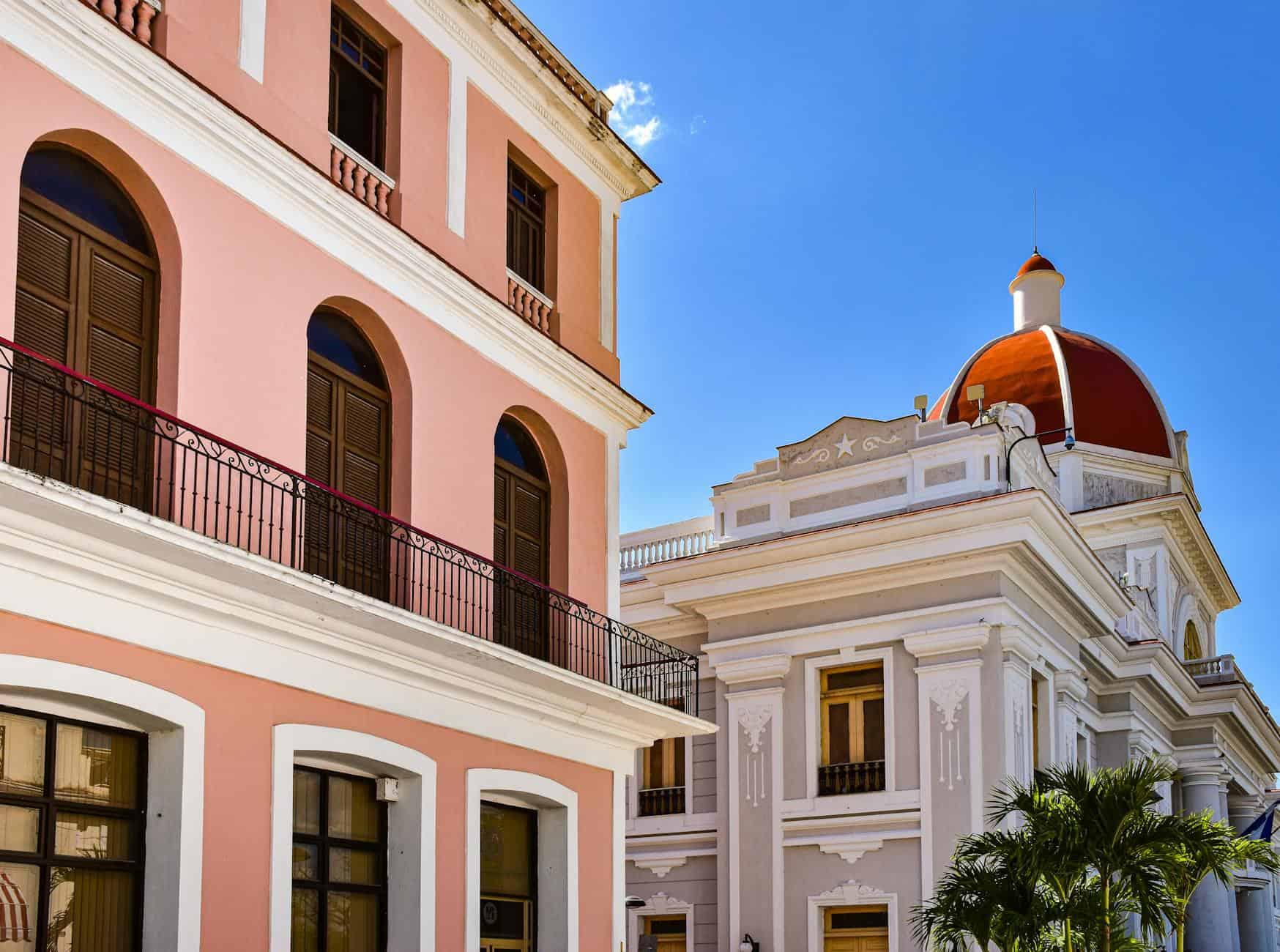
- Virginia — Staunton Charlottesville gets the UVA crowd. Staunton (pronounced “Stanton”) in the Shenandoah Valley is a remarkably intact Victorian city — the historic downtown’s Wharf District has been converted from industrial to excellent dining and independent retail without the gloss of over-renovation. American Shakespeare Center’s Blackfriars Playhouse is the only recreation of Shakespeare’s indoor theater in the world.
- West Virginia — Lewisburg Charleston is the capital; Morgantown has the university. Lewisburg is a small city with a walkable historic downtown, the Greenbrier resort nearby (if budget allows), and proximity to some of the best white-water rafting in the East (New River Gorge).
- Maryland — Frederick DC’s suburbs absorb most Maryland visitor energy. Frederick, 45 miles northwest in the foothills, has a beautiful Civil War-era downtown, a cluster of independently owned restaurants and antique shops, and Carroll Creek Linear Park — a flood-control project turned into one of the better urban parks in the region.
- North Carolina — New Bern Asheville’s taken, Wilmington is known. New Bern — birthplace of Pepsi and an early colonial capital — has handsome historic architecture, a location at the confluence of the Trent and Neuse rivers, and a craft brewery scene that has arrived quietly and well.
- South Carolina — Beaufort Charleston gets the historic city traffic. Beaufort, 70 miles south, was the filming location for Forrest Gump, The Big Chill, and The Prince of Tides for a reason — it’s visually extraordinary, with antebellum architecture intact and the Lowcountry light that painters have been chasing for a century.
- Georgia — Columbus Atlanta occupies all the oxygen. Columbus, on the Chattahoochee River in western Georgia, has the longest urban whitewater course in the world — the rapids were created by removing dams and are legitimately world-class for kayaking and rafting — plus a RiverWalk that has made it one of the more successful river-city revitalizations in the South.
- Florida — Fernandina Beach (Amelia Island) Miami. Orlando. Key West. Tampa. Florida’s name-recognition cities are all known. Fernandina Beach on Amelia Island in the northeast corner of the state has a Victorian downtown — Florida’s only one — miles of relatively uncrowded beach, and a culinary scene that benefits from the town’s history as a shrimping center.
- Alabama — Florence Birmingham has the food scene. Huntsville has the space camp crowd. Florence, in the Shoals region of northern Alabama, is the birthplace of W.C. Handy and the heart of what is quietly one of America’s most interesting small music regions — Muscle Shoals Sound Studio recorded Aretha Franklin, The Rolling Stones, and Wilson Pickett. The studio is a museum now and the pilgrimage is absolutely worth it.
- Mississippi — Ocean Springs Biloxi is casino hotels and spring breakers. Ocean Springs, directly across the bay, is an art colony that has been quietly excellent for decades — the Walter Anderson Museum of Art alone justifies the trip, and the downtown has a concentration of independent galleries, restaurants, and bookshops that punches significantly above its population.
- Louisiana — Natchitoches New Orleans is irreplaceable and overrun. Natchitoches (“NAK-uh-tish”) is the oldest city in the Louisiana Purchase territory, has a stunning historic district of Creole cottages, is famous for its meat pies, and remains largely undiscovered beyond the Steel Magnolias film tourism. Genuinely extraordinary.
- Arkansas — Eureka Springs Fayetteville has the university energy. Eureka Springs is a Victorian-era spa town built on steep Ozark hillsides with streets so narrow that car travel is essentially replaced by walking — an entire historic downtown with no parallel in Arkansas and almost none in the South.
- Tennessee — Jonesborough Nashville is in its bachelor party era. Jonesborough is Tennessee’s oldest town, the birthplace of the American storytelling revival (it hosts the National Storytelling Festival every October), and a preserved downtown of Federal-style architecture that draws visitors who had no idea this existed in Tennessee.
- Kentucky — Paducah Louisville has the bourbon and the Derby. Lexington has the horses. Paducah, at the confluence of the Ohio and Tennessee rivers, has been designated a UNESCO Creative City of Crafts and Folk Art — the only city in the United States with that designation — largely for its quilt museum and thriving arts district.
The Midwest’s Quietly Excellent Cities
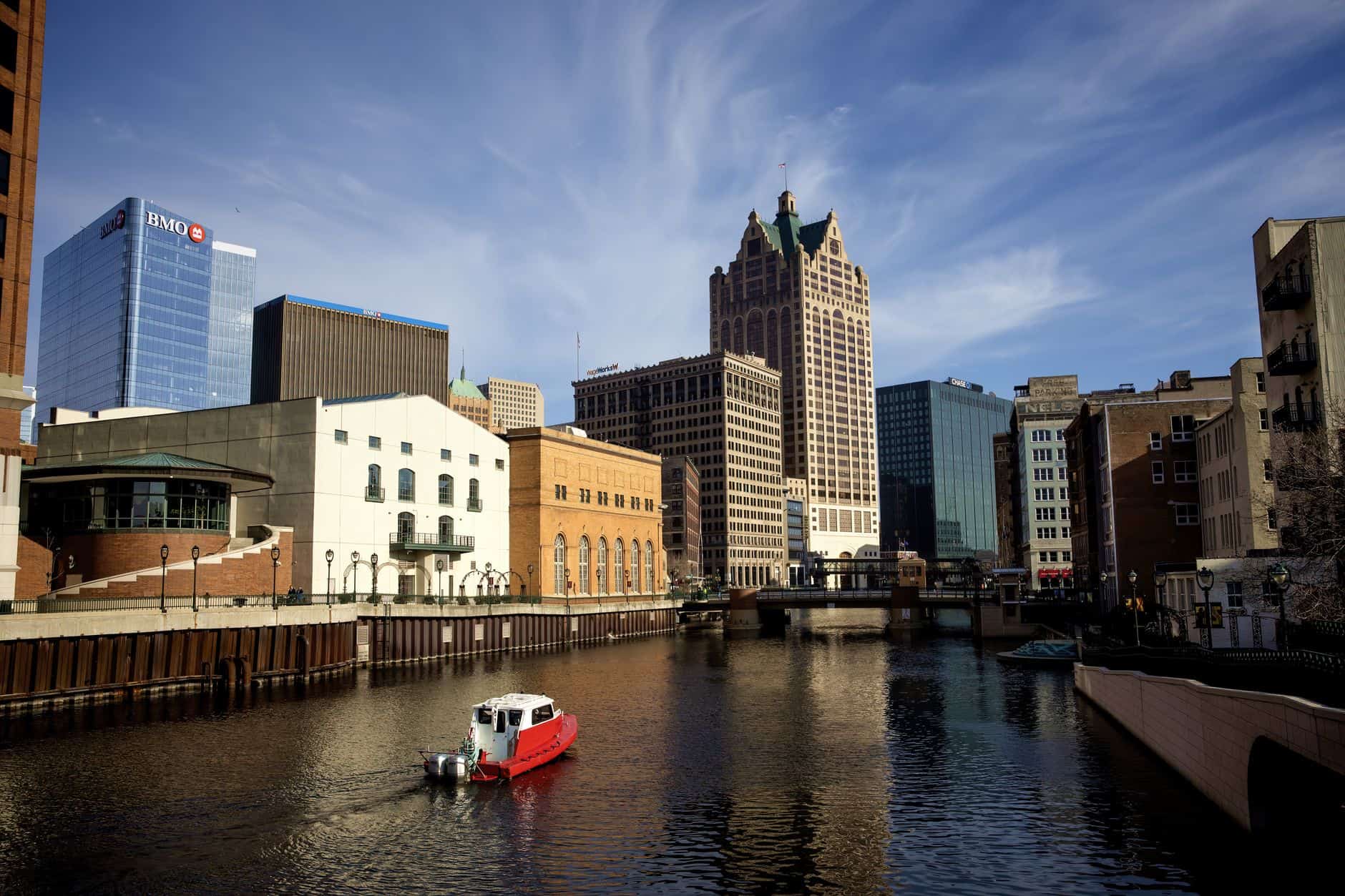
- Ohio — Yellow Springs Columbus gets the food-and-sports crowd. Cleveland gets the Rock Hall visitors. Yellow Springs is a small college town (Antioch) with a counterculture character, excellent independent retail on Xenia Avenue, and Clifton Gorge and Glen Helen Nature Preserve immediately adjacent. John Bryan State Park for hiking. Genuinely one of the most pleasant small towns in the Midwest.
- Indiana — Madison Indianapolis and Bloomington get the Indiana press. Madison, on the Ohio River in the southeastern corner of the state, has the most intact antebellum commercial district in the Midwest — the entire downtown is on the National Register of Historic Places — plus a dramatic hillside setting that most people don’t associate with Indiana.
- Michigan — Marquette Traverse City is covered. The Upper Peninsula’s largest city, Marquette, on Lake Superior, has a wilderness-adjacent character unlike anywhere in the Lower Peninsula, a genuinely good food scene anchored by the college (Northern Michigan University), and access to Pictured Rocks National Lakeshore an hour to the east.
- Wisconsin — Mineral Point Milwaukee and Madison do fine on their own. Mineral Point, in the southwestern “driftless” region of Wisconsin, is a former Cornish mining town with intact 19th-century stone architecture, the strongest arts-and-crafts gallery concentration in the state, and Pendarvis — a state historic site of restored Cornish miners’ cottages.
- Minnesota — Duluth Duluth gets some press but still underperforms relative to what it delivers: a dramatic harbor on Lake Superior, Canal Park, the revitalized Lincoln Park Craft District, and access to the Boundary Waters Canoe Area Wilderness that makes Duluth one of the best gateway cities to serious wilderness in the lower 48.
- Iowa — Dubuque Des Moines is having a food-scene moment. Dubuque, on the Mississippi River bluffs in eastern Iowa, has Victorian architecture, a historic cable car (the Fenelon Place Elevator, the world’s shortest and steepest scenic railway), the National Mississippi River Museum, and a revitalized downtown that consistently outperforms expectations.
- Missouri — Cape Girardeau St. Louis and Kansas City anchor Missouri’s travel identity. Cape Girardeau, on the Mississippi River in the southeastern corner of the state (birthplace of Rush Limbaugh, for what it’s worth), has a beautiful riverfront, well-preserved Victorian downtown, and proximity to the Trail of Tears State Park and the Delta Blues Trail connection into Arkansas.
- Illinois — Galena Chicago eclipses everything. Galena, tucked into the northwestern corner of Illinois in the driftless hills, is an intact 19th-century river port with Ulysses Grant’s home, a walkable main street of Victorian commercial buildings, and one of the most physically dramatic settings of any small town in the Midwest.
- Nebraska — Omaha Lincoln has the university. Omaha — covered in a separate section of this batch — deserves its position here as the most underrated food city in America’s middle section.
- Kansas — Cottonwood Falls Wichita and Kansas City span the state’s obvious choices. Cottonwood Falls, in the Flint Hills, is a tiny town that serves as the gateway to the most intact tallgrass prairie landscape remaining in North America. The Chase County Courthouse (1873) is Kansas’s oldest courthouse in continuous use, and the landscape around it — rolling, treeless, wind-swept — is one of the genuinely great American landscapes that almost nobody visits.
- North Dakota — Fargo North Dakota doesn’t have underrated city competition. Fargo is the largest city, has a revitalized Broadway area with good restaurants and independent retail, and the Plains Art Museum is legitimately excellent for a city its size.
- South Dakota — Deadwood Mount Rushmore draws the state-park crowd. Deadwood, in the Black Hills, has a preserved gold rush Main Street, legal gambling, the Adams Museum of local history, and a Wild West character that, unlike many such towns, is rooted in actual historical events happening on these actual streets.
The Mountain West’s Surprising Destinations
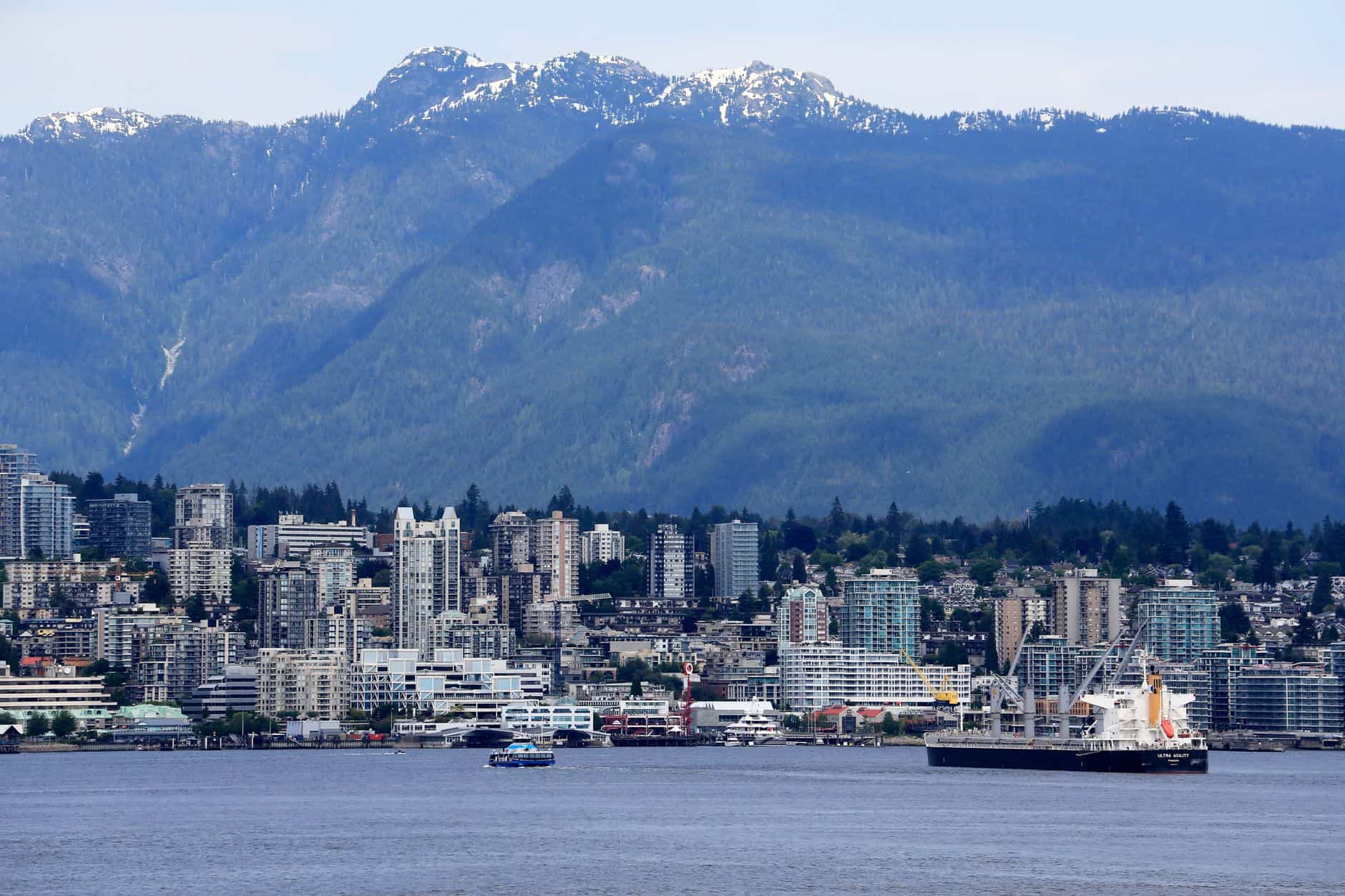
- Montana — Miles City Missoula and Bozeman have arrived as destination cities. Miles City, on the Yellowstone River in eastern Montana, is still legitimately off the beaten path — a working ranch town with the annual Bucking Horse Sale (one of the most authentic rodeo events in the West), a compact historic downtown, and the Range Riders Museum for serious Western history.
- Wyoming — Cody Jackson Hole and Yellowstone are Wyoming’s travel anchors. Cody, founded by Buffalo Bill Cody and sitting at the east entrance to Yellowstone, has the Buffalo Bill Center of the West — a complex of five museums that is genuinely extraordinary for the American West, history, and natural science.
- Colorado — Pueblo Denver, Aspen, Telluride, Moab-adjacent — Colorado’s travel list is long. Pueblo, in the southern part of the state, has the Arkansas Riverwalk (a 26-mile trail system), the Pueblo Chile Festival in September (Pueblo green chiles are a genuine agricultural product with a regional following), and a steel-town history that produced a distinctive regional character.
- Idaho — Sandpoint Sun Valley gets the resort traffic. Sandpoint, on Lake Pend Oreille in the Idaho Panhandle, is a small city with an arts community, reasonable skiing at Schweitzer Mountain, and the kind of outdoors access (hiking, kayaking, the lake itself) that larger resort towns charge premium rates to be near.
- Nevada — Ely Las Vegas and Reno absorb Nevada’s visitor identity entirely. Ely, in the Great Basin, is the gateway to Great Basin National Park — which contains Nevada’s only glacier, ancient bristlecone pines, Lehman Caves, and the Wheeler Peak summit at 13,063 feet — and has a mining history preserved in the Nevada Northern Railway Museum where you can actually ride a steam-powered train.
- Utah — Moab’s quiet twin — Green River Moab gets everything. Green River, 50 miles north, is the official Watermelon Capital of the World (genuinely — the John Wesley Powell River History Museum here is excellent), a rafting gateway town that costs 40% less than Moab for accommodation, and access to Goblin Valley State Park, one of Utah’s strangest landscapes.
- Arizona — Bisbee Sedona and the Grand Canyon own Arizona’s travel conversation. Bisbee, in the Mule Mountains near the Mexican border, is a former copper mining town that has become one of the most distinctive small cities in the American West — steep streets, Victorian architecture, a strong arts community, and a former open-pit mine (the Lavender Pit) that is weirdly beautiful.
- New Mexico — Silver City Santa Fe and Taos are the New Mexico answers. Silver City, in the southwest corner of the state near the Gila Wilderness, has a historic downtown, a cluster of galleries driven by the proximity to Western New Mexico University’s art program, and access to the Gila Cliff Dwellings National Monument — 700-year-old Mogollon dwellings in a canyon that sees a fraction of Mesa Verde’s crowds.
The Pacific Coast’s Under-the-Radar Picks
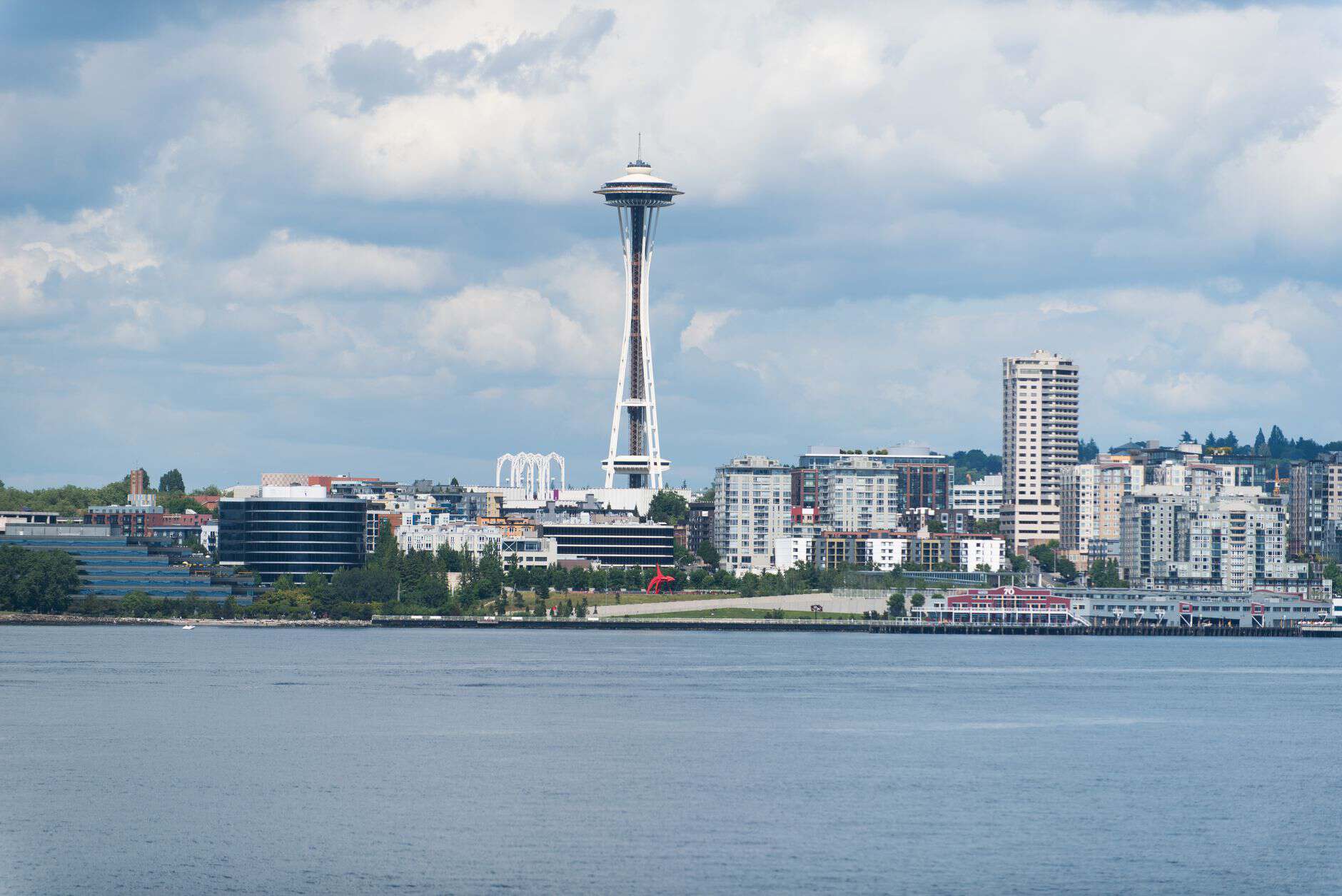
- Washington — Walla Walla Seattle’s pull is enormous. Walla Walla, in the eastern part of the state, is one of the most underrated wine regions in America — over 100 wineries producing Cabernet Sauvignon, Syrah, and Bordeaux blends in a high-desert environment, concentrated in a compact historic downtown with a small college (Whitman) that keeps the cultural life punching above its weight.
- Oregon — Astoria Portland and Bend are Oregon’s known quantities. Astoria, at the mouth of the Columbia River, is the oldest American settlement west of the Rockies, was the filming location of The Goonies and Kindergarten Cop, has Victorian houses climbing steep hills above the river, and a seafood and coffee culture that is genuinely excellent.
- California — Eureka California’s list of known cities is so long that genuinely underrated is difficult. Eureka, on Humboldt Bay in the redwood-forest north, has a preserved Victorian downtown (Old Town), proximity to Prairie Creek Redwoods and Humboldt Redwoods State Parks, and the Blue Ox Millworks — a working Victorian-era millworks and crafts school that is one of the stranger and more wonderful places in California.
- Alaska — Sitka Juneau is the capital. Anchorage is the hub. Sitka, accessible only by air or ferry, was Russia’s colonial capital (Russian America) and has the most extraordinary physical setting of any small American city — Sitka Sound, the volcanic cone of Mount Edgecumbe, and St. Michael’s Cathedral (the only Russian Orthodox cathedral in the Americas). The Raptor Center rehabilitating bald eagles is genuinely moving.
- Hawaii — Hilo Honolulu and Maui and Kona have Hawaii’s travel attention. Hilo, on the rain-soaked east side of the Big Island, is where residents actually live and where prices are actually reasonable — the Hilo Farmers Market on Wednesdays and Saturdays is one of the great farmers markets in America, the Panaewa Rainforest Zoo is free and has white Bengal tigers, and the proximity to Hawaii Volcanoes National Park without paying Kona hotel rates makes it the smartest base on the island.
- Hawaii (Bonus) — Lānaʻi Maui’s satellite island, accessible by ferry, is almost entirely owned by Larry Ellison (Oracle). But the result of that ownership is two genuinely extraordinary Four Seasons resorts and an island largely free of mass tourism development. A day trip from Maui or a one-night stay is an experience that bears almost no resemblance to mainstream Hawaiian tourism.
There are good cities in every state — places with distinct character, genuine food scenes, and history that didn’t get the travel-media allocation they deserve. The list above is a starting point, not a ceiling. The best travel still happens when you show up to a place that doesn’t quite know it’s been discovered yet.