The ‘Instagram Husband’ Travel Dynamic Is Ending Relationships — and Therapists Who Work With Couples Are Starting to Notice
We may earn money or products from the companies mentioned in this post. This means if you click on the link and purchase the item, I will receive a small commission at no extra cost to you ... you're just helping re-supply our family's travel fund.
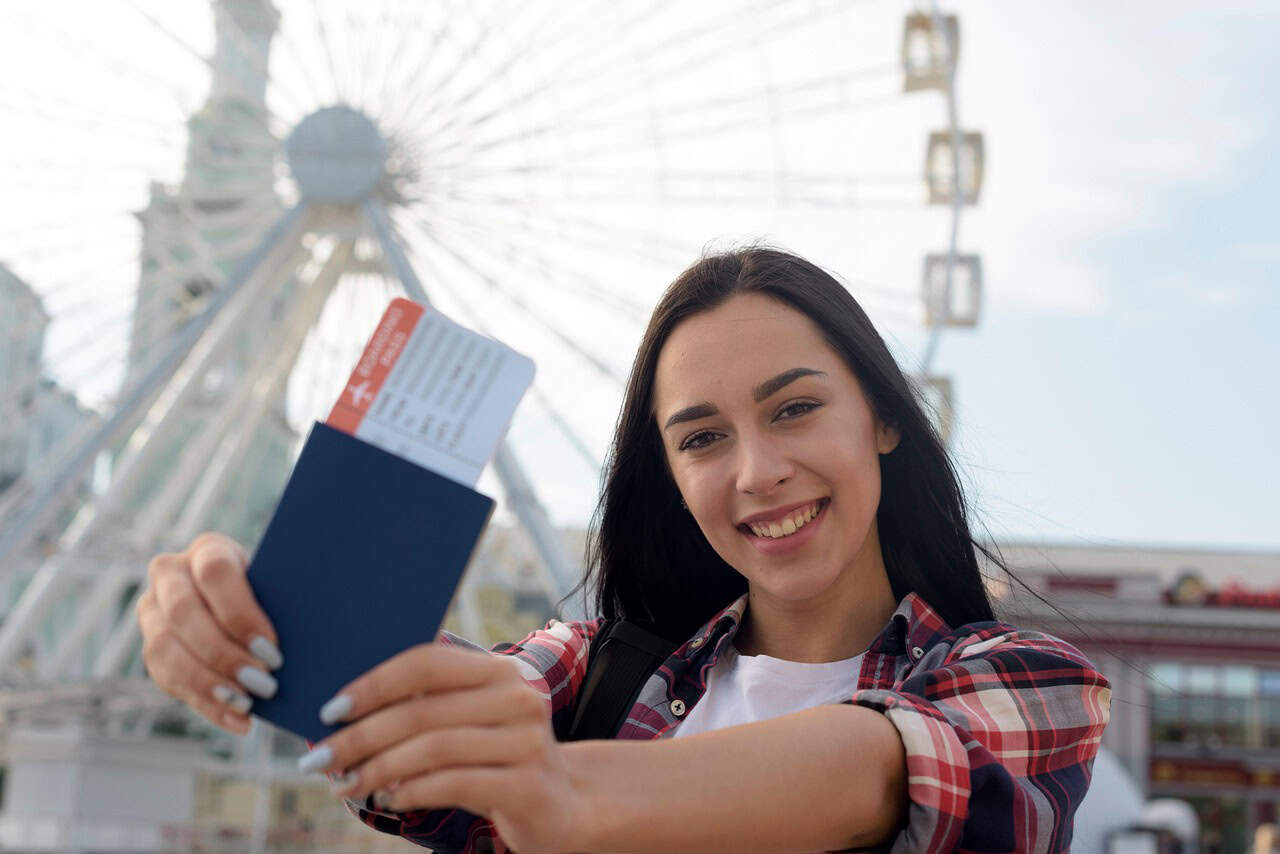
The term “Instagram husband” emerged as a joke somewhere around 2015 — a meme about the partner conscripted into photographer duty so their significant other could maintain a curated social media presence. It was funny. It spawned a viral video. Couples laughed about it.
In 2026, therapists who work with couples are describing something less funny: a documented pattern of travel-related resentment that frequently cites the photography dynamic as a primary presenting complaint, that tracks along predictable emotional stages, and that in a meaningful subset of cases contributes to breakups that wouldn’t have happened if the couple had traveled differently.
This isn’t a think piece about social media being bad. It’s a specific look at what happens to relationships when one partner’s experience of travel becomes fundamentally subordinate to the other’s content production — and why the travel context specifically makes it worse.
What the ‘Instagram Husband’ Dynamic Actually Looks Like on the Ground

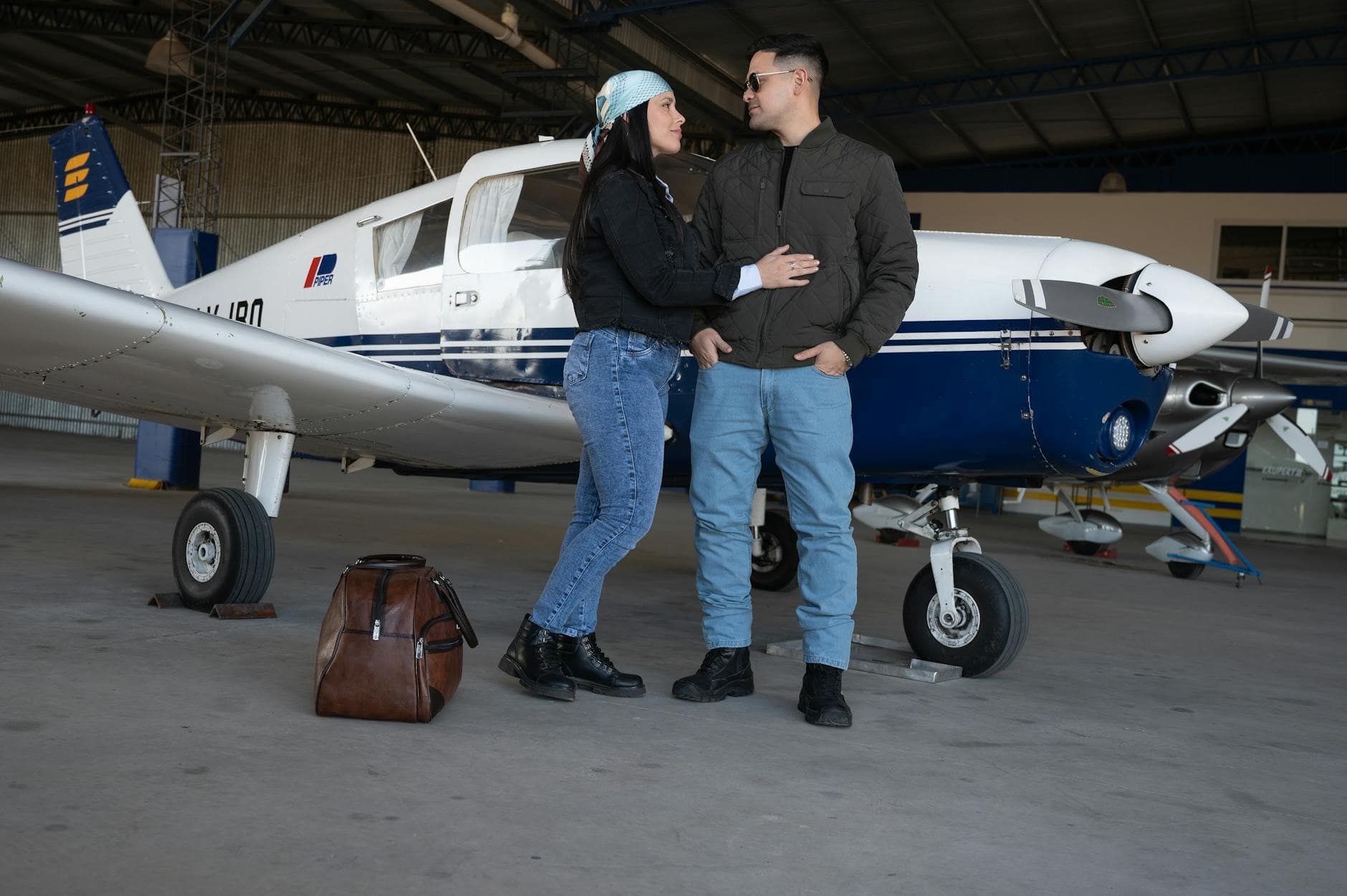
The dynamic is recognizable once you know what you’re looking for. Walk through any major tourist destination — Santorini’s caldera edge, Bali’s Tegallalang rice terraces, Paris’s Trocadéro — and you’ll see it playing out in real time.
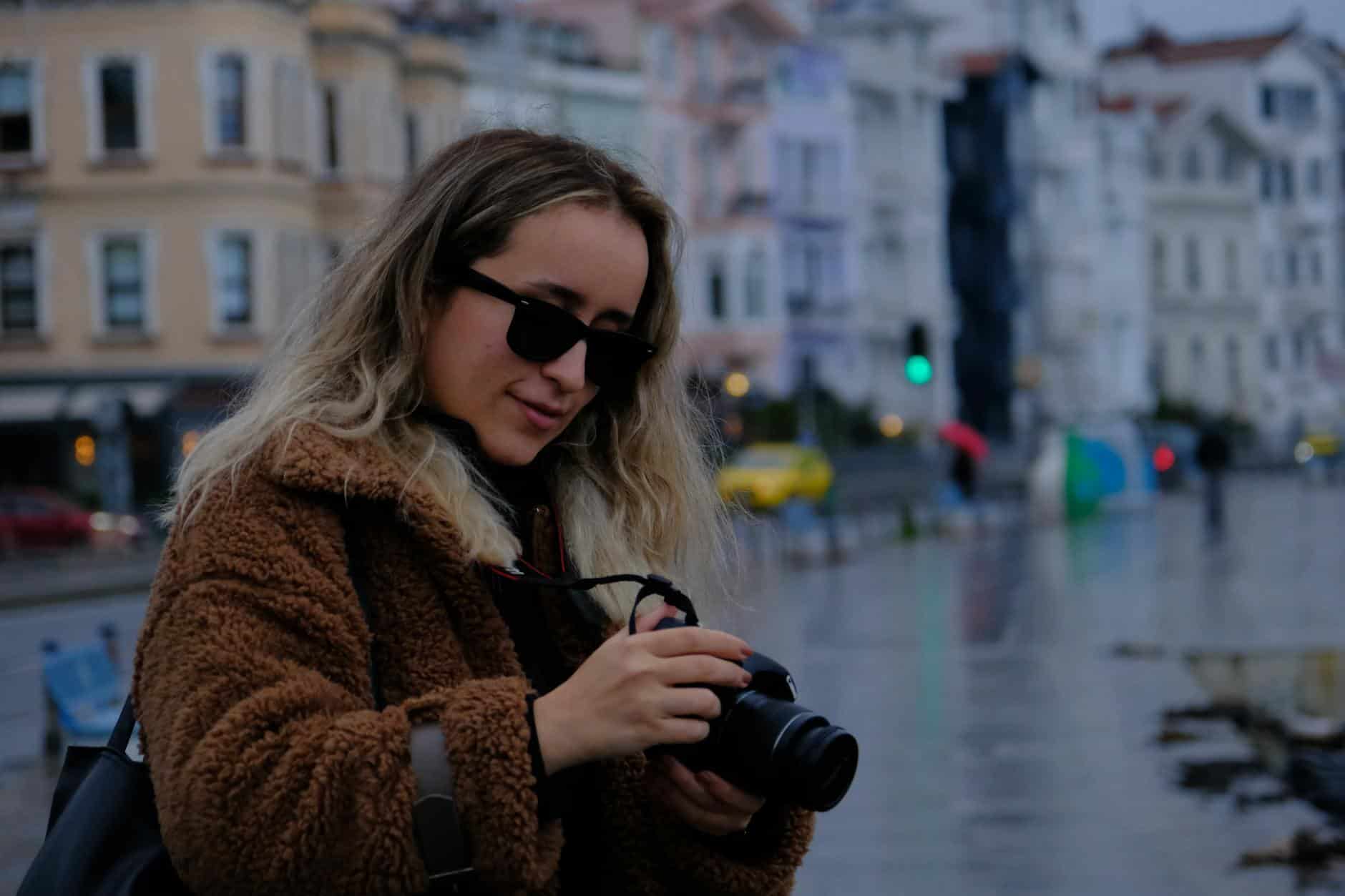
One partner stands in position. The other photographs. The photographs are reviewed. Reshoots are requested. The position is adjusted. More photographs. Review. The lighting has changed. Move here. No, more to the left. Can you get the whole arch in? Get lower. The photographing partner — almost always but not exclusively male — stands, waits, adjusts, waits, scrolls through 40 photos to identify the two that will be posted.
In isolation, this is a minor inconvenience. Over the course of a 10-day trip with 8 to 10 content stops per day, it becomes something else. The partner behind the camera has experienced the trip primarily as a technical problem to solve. The partner in front of the camera has experienced it as a performance. Neither has experienced it as a shared adventure.
The Resentment Pattern: How It Builds Over Multiple Trips

The emotional trajectory follows a fairly consistent arc, based on accounts from therapists and couples who’ve discussed this publicly:
- Stage 1 — Accommodation: The non-content partner agrees to help, doesn’t love it but frames it as “supporting your partner’s passion.” This stage can last months or years.
- Stage 2 — Passive resistance: The photos get slightly worse. The non-content partner is technically complying but not invested. This is rarely identified consciously by either partner.
- Stage 3 — Visible tension: Arguments emerge about specific photoshoots that took too long, specific locations that were chosen for content rather than experience, specific experiences that were skipped because they weren’t “photogenic.”
- Stage 4 — The fundamental question: One or both partners begin to ask, implicitly or explicitly, whether the trip was for them or for an audience. This question, once asked, is hard to un-ask.
The time from Stage 1 to Stage 4 varies widely, but multiple therapists who’ve discussed this publicly describe seeing it compress over the years as social media expectations have intensified.
What Therapists Who Work With Couples Are Seeing

Therapists who treat couples with travel-heavy lifestyles have begun identifying the photography dynamic as a discrete presenting issue, not just a symptom of broader relationship problems.
The core issues that come up in therapy around this dynamic:
- Asymmetry of experience: When one partner’s primary travel role is to make the other partner look good, the experience of the trip becomes fundamentally unequal. The person being photographed may feel celebrated; the person behind the camera often feels invisible.
- Autonomy and agency: The non-content partner often describes feeling as though their preferences — where to go, how long to stay, what to eat — are subordinate to content requirements. Decisions get made by what photographs well, not by mutual desire.
- The audience relationship: The content partner is, to some degree, in a relationship with their audience as well as their partner. Partners who aren’t creating content often describe feeling as though the audience’s needs are prioritized over theirs.
- The accountability gap: Content creation provides measurable feedback — likes, followers, engagement. The non-content partner’s satisfaction is immeasurable and, as a result, often goes unaddressed.
The Data Behind Travel and Relationship Stress
Hard data on the Instagram husband dynamic specifically is limited — it’s a recent-enough cultural phenomenon that longitudinal research is sparse. What does exist:
- A 2022 study in the Journal of Consumer Psychology found that travel experiences documented for social media were experienced as less enjoyable by participants during the experience itself, even when they were later satisfied with the content produced
- Research on the “social media and relationship satisfaction” question more broadly has found consistent associations between intensive social media use and lower relationship satisfaction, though the causal direction is contested
- Survey data from travel companies — not peer-reviewed but directionally useful — suggests that “disagreements over trip planning priorities” rank among the top five travel-related relationship stressors, with a meaningful portion of couples citing social media content as a planning driver
Why Travel Amplifies This Dynamic More Than Other Contexts
Content production happens in many parts of couples’ lives — home renovation, food, parenting. Why does travel specifically produce this level of relationship stress?
Several reasons:
- Time scarcity: A trip has a fixed duration. Time spent on a photoshoot is time not spent on the experience. The resource is finite in a way it isn’t in everyday life.
- Financial weight: Trips are expensive. When money has been spent on an experience and the experience is being mediated through a camera, the non-content partner may feel the financial investment isn’t serving them.
- Location as props: The world’s most beautiful places are experienced, in this dynamic, as backgrounds for photographs rather than as places in themselves. A sunset in Santorini becomes staging. A waterfall in Iceland becomes a backdrop. The place stops being the point.
- Vulnerability: Travel puts people in uncomfortable, unfamiliar situations that require mutual support. When one partner is primarily focused on content production, the other partner may feel that support is withdrawn precisely when they need it.
The ‘Content Trip’ vs. the Actual Vacation
A meaningful distinction has emerged in online travel communities between content trips — travel explicitly designed to produce content — and personal travel. The distinction exists and is valid. Problems arise when one partner thinks they’re on one kind of trip and the other thinks they’re on the other kind.
Couples who create content professionally — and who have agreed to that dynamic together — often describe the experience very differently from couples where only one partner is content-focused. The distinction is agreement and shared purpose.
The resentment pattern described by therapists tends to emerge most acutely when:
- The content purpose of a trip was not explicitly agreed upon in advance
- One partner’s content priorities escalated over time beyond what the other understood they’d signed up for
- The audience relationship became emotionally primary — the content partner cares more about audience response than partner experience
What Couples Who Navigate This Well Actually Do Differently
Therapists and couples who’ve worked through this dynamic describe specific practices that help:
- Explicit trip agreements before departure: Naming which trips are content trips and which are personal trips, and holding to the agreement once in the destination
- Time-bounded content windows: Designating specific times for content work and protecting other times as experience-only — no camera out, no reshots, just being in the place
- Hired photographers at key locations: For couples where the dynamic is causing consistent tension, paying for a professional photographer at a specific location eliminates the burden on the partner entirely
- Reciprocal content: Some couples describe moving toward content that features both partners actively, rather than one partner always being the subject and the other always behind the camera
- Honest accounting after the trip: Asking directly — not defensively — whether both people felt the trip served them
When It Actually Ends the Relationship
Therapists describe the travel content dynamic as rarely the sole cause of a breakup — but as a reliable accelerant. In relationships where other structural issues exist, the repeated experience of having a vacation feel like an unpaid content production job can be a breaking point.
The accounts that show up in breakup forums and anonymous relationship communities often follow this pattern: the non-content partner tolerated the dynamic for years, gradually began declining trips or dreading them, started valuing solo travel or trips with friends over trips with their partner, and eventually identified the travel dynamic as evidence of a broader imbalance in the relationship — whose desires matter, whose contributions are seen, whose experience counts.
The Instagram husband meme stopped being funny for the people living inside it.