A $150 Hotel Room Can Feel More Expensive Than a $400 One. Here’s the Specific Stuff That Decides It.
We may earn money or products from the companies mentioned in this post. This means if you click on the link and purchase the item, I will receive a small commission at no extra cost to you ... you're just helping re-supply our family's travel fund.
Price is a surprisingly weak predictor of how expensive a hotel room actually feels once you’re inside it. Hospitality researchers and frequent travelers consistently point to a specific set of sensory and design details — details that cost relatively little to get right — that determine whether a room feels like a good value or like a rip-off, almost independent of the number on the invoice.
The Details That Actually Signal Value
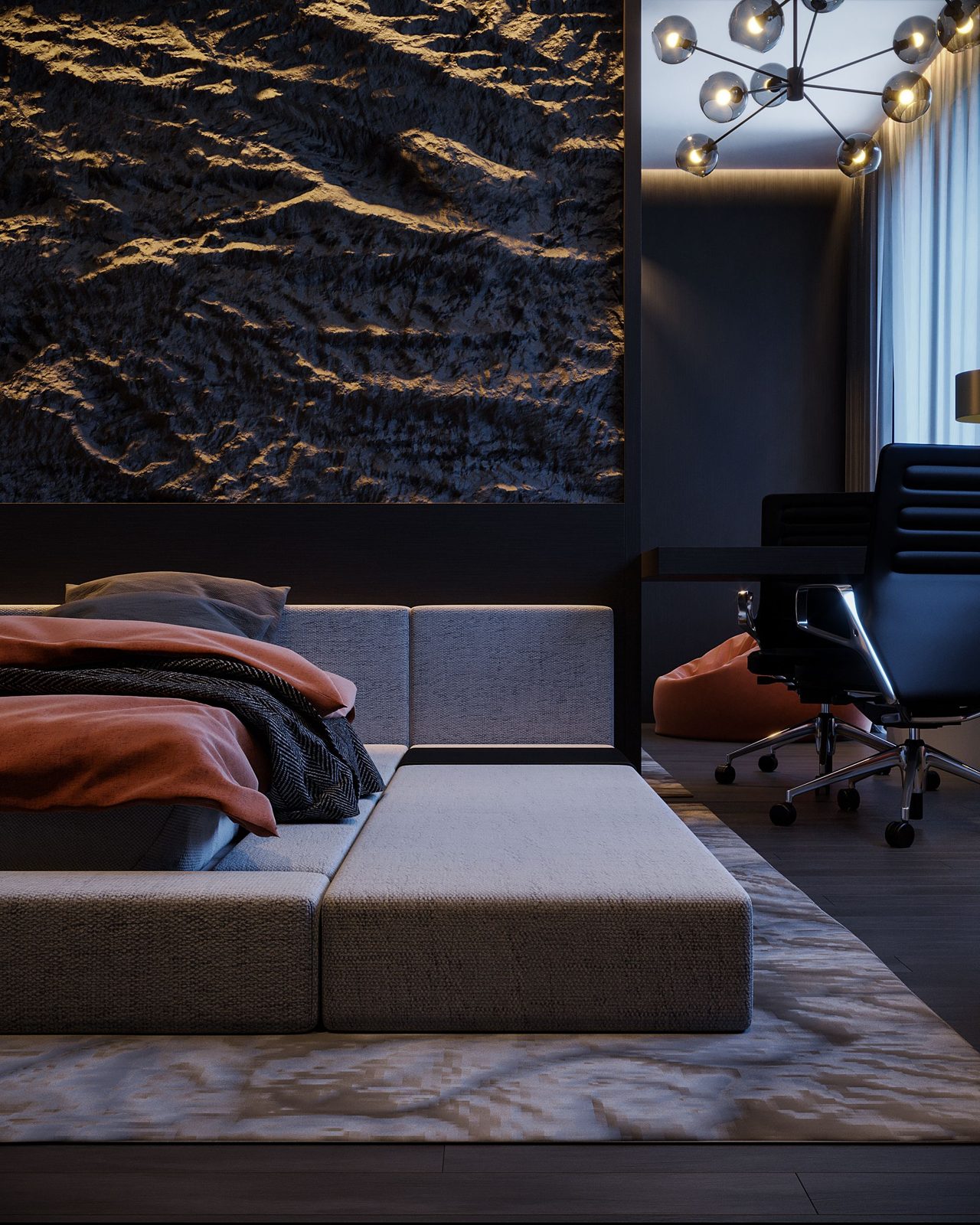
Lighting is the single most consistent factor hospitality designers point to. Rooms with harsh overhead fluorescent lighting and no layered lamp options feel institutional and cheap regardless of thread count or furniture quality, while rooms with warm, adjustable, multi-source lighting — a bedside lamp, an accent light, dimmable overheads — read as considered and comfortable even in a modest budget property. Water pressure and shower design run a close second: a strong, well-designed shower with a rain-style head and good drainage does more to make a room feel worth the price than almost any other single amenity, while weak pressure and a leaky shower curtain undermine an otherwise nice room instantly.
The Specific List Hospitality Designers Point To
- Lighting quality and layering, not just brightness — warm, adjustable light reads as expensive; flat fluorescent light reads as cheap
- Water pressure and shower design, which travelers rate disproportionately high in post-stay satisfaction surveys relative to its actual cost to a hotel
- Sound insulation — hearing hallway conversations or adjacent room noise instantly cheapens the perceived value of a room, regardless of decor
- Smell — a room with a musty or heavily artificial air-freshener scent reads as poorly maintained even if it’s objectively clean
- Weight and quality of textiles: towels and bedding, more than furniture style, are what guests physically interact with most and judge most directly
Why Price and Perceived Value Diverge So Often
Many of the details that most influence perceived value are maintenance and design choices rather than construction-cost choices, which is why a well-run independent budget property can outperform an expensive but poorly maintained branded hotel on the specific dimensions guests actually notice. A $400 room with worn carpet, weak water pressure, and thin walls will consistently generate more complaints and lower satisfaction scores than a $150 room where the owner has clearly prioritized lighting, linens, and a strong shower, even though the latter costs a fraction to book.
The Psychological Layer on Top of the Physical One
Beyond physical details, perceived value is heavily shaped by whether a guest feels they’re being charged fairly and transparently. A moderately priced room with no hidden resort fees, a straightforward check-in, and a staff member who answers a question directly tends to generate a stronger sense of value than a nominally nicer room where the guest discovers unexpected charges at checkout or feels processed rather than welcomed. This expectation-management effect is well documented in hospitality customer satisfaction research: surprise costs and friction erode perceived value disproportionately relative to their actual dollar impact, because they violate a guest’s sense of the deal they thought they’d made.
What This Means for How You Should Actually Book
Reading recent guest reviews specifically for comments about lighting, water pressure, noise, and unexpected fees will tell you more about how a room will actually feel than the star rating or price point alone. Independent boutique properties and well-reviewed budget chains that have clearly invested in these specific details routinely outperform expensive but generic options on the dimensions that actually shape a guest’s sense of whether they got their money’s worth, which is exactly why star ratings and nightly rates remain such unreliable proxies for the experience you’re actually going to have.
How Hotel Chains Are Responding to This Research
Several major hotel chains have begun explicitly redesigning renovation standards around these specific findings rather than around headline amenities, shifting capital toward lighting upgrades, water pressure improvements, and sound insulation in refreshed properties rather than purely cosmetic changes like new furniture or paint. Independent boutique properties, often working with tighter renovation budgets, have in some cases moved faster on this front than larger chains precisely because they can prioritize these specific, lower-cost-per-impact details without needing to follow a brand-wide renovation template designed around different priorities.
A Quick Checklist Before You Book
- Search recent reviews for the words ‘noise,’ ‘shower,’ ‘smell,’ and ‘fee’ specifically, rather than relying on the overall star rating
- Check whether resort fees or other mandatory charges are disclosed upfront in the total price shown, not just in the fine print
- Look at guest-uploaded photos rather than only professional marketing photos, since guest photos are far more likely to reveal actual lighting and maintenance conditions
The Bottom Line Before You Book
The number on a hotel booking site tells you less than you’d think about how a room will actually feel once you’re standing in it. Learning to read for the details that actually predict comfort is a better use of ten minutes than comparing star ratings alone.