A Restaurant Goes Viral on TikTok and Has About Eighteen Months Before the Crowd Moves On. Here’s What Happens in Between.
We may earn money or products from the companies mentioned in this post. This means if you click on the link and purchase the item, I will receive a small commission at no extra cost to you ... you're just helping re-supply our family's travel fund.
Destinations and businesses that go viral on TikTok follow a strikingly consistent lifecycle, according to researchers studying the platform’s effect on tourism patterns — an initial surge of visitor interest driven by algorithmic amplification, a peak period of overcrowding and often significant local backlash, and then a decline as the platform’s attention economy moves on to the next trending location, frequently leaving behind infrastructure and expectations built for a crowd that doesn’t return at the same intensity (Politecnico di Milano research on the TikTok effect and overtourism).
The Specific Phases This Cycle Tends to Follow
Phase one is discovery — a single creator or a small cluster of overlapping videos featuring a specific spot, dish, or view generates outsized engagement, often for reasons that have as much to do with the video’s editing or music as the underlying destination’s actual qualities. Phase two is amplification, where the platform’s recommendation algorithm begins surfacing the content to audiences well beyond the original creator’s followers, creating a compounding effect where more creators visit specifically to produce their own version of the viral content, generating an accelerating feedback loop rather than a single spike.
What Happens During the Peak
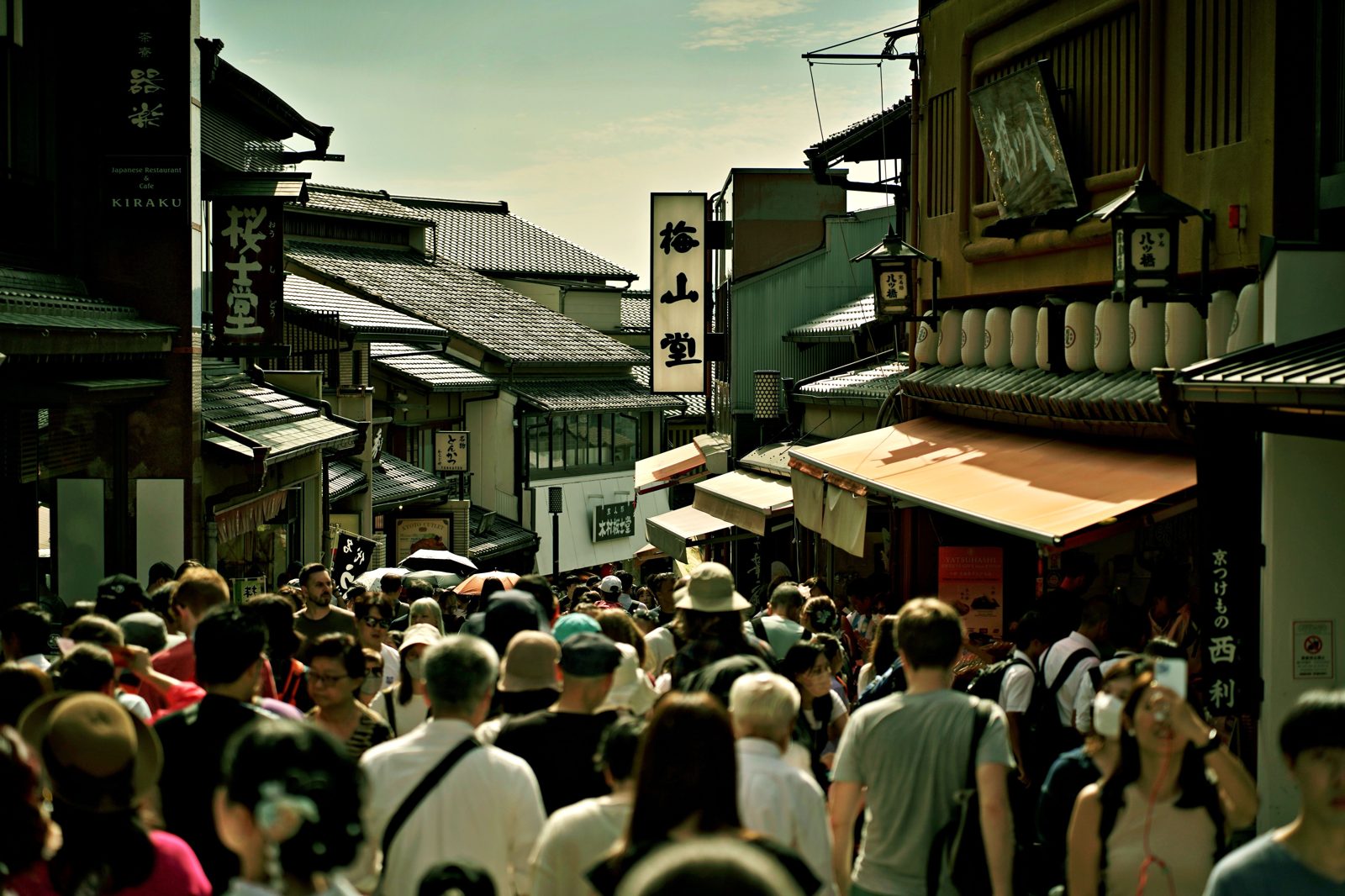
- Wait times and crowding increase dramatically, often faster than the business or destination can staff up to handle
- The specific visual or product that went viral gets prioritized over broader quality, since visitors specifically want the exact photo or dish they saw
- Prices frequently rise, sometimes explicitly to manage demand, sometimes simply because the business recognizes it can charge more during peak interest
- Original customers and long-term regulars often report the experience declining noticeably, complaining that the destination has changed to serve tourists chasing a video rather than the original clientele
Why the Decline Phase Is Almost as Predictable as the Rise
Platform algorithms are explicitly designed to surface novelty, which means yesterday’s viral destination inevitably loses visibility once a new trending topic emerges to compete for the same attention. Businesses that invested heavily in capacity to handle peak viral traffic — additional staff, expanded seating, inventory scaled to the surge — often find themselves overextended once volume normalizes, sometimes falling well below even their pre-viral baseline if the experience during peak crowding damaged their reputation with the customers who might have sustained them long-term.
The Destinations That Actually Survive the Cycle Well
Places that emerge from viral attention in better shape than they entered it tend to share a specific pattern: they used the surge in visibility and revenue to invest in durable quality improvements rather than purely short-term capacity, and they maintained consistent standards throughout the peak rather than letting quality slip to manage volume. Destinations that survive well also tend to have something genuinely worth the trip beyond whatever specific detail went viral — a restaurant with strong food across the whole menu, not just the one dish that trended, tends to retain a meaningfully higher share of visitors after the algorithm moves on.
What This Means If You’re Chasing the Next Viral Spot
Visiting a destination during its viral peak almost guarantees the worst version of the experience — maximum crowding, maximum strain on staff, and the highest likelihood that the specific thing you saw online has been altered or degraded to handle volume. Waiting six to twelve months after the initial viral surge, when crowds have thinned but the business or destination hasn’t yet fully reverted to pre-viral obscurity, often delivers a meaningfully better experience than either the peak moment or the eventual return to baseline.
How Businesses Can Actually Prepare for a Viral Moment
Hospitality and tourism consultants increasingly advise businesses to build contingency plans for viral surges before they happen rather than scrambling reactively once a spike begins, since the businesses that handle viral attention best tend to have pre-established plans for temporary staffing, crowd management, and inventory scaling that can be activated quickly. Just as importantly, consultants advise against making permanent capital investments based on a viral traffic level, given how consistently that level fails to sustain itself once the platform’s attention inevitably shifts elsewhere.
Signs a Destination Is in Peak Viral Phase Right Now
- Wait times posted on review sites or social media far exceed what the venue’s size would normally suggest
- Recent reviews split sharply between five-star raves from first-time viral visitors and one-star complaints from longtime regulars about crowding and service decline
- The venue has visibly changed signage, menu presentation, or seating specifically to accommodate photo-taking rather than dining or visiting
The Bottom Line for Chasing Trends
The algorithm that made a place go viral is the same algorithm that will eventually stop caring about it. Timing a visit around that cycle, rather than the peak of the hype, consistently produces the better trip.