Twelve Million Tourists a Year, Under 4,000 Residents: What Life Is Actually Like in Gatlinburg
We may earn money or products from the companies mentioned in this post. This means if you click on the link and purchase the item, I will receive a small commission at no extra cost to you ... you're just helping re-supply our family's travel fund.
More than 12 million people pass through Gatlinburg, Tennessee every year on their way to the Great Smoky Mountains. Fewer than 4,000 people actually live there full-time. That ratio, roughly 3,000 tourists for every resident, shapes absolutely everything about what daily life looks like for the people who call this town home.
A Town Built Entirely Around Visitors
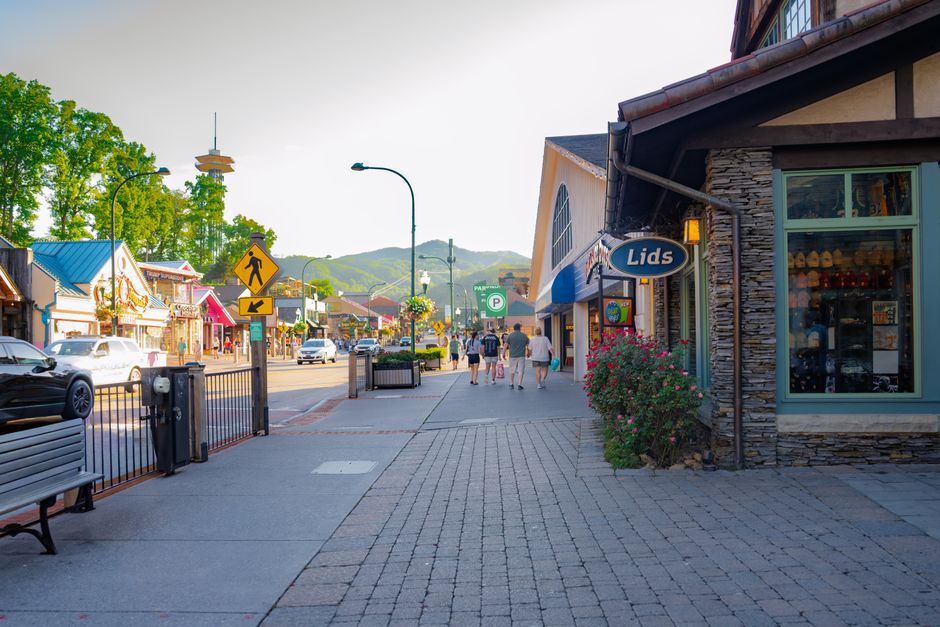
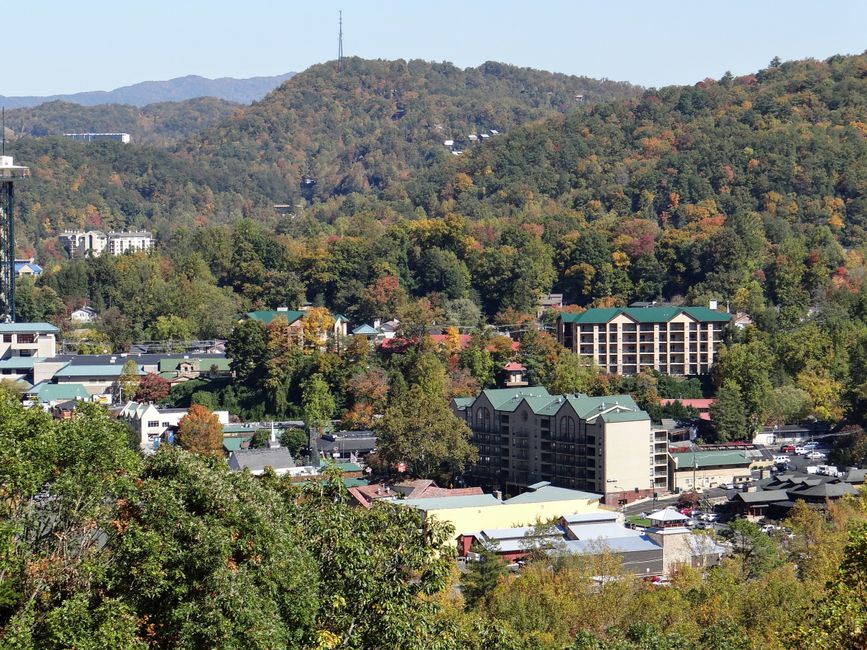
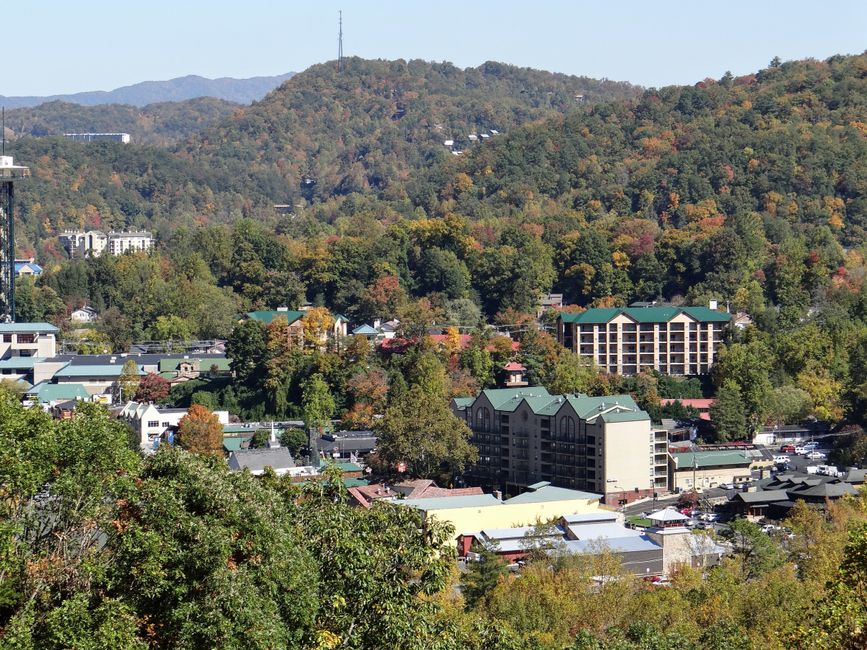
Gatlinburg sits directly at the entrance to Great Smoky Mountains National Park, the most visited national park in the country, and the town’s entire economic identity is built around funneling those visitors through pancake houses, mountain coasters, taffy shops, and wedding chapels. For residents, this means the town they live in and the town tourists experience are almost two separate places layered on top of each other.
Census data shows Gatlinburg’s population actually declined roughly 8.5% between 2019 and 2024, even as tourism numbers held strong or grew. That’s the paradox of an extreme tourist town: the visitor economy can boom while the resident population shrinks, because the economics of living there become harder every year for people who aren’t profiting directly from tourism dollars.
- Roughly 12 million annual visitors against a year-round population under 4,000
- Resident population declined about 8.5% between 2019 and 2024
- Nearly all commercial real estate is zoned for tourism, not residential support services
- Seasonal traffic can turn a five-minute drive into a 45-minute crawl
- Most service workers commute in from surrounding Sevier County towns
Why Actual Residents Struggle to Stay
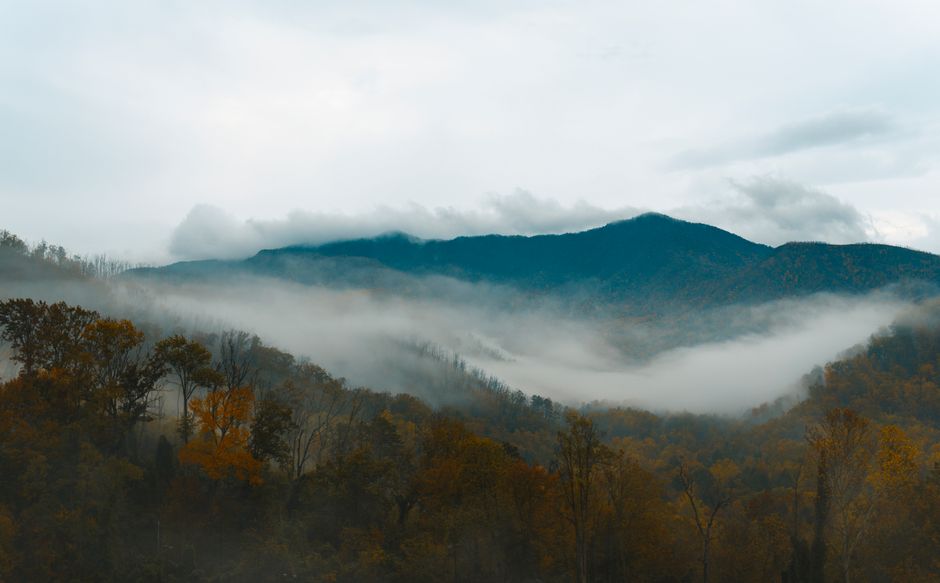
Housing is the core issue. Short-term vacation rentals dominate the local real estate market, and cabins that could house full-time families instead generate nightly rental income that far outpaces what a long-term lease could bring in. That dynamic has pushed most of the actual workforce, the people staffing restaurants, hotels, and shops, into surrounding towns like Sevierville and Pigeon Forge, or further out into the county.
There’s also the traffic reality. The main parkway through town can become gridlocked for hours during peak leaf season in October or holiday weekends, and residents plan their entire lives around avoiding those windows. Grocery runs get scheduled for early morning. Doctor’s appointments get built around knowing which weekends to avoid driving anywhere near downtown.
What Locals Actually Like About It
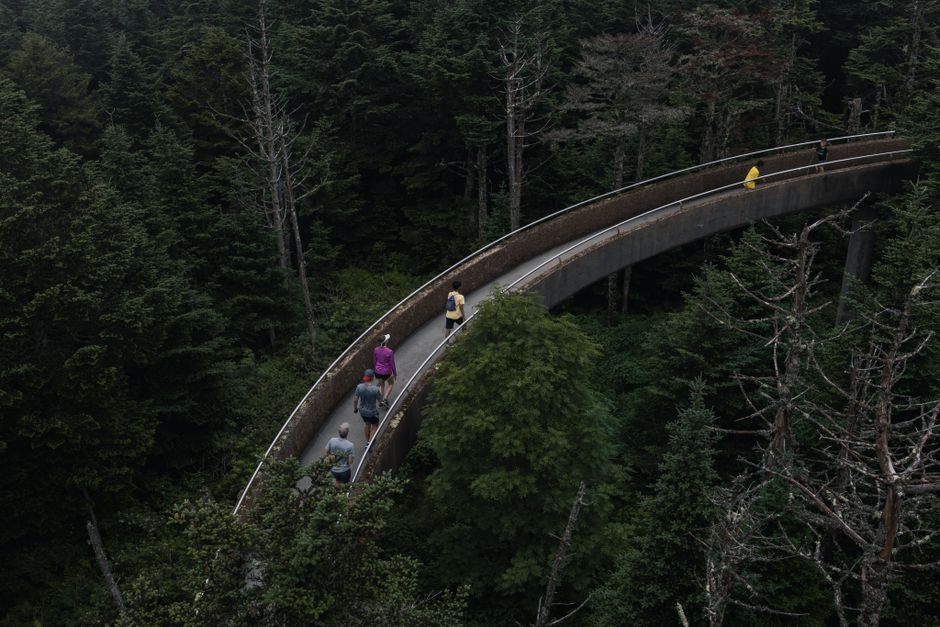
Despite the challenges, Gatlinburg was recently recognized on a national list of best small towns in Tennessee, and residents who’ve stayed for decades point to genuine advantages: unmatched access to some of the best hiking and outdoor recreation in the eastern United States, a tight-knit community built through shared experience of the tourist economy, and a mountain setting that never gets old no matter how many times you drive past it.
The Wildfire Memory
The 2016 wildfires that devastated parts of Gatlinburg and the surrounding area remain a defining shared experience for longtime residents, and recovery reshaped parts of the town’s housing stock and business district permanently. It’s a reminder that living in a tourist town means living somewhere genuinely vulnerable to the same natural forces that make it beautiful enough to draw millions of visitors.
What It’s Actually Like, Day to Day
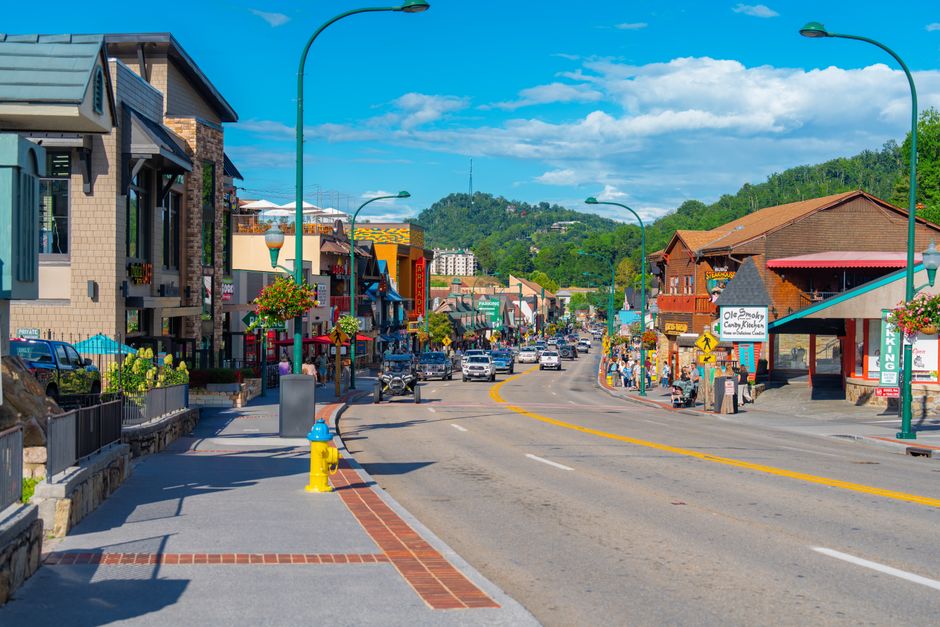
Ask a Gatlinburg local and they’ll describe a strange duality: mornings before the tour buses arrive feel like any small mountain town, quiet and slow. By midday, downtown transforms into a dense crowd of visitors, and residents who work outside the tourism industry often avoid the parkway entirely until evening. It’s a town that residents love in spite of, not because of, the thing that keeps it economically alive.
Comparing It to Other Extreme Tourist Towns
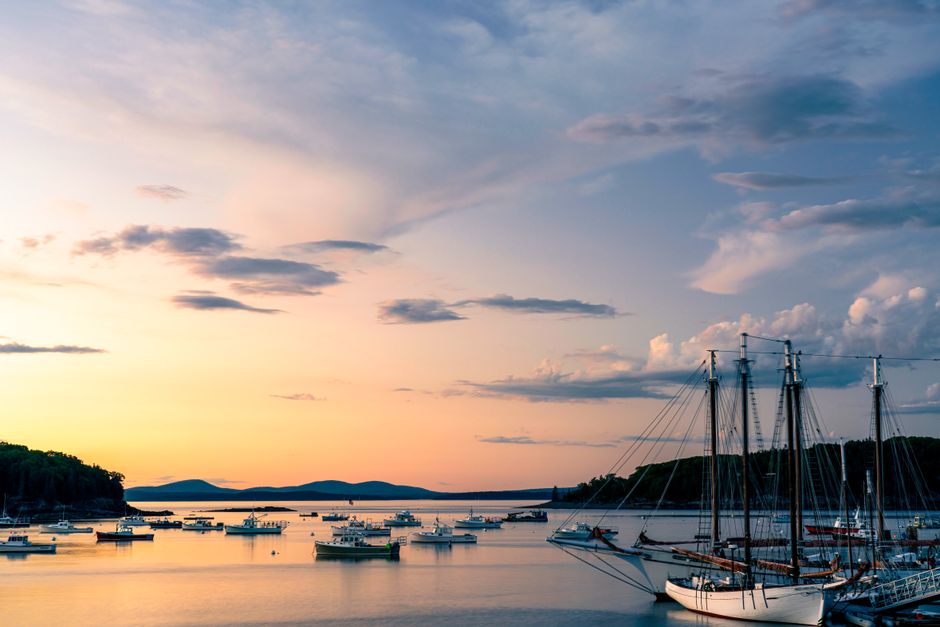
Gatlinburg isn’t alone in facing this dynamic. Towns like Bar Harbor, Maine, which serves as the gateway to Acadia National Park, face a strikingly similar seasonal population math, a small year-round population dwarfed many times over by summer and fall visitor counts. The difference is that Bar Harbor’s tourist season is more sharply seasonal, concentrated in summer and fall foliage months, while Gatlinburg draws steady crowds nearly year-round thanks to the Smokies’ proximity to a huge swath of the East Coast population within a day’s drive.
The Economic Trade-Off Residents Have Made
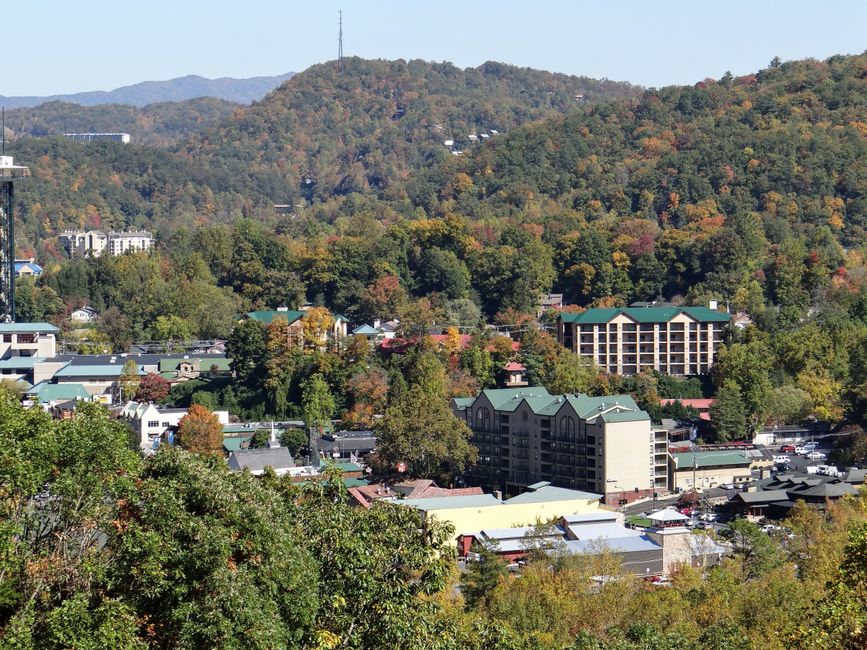
Nearly every long-term Gatlinburg resident either works in tourism directly or works for a business that depends on tourist spending indirectly. That concentration creates genuine economic vulnerability, when tourism dips, as it did sharply after the 2016 wildfires, the entire local economy feels it immediately, with none of the diversification that protects cities with broader industrial bases from a single bad season.
How the Town Has Adapted
City leadership has invested in trolley systems and parking infrastructure specifically designed to reduce the traffic burden during peak periods, recognizing that gridlock itself was becoming a threat to the visitor experience the town depends on. These investments represent an unusual position for a small town: infrastructure spending scaled not to the resident population but to a visitor population that outnumbers residents by a staggering margin.
The Bottom Line for Residents
Living in Gatlinburg means making peace with a permanent trade-off: extraordinary natural access in exchange for a hometown that technically isn’t built for you first. For the people who’ve stayed for decades, that trade clearly still adds up in their favor. For the workforce that increasingly commutes in from Sevierville and Pigeon Forge, the calculation has become considerably harder.
The Long View
Gatlinburg’s population math isn’t likely to reverse anytime soon, and city leaders seem to have accepted that the town’s identity will remain built around a resident base that’s a rounding error compared to its visitor numbers. The more interesting question is whether the surrounding towns absorbing the displaced workforce, Sevierville and Pigeon Forge among them, end up inheriting the same pressures a decade or two from now.
It’s also worth remembering that Gatlinburg’s relationship with the National Park Service adds another layer most tourist towns don’t have to navigate. Because Great Smoky Mountains National Park charges no entrance fee, unlike most major national parks, the town itself has effectively become the primary economic engine capturing tourist spending that would otherwise flow partly to park fees, which raises the stakes on the town’s commercial district functioning well for both visitors and the residents who depend on it.