Five College Towns That Outgrew Their Universities and Became Real Cities
We may earn money or products from the companies mentioned in this post. This means if you click on the link and purchase the item, I will receive a small commission at no extra cost to you ... you're just helping re-supply our family's travel fund.
There’s a specific kind of American city that started as a footnote to a university and grew into something the school can no longer fully explain. These aren’t sleepy college towns anymore. They’ve built real economies, real skylines, and real identities that exist independently of football Saturdays.
Austin, Texas

Austin is the extreme version of this transformation. What used to be a mid-size state capital anchored by the University of Texas turned into one of the fastest-growing major metros in the country, driven by a tech boom that brought major employers and thousands of transplants. The city’s population has grown so fast that longtime residents joke about not recognizing entire neighborhoods, and UT Austin, while still central to the city’s identity, is now just one piece of a much larger economic engine that includes major tech campuses and a live music industry that long ago outgrew any campus association.
Ann Arbor, Michigan
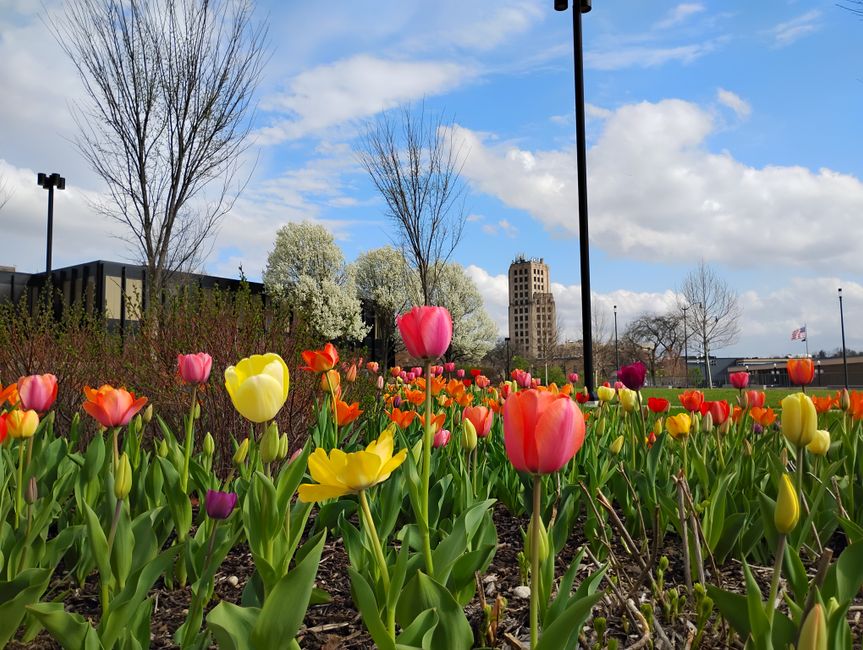
Ann Arbor built its transformation around research rather than tech relocations. The University of Michigan’s research enterprise has spun off a genuine biotech and startup corridor, and the city has developed a restaurant and arts scene substantial enough to draw visitors who have no connection to the university at all. It’s still smaller than the other cities on this list, but its economic base has diversified well beyond tuition dollars and football revenue.
- Austin, Texas: transformed by a tech boom anchored around but no longer dependent on UT Austin
- Ann Arbor, Michigan: built a biotech and research corridor spun out of University of Michigan labs
- Chapel Hill/Durham, North Carolina: Research Triangle turned three college towns into a unified tech and biotech hub
- Boulder, Colorado: outdoor industry and tech companies now employ more people than CU Boulder
- Charlottesville, Virginia: a food and wine scene and remote-work boom layered onto UVA’s academic base
The Research Triangle, North Carolina
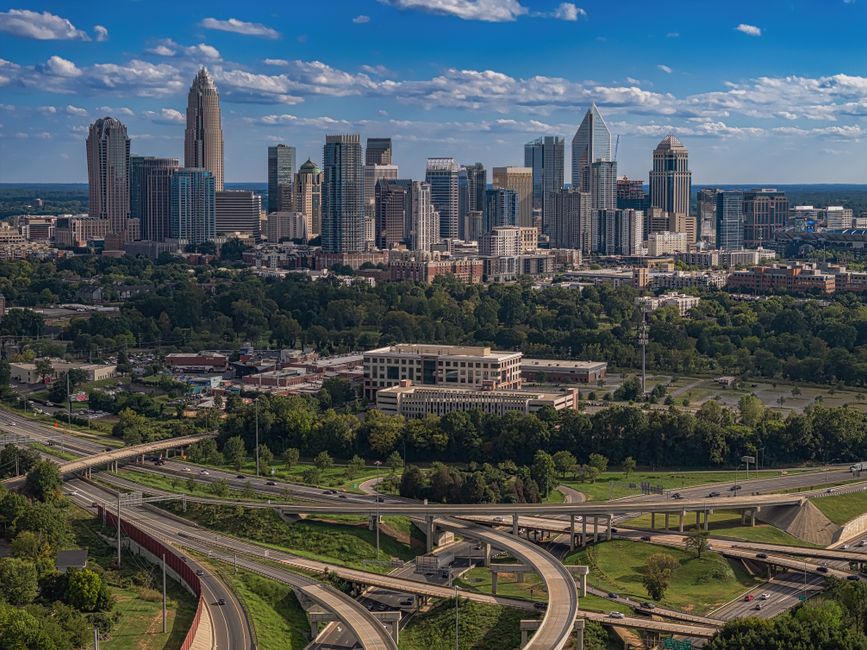
Chapel Hill, Durham, and Raleigh represent a slightly different model: three separate college towns, anchored by UNC, Duke, and NC State respectively, that grew into each other through Research Triangle Park, a deliberately planned research and technology corridor built in the late 1950s specifically to keep university graduates from leaving the state. Decades later, it’s one of the most successful examples of that strategy working exactly as designed, now home to major pharmaceutical, tech, and biotech operations that dwarf the university payrolls that started it all.
Boulder, Colorado

Boulder’s transformation runs through the outdoor recreation industry as much as tech. The city has become a headquarters hub for outdoor gear and athletic brands, drawn initially by the University of Colorado’s presence and later by the lifestyle appeal of the Flatirons and easy mountain access. Housing costs have climbed to levels that rival much larger coastal cities, driven by demand that has little to do with university enrollment.
Charlottesville, Virginia
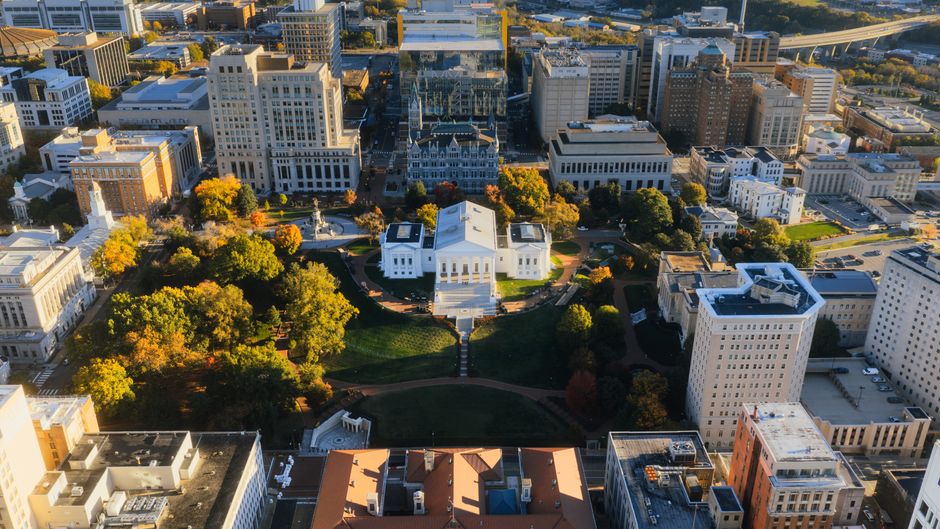
Charlottesville has grown a food, wine, and remote-work economy that increasingly overshadows its identity as home to the University of Virginia. The surrounding wine country has developed into a genuine tourism draw independent of the school, and the city’s downtown pedestrian mall has become a destination for people with zero connection to UVA, drawn instead by restaurants that have earned regional and even national recognition.
What Changed These Towns for Good

In every case, the pattern is similar: a research university created a talent pipeline, local or state policy made it easy for graduates to start companies or attract employers nearby, and eventually the resulting economy grew large enough to function independently of the school’s enrollment numbers or athletic calendar. These places didn’t stop being college towns. They just stopped being only college towns, and the shift changed everything from housing prices to restaurant scenes to who actually calls each place home.
These transformations didn’t happen by accident, and looking closer at the mechanics reveals why some college towns broke out while thousands of others stayed exactly the same size and character for generations.
The Common Ingredient: Research Funding

Every city on this list sits near a research university that pulled in substantial federal and private research funding, which created the initial talent and technology pipeline that eventually spun off into private companies. Universities without heavy research funding, focused primarily on undergraduate teaching, rarely produce this kind of economic transformation regardless of how large or well-regarded the school itself becomes.
The Housing Squeeze That Follows Success

Every one of these cities has faced the same downstream consequence: housing costs that have climbed well beyond what the original student and faculty population could ever have paid. Boulder and Austin in particular now rank among the least affordable mid-size metros in the country, a direct consequence of the same economic success that made them notable in the first place. It’s the classic boomtown paradox, the growth that made the city interesting is the same growth that’s pricing out the next generation of the students and researchers who built it.
What This Means for Other College Towns

Plenty of respected universities, from Ithaca’s Cornell to Iowa City’s University of Iowa, have strong academic reputations without producing the same scale of economic spillover. That’s not necessarily a failure, some communities have deliberately prioritized preserving small-town character over chasing tech-corridor growth. But it does suggest that becoming a real city requires more than academic prestige. It requires a specific alignment of research funding, state policy, and often sheer geographic luck that most college towns never quite assemble.
The Long View
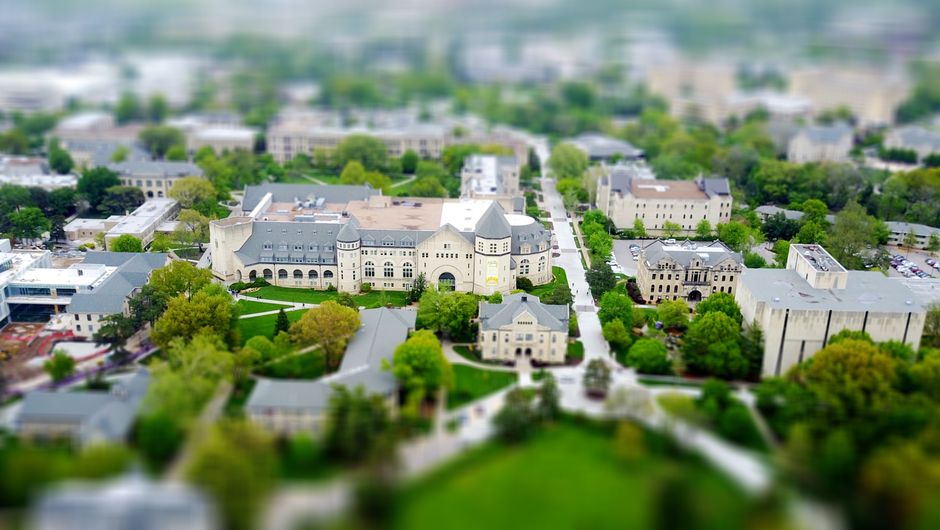
Watching which college towns break out next is largely a matter of tracking research funding and state economic development policy rather than school rankings or football success. The next Austin or Research Triangle is more likely to be identified by a university’s grant funding trajectory than by anything visible on a campus tour.
It’s also worth acknowledging that not every resident of these transformed cities benefits equally from the growth. Long-tenured residents in neighborhoods near expanding tech corridors have watched property taxes and rents climb well beyond what their original community could sustain, a pattern common to nearly every American city that experiences this kind of rapid economic transformation regardless of what triggered it.