Locals Spot Tourist-Trap Restaurants in 10 Seconds — Here’s Their Exact Checklist
We may earn money or products from the companies mentioned in this post. This means if you click on the link and purchase the item, I will receive a small commission at no extra cost to you ... you're just helping re-supply our family's travel fund.
The Expensive Lesson Every Traveler Learns Once (And Never Again)
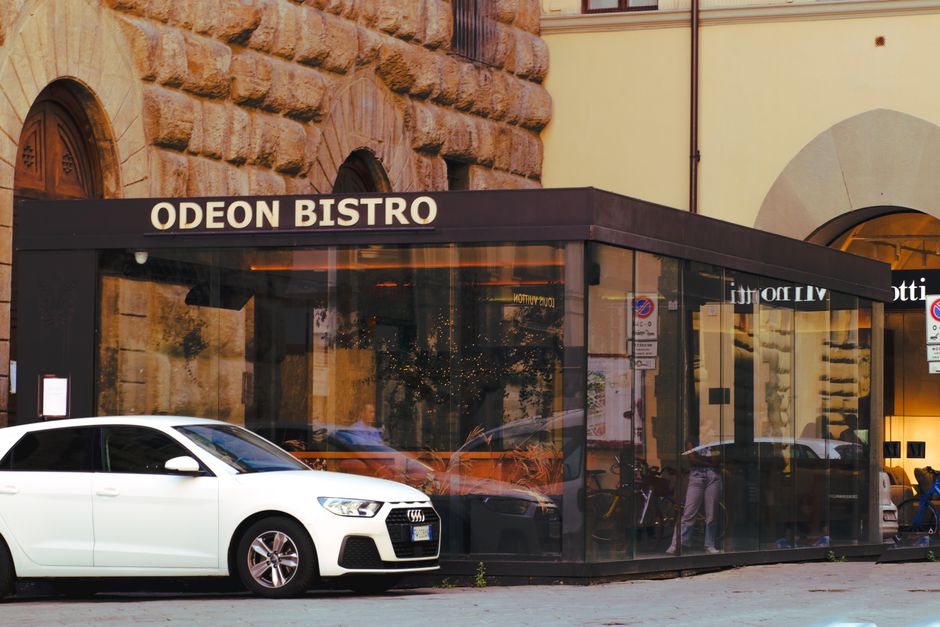
It was a warm Tuesday in Florence, two blocks from the Uffizi Gallery, and the laminated menu had photographs of every dish. There were over 200 items. The waiter who had been standing outside waved us in with genuine enthusiasm. The pasta arrived lukewarm and tasted like it had been microwaved. The bill came before we asked for it, and there was a €3 “coperto” per person that nobody mentioned. Four pasta dishes, two bottles of water, and a tourist tax later, we were out €96 for a meal that a real Florence trattoria would have charged €32 for — and done about six times better.
You have paid for a version of this meal. I know you have. It’s practically a rite of passage for first-time international travelers — and a completely avoidable one. The good news is that once you know the signs, you can spot a tourist trap restaurant from halfway down the block, before you’ve even sat down. Locals learn this instinctively. Visitors can learn it in the next five minutes.
The 8 Red Flags Visible Before You Even Sit Down
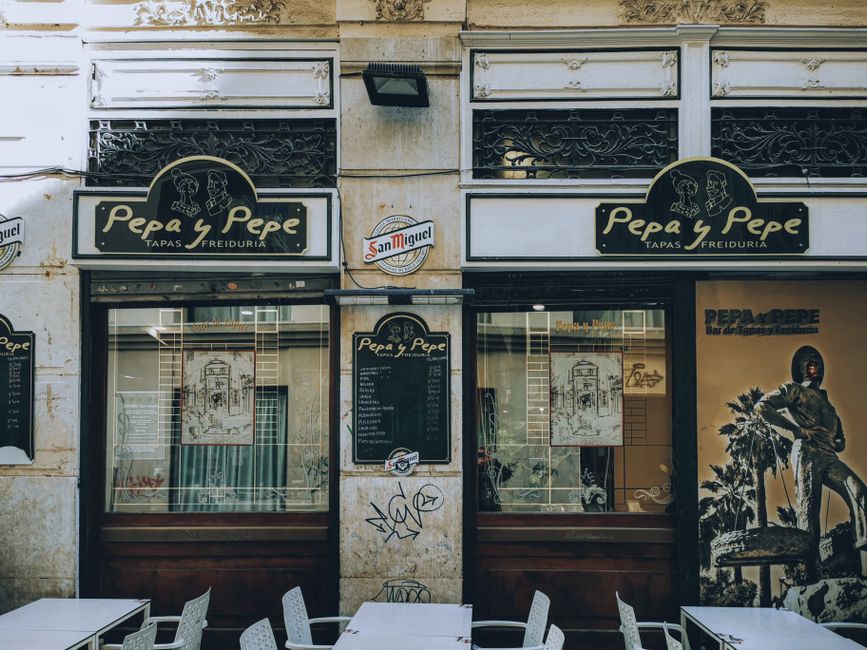
Start with the exterior. In many European countries — including France, Germany, Italy, Hungary, and most EU member states — restaurants are legally required to post their menu with prices outside, visible to passersby. A restaurant with no outside menu, or with a decorative menu board that conveniently omits prices, is either ignoring the law or hiding from it. Both are red flags. Walk past.
The second flag is the host standing outside, actively recruiting customers. Real restaurants — the ones so good they have regulars who come back every week — do not need someone on the sidewalk pulling people in. That host exists because the restaurant cannot fill seats on merit alone. His job is to intercept tourists before they can consult Google or walk one more block. He will tell you the wait is long everywhere else. He will mention that they have “the best pasta in Rome.” He may even follow you a few steps down the street. Keep walking.
Third: location directly on or immediately adjacent to a major landmark, tourist street, or scenic viewpoint. This is not always disqualifying on its own — there are a handful of genuinely good restaurants near major attractions — but combined with any other flag on this list, it’s a strong signal. The general rule of thumb that frequent travelers swear by: walk two blocks in any direction from the landmark, cross the first busy street, and you’ll find the neighborhood’s actual restaurants — the ones priced for people who eat there every week, not once in a lifetime.
The Menu Is Telling You Everything You Need to Know

Pick up the menu — or look at the one posted outside — and count the dishes. If you’re looking at 150 to 200+ items across multiple cuisines or an exhaustive list of preparations, you are not in a restaurant that cooks everything fresh. No kitchen staffed by actual cooks can execute 200 dishes to a quality standard. What you’re looking at is a walk-in freezer menu. The pasta was made in a central facility and shipped frozen. The “house special” is indistinguishable from the other 40 pasta dishes because they all came from the same bag.
How many languages is the menu printed in? One or two, ideally in the local language plus English, suggests a neighborhood restaurant that’s become popular enough to accommodate tourists occasionally. Eight languages — Italian, English, French, German, Spanish, Chinese, Russian, Japanese — tells you this establishment has optimized entirely for tourist volume. It’s not a restaurant. It’s a processing facility with tablecloths.
Now flip to the last page — or the back of the menu — and look for a service charge. “Servizio incluso” in Italy. “Service compris” in France. “Service charge: 15%” in English. These are not automatically red flags; service charges are legal and disclosed in plenty of good restaurants. What IS a red flag is when this charge is buried, small-print, or appears on the bill without having appeared on the menu at all. That’s not a service charge — that’s a trap. In Italy specifically, the “coperto” (cover charge, typically €1–3 per person) is a historical tradition and legal, but it must be listed on the menu before you sit. If you see it for the first time on the bill, you can legally dispute it.
How to Use Google Maps Like a Local
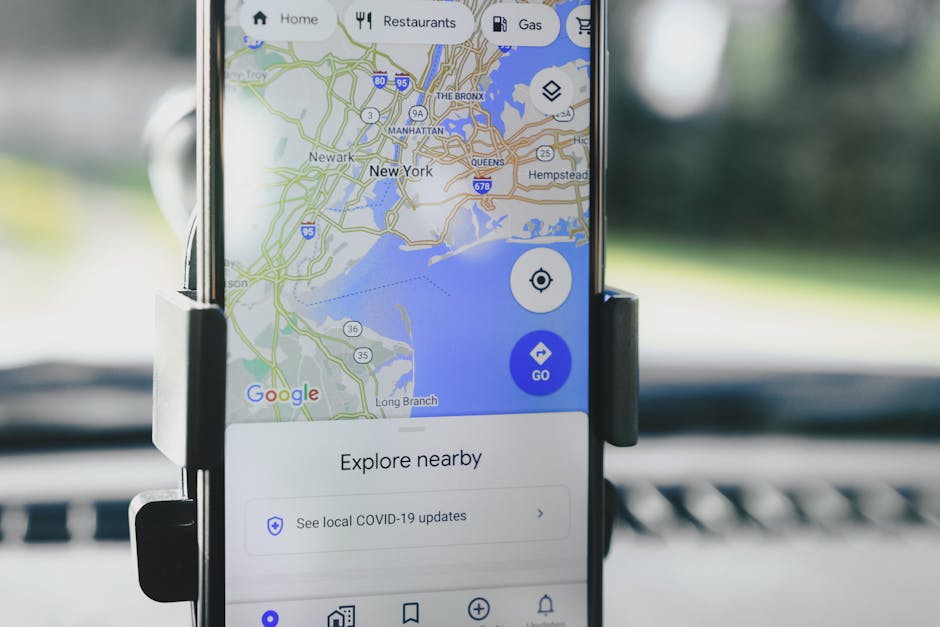
Pull up Google Maps and search the restaurant before you sit down. Four things to check in 30 seconds: overall rating (anything below 4.0 at a sit-down restaurant is a pass), total number of reviews (a 4.8 with 12 reviews is meaningless; a 4.1 with 2,400 reviews is actually informative), recency of reviews (a restaurant with hundreds of reviews but none in the last three months may have changed ownership, changed quality, or bought its old reviews — none of those are good signs), and specifically look for reviews tagged “Local Guide.”
Google’s Local Guide reviews are written by verified frequent reviewers who have contributed extensively to Maps. They’re significantly harder to fake than standard reviews. Filter for them specifically if you can. Also look for reviews written in the local language — a Roman restaurant with mostly English-language reviews and very few Italian-language reviews is telling you exactly who its clientele is. One more move: search “[restaurant name] + tourist trap” on Google. If it’s notorious, the travel blogosphere has already written about it.
City-by-City: The Specific Neighborhoods and Streets to Avoid
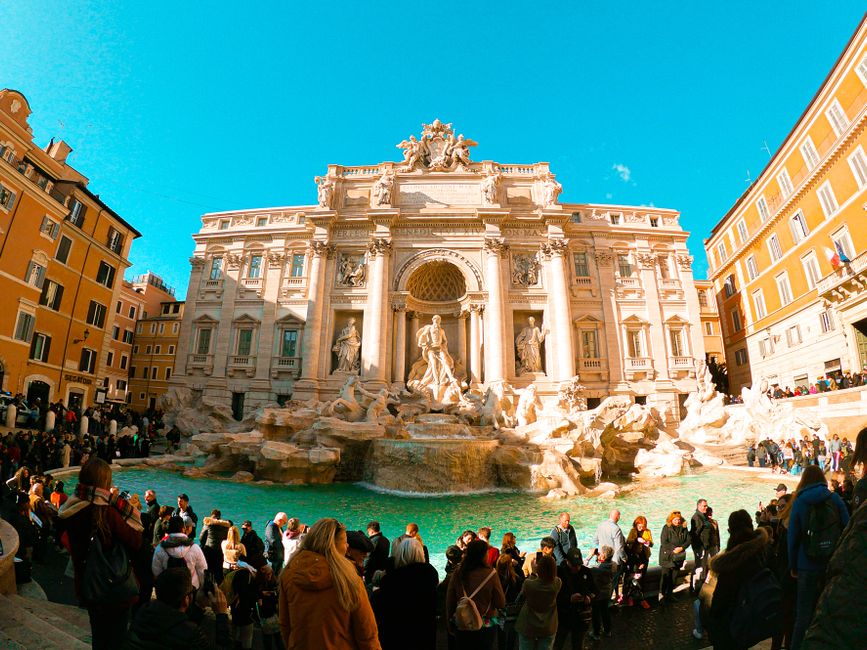
In Rome, the danger zones are within a three-minute walk of the Trevi Fountain, the Colosseum, Piazza Navona, and Campo de’ Fiori. The same carbonara that costs €9 in Testaccio or Pigneto neighborhoods costs €22 in these tourist corridors. In Florence, the Uffizi Gallery corridor and the Santa Croce tourist strip are the primary traps — the San Frediano neighborhood across the Arno charges approximately half and cooks approximately twice as well.
In Paris, any restaurant with a laminated tourist menu displayed outside in five languages near the Eiffel Tower, Sacré-Cœur, or Notre Dame is almost certainly not where Parisians eat. The 18th arrondissement has many wonderful local restaurants just two streets off the tourist path. In Budapest, Váci Street is one of the most notorious tourist-trap restaurant corridors in all of Europe — Hungarian law requires outside price displays, so a Váci Street restaurant with no outside menu is both a legal violation and a very direct indication of intent. The Jewish Quarter (around Kazinczy Street) has excellent, affordable, legitimately local restaurants a five-minute walk away.
In Barcelona, the Las Ramblas corridor is the tourist-trap equivalent of a greatest-hits album. Every trap on this list will be present simultaneously. Walk 10 minutes into the Eixample neighborhood or the Gràcia district and you’ll find tapas bars where the locals actually eat — better food, half the price, and nobody trying to hand you a menu from the sidewalk.
Where the Locals Actually Eat — The Real System

Here is the method that consistently works. When you check in to your hotel or vacation rental, ask the front desk staff — specifically ask them — where they personally like to eat in the neighborhood. Not “what do you recommend for tourists?” but “where do you go when you want a good dinner?” That distinction matters enormously. The tourist recommendation is the one on the laminated pamphlet at the front desk. The personal recommendation is where their family celebrates birthdays.
Second method: open Google Maps, zoom into a residential neighborhood 15 minutes’ walk from your main sightseeing area, and look for restaurants rated 4.2–4.7 with 300–800 reviews, operating hours that include lunch and dinner (tourist traps often skip lunch), and reviews in the local language. Third method: ask a supermarket employee, a pharmacy worker, or anyone who appears to work in the neighborhood. These are the people eating lunch nearby every weekday. They know exactly where the food is good.
The two-block rule is real. Almost universally true in tourist cities: two blocks in any direction from the landmark, across one major tourist street, and you’re in a different dining universe. The markup drops by 40–60%, the food improves noticeably, and the waiter is not going to stand outside trying to physically intercept your walk. Once you learn to navigate this way, tourist-trap restaurants become optional — and you will simply never choose them again.